Choose RG6 first, then match the shielding
You mount a new TV antenna, run 15 meters of cable through the attic and down the wall, and find that UHF channels break into pixelated blocks whenever the wind moves a tree. The antenna is almost never the problem; the cable is the weak link. The practical conclusion from years of installing antenna systems is direct: wire a TV antenna with RG6 coaxial cable, not RG59, and then choose the shielding based on run length and the interference sources around the building. This article explains why RG6 is the default, what the shield layers actually do, and which specifications decide whether the installation stays reliable for a decade.
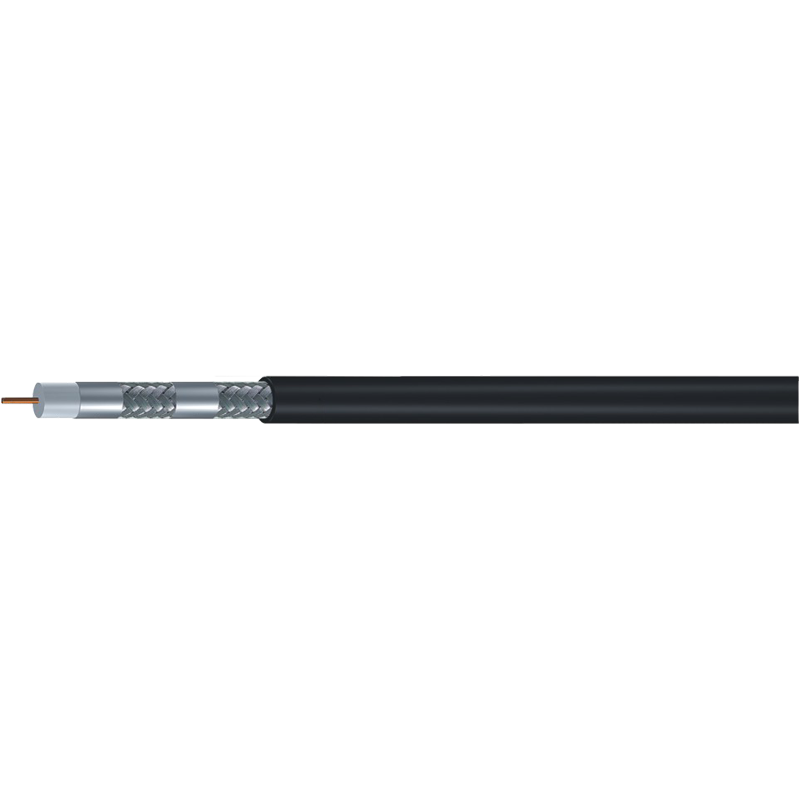
RG6 is a 75-ohm coaxial cable with an 18 AWG center conductor, a gas-injected or solid dielectric, and one or more layers of foil and braid. It belongs to the same cable family used for cable TV, satellite TV, and modern video distribution systems, which means connectors, splitters, wall plates, and amplifiers are all designed around it.
Why RG6 is the right cable for a TV antenna
Over-the-air television in North America and most other regions uses a 75-ohm system. RG6 matches this impedance, keeping signal reflections low and preserving the signal level that the TV tuner actually receives. A mismatch causes part of the signal to reflect back toward the antenna; on a digital tuner that appears as dropouts, not as the snowy picture familiar from analog TV.
The 18 AWG center conductor is the other decisive advantage. At a typical UHF channel around 600 MHz, a well-made RG6 loses roughly 5 to 6 dB per 30 meters, while a typical RG59 loses 7 to 9 dB per 30 meters at the same frequency. Digital television has a sharp threshold: the picture is perfect until the signal drops below the tuner's limit, and then it disappears. The margin provided by understanding RG6 specifications before you buy is what keeps a long antenna run on the right side of that threshold.
Impedance matching is not optional
TV antennas, splitters, preamplifiers, and tuners are all built around a 75-ohm reference. When the cable matches, the signal passes cleanly through every connection. When it does not, part of the signal returns to the source and creates interference patterns that are hard to diagnose once the cable is inside the wall.
Frequency range covers VHF, UHF, and satellite
RG6 is specified far beyond the 100 MHz to 700 MHz range used by most over-the-air TV broadcasts. That frequency headroom means the same cable can carry satellite signals, FM radio, and future channel reallocations without being replaced. If you later add a preamplifier or a second television, RG6 will not become the bottleneck.
Shielding variants and how to choose between them
RG6 is sold in three common shielding configurations: standard shield, tri-shield, and quad-shield. The difference is structural. Each shield layer keeps external interference out and keeps the TV signal inside the cable. The interference sources that matter for an antenna run include power lines, electric motors, Wi-Fi routers, cellular base stations, and adjacent radio transmitters.
| Shield type | Typical structure | Shielding effectiveness | Best fit for a TV antenna |
|---|---|---|---|
| Standard shield | Foil plus braid | Adequate for short indoor runs | Indoor runs under 15 meters |
| Tri-shield | Foil, braid, foil | Improved high-frequency rejection | Attic and long indoor runs |
| Quad-shield | Foil, braid, foil, braid | Highest rejection of the three | Outdoor runs near interference sources |
Standard shield is enough for short indoor paths
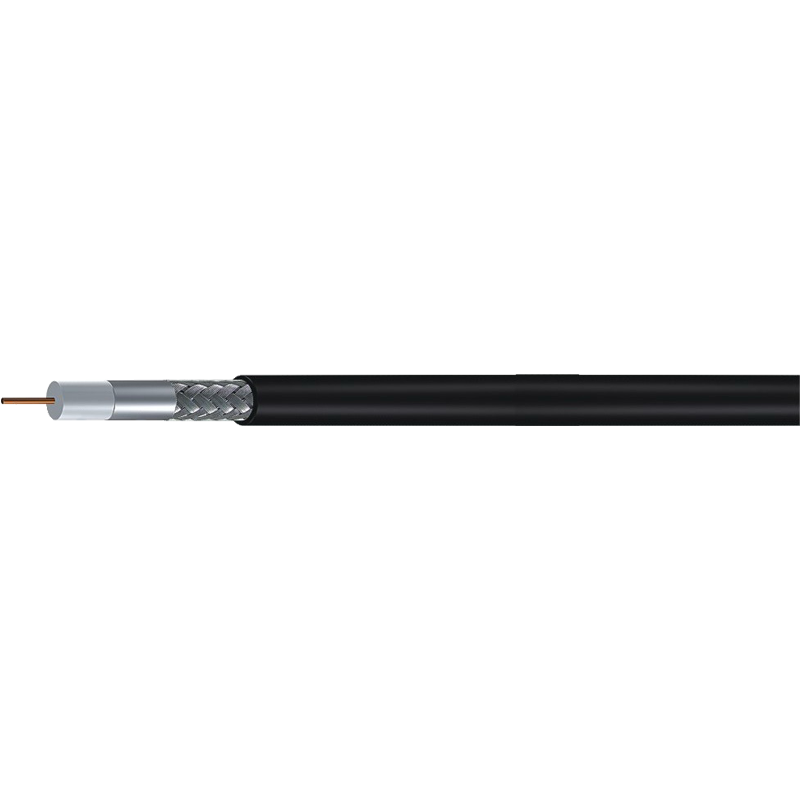
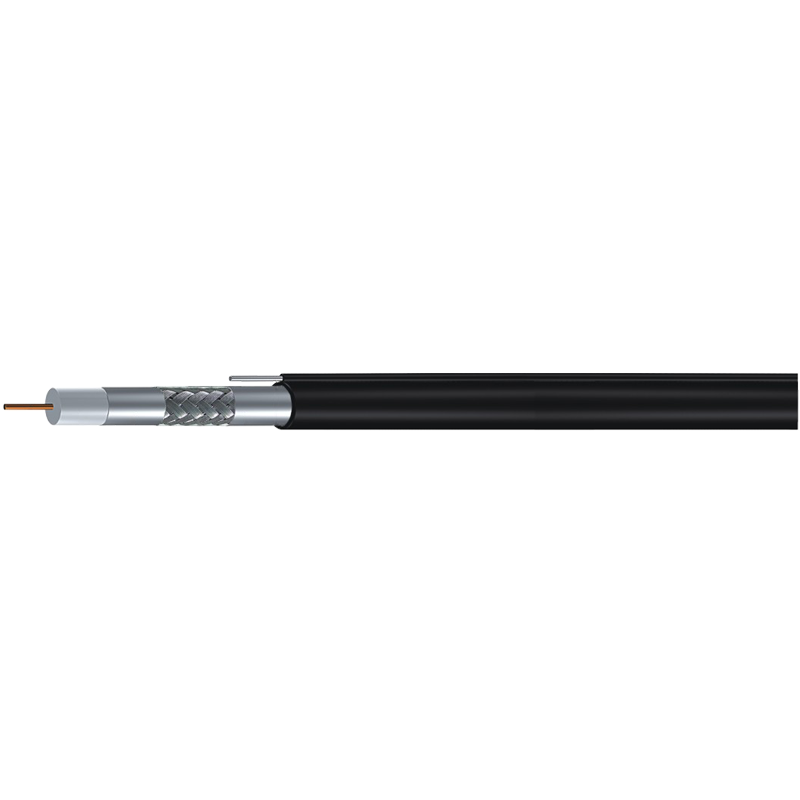
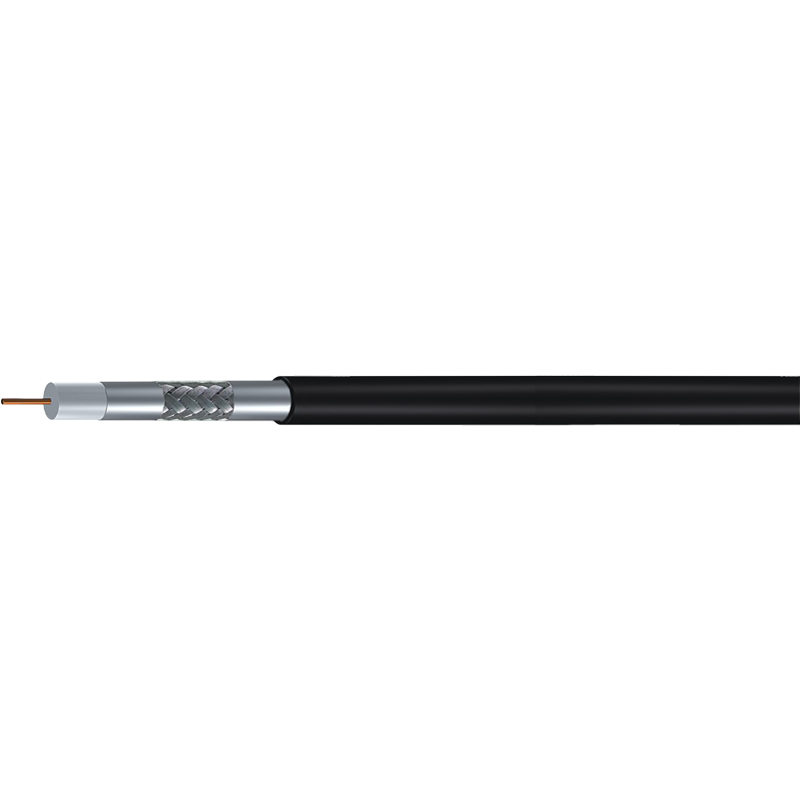
Standard shield RG6 uses a single foil layer and a braid. It handles a short indoor run, especially when the cable stays inside a wall cavity and away from other cables and appliances. It is the least expensive option, and for a small apartment installation it is a legitimate choice. If you want a straightforward product for this situation, an RG6 standard shield coaxial cable is commonly used for basic indoor wiring.
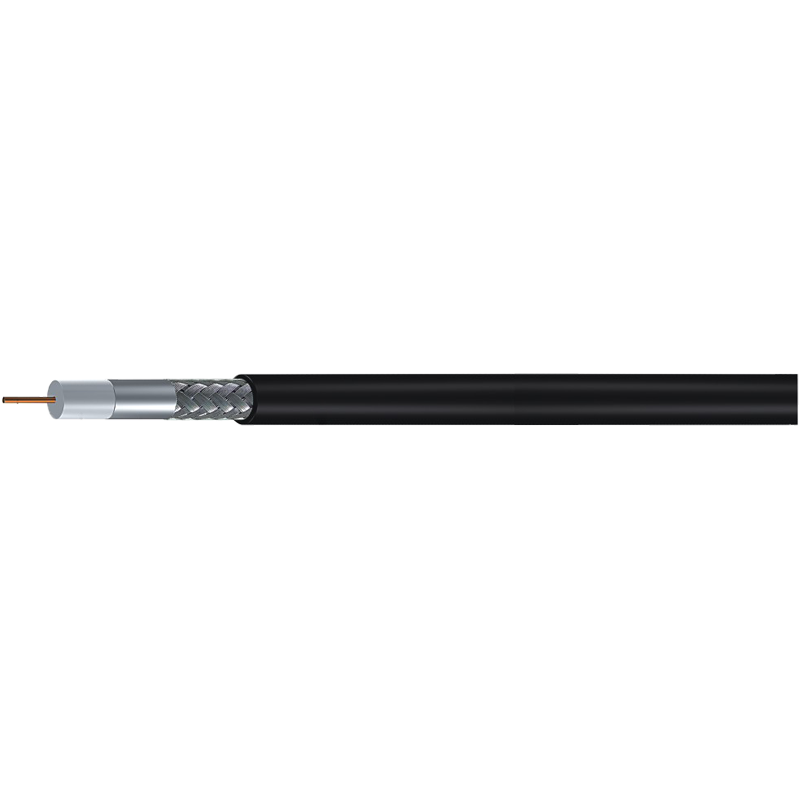 RG6 Standard Shield 75 Ohm Coaxial Cable Manufacturers, OEM/ODM Factory - ZhejiaZhejiang CommSpace Cable Co., Ltd is China Custom RG6 Standard Shield 75 Ohm Coaxial Cable Manufacturers and OEM/ODM Factory, Physical Co...View Product →
Tri-shield adds protection for modern homes
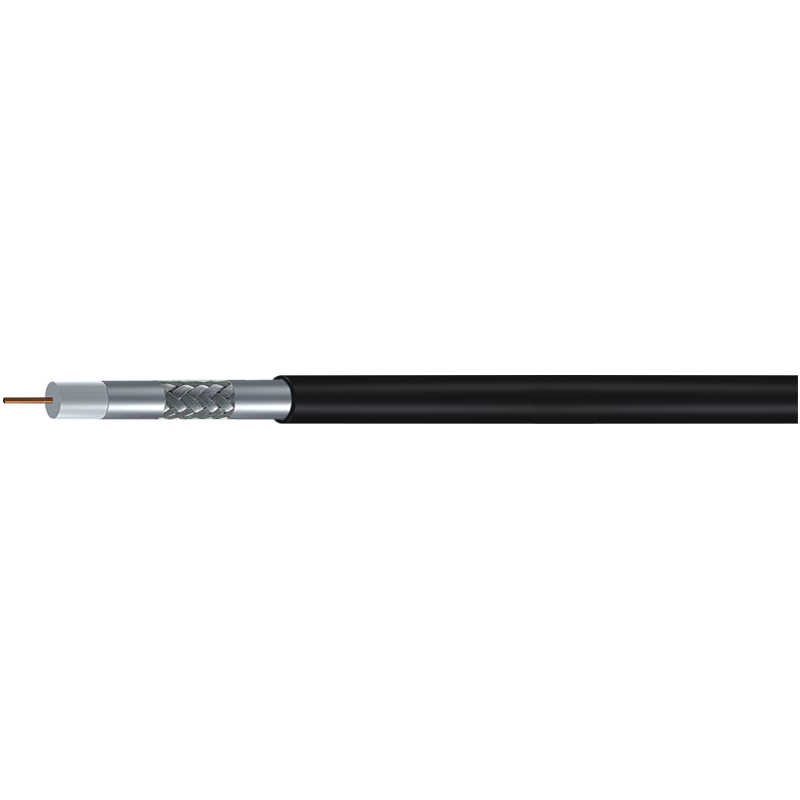
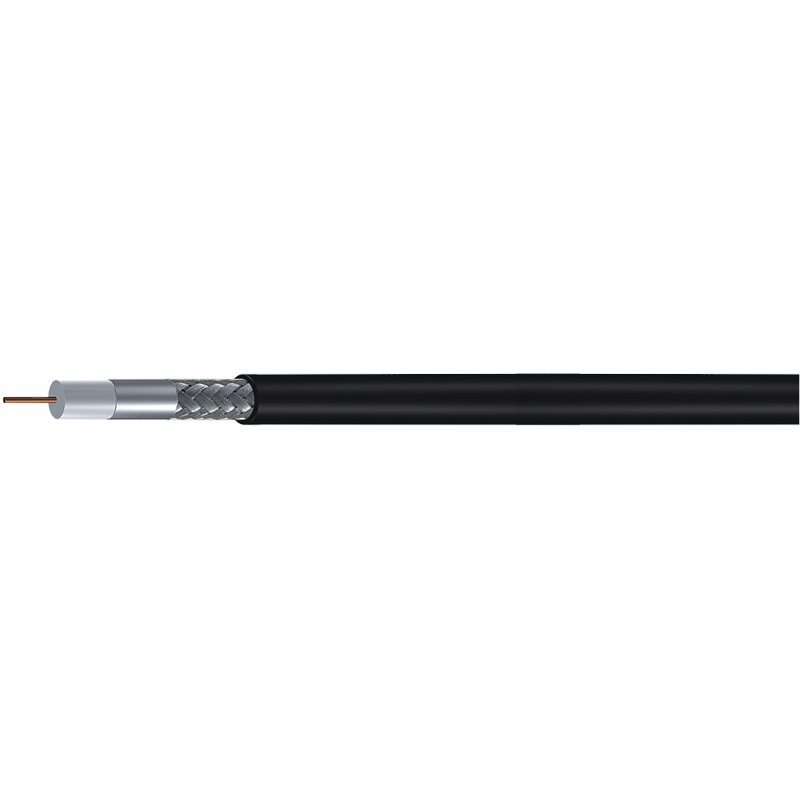
Tri-shield stacks foil, braid, and a second foil layer. The additional foil improves shielding at higher frequencies, which matters in a house full of Wi-Fi networks, wireless doorbells, and cellular devices. For an antenna feed that enters a building and then travels through walls, tri-shield is a reasonable middle ground. An RG6 tri-shield coaxial cable is selected for multimedia installations where several services share the same cable path.
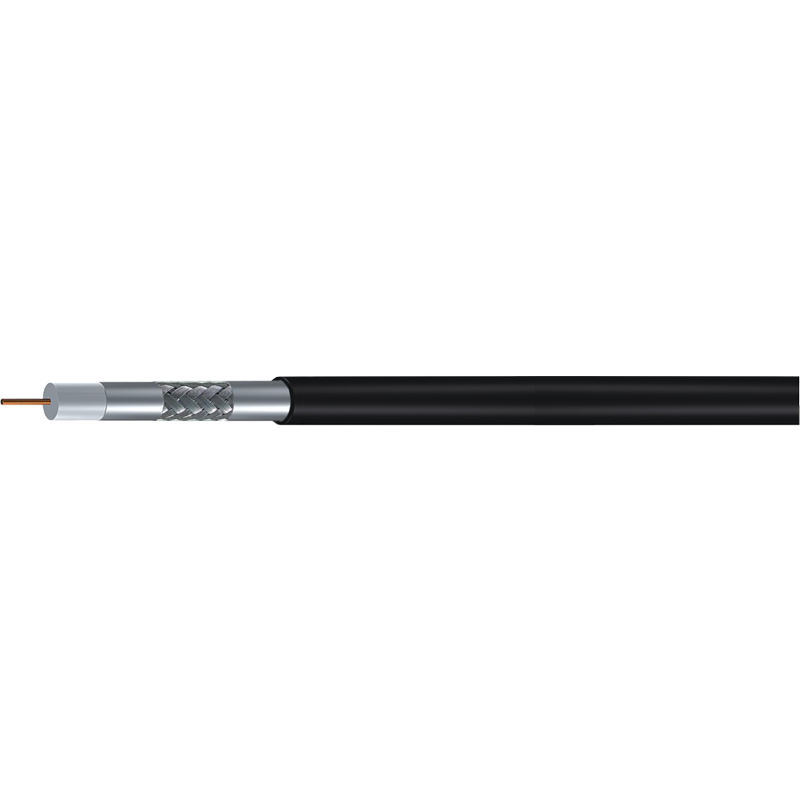 RG6 Tri-Shield 75 Ohm Coaxial Cable Manufacturers, OEM/ODM Factory - Zhejiang CZhejiang CommSpace Cable Co., Ltd is China Custom RG6 Tri-Shield 75 Ohm Coaxial Cable Manufacturers and OEM/ODM Factory, Physical Constr...View Product →
Quad-shield is the safest choice for outdoor antenna runs
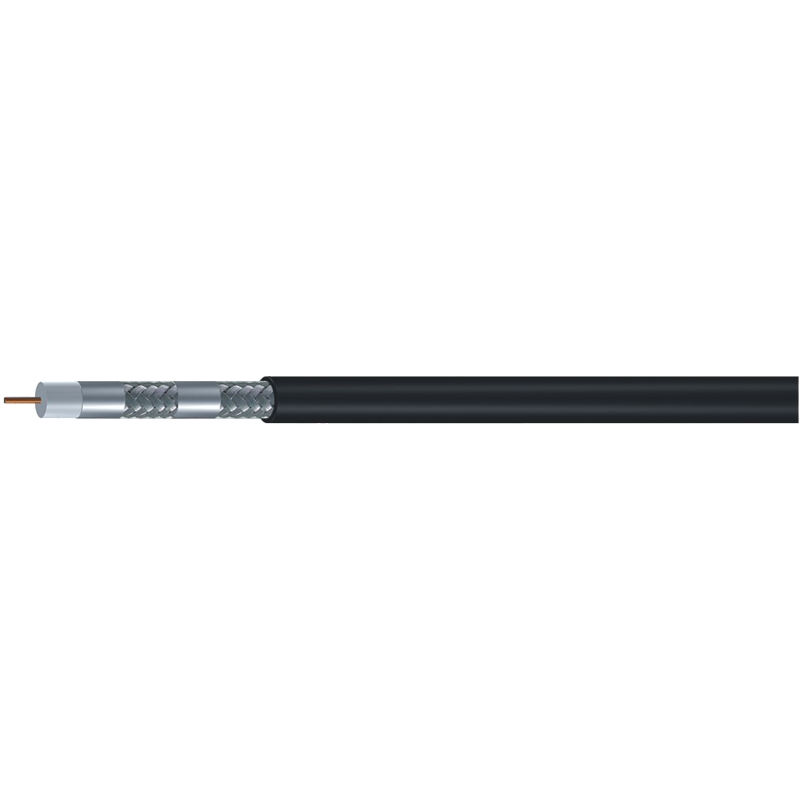
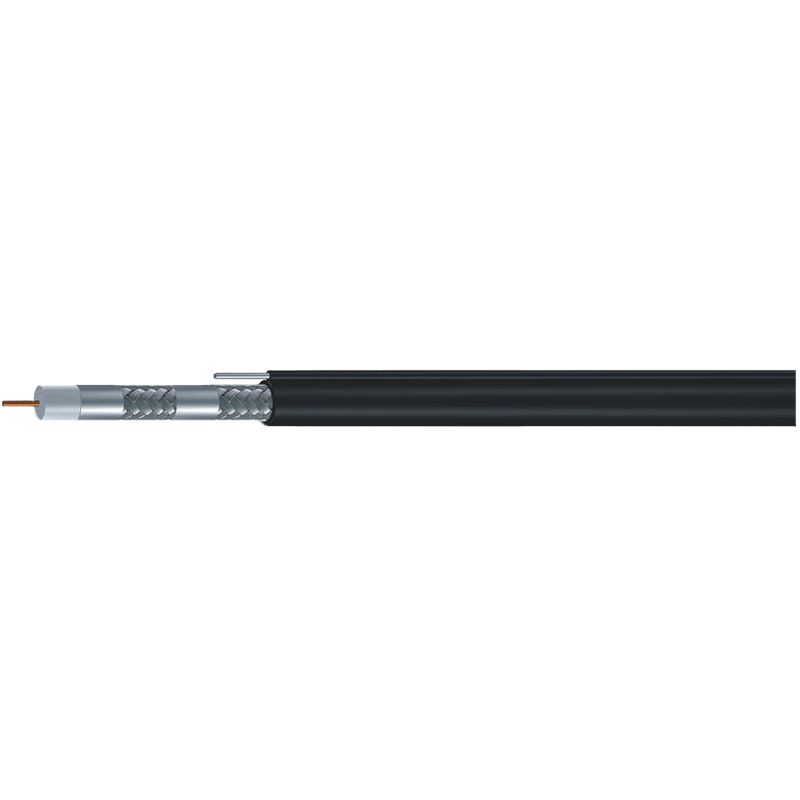
Quad-shield uses foil, braid, foil, and a second braid. It offers the highest shielding effectiveness and the lowest signal leakage of the three, which matters when the cable runs along a roofline, near electrical service, or close to FM broadcast towers and LTE base stations. The cable is stiffer and slightly more expensive, but for a rooftop antenna exposed to the outdoors it is the option that fails least often. A quad-shield RG6 coaxial cable is the recommended type for this kind of installation.
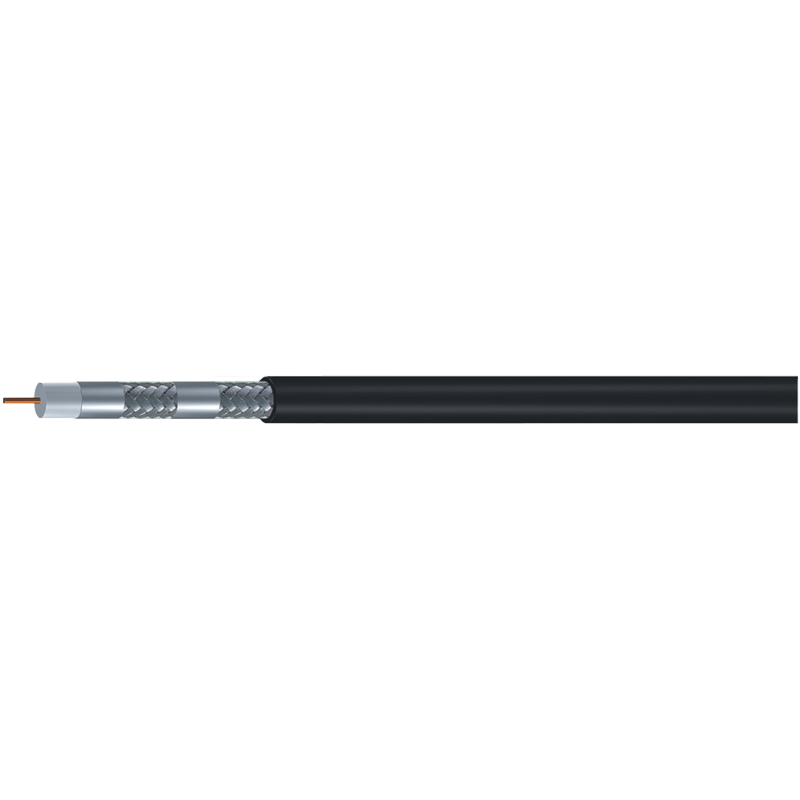 RG6 Quad-Shield 75 Ohm Coaxial Cable Manufacturers, OEM/ODM Factory - Zhejiang CZhejiang CommSpace Cable Co., Ltd is China Custom RG6 Quad-Shield 75 Ohm Coaxial Cable Manufacturers and OEM/ODM Factory, Physical Constr...View Product →
Attenuation, connectors, and what actually fails in the field
The shield type is only part of the decision. Attenuation, connectors, and jacket material decide how the cable performs after years of sun, rain, and temperature swings.
Read the attenuation numbers at UHF frequencies
Manufacturers publish attenuation in dB per 100 meters at specified frequencies. For TV antenna use, look at the values at 100 MHz, 500 MHz, and 1000 MHz. A cable with lower attenuation at high frequencies will deliver a stronger signal to a UHF antenna. Differences of 1 to 2 dB per 30 meters between a premium cable and a budget cable are exactly the margin separating a stable picture from intermittent dropouts in fringe areas.
Connectors and weather sealing
Compression connectors are the standard choice for RG6 because they create a gas-tight joint between the cable and the F-type connector. Crimp connectors can loosen as the cable expands and contracts with temperature, and a loose connection lets moisture enter the braid. On an outdoor antenna, corrosion in the connector raises signal loss far more than any cable specification. Use weather boots on outdoor connections and never leave a connector exposed to rain.
Jacket material and messenger versions
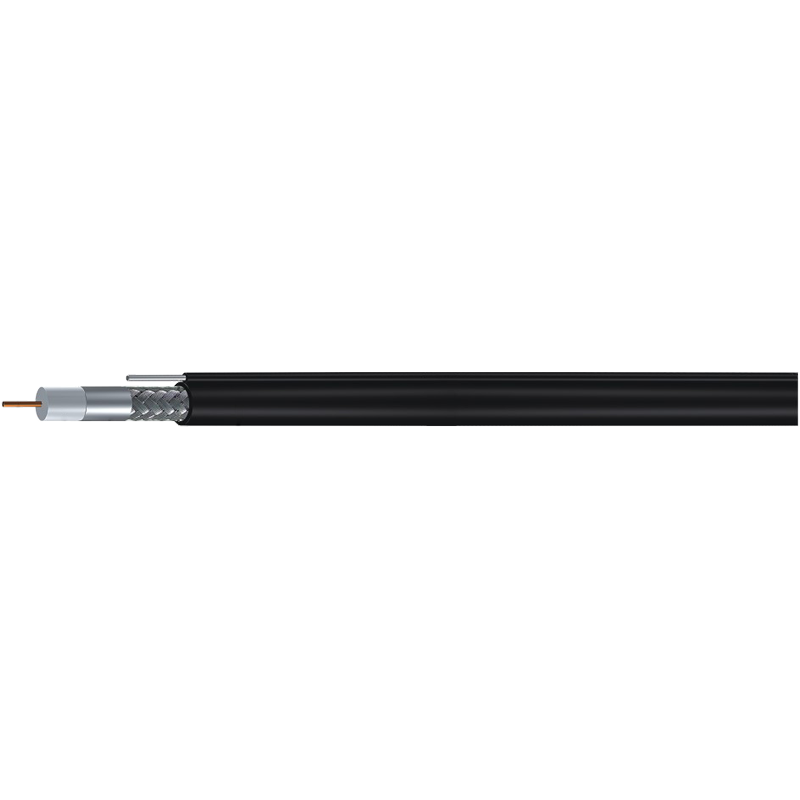
For an exposed rooftop run, the jacket must resist ultraviolet light and limit water absorption. PE jackets with UV stabilizers are the correct choice for outdoor use; PVC jackets are fine indoors but soften and degrade in direct sunlight. When a cable must span an open gap between a mast and the house, a version with a messenger wire supports its own weight and prevents strain on the connectors. This detail is often overlooked until a storm pulls the cable tight and tears the connector off the back of the television.
What to verify before buying RG6 for a TV antenna
Four checks cover most procurement mistakes when buying RG6 for television antennas.
- Impedance rating: the cable must be marked 75 ohms. A 50-ohm cable will not perform correctly for TV reception.
- Certifications: UL, ETL, CE, CPR, RoHS, and REACH marks mean the cable has been tested against recognized standards, which also matters for insurance and inspection.
- Shield construction: choose standard, tri-shield, or quad-shield based on run length and the local interference environment.
- Attenuation figures: request the published dB per 100 meters at UHF frequencies and compare suppliers on that number, not on price alone.
The role of the dielectric material inside RG6 is often underestimated: it determines signal speed, attenuation, and the cable's flexibility. Likewise, the effect of the center conductor diameter on signal capacity explains why RG59 with its thinner conductor is not recommended for modern antenna runs.
Final takeaway
For a TV antenna, start with a 75-ohm RG6 cable, choose tri-shield or quad-shield when the run is long or exposed to interference, use compression connectors with weather protection, and compare attenuation figures at UHF frequencies before you buy. The cable is the least expensive part of an antenna installation, yet it is the component most likely to cause a costly rework if it is chosen poorly.
For buyers who procure RG6 in volume, batch traceability, international certifications, and documented test reports matter as much as the price per kilometer. A manufacturer that can provide complete specifications and quality records turns a commodity purchase into a predictable one.