Industrial Networking / Cabling Infrastructure
Coaxial Cable Versus Shielded Twisted Pair
A closer look at how each cabling technology performs when distance, interference, and bandwidth all compete for priority on the factory floor.
The Direct Answer
In industrial data transmission, coaxial cable is generally the better choice when a signal must travel long distances through environments filled with electromagnetic interference (EMI), such as factory floors with heavy machinery, welding equipment, or variable-frequency drives. Shielded twisted pair (STP) cable, by contrast, is typically favored for shorter structured cabling runs where flexibility, lower cost, and integration with standard Ethernet equipment matter more than raw distance or shielding strength. Neither cable type is universally superior — the right choice depends on distance, interference levels, required data rate, and the connected equipment's native interface.
What Is a Coaxial Cable?
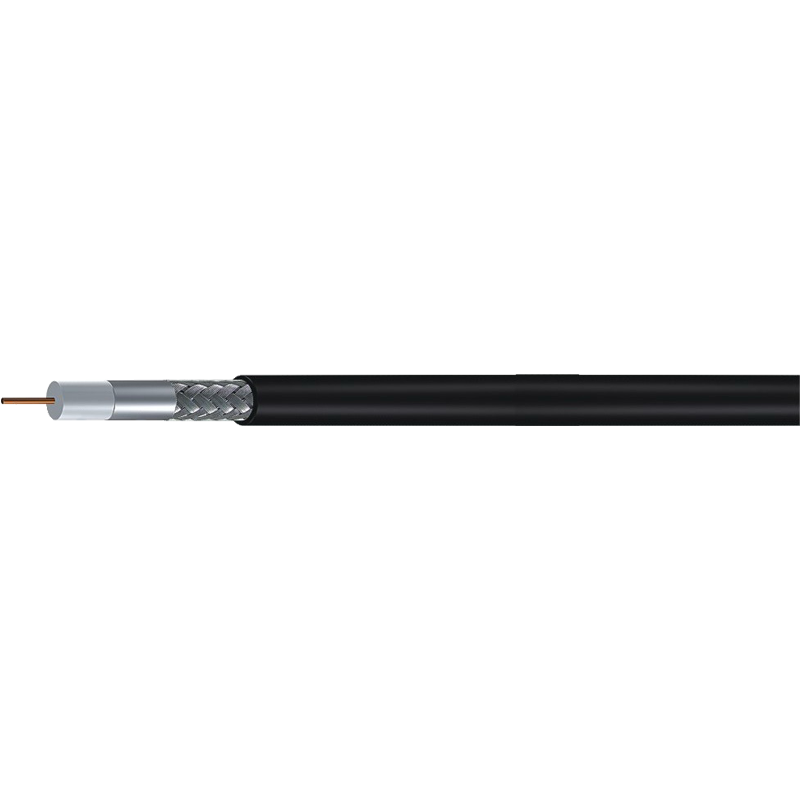
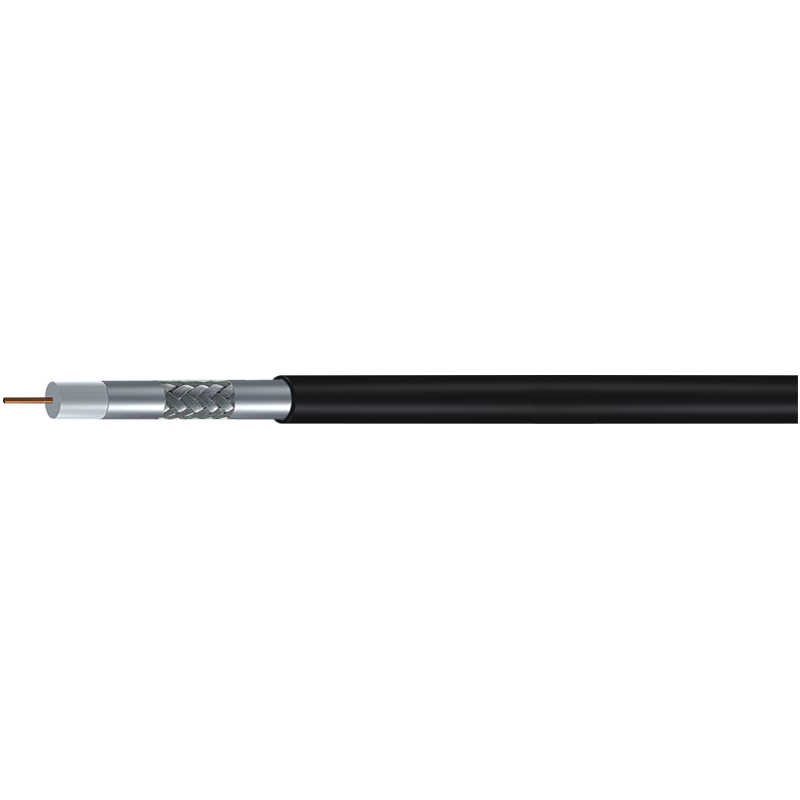
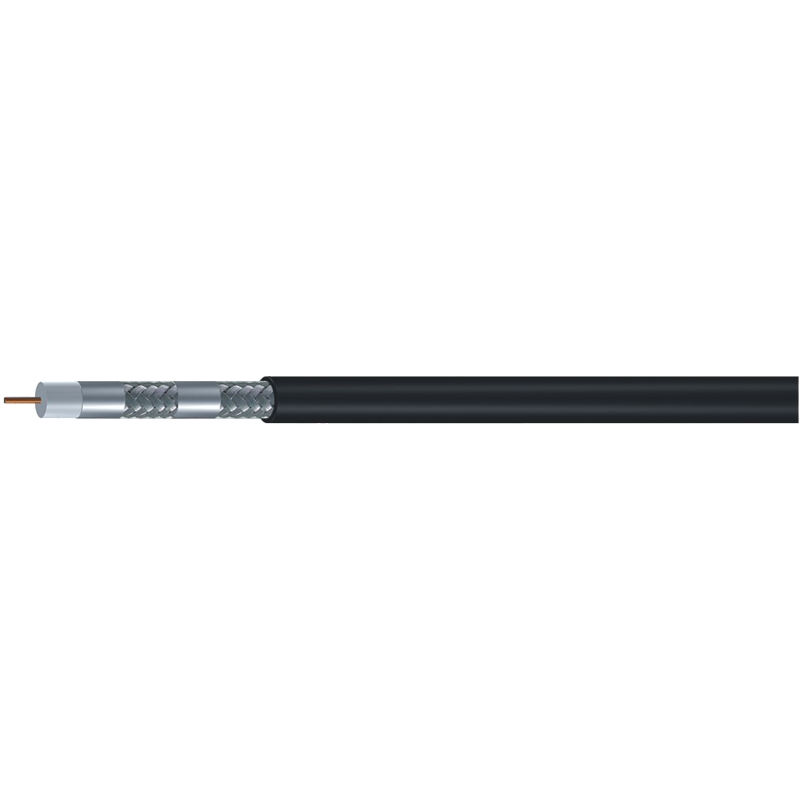
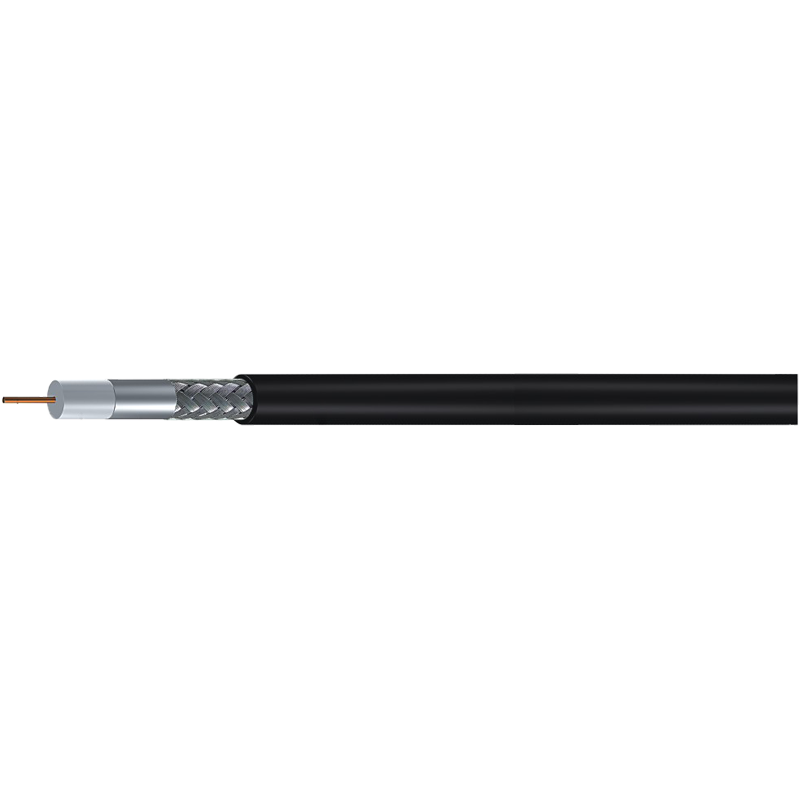
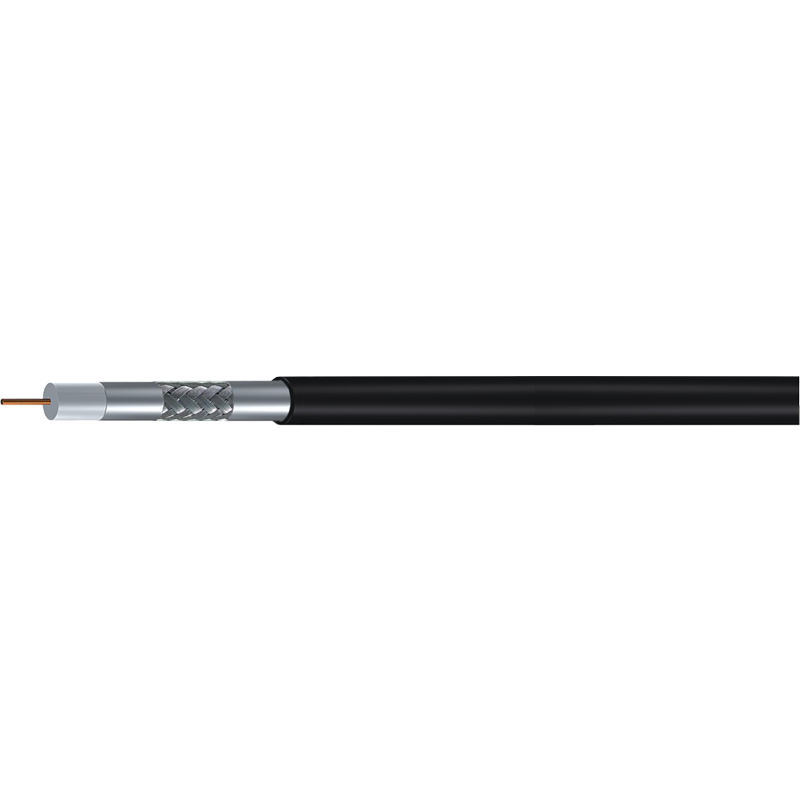
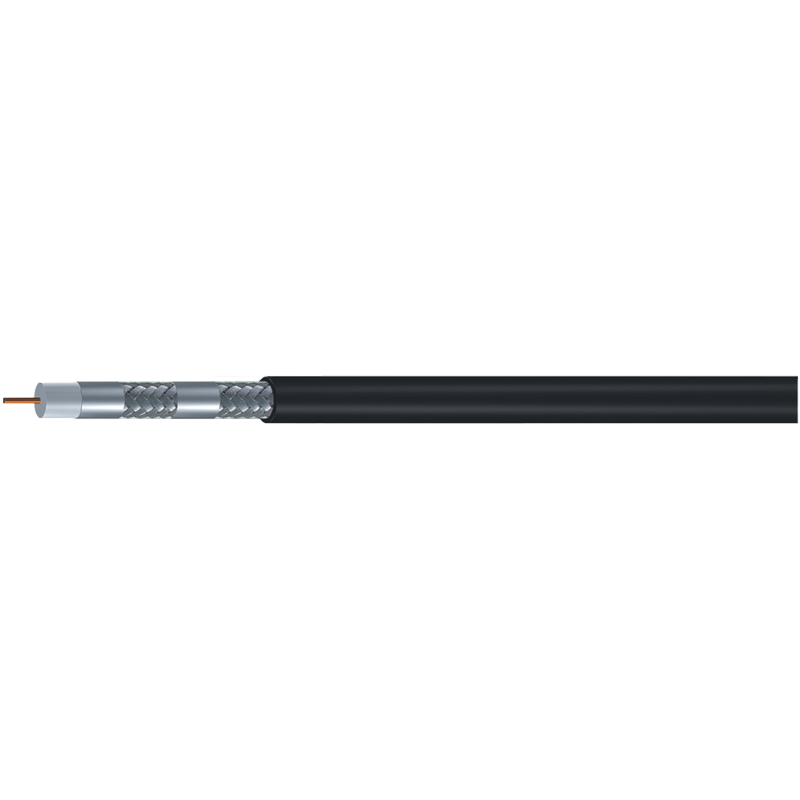
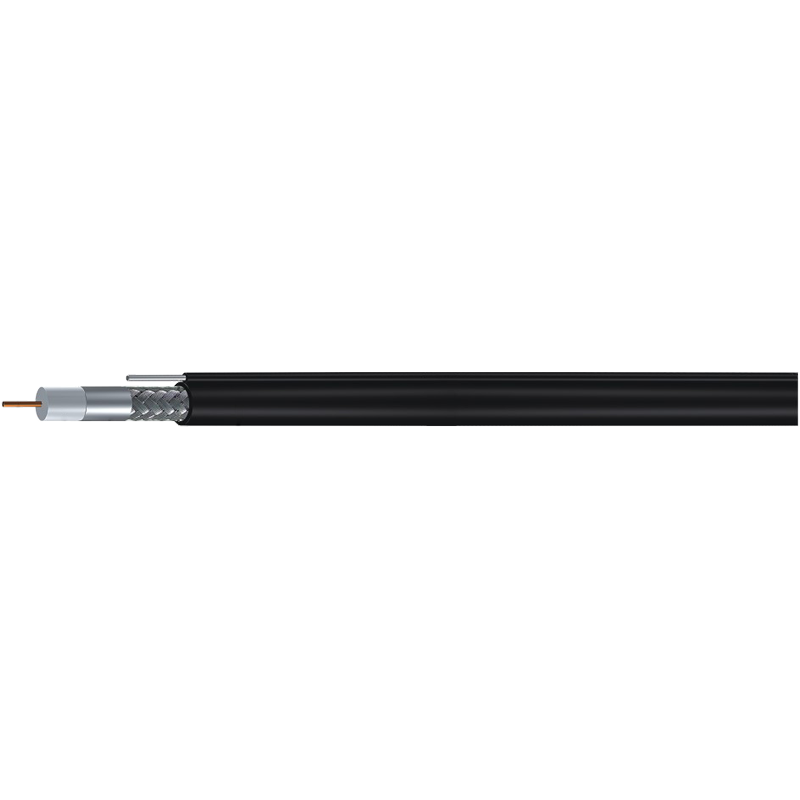
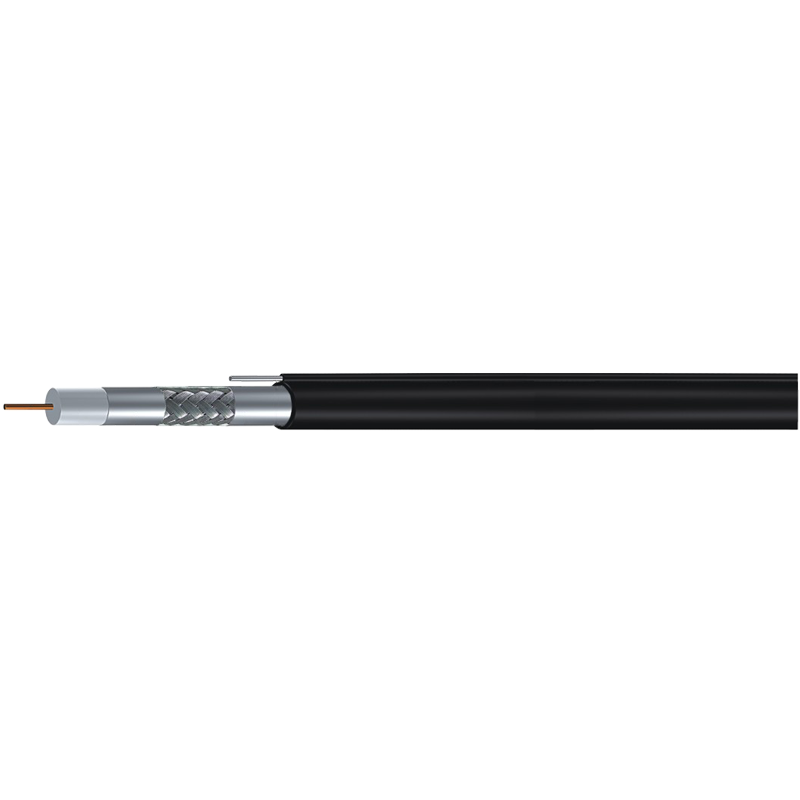
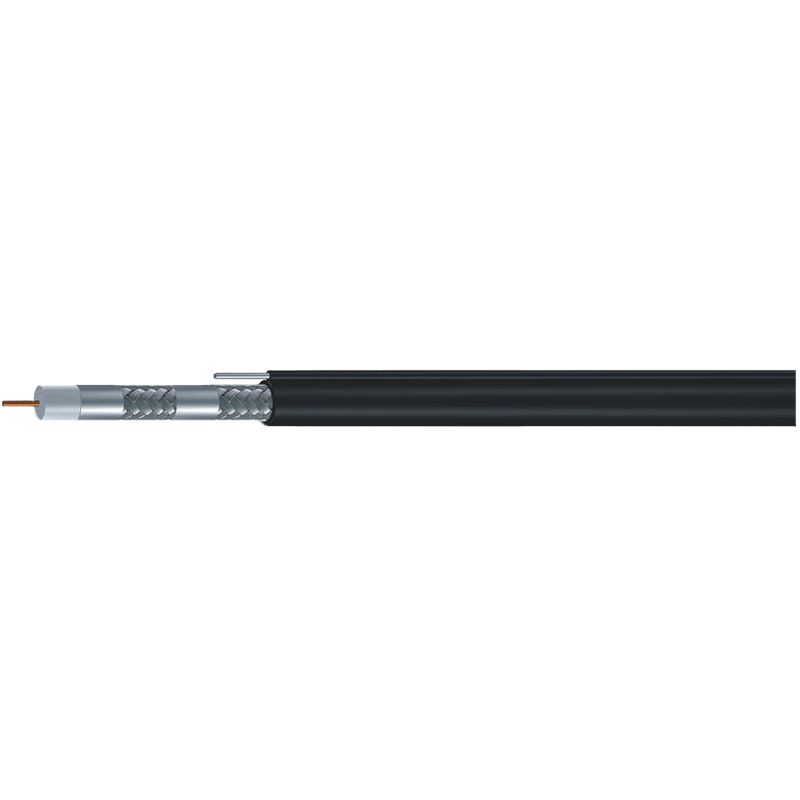
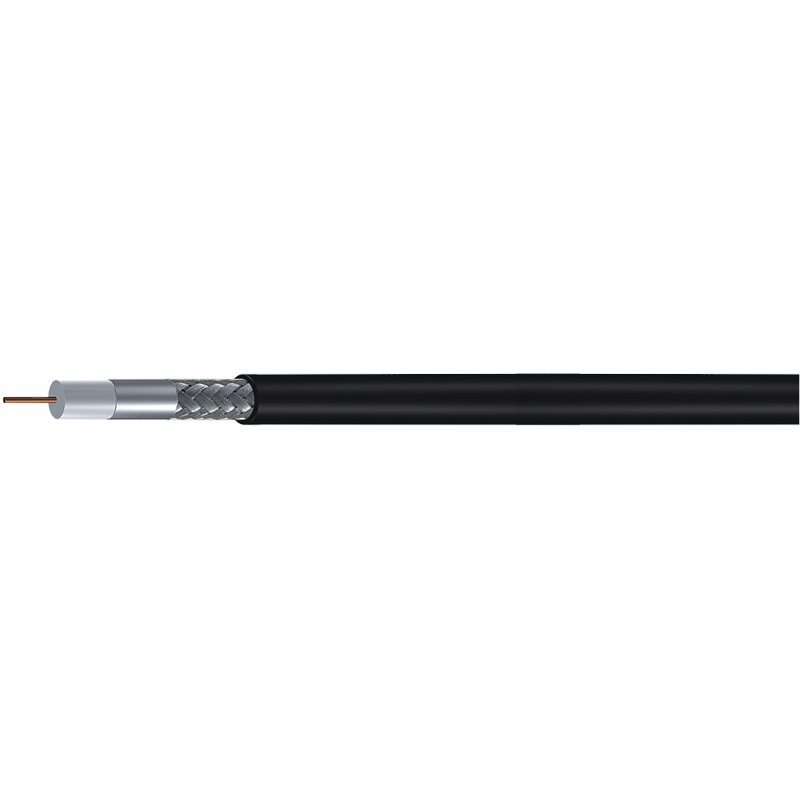
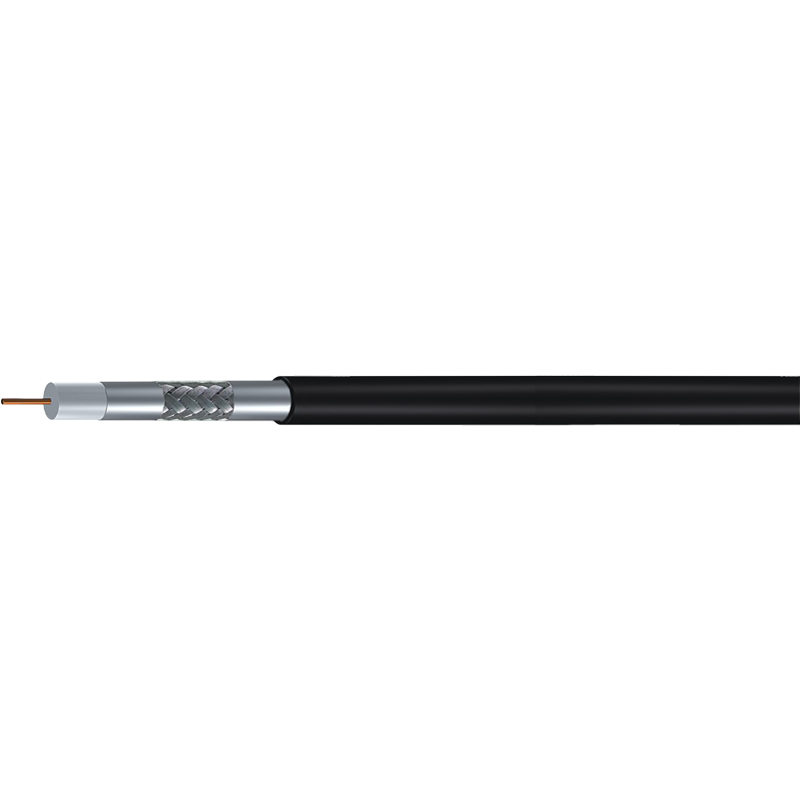
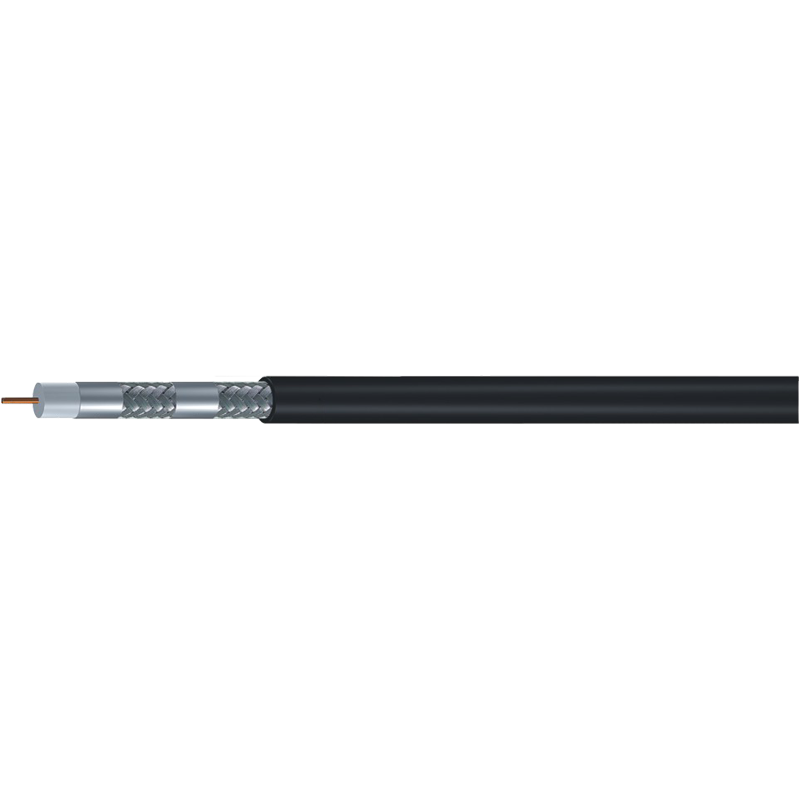
Before comparing the two cable types, it helps to answer the basic question: what is a coaxial cable? A coaxial cable is a shielded transmission line consisting of four concentric layers: a central copper or copper-clad conductor, a dielectric insulator, a braided or foil metallic shield, and an outer protective jacket. This concentric ("coaxial") design means the shield fully surrounds the inner conductor along its entire length, which gives the cable strong resistance to external electromagnetic noise and minimizes signal leakage.
coaxial cable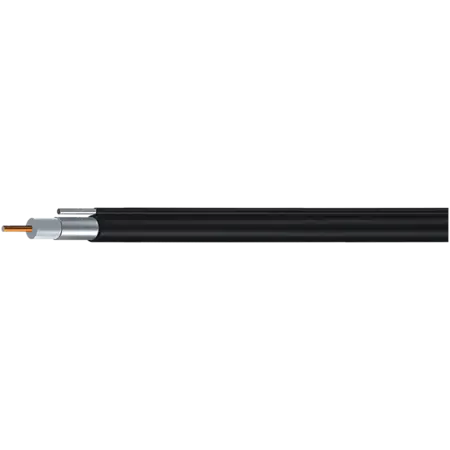
Because the shield and conductor share the same central axis, the electromagnetic fields generated by the signal are largely contained within the cable itself. This structural property is what makes coaxial cable so effective in applications ranging from broadcast television to industrial sensor networks. Many people are already familiar with coaxial cable for TV antenna connections, where it reliably carries broadcast signals from a rooftop antenna into a home without significant degradation — a domestic example of the same shielding principle that industrial engineers rely on at a larger scale.
What Are Coaxial Cables Used for in Industrial Settings?
So what are coaxial cables actually doing on a factory floor? In industrial environments, coaxial cable is commonly used for:
- Closed-circuit television (CCTV) and machine-vision camera feeds
- RF-based sensor and antenna connections for wireless monitoring systems
- SCADA and process control signal backbones in electrically noisy plants
- Broadband distribution for plant-wide video and data networks
- Long-haul analog instrumentation links between control rooms and remote equipment
These use cases share a common thread: signals that must travel farther than a typical Ethernet run, or that pass near heavy electrical equipment where interference would otherwise corrupt data. Coaxial cable's continuous shield handles this far more consistently than the twisted-pair geometry used in standard networking cable.
Shielded Twisted Pair: The Alternative for Structured Networking
Shielded twisted pair cable, commonly seen in categories like Cat6a and Cat7, uses two insulated conductors twisted together, with an additional foil or braided shield wrapped around each pair or the cable as a whole. The twisting cancels out much of the electromagnetic interference through a principle called differential signaling, while the shield adds a further layer of noise rejection.
STP is the dominant choice for structured industrial Ethernet networks because it plugs directly into standard networking hardware — switches, industrial PLCs, and PoE-enabled devices — without the need for baluns or signal converters.
It is also generally more flexible and easier to route through cable trays and conduit bends than thicker coaxial cable, which matters in tightly packed control cabinets.
Coaxial Cable Speeds vs. Shielded Twisted Pair Speeds
One of the most practical questions engineers ask is how fast each cable type can actually move data. Coaxial cable speeds vary significantly by cable grade and application: RG-6 coaxial cable used in broadband and CCTV applications typically supports data rates up to around 1 Gbps over shorter distances, while specialized RF coaxial cable used in high-frequency instrumentation can carry signals well into the gigahertz range, though that is a measure of frequency rather than data throughput in the networking sense.
By comparison, Cat6a shielded twisted pair is standardized to deliver 10 Gbps up to 100 meters, and newer Cat8 STP cable can reach 25–40 Gbps over shorter 30-meter runs, making it the clear winner for high-throughput structured networking within a single building or control room. The table below summarizes typical performance figures for each cable type in industrial contexts.
| Attribute | Coaxial Cable | Shielded Twisted Pair |
|---|---|---|
| Typical data rate | Up to 1 Gbps (RG-6 class) | Up to 10–40 Gbps (Cat6a–Cat8) |
| EMI resistance | Very high | Moderate to high |
| Maximum practical run length | Up to 500 meters (baseband) | 100 meters (standard Ethernet limit) |
| Installation flexibility | Lower (thicker, stiffer) | Higher (thinner, more bend-friendly) |
| Native equipment compatibility | Requires baluns for Ethernet gear | Direct compatibility with switches/PLCs |
Max Length Coaxial Cable Can Run Without Signal Loss
Distance is where coaxial cable often pulls ahead of shielded twisted pair. The max length coaxial cable can typically run without significant attenuation depends on the signal type and cable grade. For baseband video or low-frequency instrumentation signals, RG-11 coaxial cable can reliably carry a usable signal up to roughly 300–500 meters, while RG-6 is generally rated for shorter runs of around 150–230 meters before amplification becomes necessary. This is considerably farther than the strict 100-meter limit imposed on standard Ethernet-class twisted pair cabling, which loses signal integrity for high-speed data beyond that distance without repeaters or fiber conversion.
Why Coaxial Cable Handles Distance Better
The continuous outer shield in coaxial cable limits signal radiation and outside interference more consistently over long spans than the twisted-pair method, which relies on balanced signaling that can degrade as cable length increases. For plants where control rooms sit hundreds of meters from remote sensors or camera enclosures, this distance advantage is often the deciding factor.
Info
As a general rule, any run beyond 100 meters carrying high-interference or long-distance video signal is a strong candidate for coaxial cable rather than STP.
Choosing the Highest Quality Coaxial Cable for Industrial Use
Not all coaxial cable is built to the same standard, and industrial buyers should evaluate a few key specifications before purchasing. The highest quality coaxial cable for demanding environments typically features:
- A solid copper or copper-clad steel center conductor for consistent conductivity
- A dense braided shield (95% coverage or higher) combined with a foil layer for dual shielding
- A low-loss dielectric such as gas-injected foam polyethylene
- A rugged, UV- and chemical-resistant outer jacket rated for the installation environment
- Consistent impedance rating (commonly 50 ohms for data/RF or 75 ohms for video)
Warning
Cutting corners on shield density or conductor purity often shows up later as intermittent data errors that are difficult to diagnose — especially near motors, transformers, or high-voltage switching equipment.
When to Choose Coaxial Cable Over Shielded Twisted Pair
In practice, plant engineers tend to favor coaxial cable when any of the following apply:
- The run exceeds 100 meters and repeaters or fiber conversion are undesirable
- The environment has severe EMI from motors, drives, or welding equipment
- The application is analog video, RF, or legacy instrumentation rather than packet-based Ethernet
- Long-term signal stability matters more than installation flexibility
Success
Shielded twisted pair remains the better fit for structured industrial Ethernet backbones, PLC networks, and any application requiring native compatibility with switches, routers, or Power over Ethernet devices, especially where run lengths stay comfortably under 100 meters.
Danger
Running STP well beyond its 100-meter rated distance in a high-interference environment risks silent data corruption rather than a clean failure — the connection may appear active while dropping packets.
Practical Takeaways
Coaxial cable and shielded twisted pair are not competing replacements for one another so much as tools suited to different jobs. Just as coaxial cable for TV antenna setups proves the technology's reliability for consumer broadcast signals, industrial-grade coaxial cable extends that same shielding advantage to demanding factory environments where distance and interference resistance outweigh raw bandwidth. Shielded twisted pair, meanwhile, remains the practical backbone of modern structured Ethernet networks, offering higher throughput and easier integration within standard-length runs.
The most effective industrial networks often use both: coaxial cable for long-distance or high-interference video and RF links, and shielded twisted pair for shorter, high-speed data connections between networked equipment. Matching the cable type to the specific distance, interference profile, and bandwidth requirement of each segment is the surest way to build a reliable industrial data infrastructure.