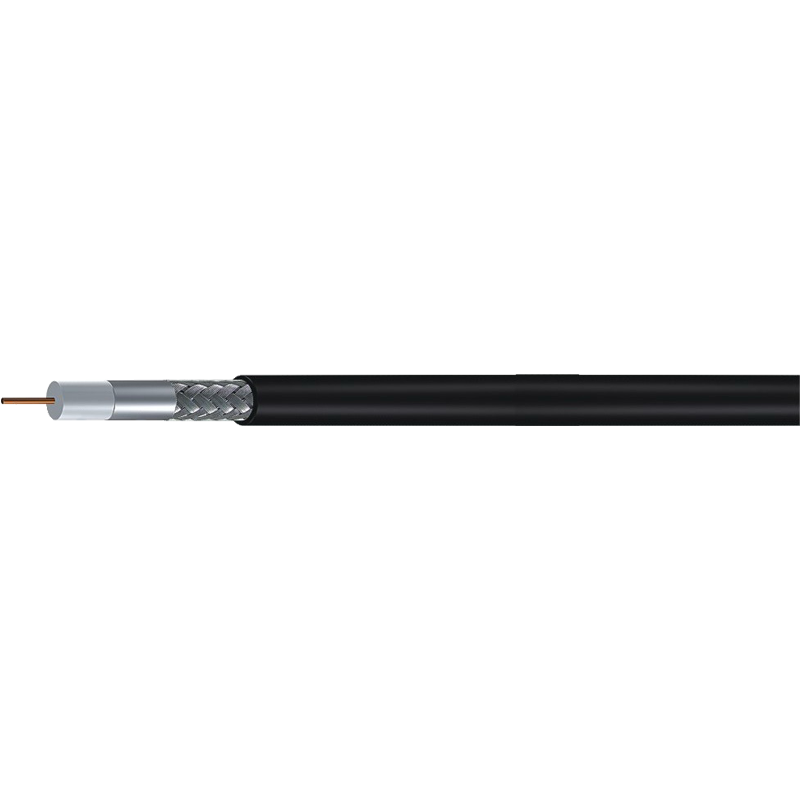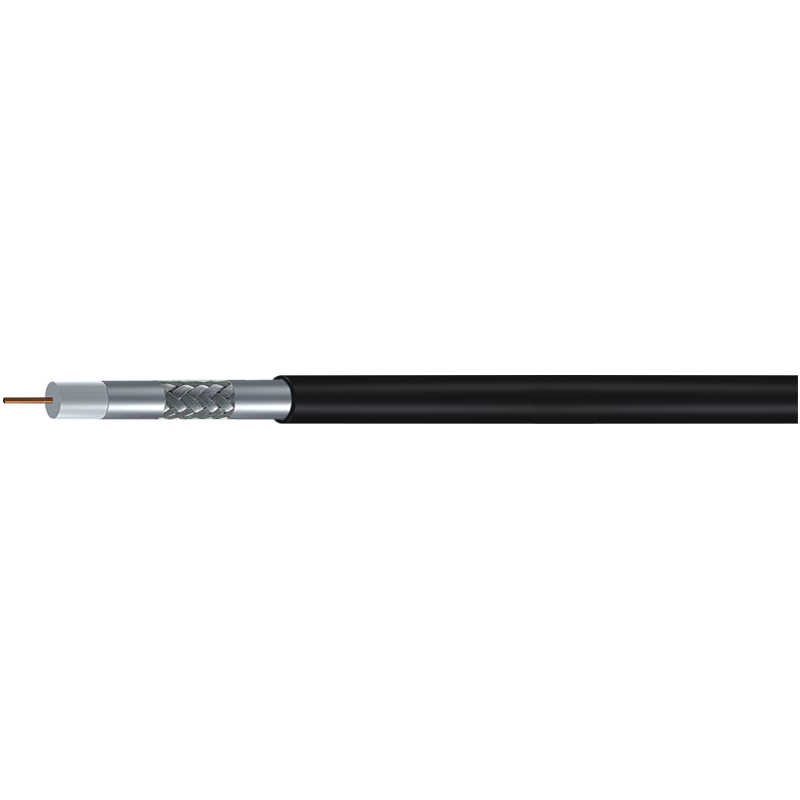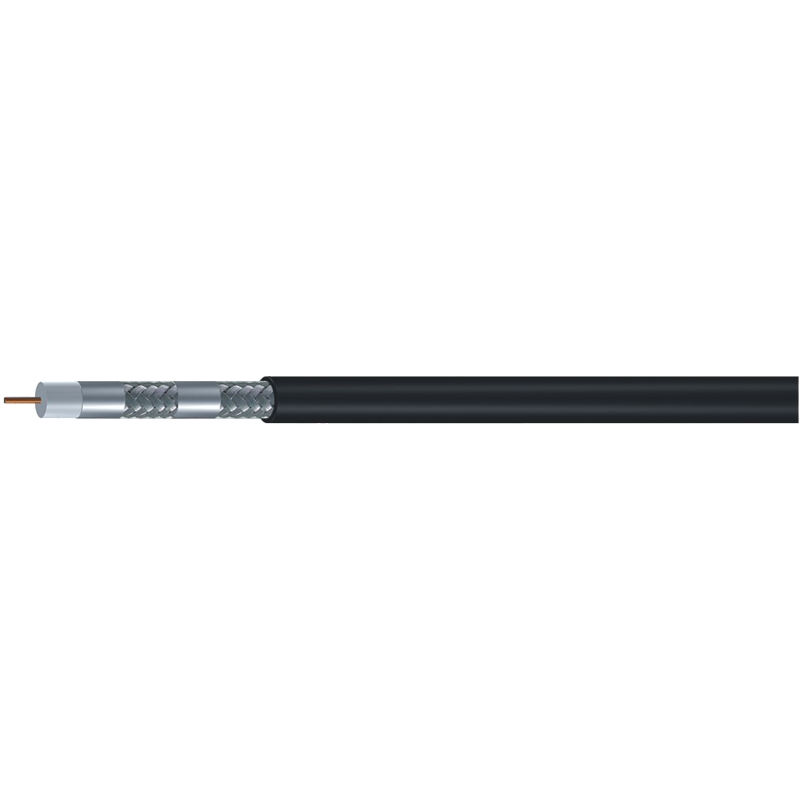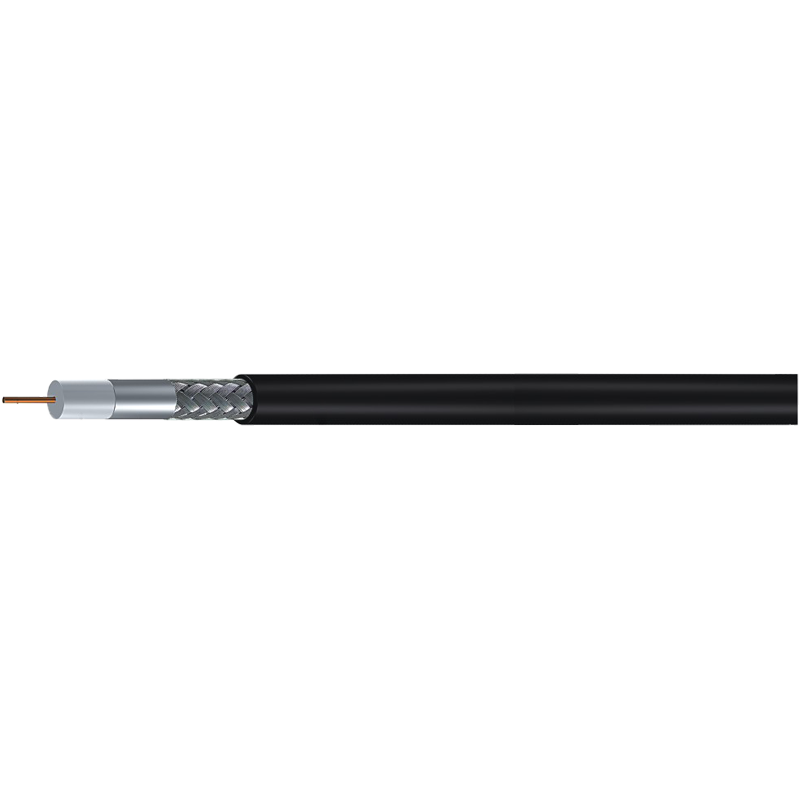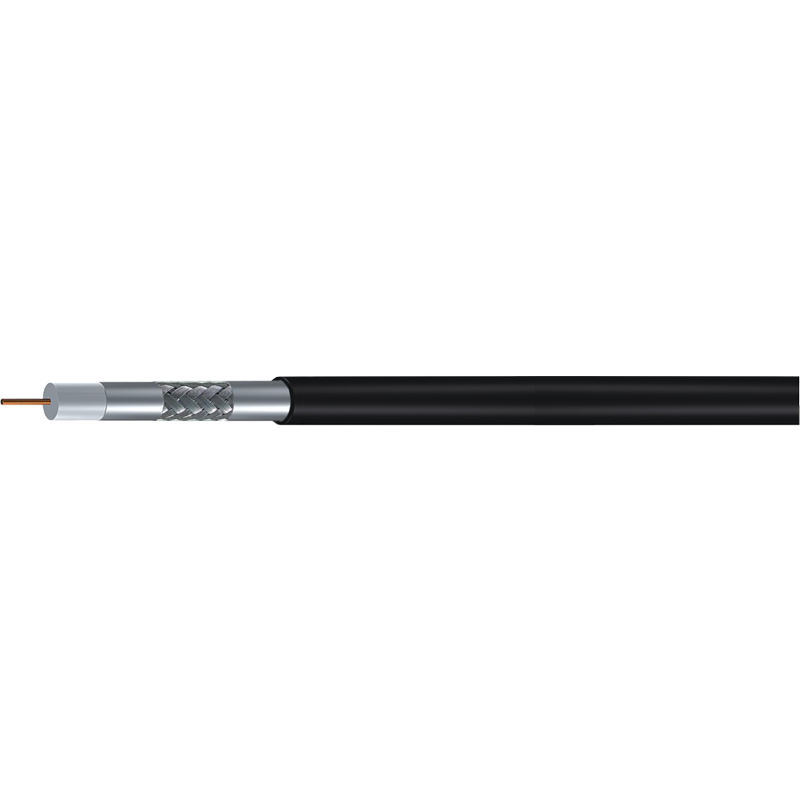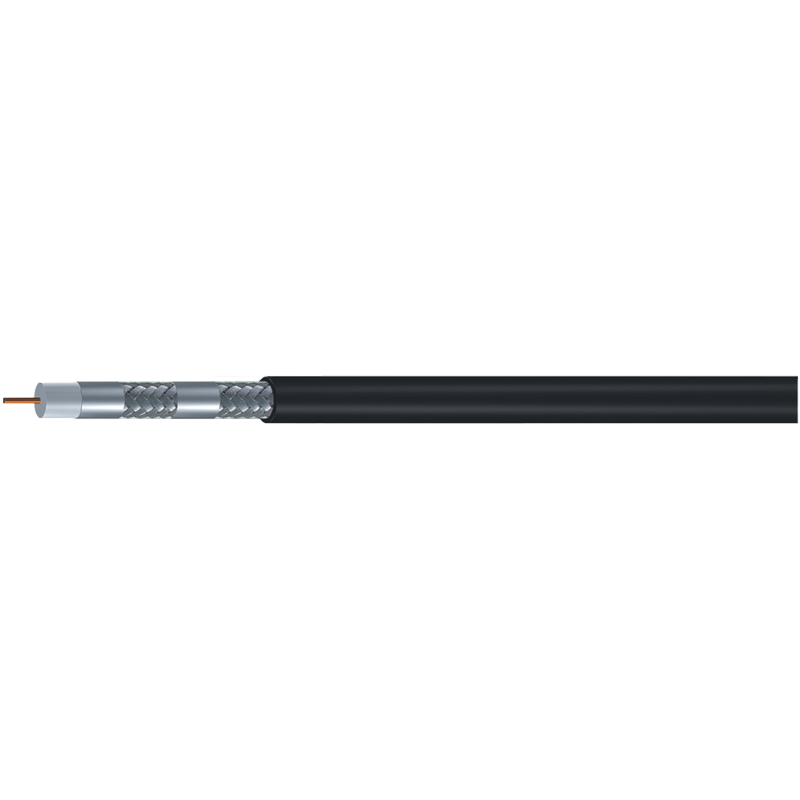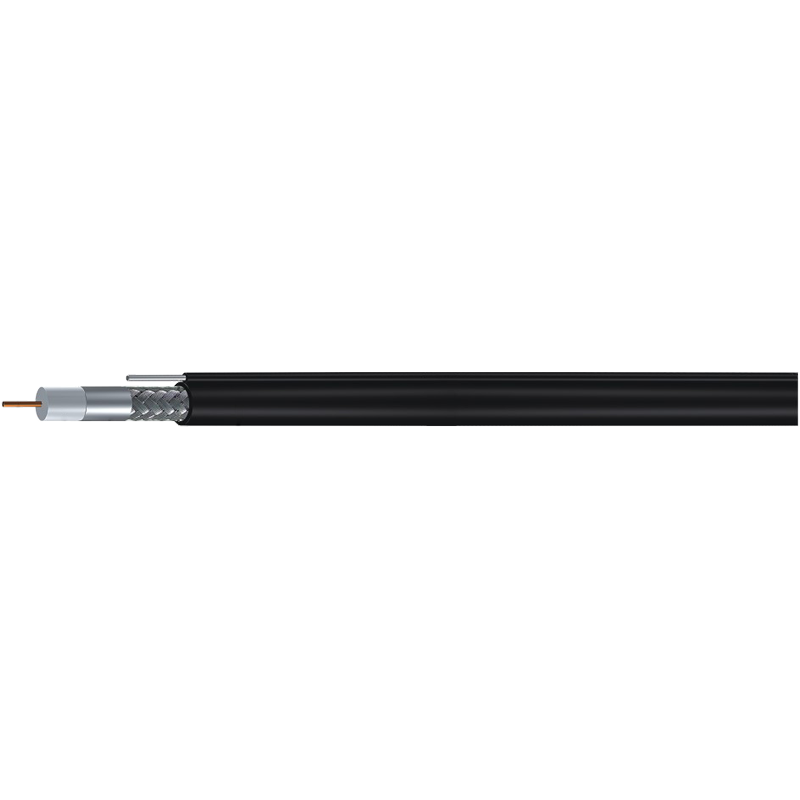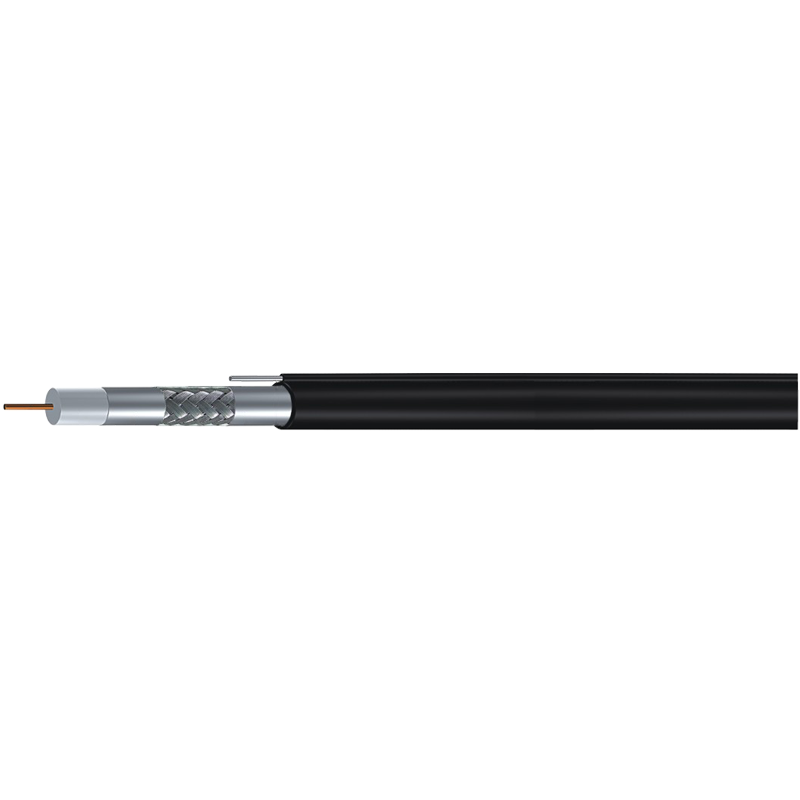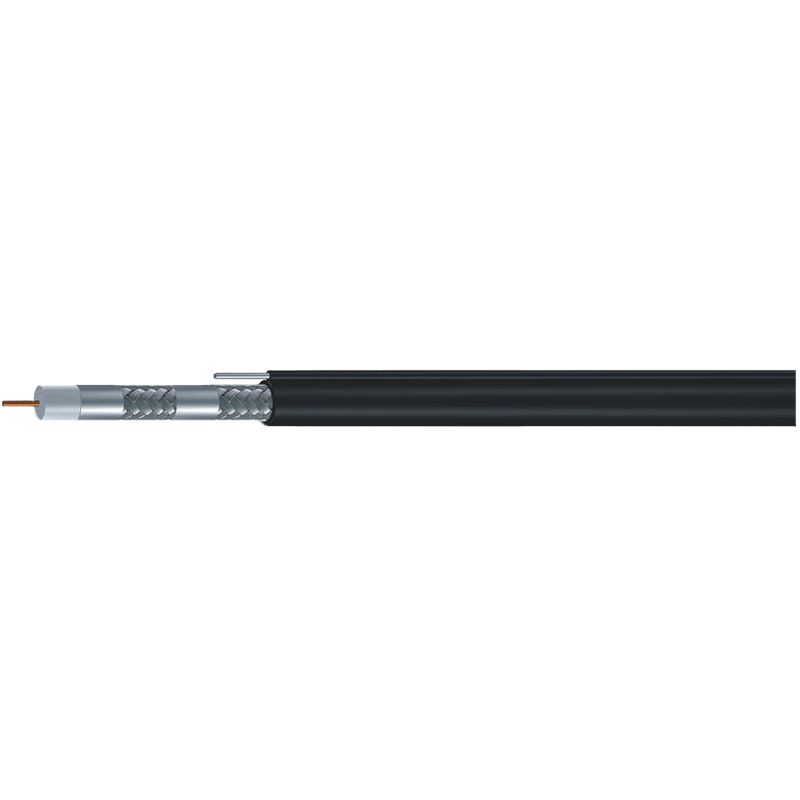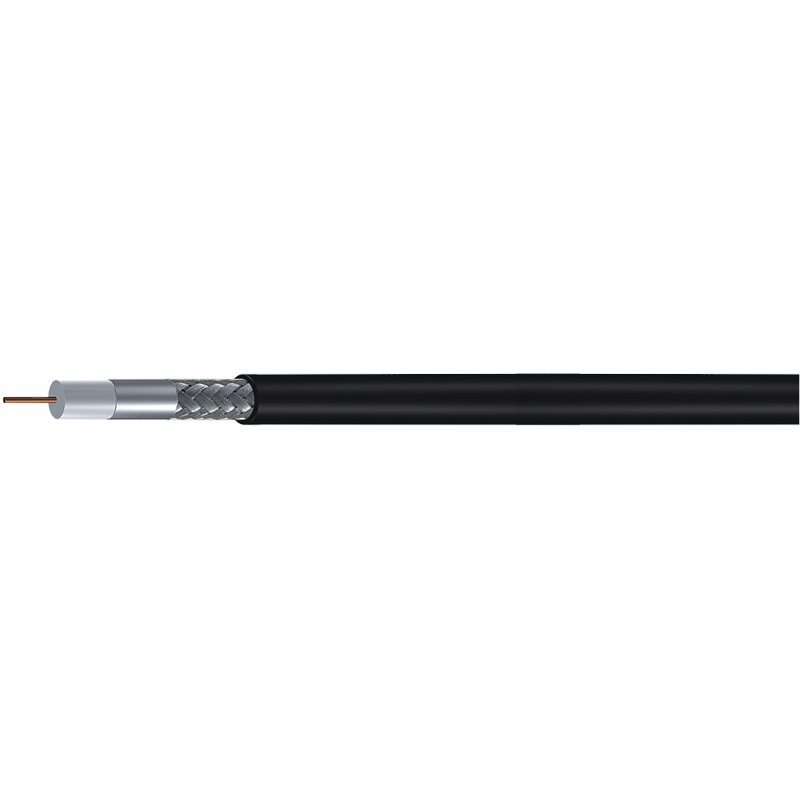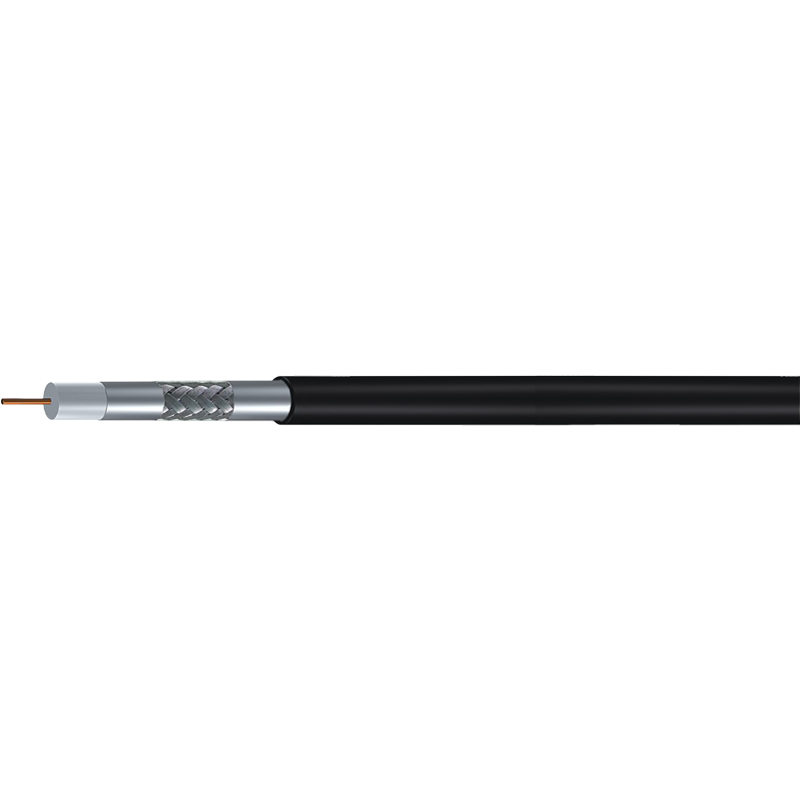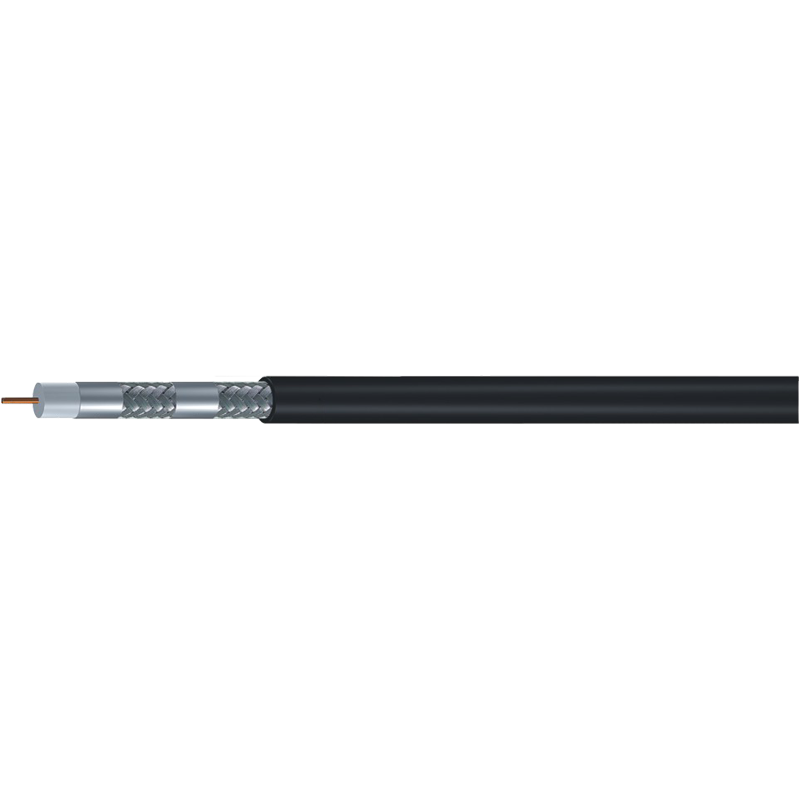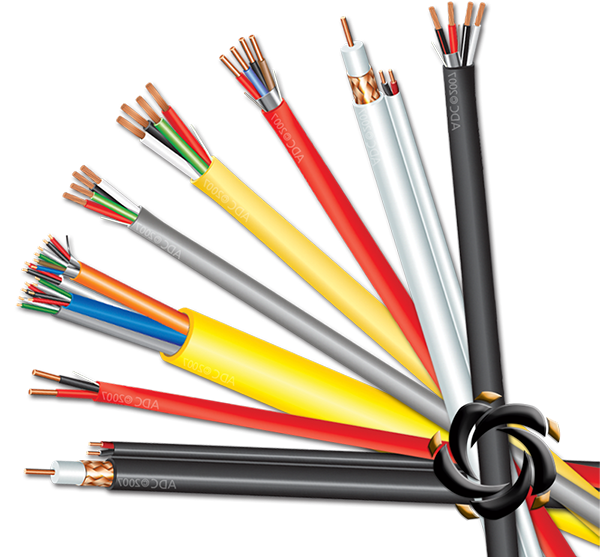
For most high-frequency applications, Semi-Rigid Coaxial Cable generally outperforms standard 50 Ohm Coaxial Cable due to its superior shielding, lower loss, and consistent impedance stability. 50 Ohm Coaxial Cable remains a versatile and easier-to-install solution for general RF systems and short-distance transmissions. Choosing the right cable depends on your frequency range, installation environment, and performance requirements.
High-Frequency Performance Comparison
When evaluating high-frequency performance, attenuation and signal integrity are critical. Semi-Rigid Coaxial Cable maintains a very low insertion loss at frequencies above 6 GHz, making it ideal for applications such as RF test equipment, antennas, and high-speed communication links. Standard 50 Ohm Coaxial Cable, while effective for frequencies up to 3 GHz, experiences higher signal loss over long runs.
| Cable Type | Frequency Range | Typical Attenuation (dB/m) | Flexibility |
|---|---|---|---|
| 50 Ohm Coaxial Cable | DC – 3 GHz | 0.3 – 0.5 | High |
| Semi-Rigid Coaxial Cable | DC – 18 GHz+ | 0.05 – 0.15 | Low |
Signal Integrity and Shielding
High-frequency signals are highly sensitive to external interference and impedance mismatches. Semi-Rigid Coaxial Cable provides a fully bonded outer conductor, which ensures excellent shielding and minimal radiation loss. In contrast, standard 50 Ohm Coaxial Cable, while sufficient for general RF use, may exhibit slight signal leakage in noisy environments. For applications requiring precision, such as lab measurements or high-speed data transmission, semi-rigid cables reduce noise and maintain consistent signal quality.
Mechanical Flexibility and Installation
50 Ohm Coaxial Cable is highly flexible and easy to route, making it ideal for installations where frequent repositioning or bending is required. Semi-Rigid Coaxial Cable, on the other hand, is less flexible due to its solid outer conductor. This rigidity ensures stable impedance but requires careful planning during installation. For permanent, high-performance setups, semi-rigid cables offer reliability, while 50 Ohm Coaxial Cable suits environments with tight bends or temporary setups.
Applications in RF and Broadcast Systems
In practical use, semi-rigid cables are preferred for high-frequency antennas, microwave communication links, and test equipment where signal precision is critical. Conversely, 50 Ohm Coaxial Cable is widely used for TV installations, such as tv coaxial cable and coaxial cables for tv in homes and commercial setups, as it provides sufficient performance for frequencies up to 3 GHz with easy handling. The choice depends on whether the priority is signal integrity or ease of installation.
Cost Considerations
Semi-Rigid Coaxial Cable is typically more expensive than 50 Ohm Coaxial Cable due to its precise manufacturing and specialized materials. While it delivers better performance, the higher cost may not justify its use for low-frequency or short-distance applications, such as standard TV setups using tv coaxial cable. For projects requiring many meters of cable with moderate frequencies, 50 Ohm Coaxial Cable provides a cost-effective solution without sacrificing necessary performance.
Thermal and Environmental Resistance
Semi-Rigid Coaxial Cable can tolerate higher temperatures and harsher environmental conditions due to its solid construction. Standard 50 Ohm Coaxial Cable may degrade faster in extreme temperatures or under UV exposure. For outdoor antenna installations or industrial RF systems, semi-rigid cables maintain performance over time, whereas 50 Ohm Coaxial Cable is more suitable for indoor or sheltered use.
If your project demands high-frequency performance, minimal signal loss, and excellent shielding, Semi-Rigid Coaxial Cable is the superior choice. If flexibility, ease of installation, and cost-effectiveness are more important, especially for tv coaxial cable or coaxial cables for tv applications, 50 Ohm Coaxial Cable remains a practical solution. Understanding the frequency, distance, and environmental conditions will guide the optimal choice.