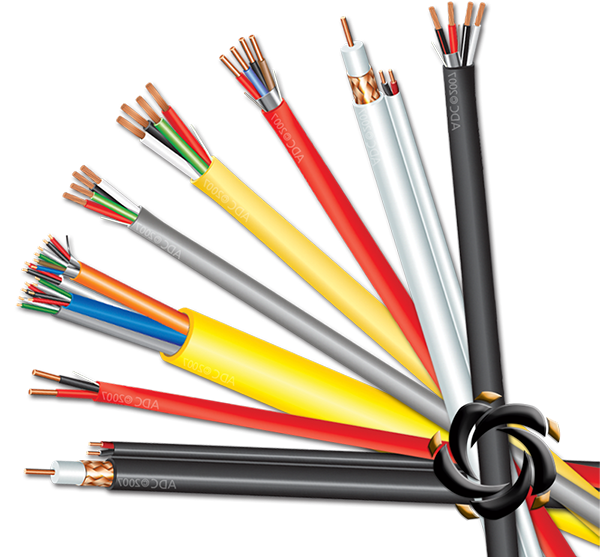
When choosing a cable for antenna connections, the physical appearance and internal construction tell you almost everything you need to know about performance. A coaxial cable looks like a thick, round, single-conductor cable with a solid outer jacket, while a twin-lead or balanced line cable appears flat, ribbon-like, and carries two parallel conductors side by side. These are fundamentally different designs — not just visually, but in how they handle signal transmission, noise rejection, and installation environments. Understanding these differences helps you make the right choice for your antenna setup.
What a Coaxial Cable Looks Like
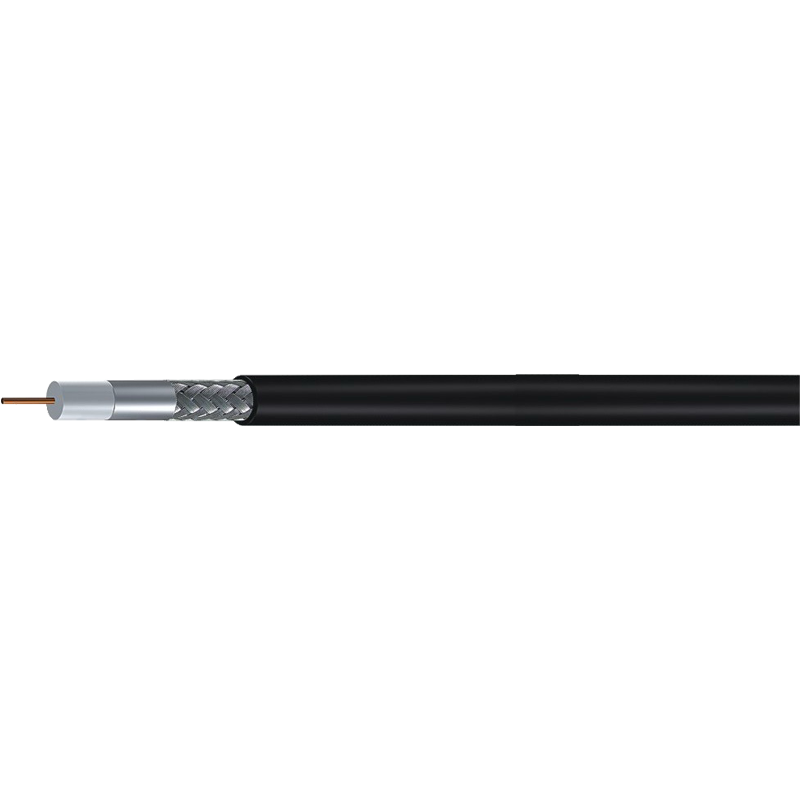
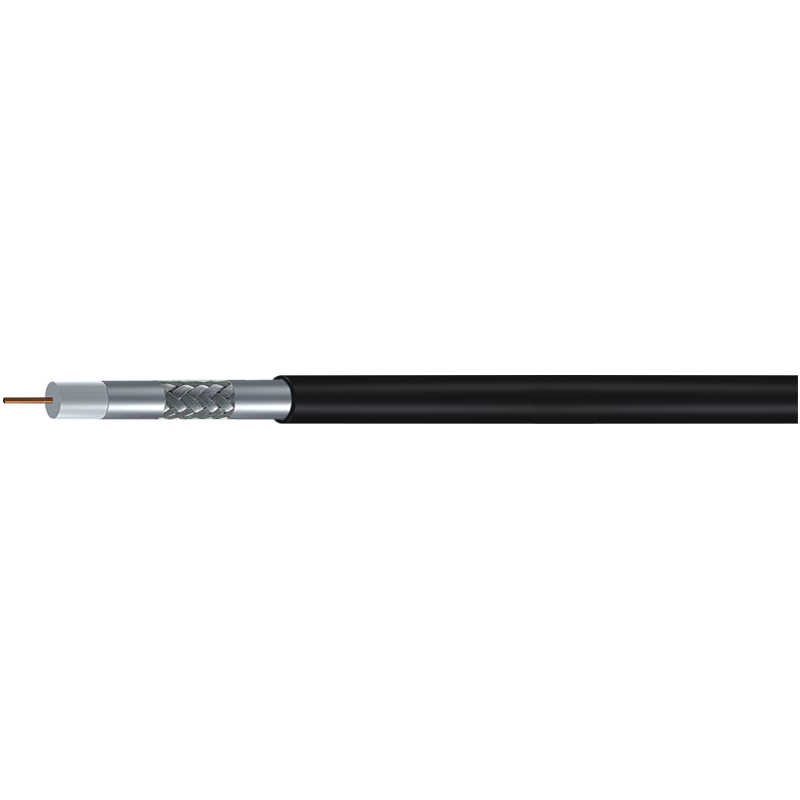
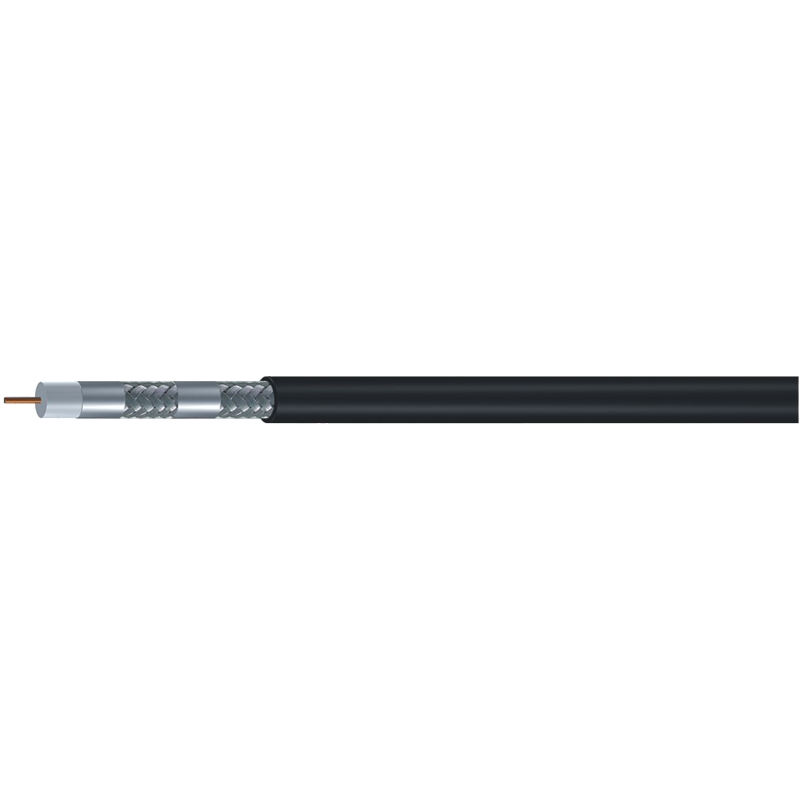
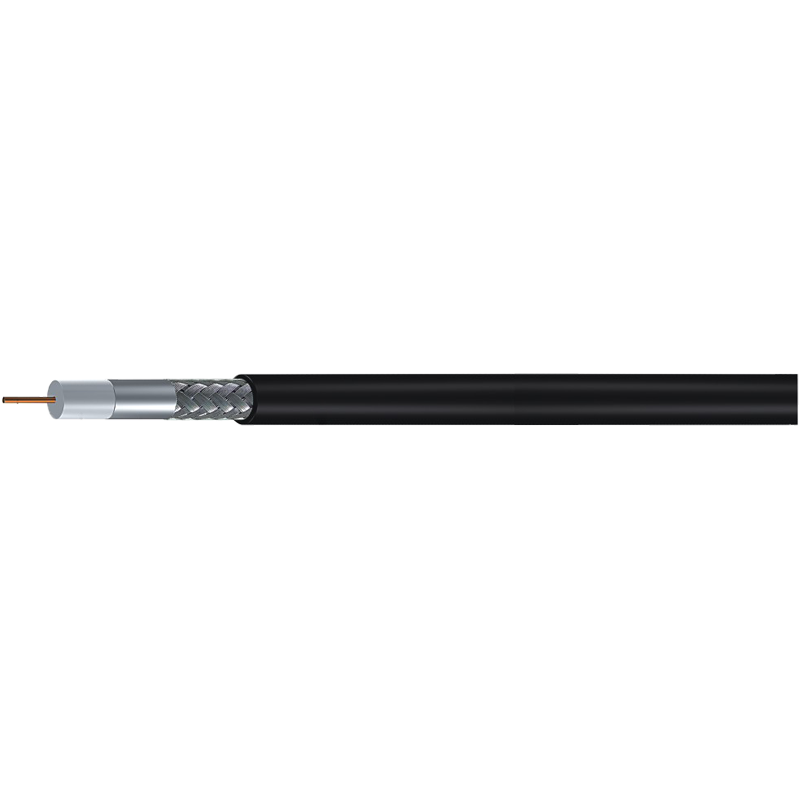
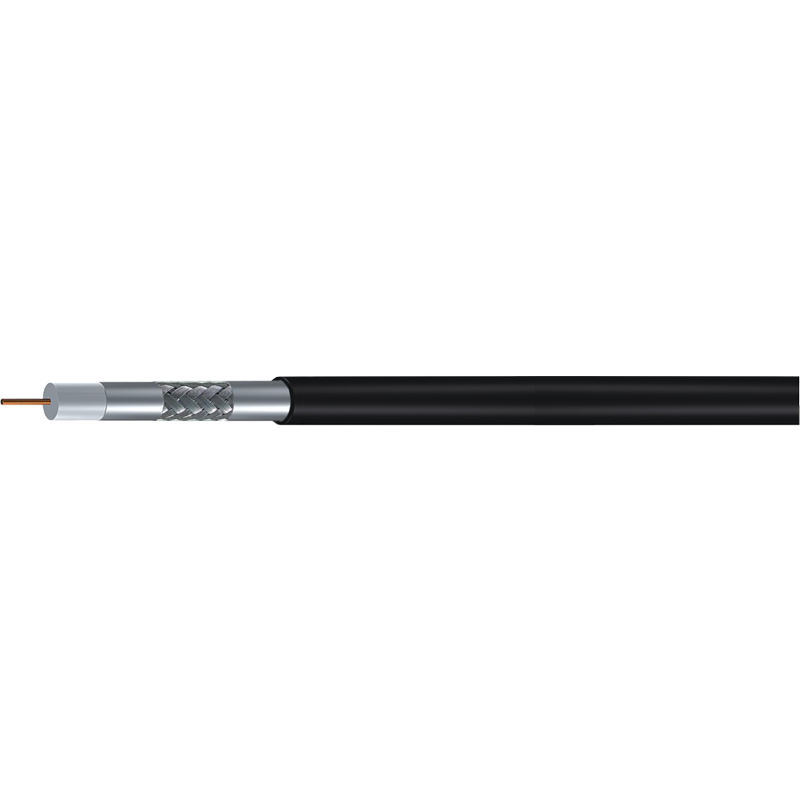
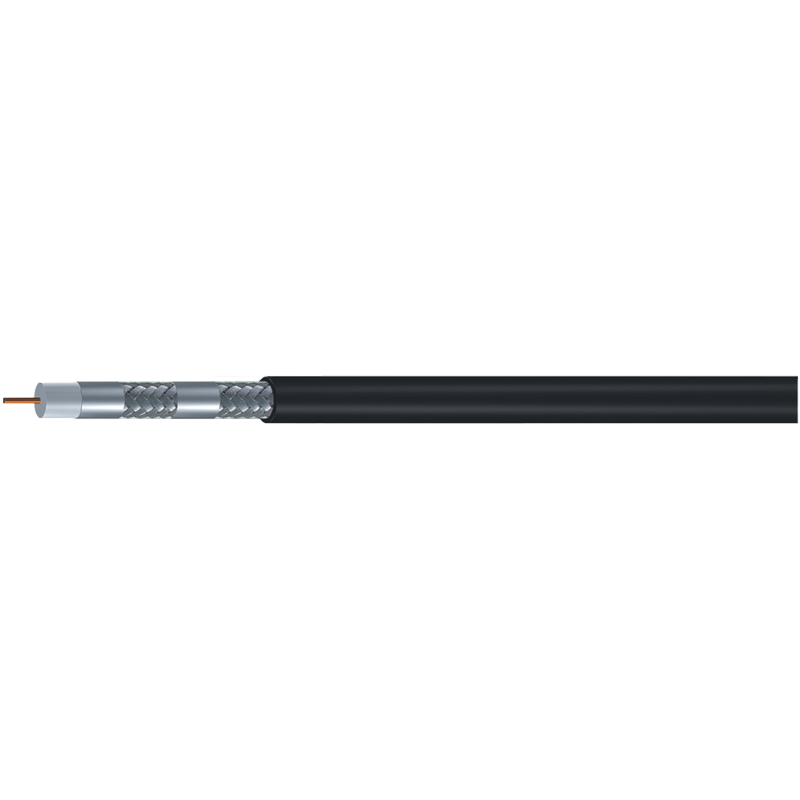
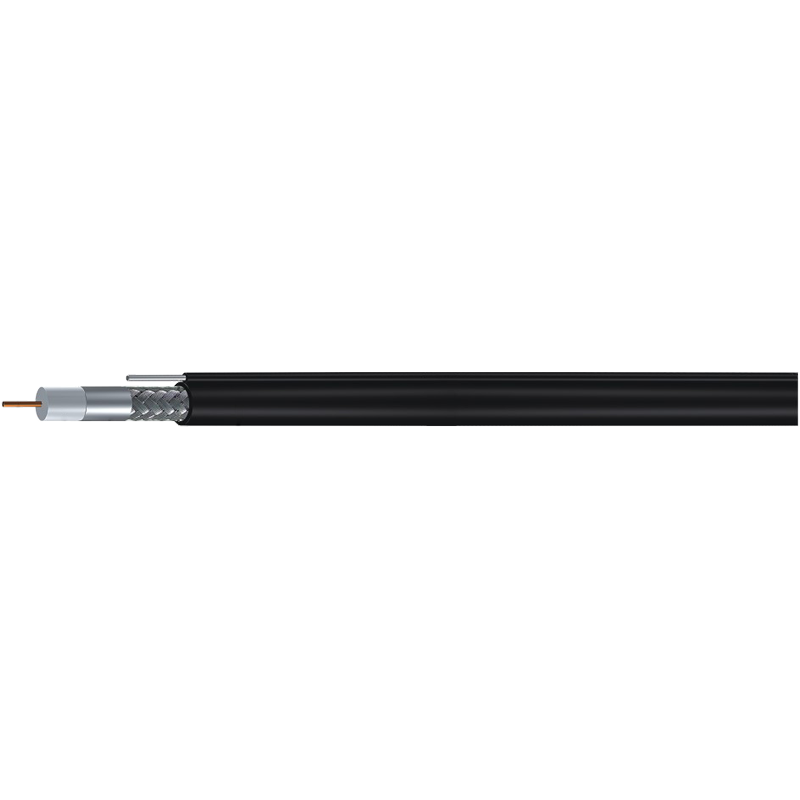
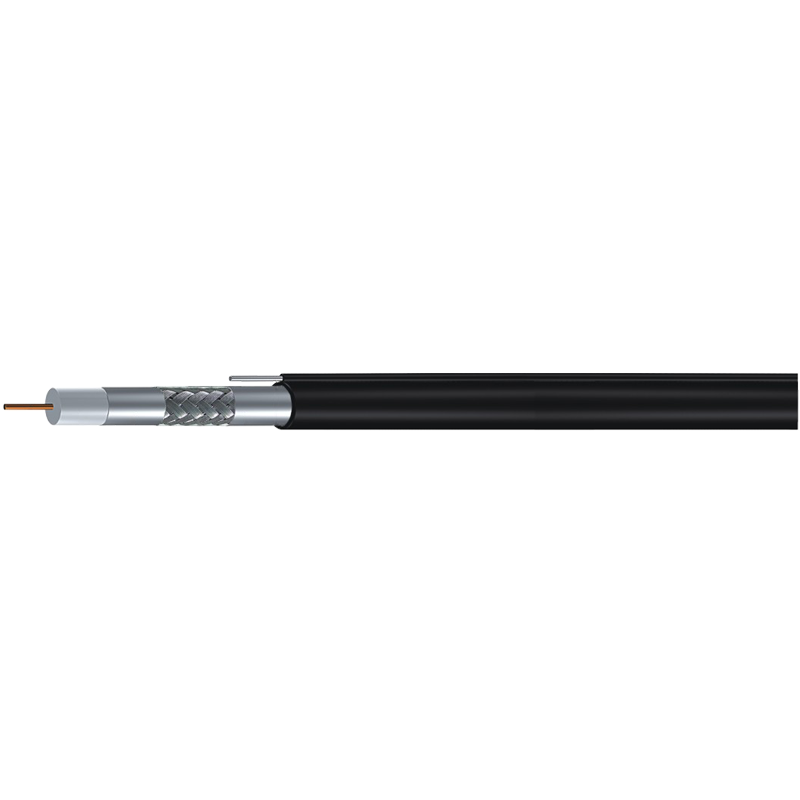
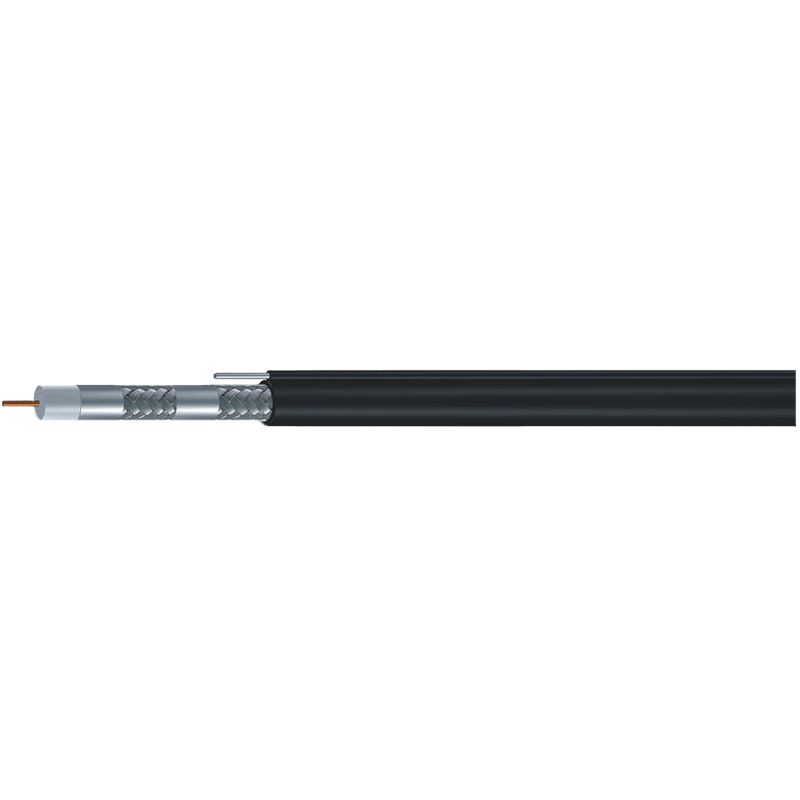
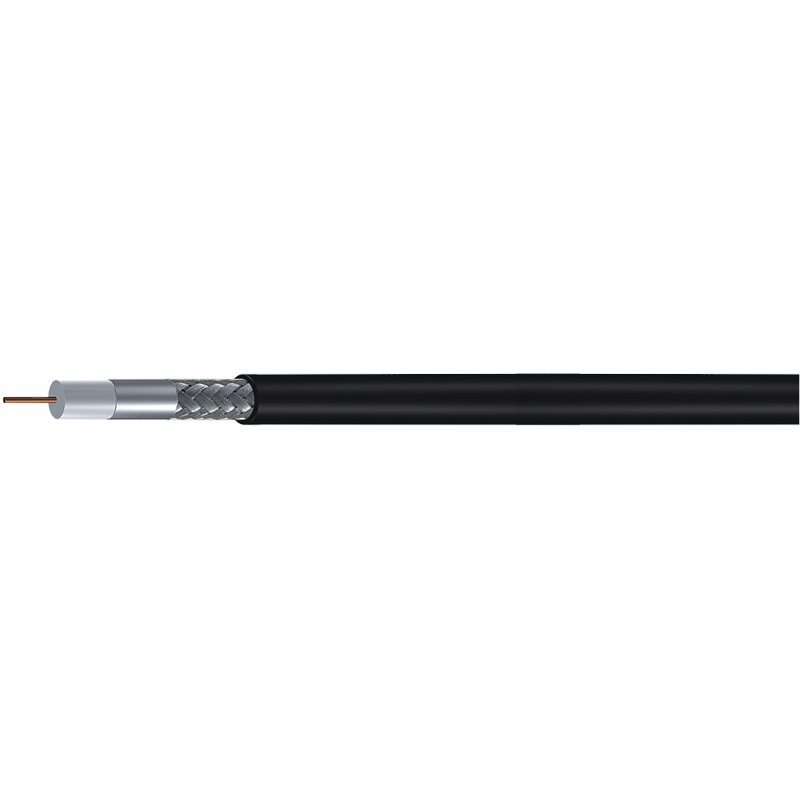
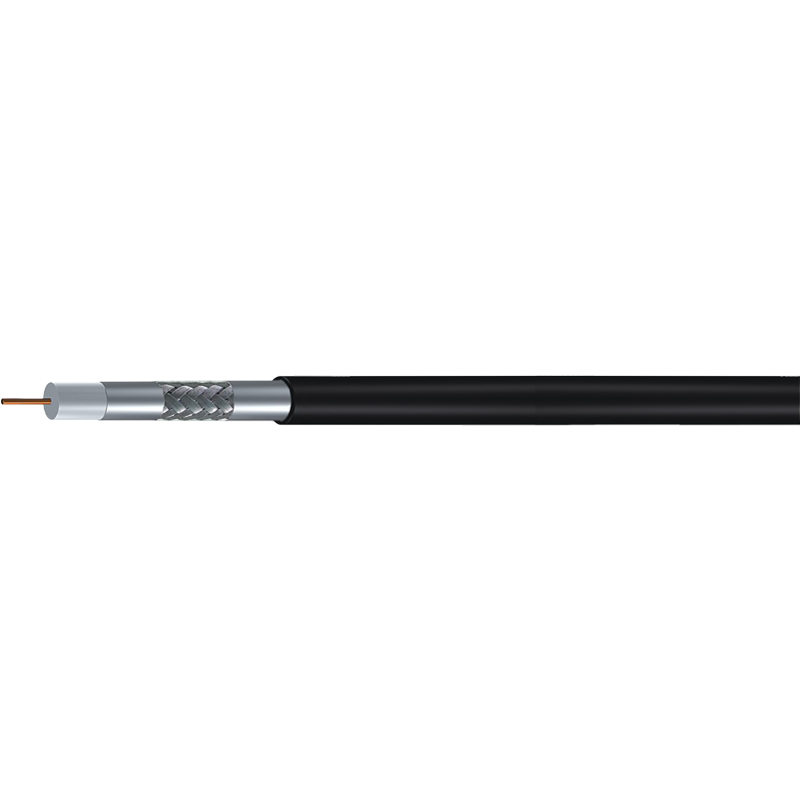
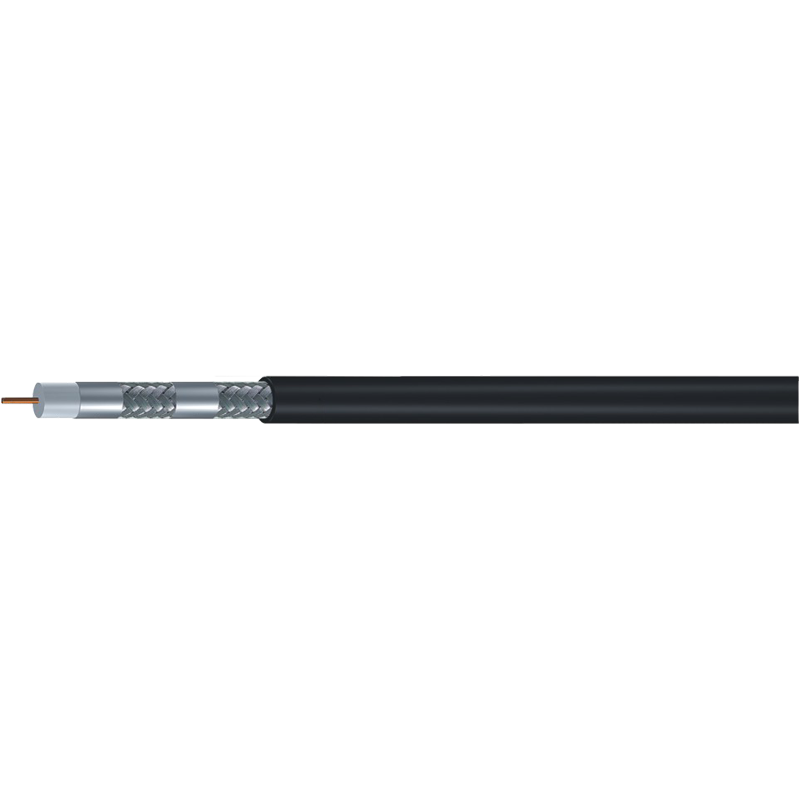
A coaxial cable has a distinctly cylindrical, tubular shape. From the outside in, it consists of four visible layers when cut open: an outer PVC or polyethylene jacket, a metallic shielding braid or foil layer, a dielectric insulator, and a central copper conductor. The outer jacket is typically black or white and feels firm and slightly rigid to the touch.
A common example used in residential antenna and cable TV installations is the CATV coaxial cable, which is engineered specifically for broadband signal delivery over long runs with minimal signal loss. These cables are rated for frequencies well above 1 GHz and are built to resist moisture, UV exposure, and physical stress — making them a standard choice for rooftop and outdoor antenna feeds.
Another widely used variant is the RG7 coaxial cable, which features a larger diameter than the more common RG6 and is often selected for longer cable runs where signal attenuation is a concern. Its thicker center conductor and more robust shielding make it visually bulkier but functionally superior for high-frequency, long-distance signal transmission. In cross-section, you can clearly see its layered architecture — a feature that twin-lead cables do not share.
What a Twin-Lead Cable Looks Like
Twin-lead cable, also called balanced line, is immediately recognizable by its flat, ribbon-like appearance. It consists of two parallel insulated conductors embedded in a flat strip of polyethylene or similar dielectric material. The two wires run side by side with a uniform spacing — typically around 300 ohms impedance for standard TV antenna use — and there is no outer shielding layer whatsoever.
The most common variety is 300-ohm twin-lead, which is white or off-white in color, roughly 9–10mm wide, and very lightweight. Some versions include small holes or slots punched along the flat insulation to reduce dielectric losses and improve high-frequency performance. It feels flexible and thin, almost like a flattened ribbon or a wide shoelace.
Side-by-Side Visual and Structural Comparison
| Feature | Coaxial Cable | Twin-Lead / Balanced Line |
|---|---|---|
| Shape | Round, cylindrical | Flat, ribbon-like |
| Conductors | 1 center + shield | 2 parallel conductors |
| Shielding | Yes (braid/foil) | None |
| Impedance | 75 ohm (CATV/TV) | 300 ohm (standard) |
| Outer Jacket | Thick PVC or PE | Thin flat insulation |
| Typical Color | Black or white | White or off-white |
| Flexibility | Moderate to stiff | Very flexible |
| Noise Rejection | Excellent | Moderate (balanced) |
Connector Appearance: Coaxial vs Twin-Lead Terminations
The way these cables terminate is another key visual distinction. Coaxial cables use threaded or push-on connectors — the most common being the F-connector for CATV and residential antenna use, and the BNC connector for professional or broadcast applications. These connectors are round, metallic, and clearly engineered to maintain the cable's shielded structure all the way to the device port.
Twin-lead cables, by contrast, terminate with flat spade lugs or are connected via a 300-to-75 ohm balun transformer — a small adapter device that bridges the impedance mismatch between the balanced line and the unbalanced coaxial input on modern television sets or tuners. When you see a twin-lead terminated, it looks like two bare wires or flat tabs rather than a structured connector.
Performance Implications of the Physical Design
The layered, shielded structure of coaxial cable is not just cosmetic — it directly affects signal quality. The outer metallic shield prevents external electromagnetic interference (EMI) from entering the signal path, making coaxial cable far more suitable for urban environments, near electrical wiring, or in buildings with dense wireless traffic.
A CATV coaxial cable rated for 5–1000 MHz, for example, can carry broadband signals across runs of 100 meters or more with measured attenuation as low as 5–6 dB per 100 feet at 100 MHz — a figure that would be significantly worse with an unshielded twin-lead in the same environment.
Twin-lead cable does have genuine advantages in open, rural environments. Because it is a balanced line, it naturally rejects common-mode noise when used with a properly matched dipole or Yagi antenna. Its lower signal loss per unit length at VHF frequencies — particularly below 300 MHz — makes it a valid choice for outdoor, unobstructed antenna runs where EMI is not a concern.
Installation Differences You Can See
The physical appearance of each cable type directly affects how they are installed:
- Coaxial cable can be stapled, clipped, or run through conduit without signal degradation — the shield protects it from contact with metallic surfaces.
- Twin-lead cable must be kept away from metal surfaces, walls, and parallel power cables. Physical contact with these materials distorts the balanced field and causes signal loss or interference.
- Coaxial cable — including the RG7 coaxial cable — can be buried directly (with appropriate rated jackets) or pulled through walls, while twin-lead is generally limited to open-air or surface routing.
- In wet or outdoor conditions, coaxial cable performs far more reliably. Moisture absorbed into twin-lead's flat insulation significantly raises dielectric losses and degrades signal quality over time.
When to Choose Each Cable Type
For most modern antenna installations — rooftop, attic, or indoor — coaxial cable is the practical default. Its shielded, round construction integrates cleanly with F-type wall plates, splitters, amplifiers, and tuner inputs found on current televisions and cable equipment. The RG7 coaxial cable is particularly well-suited for long outdoor runs exceeding 50 meters, where its lower attenuation per foot significantly improves received signal strength compared to thinner coaxial alternatives.
Twin-lead or balanced line cable is still used in specialized situations:
- When connecting a folded dipole antenna with a native 300-ohm balanced output
- In amateur radio or shortwave antenna systems using open-wire feeders for multi-band operation
- In low-interference rural environments where VHF signal loss per foot matters more than shielding
- As part of a transmission line to an antenna tuner in a matched balanced system
If your setup involves any of the following — nearby electrical wiring, indoor routing, urban RF noise, or a modern flat-screen TV input — coaxial cable, and specifically a quality CATV coaxial cable, will outperform twin-lead in every measurable way.
The visual differences between coaxial cable and twin-lead are not superficial — they reflect deep engineering trade-offs. Coaxial cable's round, shielded, multi-layer construction makes it the dominant choice for virtually all residential and commercial antenna connections today. Twin-lead's flat, unshielded design serves a narrower set of use cases where balanced impedance matching and low-frequency signal economy take priority.
When you pick up a coaxial cable and a twin-lead cable side by side, you are holding two different solutions to the same fundamental problem — getting a clean signal from your antenna to your receiver. Knowing what each looks like, and why it looks that way, is the first step toward choosing the right one for your installation.