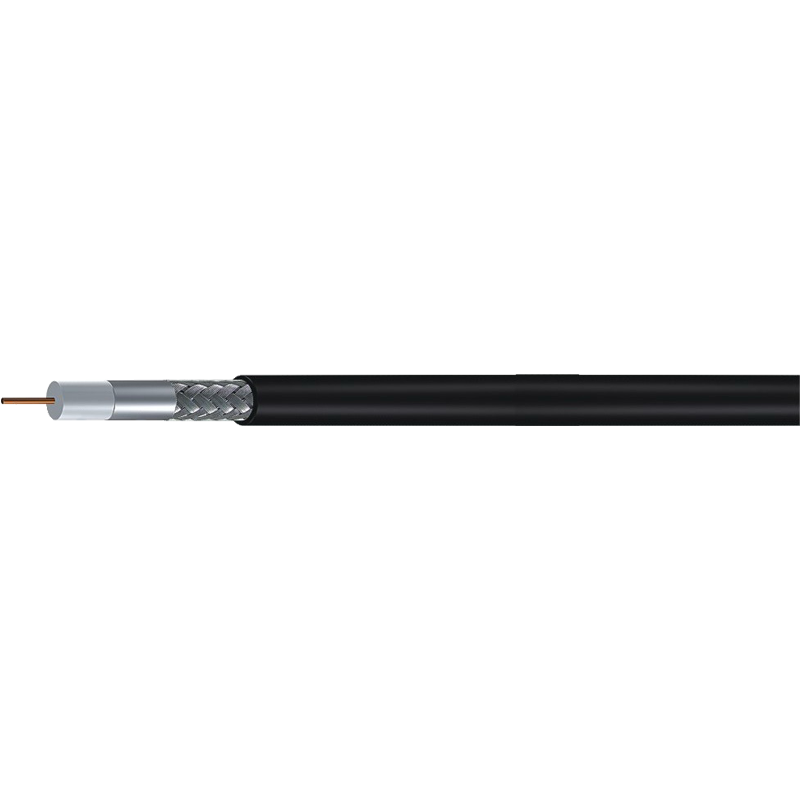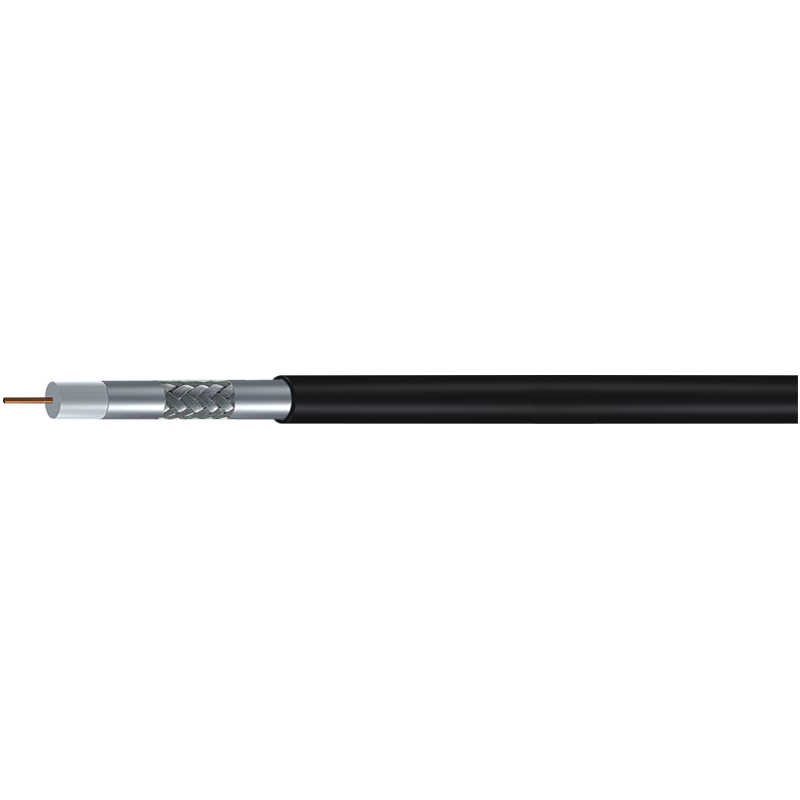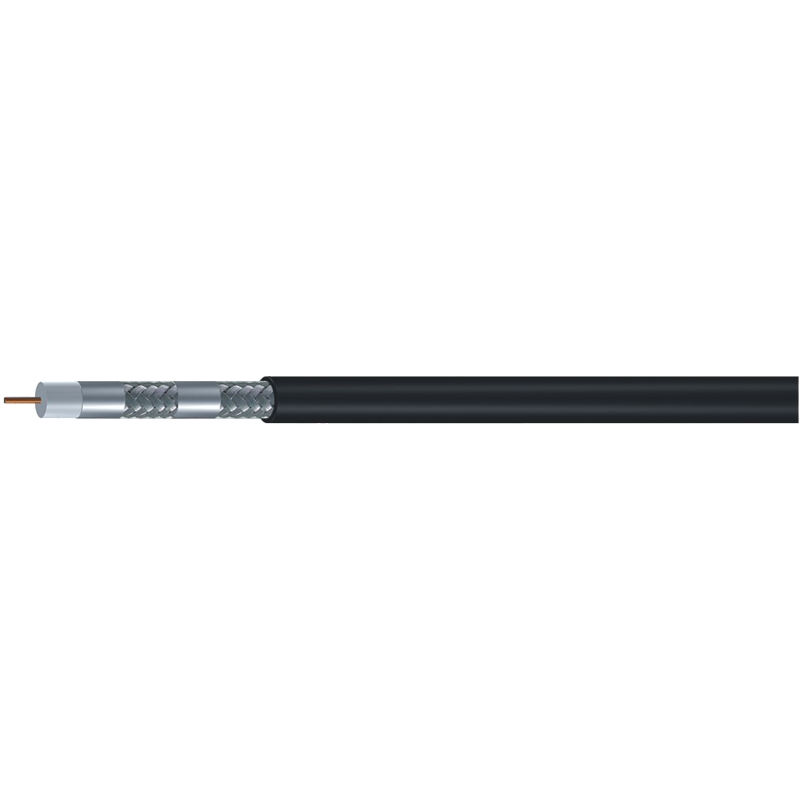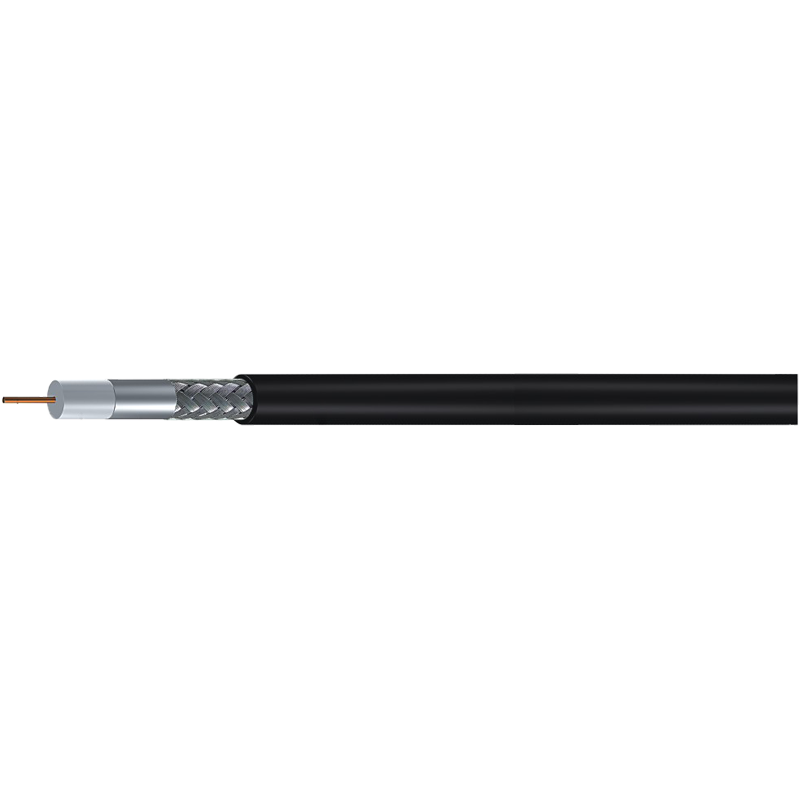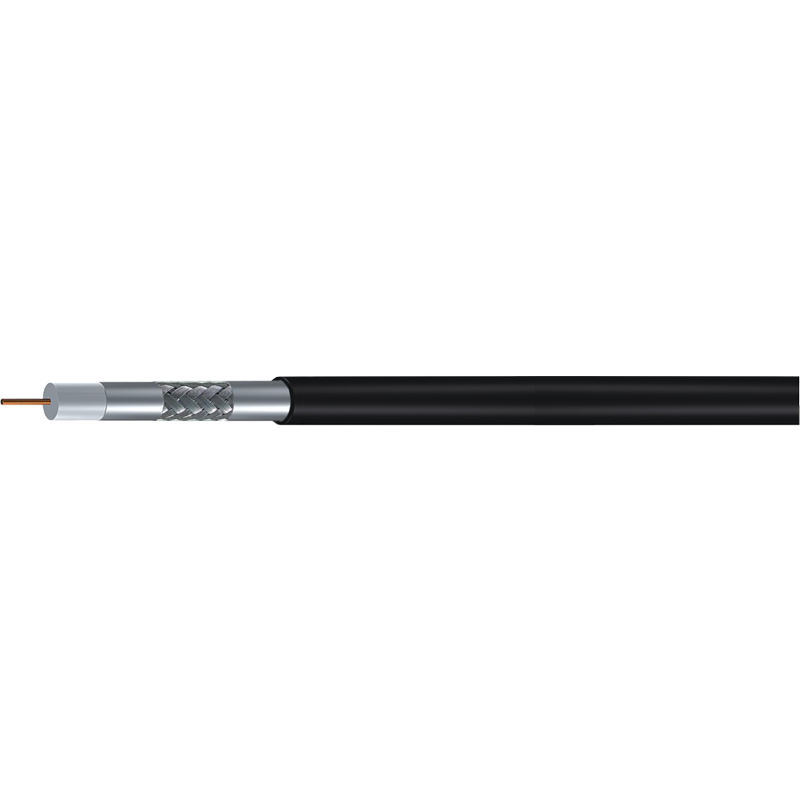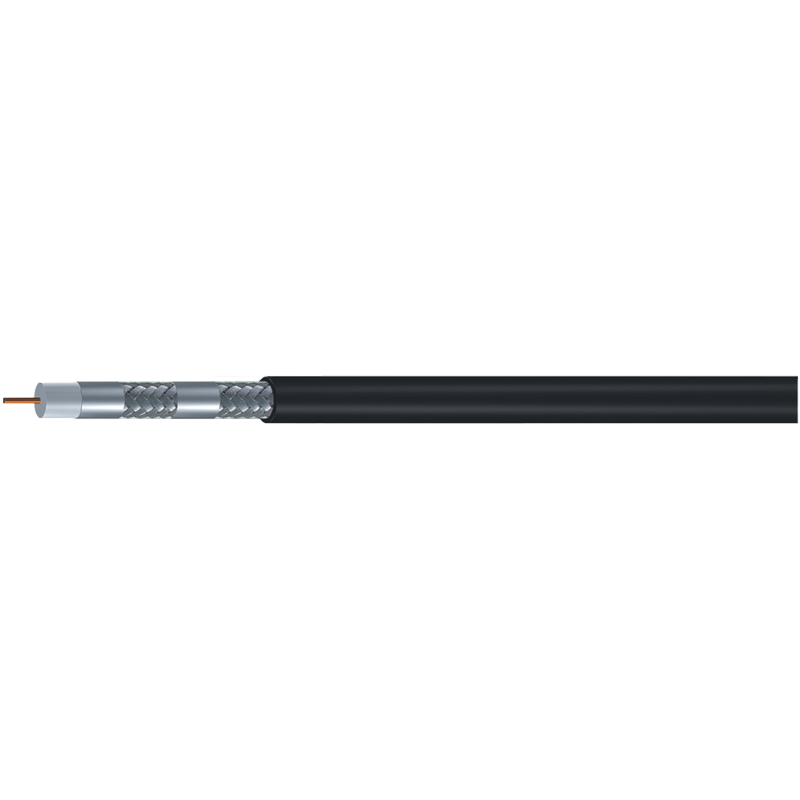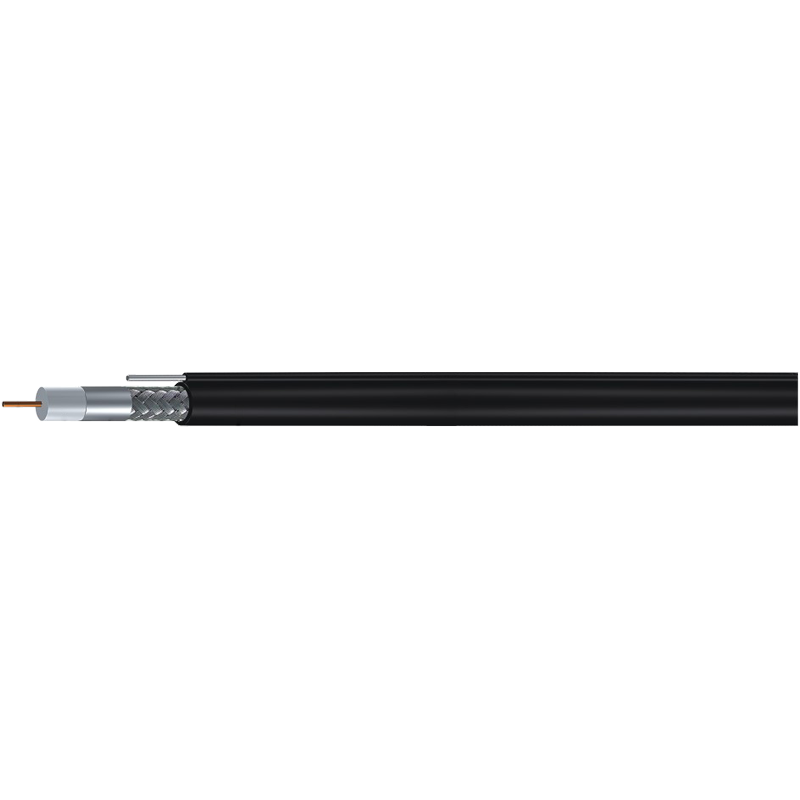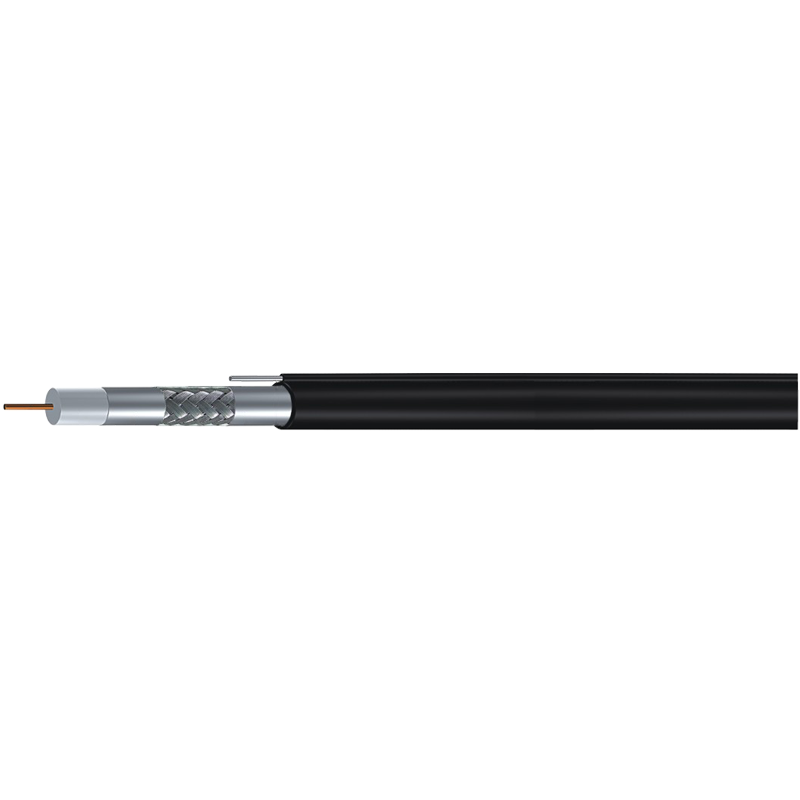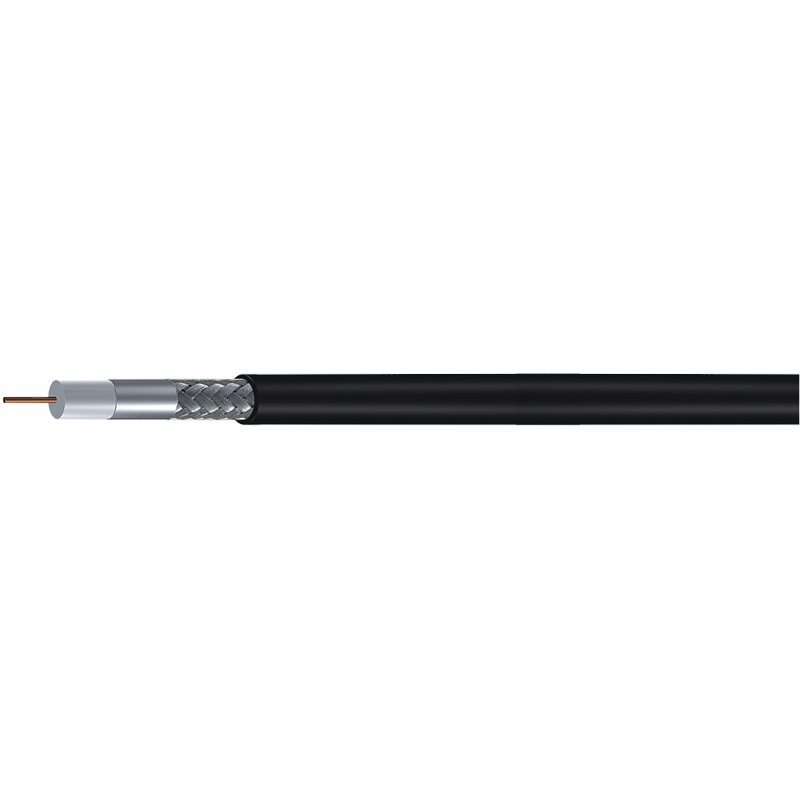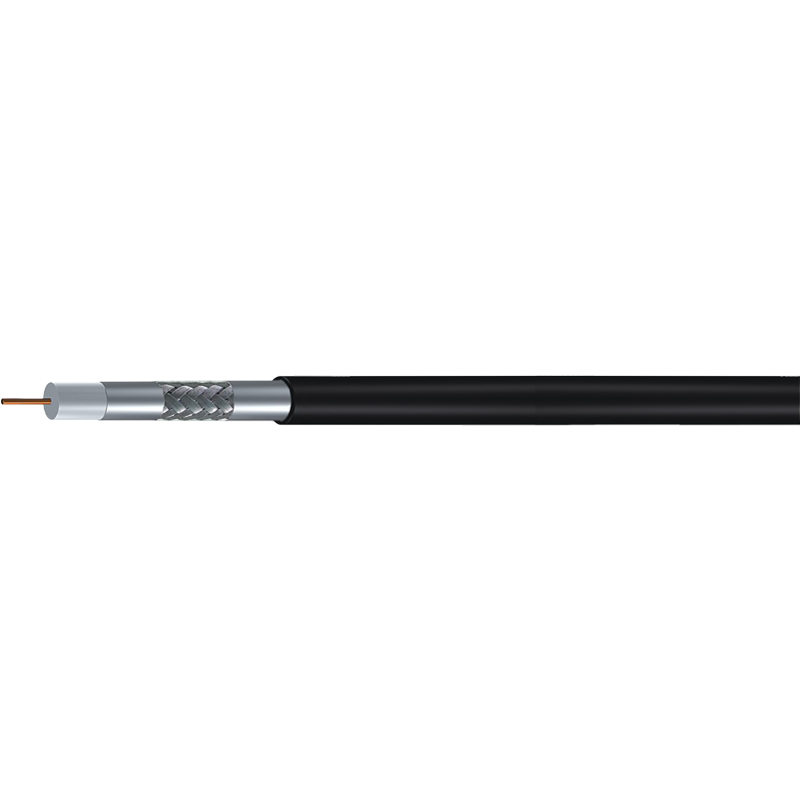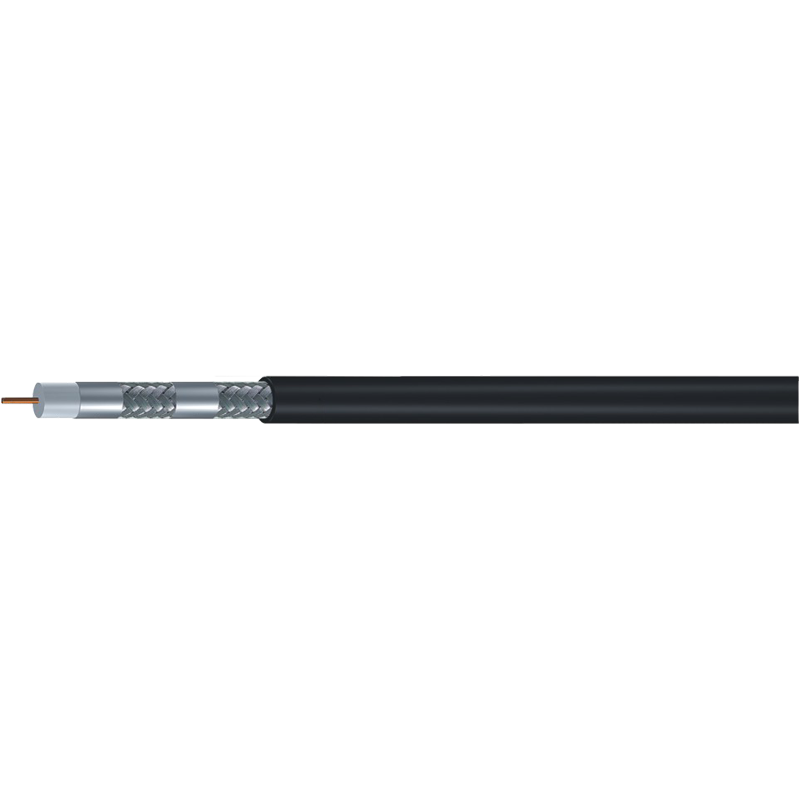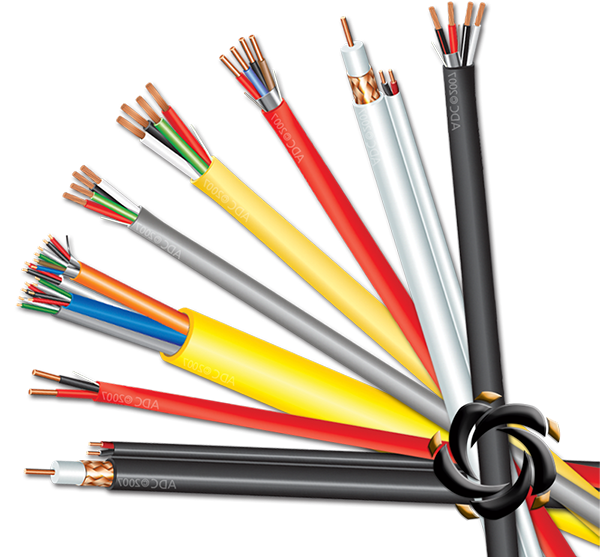
The standard 75 Ohm Coaxial Cable typically operates within a temperature range of -40°F to +140°F (-40°C to +60°C), making it suitable for most indoor and sheltered outdoor applications. In contrast, a flooded direct-burial coaxial cable is engineered to withstand a wider environmental stress range — often rated from -40°F to +167°F (-40°C to +75°C) — and is specifically designed to resist moisture, soil pressure, and chemical exposure when installed underground. If you are planning an outdoor or underground cable run, understanding these differences is critical to long-term system reliability.
What Defines the Temperature Rating of a 75 Ohm Coaxial Cable?
The temperature rating of a 75 Ohm Coaxial Cable is determined by the materials used in its construction — primarily the dielectric insulation, outer jacket compound, and the type of shielding employed. Most standard 75 Ohm cables use a polyethylene (PE) or foam PE dielectric, which begins to deform or degrade at sustained temperatures above +60°C. The outer PVC jacket, commonly used on indoor-rated cables, also becomes brittle in extreme cold or soft and lossy in excessive heat.
For applications involving cable TV coaxial cable deployed in attics, wall cavities, or exterior conduit, the standard temperature specification is generally adequate. However, in regions with extreme climate variations — such as desert installations exceeding +50°C or arctic deployments dropping below -30°C — a cable with an extended temperature rating must be specified.
Key factors influencing temperature performance include:
- Jacket material: PVC (standard) vs. LLDPE or HDPE (extended range)
- Dielectric type: solid PE vs. foam PE vs. gas-injected foam
- Shielding: aluminum foil + braid vs. quad-shield construction
- Center conductor: bare copper vs. copper-clad steel (CCS)
Understanding Coaxial Cable Dimensions and Their Impact on Thermal Performance
Coaxial cable dimensions play a significant role in how well a cable manages heat dissipation and maintains signal integrity across temperature extremes. Larger-diameter cables have thicker dielectric and jacket walls, which provide better insulation against ambient temperature fluctuations. Conversely, thinner cables heat up faster under high signal loads and are more susceptible to jacket cracking in cold conditions.
Understanding the sizes of coaxial cable commonly used in 75 Ohm applications helps clarify which form factor best suits your installation environment:
| Cable Type | Outer Diameter | Typical Temp Range | Common Application |
|---|---|---|---|
| RG-59 (75 Ohm) | ~6.1 mm | -40°C to +60°C | CCTV, short video runs |
| RG-6 (75 Ohm) | ~6.9 mm | -40°C to +60°C | Cable TV, satellite, broadband |
| RG-11 (75 Ohm) | ~10.3 mm | -40°C to +65°C | Long trunk runs, outdoor drops |
| Flooded Direct-Burial RG-6 | ~7.5 mm | -40°C to +75°C | Underground, direct soil burial |
What Makes Flooded Direct-Burial Coaxial Cable Different?
Flooded direct-burial coaxial cable is a specialized variant of the 75 Ohm Coaxial Cable that incorporates a water-blocking compound (flooding compound) — typically a gel or wax-like substance — injected between the shielding layers and beneath the outer jacket. This compound prevents moisture migration along the cable core, which is the primary cause of signal degradation and conductor corrosion in underground installations.
Beyond the flooding compound, these cables use a high-density polyethylene (HDPE) or linear low-density polyethylene (LLDPE) jacket instead of standard PVC. HDPE jackets offer superior resistance to:
- Soil chemicals and alkalis
- UV radiation during temporary above-ground exposure
- Rodent activity and mechanical abrasion
- Hydrostatic pressure in waterlogged soil
- Thermal cycling between frozen and thawed ground states
This makes flooded direct-burial cable the correct choice for any underground run exceeding 10 meters, especially in climates where ground frost and thaw cycles create mechanical stress on the cable jacket.
Temperature Performance: 75 Ohm Coaxial Cable vs Flooded Direct-Burial Side by Side
To make a practical decision between a standard 75 Ohm Coaxial Cable and a flooded direct-burial variant, the following comparison highlights the key performance differences across thermal and environmental criteria:
| Performance Criteria | Standard 75 Ohm Coaxial Cable | Flooded Direct-Burial Coaxial Cable |
|---|---|---|
| Min Operating Temp | -40°C | -40°C |
| Max Operating Temp | +60°C | +75°C |
| Moisture Resistance | Moderate (jacket only) | Excellent (flooding compound) |
| Jacket Material | PVC | HDPE / LLDPE |
| UV Resistance | Low to moderate | High |
| Suitable for Direct Burial | No | Yes |
| Freeze-Thaw Cycle Tolerance | Limited | High |
| Relative Cost | Lower | 20–40% higher |
Practical Installation Scenarios: Which Cable Should You Choose?
Indoor and Conduit-Protected Runs
For indoor applications, attic-to-room drops, or cables routed through protective conduit, a standard 75 Ohm Coaxial Cable — particularly RG-6 — is entirely sufficient. The controlled temperature environment rarely exceeds +50°C even in sun-exposed attics, and the PVC jacket provides adequate protection. This is the standard choice for cable TV coaxial cable deployments in residential and light commercial buildings.
Underground Runs Between Buildings
When routing a signal between two structures — such as a main house and a detached garage — the cable must be buried at least 6 to 12 inches deep depending on local code. In this case, a flooded direct-burial 75 Ohm Coaxial Cable is the correct specification. Without the flooding compound, groundwater will wick into the cable over time, causing impedance irregularities and signal loss that worsen progressively.
Aerial Outdoor Installations
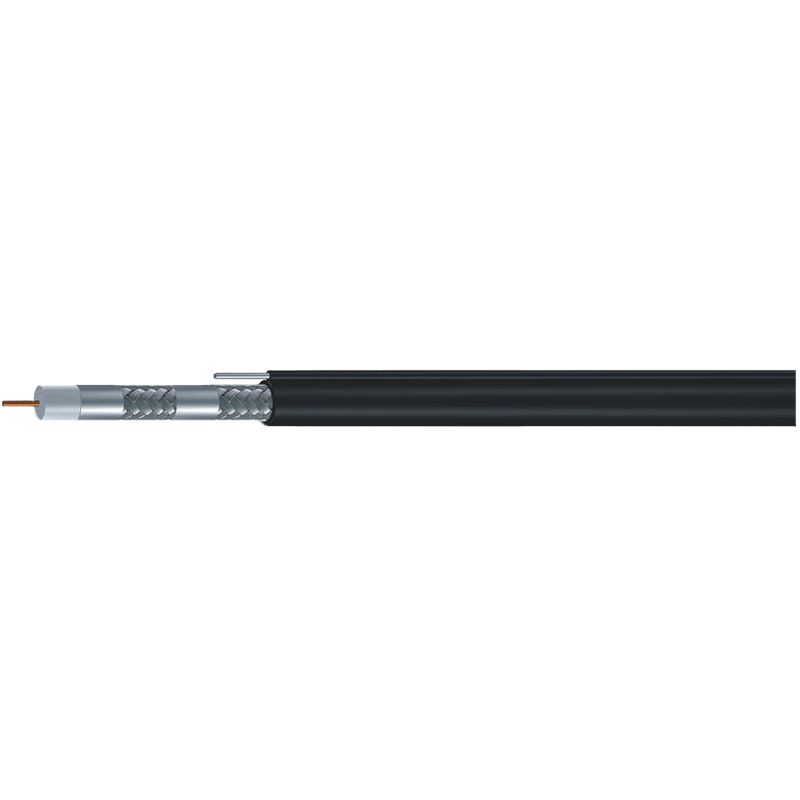
For aerial drops — such as from a utility pole to a building — a UV-stabilized outdoor-rated 75 Ohm Coaxial Cable with a messenger wire is preferred. While not a direct-burial product, these cables are rated to +75°C and feature weather-resistant jackets that can withstand years of solar exposure without cracking or outgassing.
How Coaxial Cable Dimensions Affect Underground Heat Dissipation
Larger coaxial cable dimensions benefit underground installations not only through lower attenuation, but also through improved thermal mass. An RG-11 75 Ohm Coaxial Cable, with its ~10.3 mm outer diameter, dissipates heat more evenly than a thinner RG-6 cable running at the same signal load. This becomes meaningful in high-density cable bundle installations where multiple cables share a narrow trench, generating cumulative heat.
When planning underground cable routing, always account for:
- The number of cables in the conduit or trench (bundle derating)
- Soil thermal resistivity in your region
- Expected maximum soil temperature at burial depth
- Minimum bend radius relative to the cable's outer diameter
Signal Integrity Across Temperature Extremes
Temperature affects not only the physical durability of a 75 Ohm Coaxial Cable but also its electrical performance. As temperature rises, the resistivity of the copper center conductor increases, resulting in higher attenuation — typically by 0.1 to 0.3 dB per 10°C rise depending on frequency. For a 30-meter RG-6 run operating at 1 GHz, the difference between a +20°C and +60°C environment can result in an additional 1–2 dB of signal loss.
In underground flooded direct-burial cable, the stable soil temperature (+10°C to +15°C at depths below 60 cm in temperate regions) actually provides a thermal advantage over above-ground cable runs in summer. This is one reason why underground routing is often preferred for long-distance signal distribution despite the higher upfront cable and installation cost.
- A standard 75 Ohm Coaxial Cable is rated for -40°C to +60°C and suits most indoor and conduit-protected outdoor uses.
- Flooded direct-burial coaxial cable extends the upper limit to +75°C and adds critical moisture, chemical, and freeze-thaw protection for underground installations.
- The sizes of coaxial cable — RG-59, RG-6, RG-11 — influence both thermal behavior and signal loss, with larger diameters performing better in demanding environments.
- For cable TV coaxial cable in residential CATV or broadband applications, RG-6 remains the dominant standard, while underground trunk lines often use RG-11 direct-burial variants.
- Always match the cable specification to the actual environmental conditions — using a standard cable underground is a common and costly installation mistake.