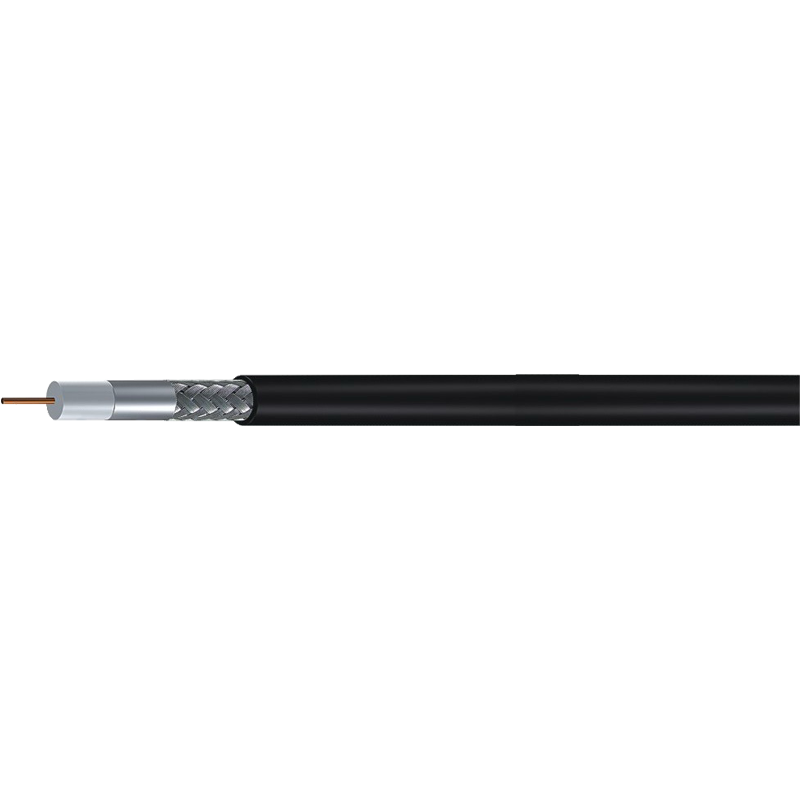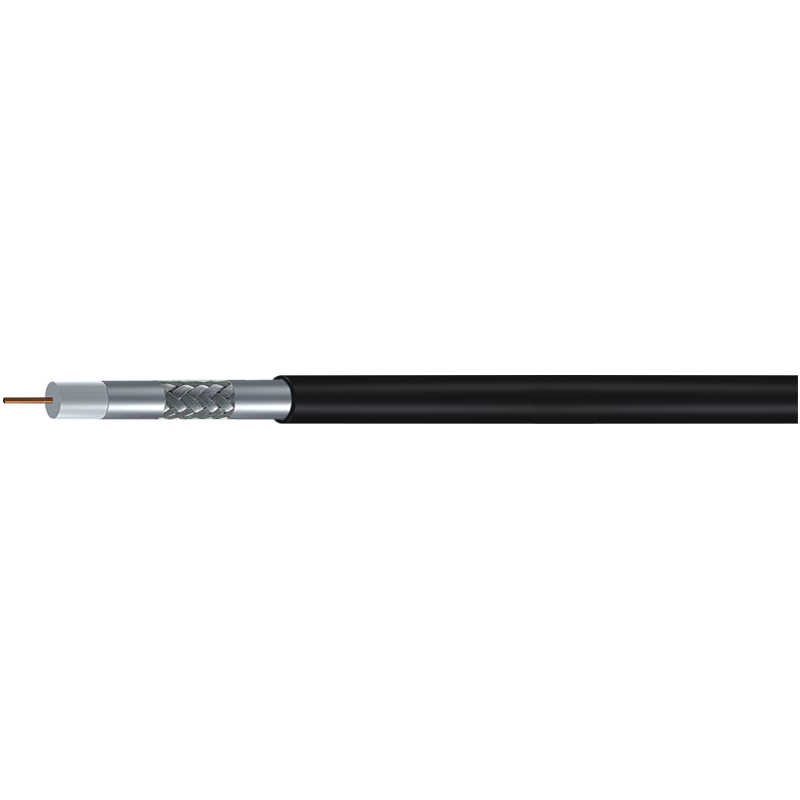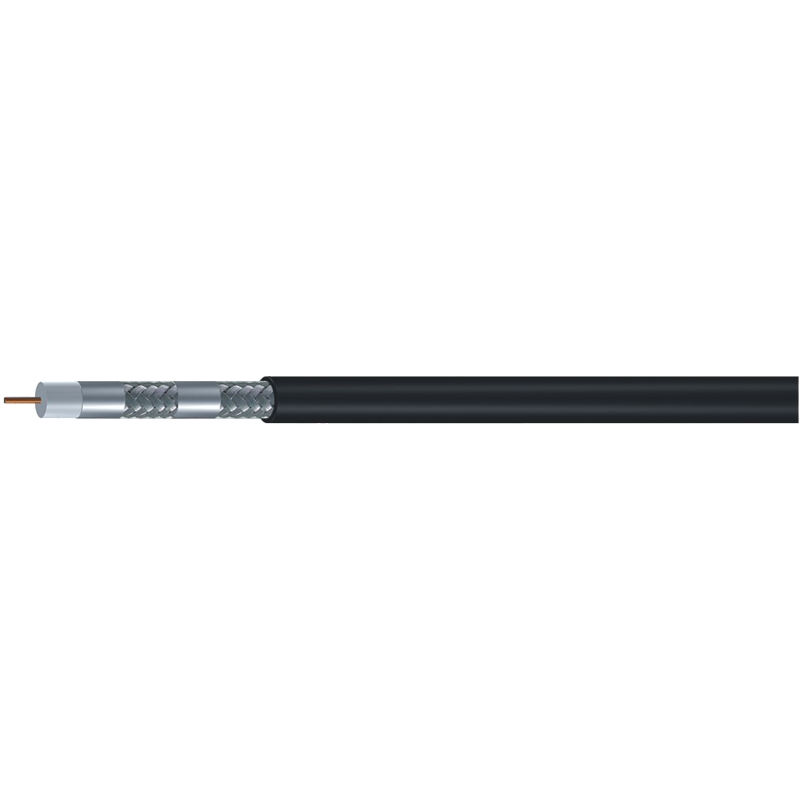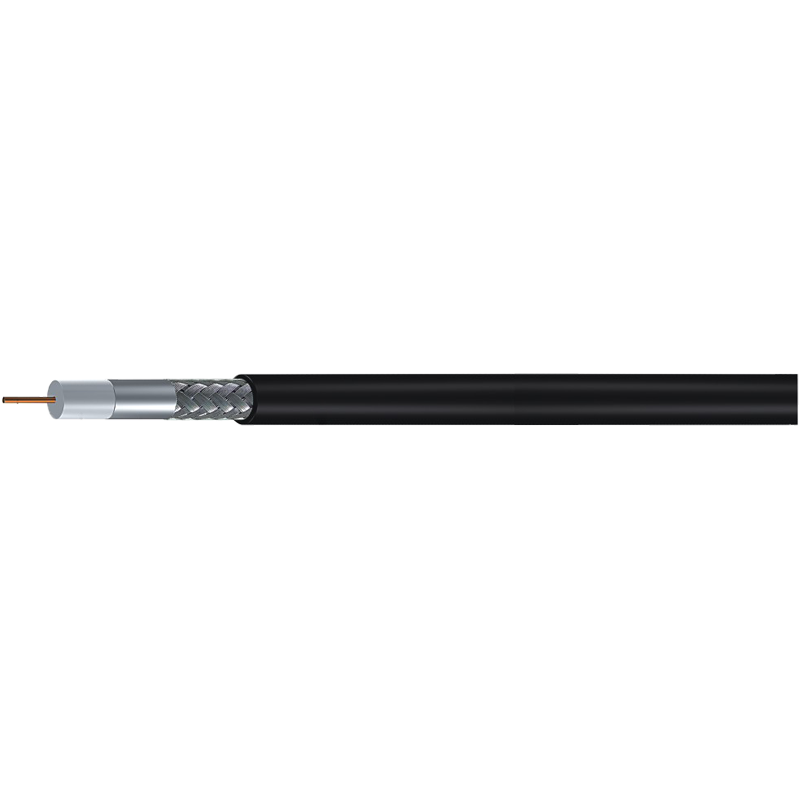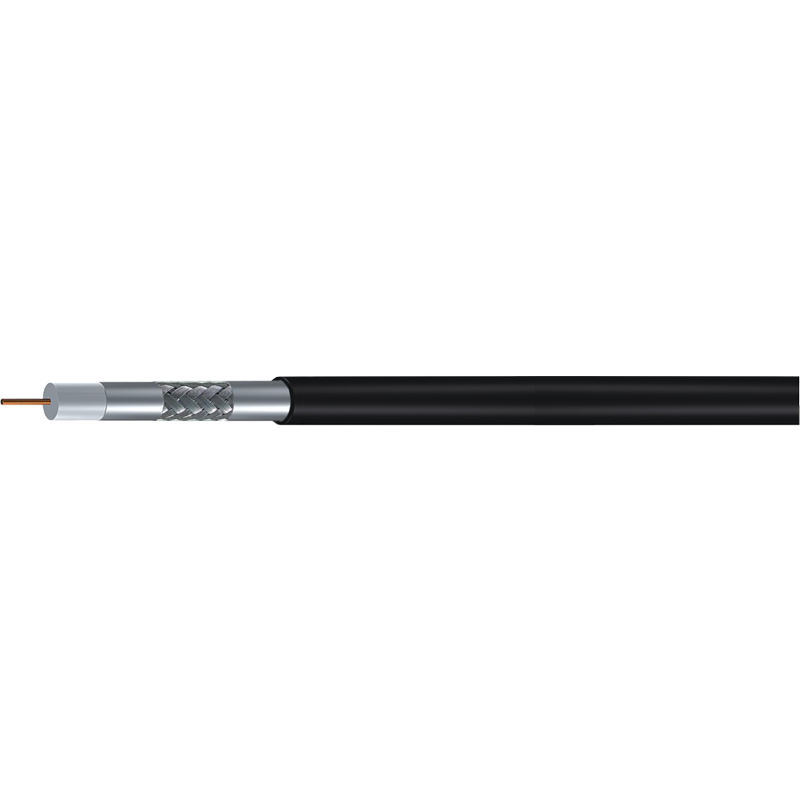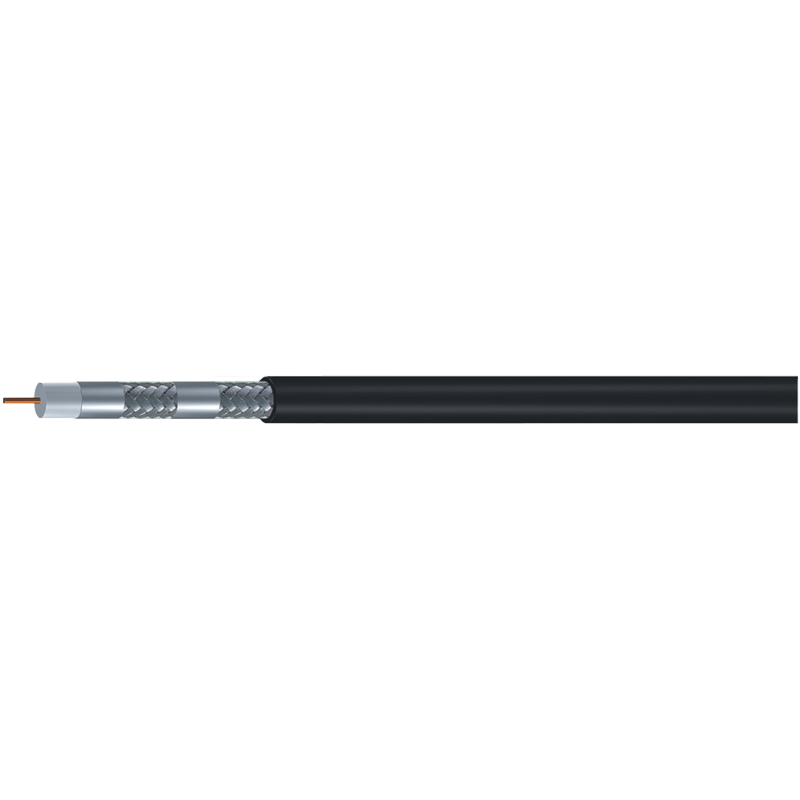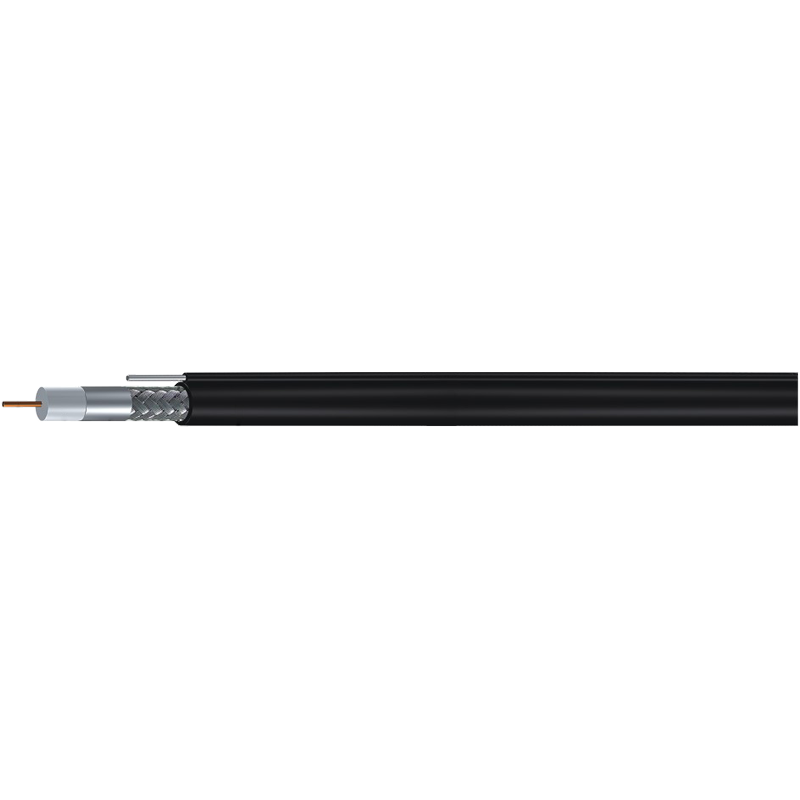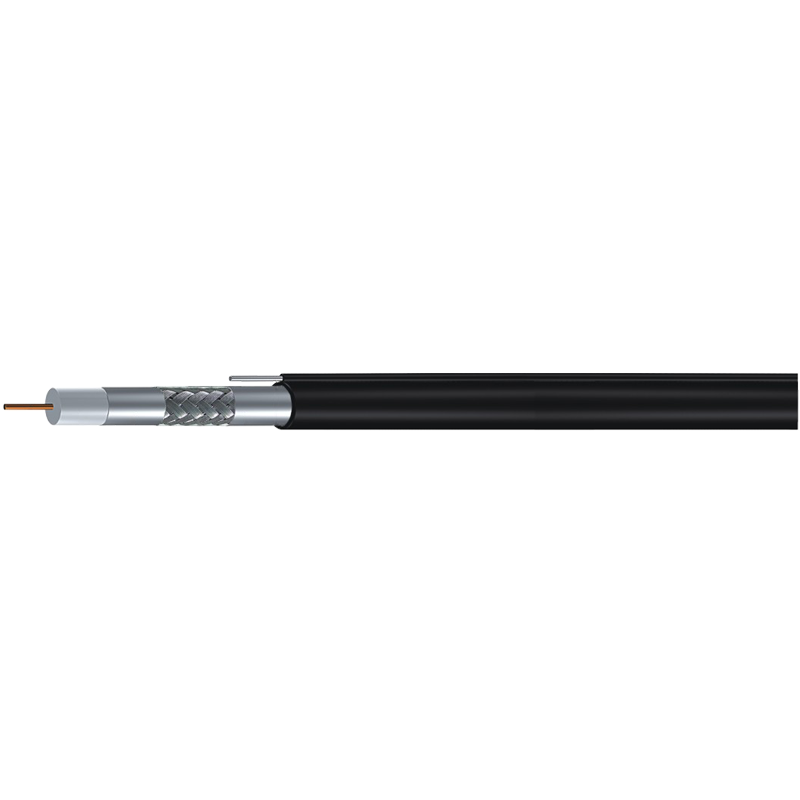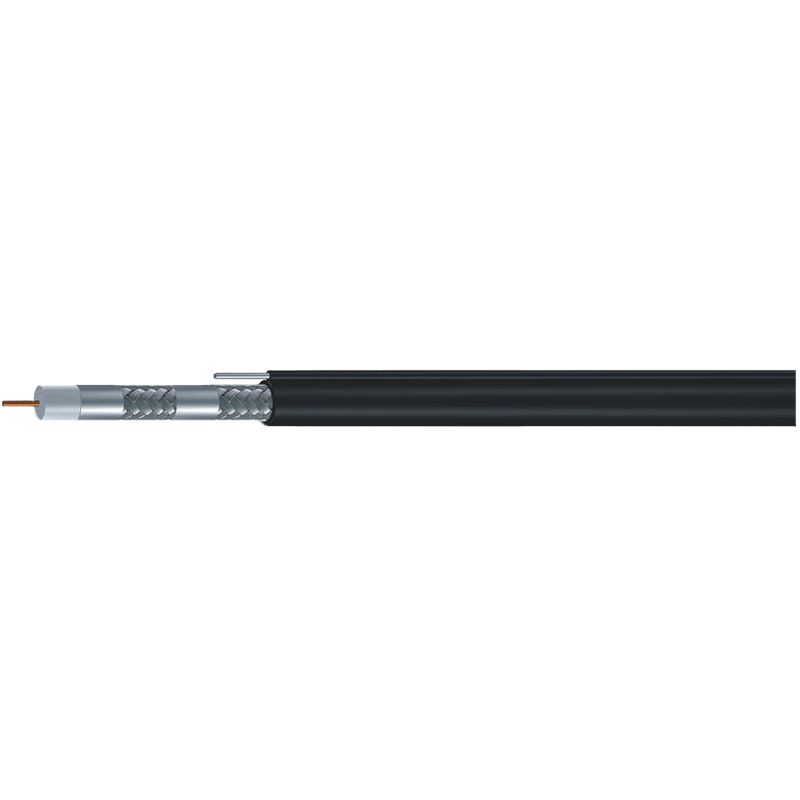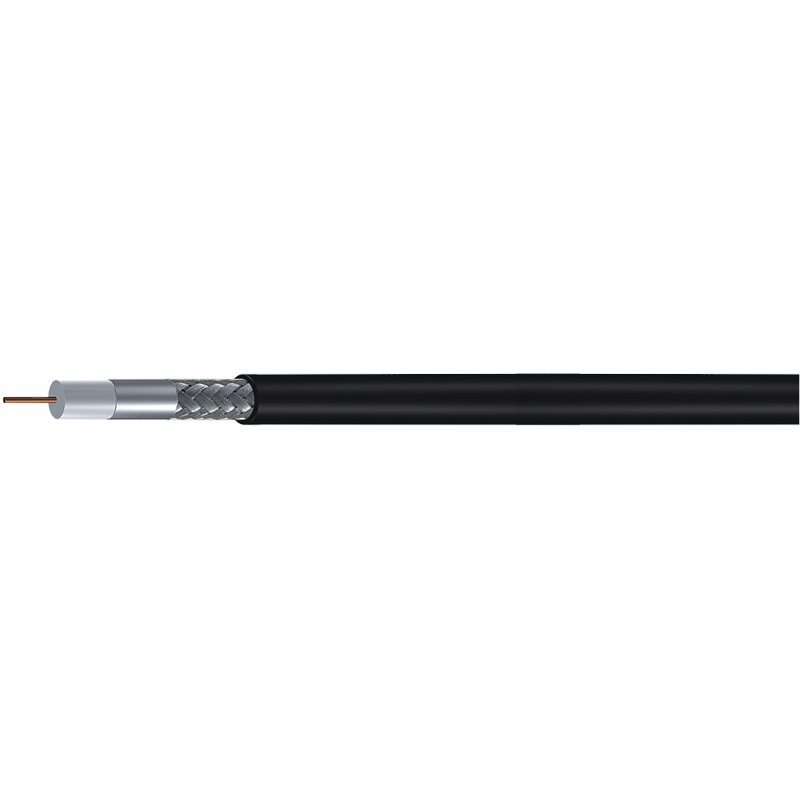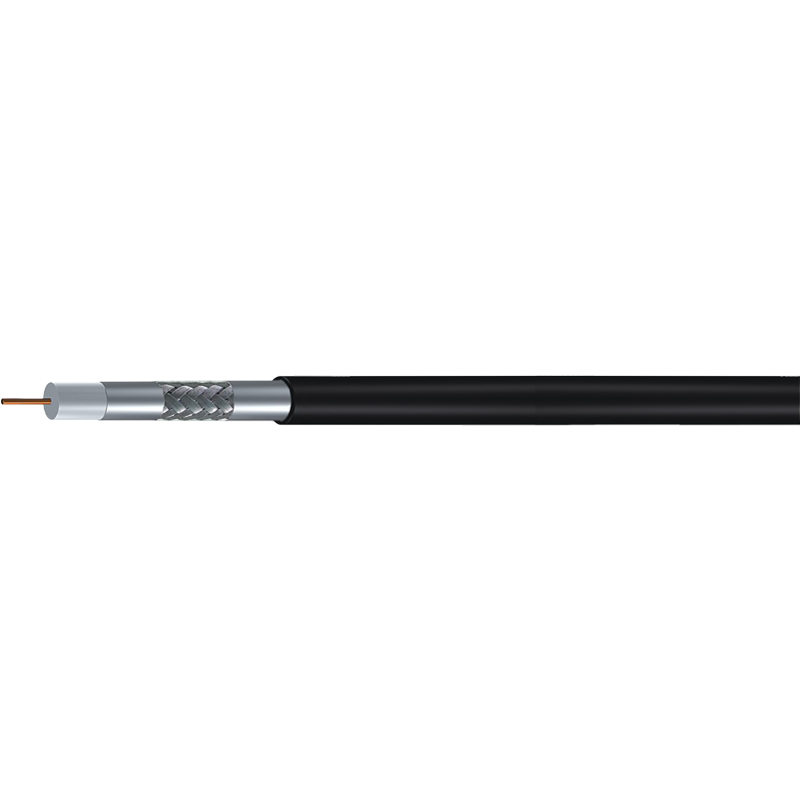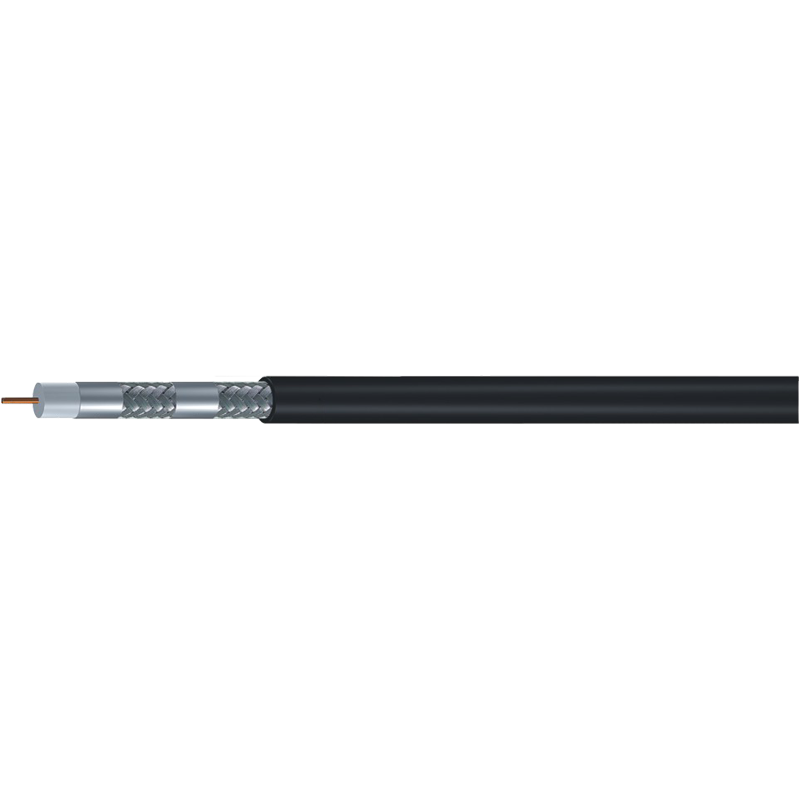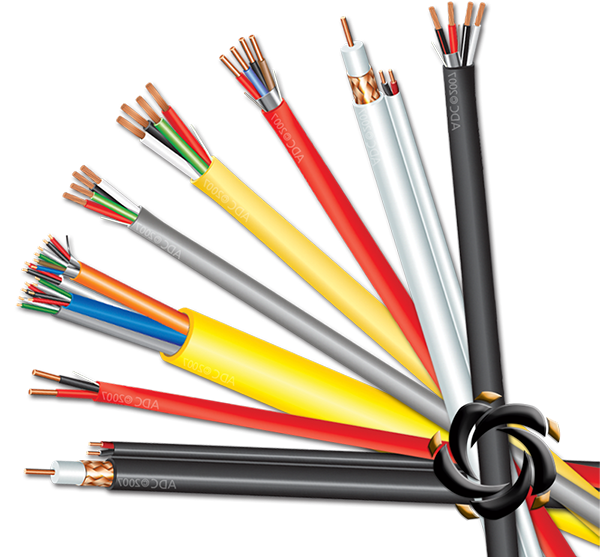
When choosing between RG-6 and RG-59 within the 75 Ohm Coaxial Cable family, the short answer is this: RG-6 is the modern standard for high-frequency applications such as satellite TV, HDTV antennas, and DOCSIS cable internet, while RG-59 is better suited for short-run, low-frequency applications like CCTV analog video and composite video connections. Both cables share the same 75 Ohm impedance, but they differ significantly in conductor size, shielding, attenuation, and appropriate use cases. Choosing the wrong type can result in signal degradation, interference, or system incompatibility.
Core Construction Differences Between RG-6 and RG-59
Both RG-6 and RG-59 are members of the 75 Ohm Coaxial Cable family, but their internal construction diverges in several important ways that directly affect performance.
RG-6 features an 18 AWG center conductor, which is thicker and provides lower DC resistance over long runs. It typically uses a foamed polyethylene dielectric, which reduces signal loss at higher frequencies. The outer jacket is also larger in diameter (approximately 6.9 mm), giving it better durability for outdoor and in-wall installations.
RG-59, by contrast, uses a 20 AWG center conductor — thinner than RG-6 — paired with a solid polyethylene dielectric. Its smaller overall diameter (approximately 6.1 mm) makes it more flexible and easier to route in tight spaces, but this comes at the cost of higher signal attenuation, especially at frequencies above 50 MHz.
| Specification | RG-6 | RG-59 |
|---|---|---|
| Impedance | 75 Ohm | 75 Ohm |
| Center Conductor | 18 AWG | 20 AWG |
| Dielectric Type | Foamed Polyethylene | Solid Polyethylene |
| Outer Diameter | ~6.9 mm | ~6.1 mm |
| Typical Frequency Range | Up to 3 GHz | Up to 1 GHz |
| Flexibility | Moderate | High |
Signal Attenuation: Where RG-6 Pulls Ahead
Signal attenuation — the loss of signal strength over distance — is one of the most critical differences between these two 75 Ohm Coaxial Cable types. At higher frequencies, this gap becomes dramatic.
At 100 MHz, RG-6 typically exhibits an attenuation of approximately 2.0 dB per 100 feet, while RG-59 measures closer to 3.7 dB per 100 feet. At 1 GHz, the difference widens considerably: RG-6 loses around 6.0 dB per 100 feet, whereas RG-59 can lose as much as 10.5 dB per 100 feet. For satellite systems operating at 2.3 GHz, RG-59 becomes practically unsuitable for runs beyond 25 feet without significant signal amplification.
This makes RG-6 the only practical choice for modern satellite dish installations, over-the-air HDTV antennas, and DOCSIS 3.1 cable broadband systems, all of which operate well above 500 MHz.
Shielding Performance and EMI Resistance
Shielding is the layer (or layers) of conductive material that surrounds the dielectric in any 75 Ohm Coaxial Cable. It protects the transmitted signal from external electromagnetic interference (EMI) and radio frequency interference (RFI).
RG-6 Shielding Options
RG-6 is commonly available in dual-shield and quad-shield configurations. Quad-shield RG-6 consists of two layers of aluminum foil and two layers of aluminum braid, offering shielding effectiveness of up to 100 dB. This is critical in high-interference environments such as near cellular towers, industrial equipment, or densely populated urban areas where RFI is prevalent.
RG-59 Shielding Options
RG-59 typically comes in single-shield or dual-shield variants, with shielding effectiveness generally ranging from 55 dB to 75 dB. While adequate for low-frequency analog video signals in controlled environments, it is significantly more vulnerable to interference in modern broadband or digital video environments.
Recommended Applications for Each 75 Ohm Coaxial Cable Type
Understanding where each cable excels helps users avoid costly installation mistakes. Here is a practical breakdown by application:
Best Use Cases for RG-6
- Satellite TV installations (DirecTV, Dish Network) — operates at 950 MHz to 2,150 MHz
- Over-the-air HDTV antenna connections for UHF/VHF reception
- Cable TV (CATV) and DOCSIS 3.0/3.1 broadband internet distribution
- Long cable runs exceeding 50 feet in residential or commercial installations
- MoCA 2.5 networks for whole-home multimedia distribution
Best Use Cases for RG-59
- Analog CCTV security camera systems with short cable runs under 20 feet
- Composite video connections between legacy AV equipment
- Low-frequency RF signal distribution in older cable TV infrastructure
- Applications where cable flexibility and small diameter are a priority
- Budget-constrained projects with no high-frequency requirements
Connector Compatibility and Termination Considerations
Both RG-6 and RG-59 75 Ohm Coaxial Cables use F-type connectors as their primary termination interface in residential broadcast and CATV applications. However, because of the difference in cable diameter and center conductor gauge, connectors are not interchangeable between the two cable types. Using an RG-6 F-connector on RG-59 will result in a loose fit, poor ground contact, and potentially significant signal reflection.
RG-59 is also commonly terminated with BNC and RCA connectors in professional video and consumer AV settings. RG-6, due to its superior high-frequency performance, is rarely used with RCA connectors in modern installations. Always verify connector sizing specifications — labeled as either RG-6 or RG-59 compatible — before purchasing termination hardware.
Can You Replace RG-59 with RG-6 in an Existing System?
In most cases, yes — and it is strongly recommended when upgrading from analog to digital systems. Since both cables share the 75 Ohm impedance, they are electrically compatible at the system level. Replacing RG-59 with RG-6 in a satellite or HDTV antenna installation will typically result in measurably better signal levels, reduced noise floor, and improved picture stability — especially on cable runs exceeding 30 feet.
The only practical concerns when substituting RG-6 for RG-59 are physical: RG-6's larger diameter may require wider conduit or cable clips, and its slightly reduced flexibility can make routing through tight bends more challenging. The minimum bend radius for RG-6 is approximately 1.5 inches (38 mm), compared to about 1 inch (25 mm) for RG-59. Violating the bend radius permanently distorts the cable geometry and degrades its impedance consistency.
Outdoor and Direct-Burial Variants
Both RG-6 and RG-59 are available in outdoor-rated versions within the 75 Ohm Coaxial Cable product range, but their suitability differs by application scale.
Outdoor-rated RG-6 with a UV-stabilized black polyethylene jacket is the industry standard for aerial and direct-burial satellite and CATV runs. It is rated for temperatures from -40°C to +85°C and is compatible with gel-filled versions for moisture resistance in underground conduit. Outdoor RG-59, while available, is rarely specified for new installations due to its inferior high-frequency performance and is mainly used in legacy CCTV perimeter cabling where the infrastructure is already built around it.