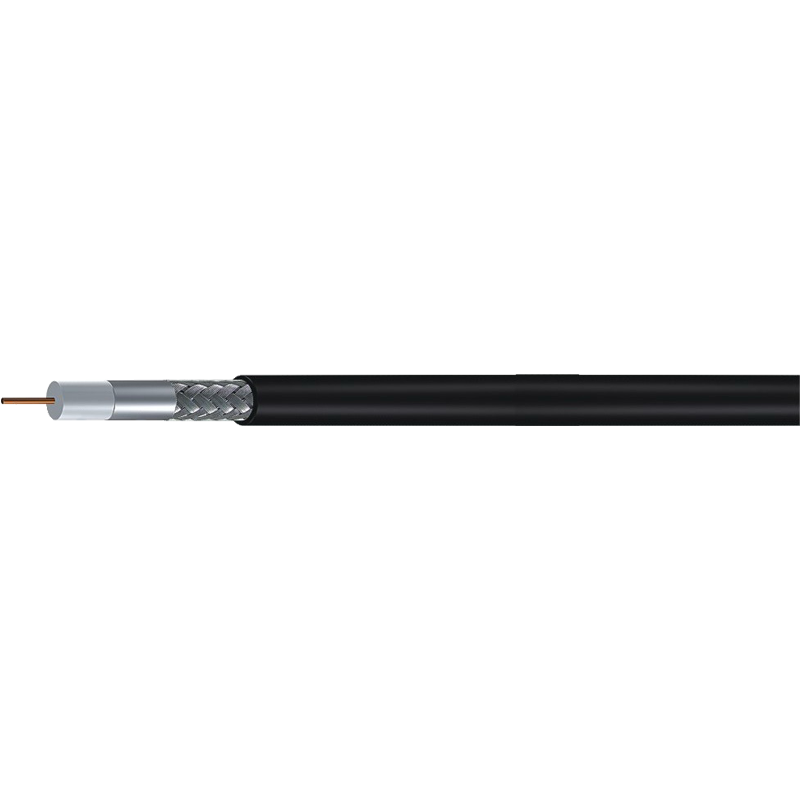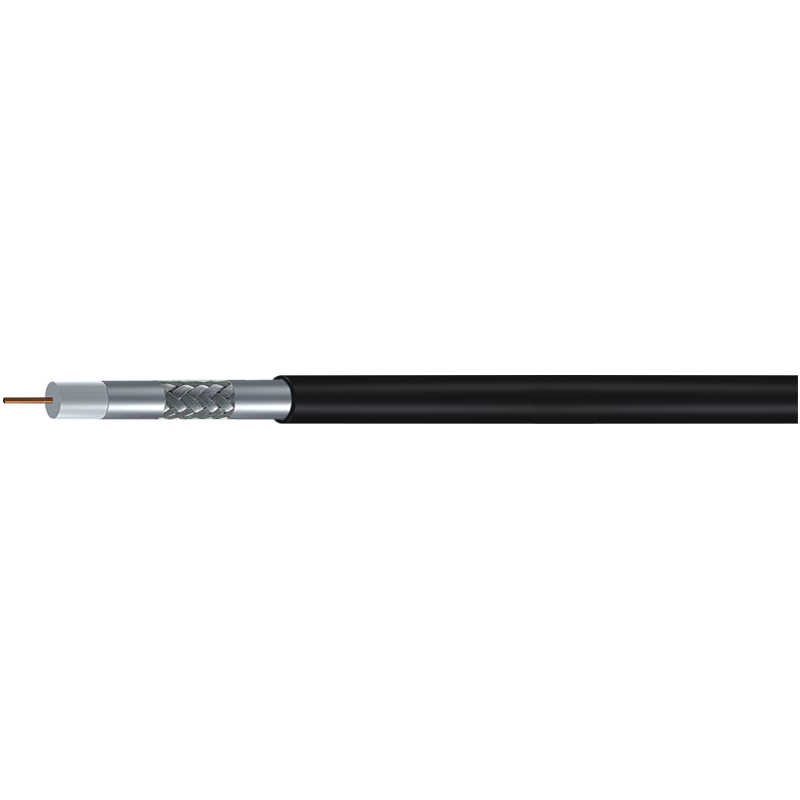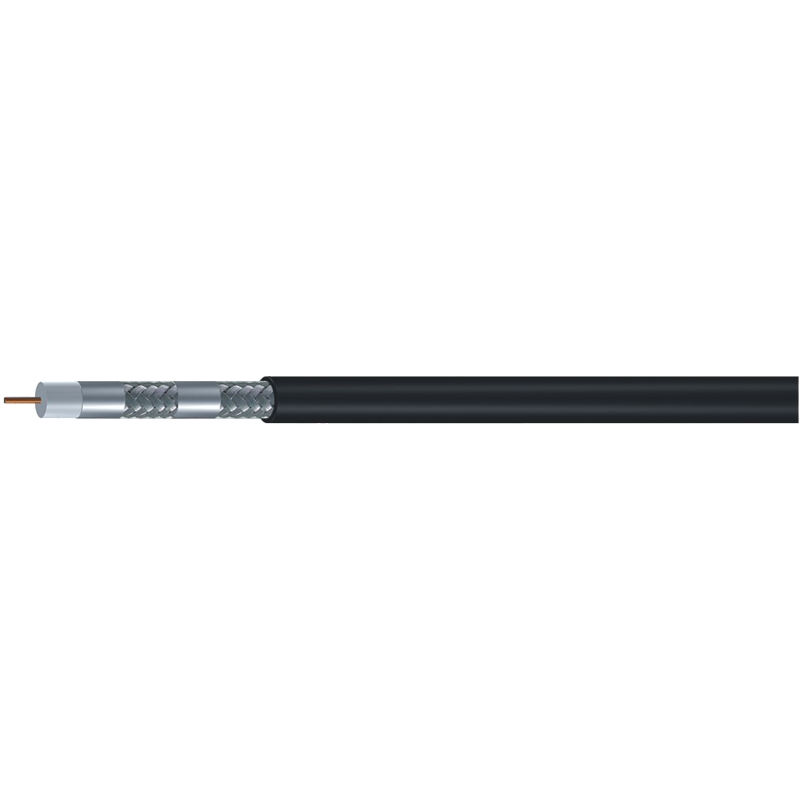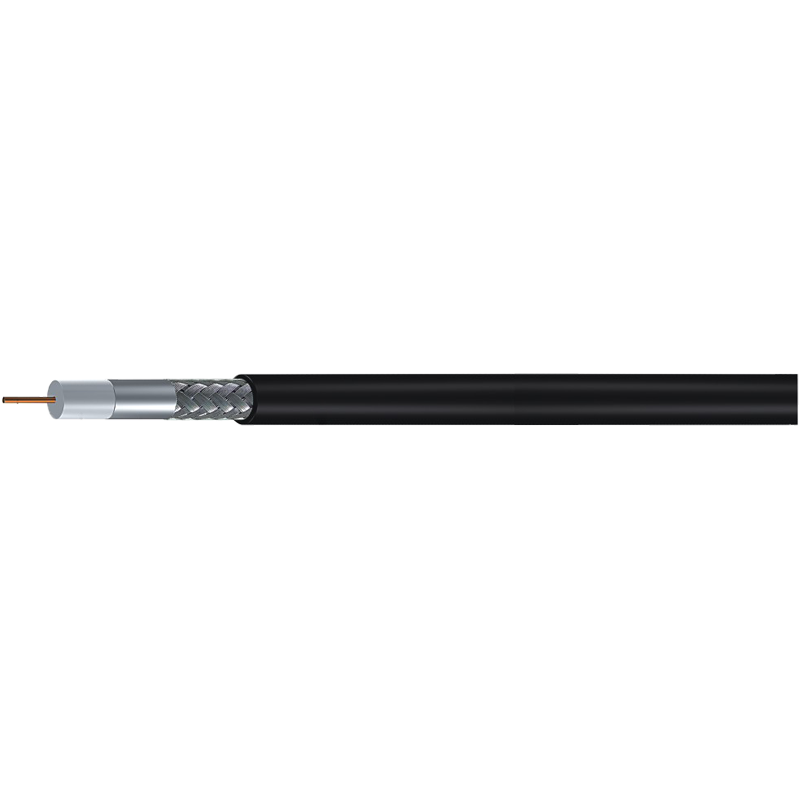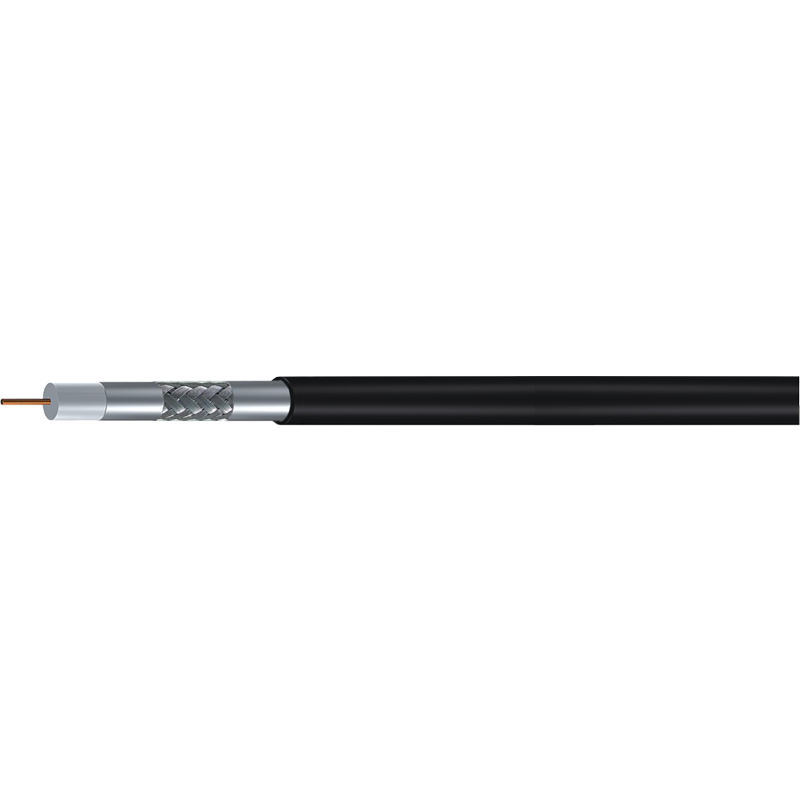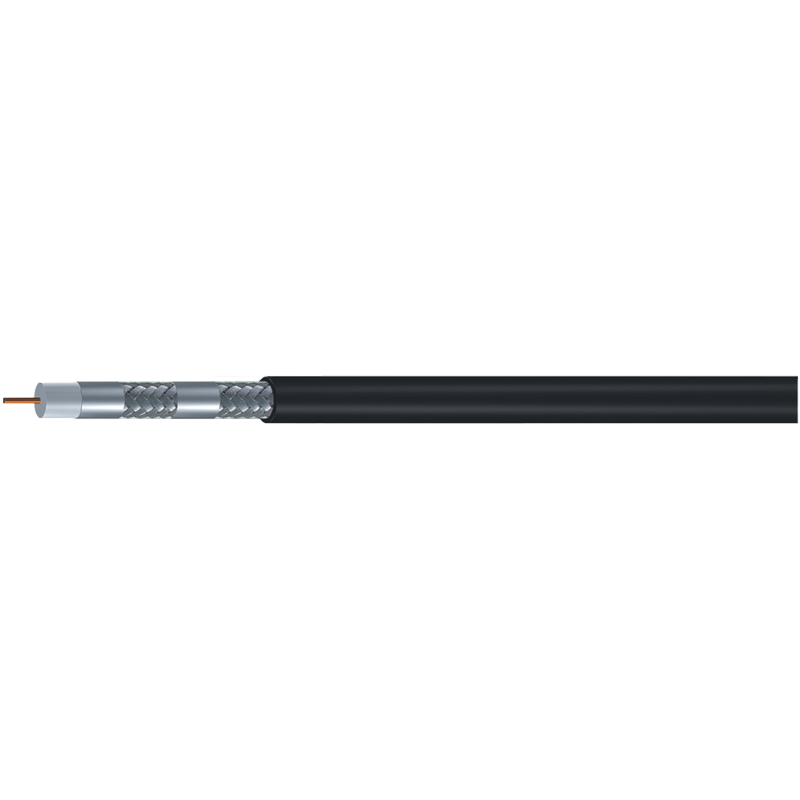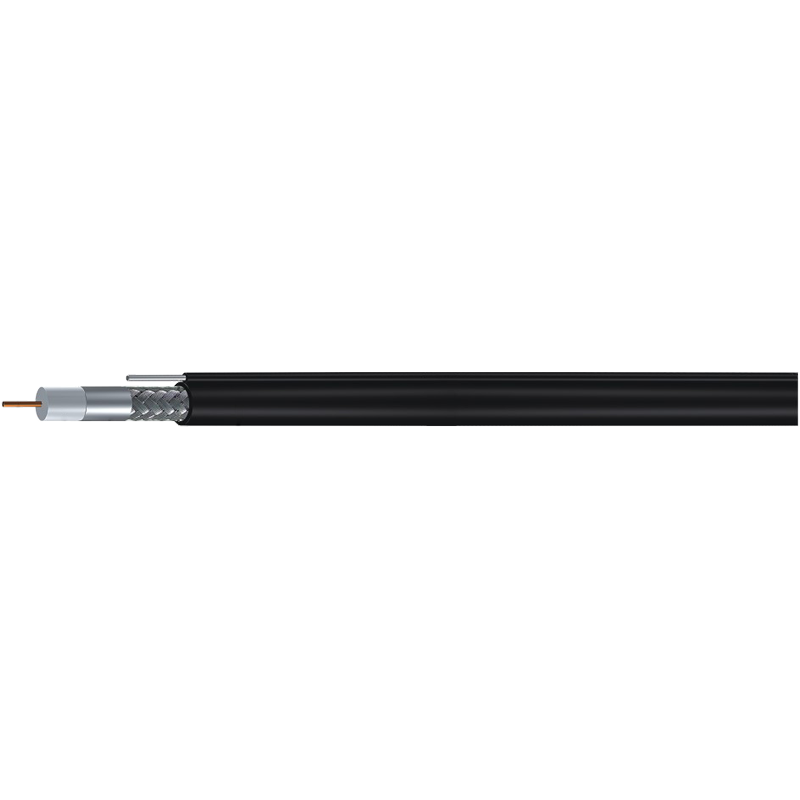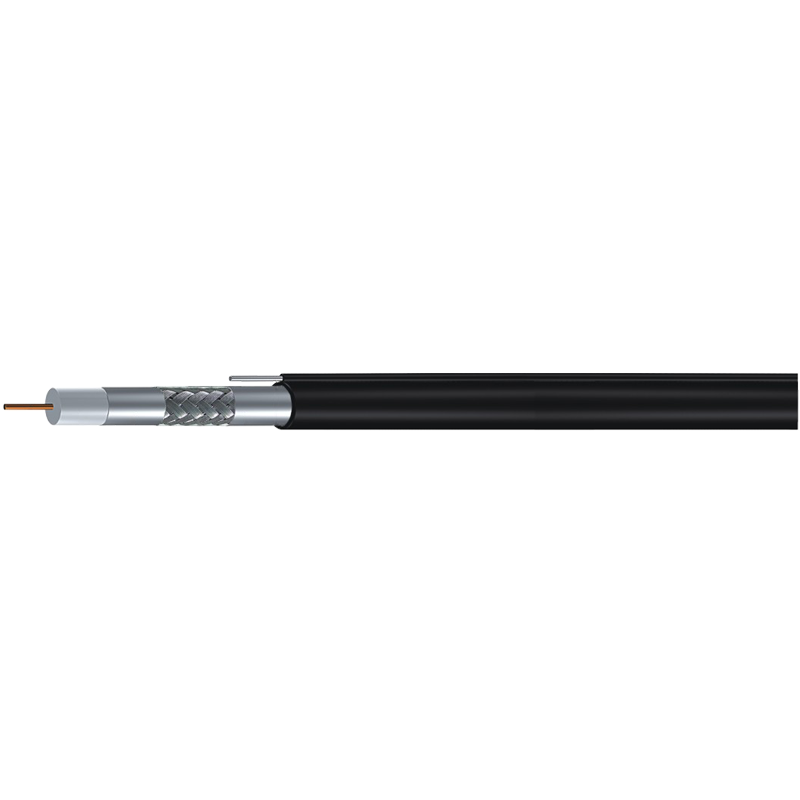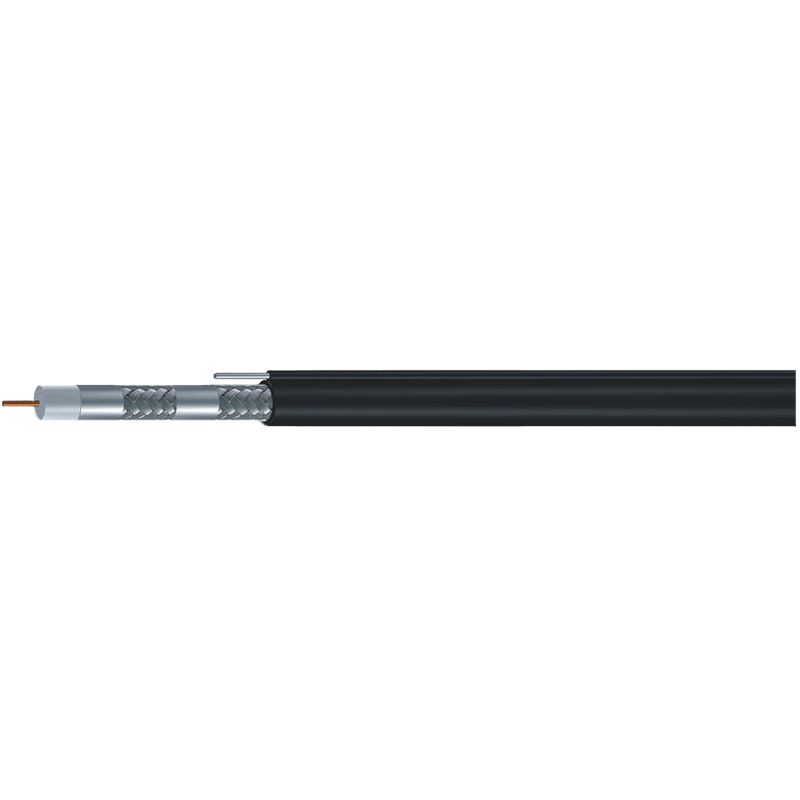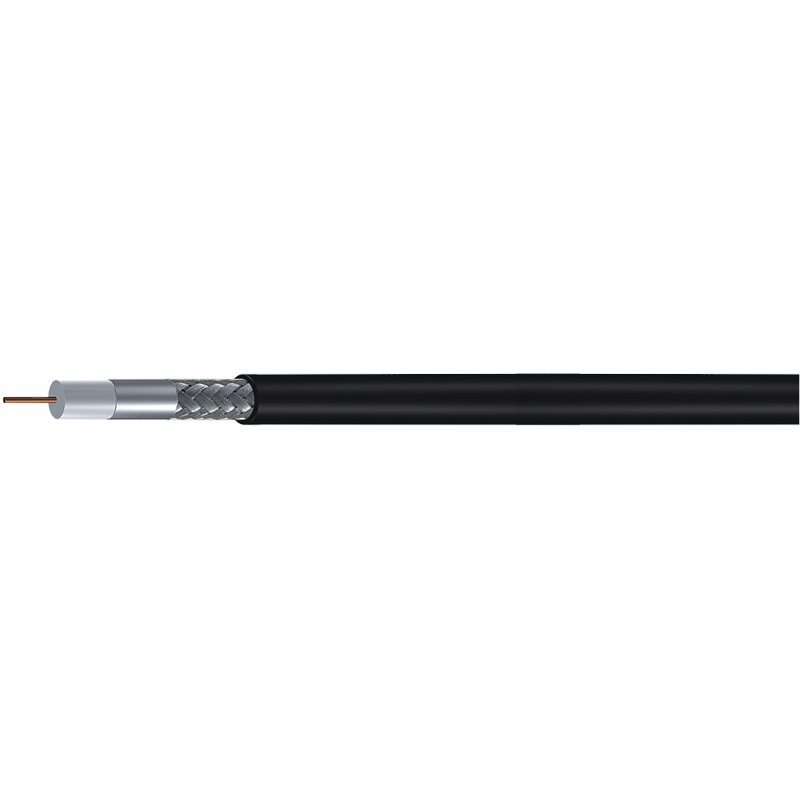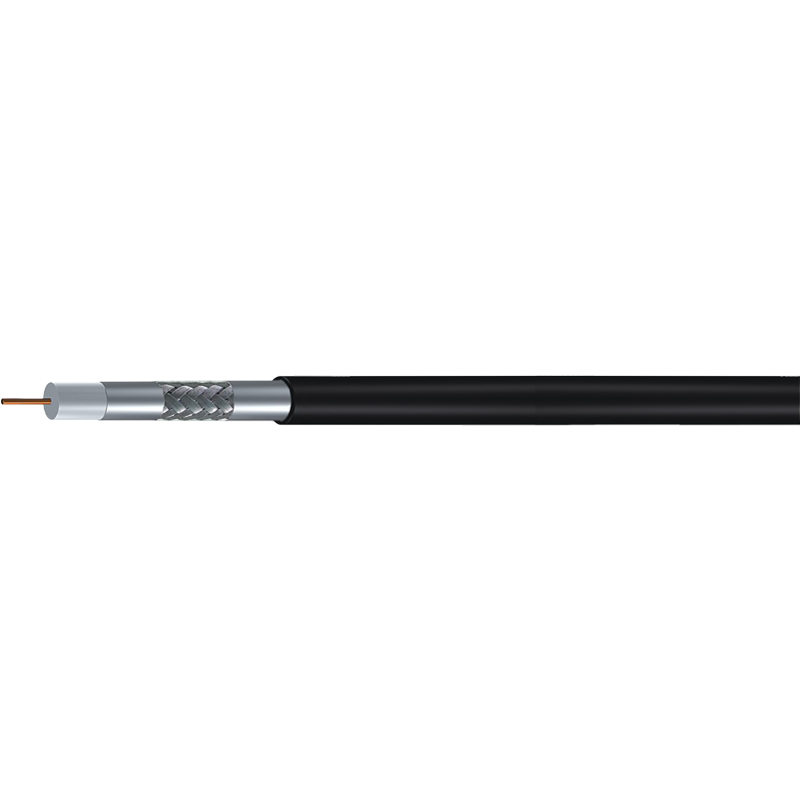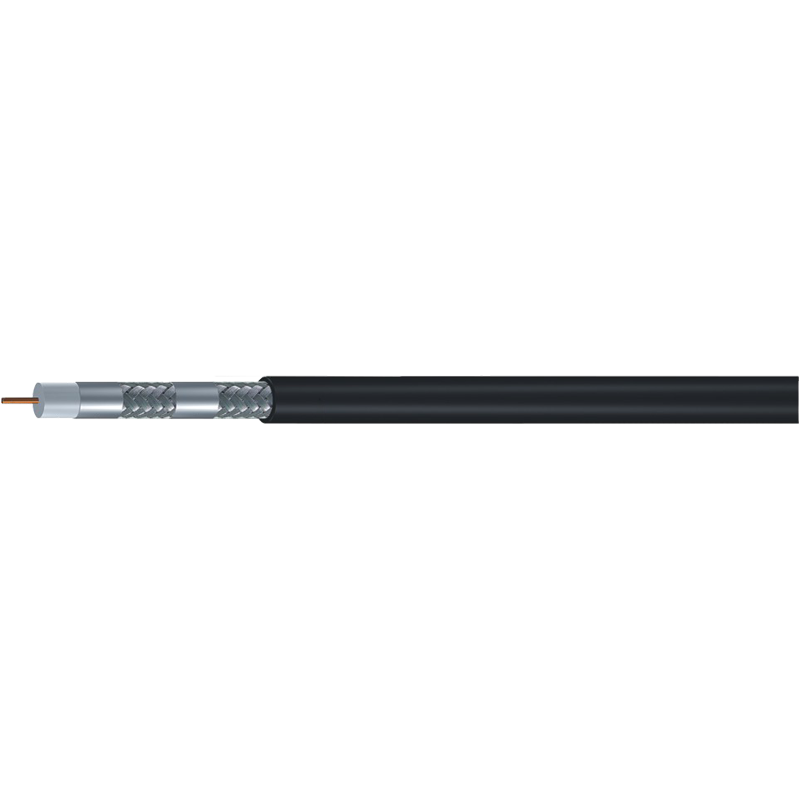
What Types of Connectors Are Compatible with the 540 Trunk Coaxial Cable?
The 540 Trunk Coaxial Cable is typically compatible with standard RF coaxial connectors such as F-type, BNC, and N-type connectors, depending on the application, impedance requirements, and installation environment. These connectors are widely used in broadband, CATV, and RF transmission systems, making them suitable for trunk cable deployments where signal integrity and shielding performance are critical.
The selection of the appropriate connector depends on factors such as system impedance (commonly 75 ohms for video/CATV systems), frequency range, environmental conditions, and mechanical durability requirements.
Common Connector Types for 540 Trunk Coaxial Cable
F-Type Connectors
F-type connectors are the most commonly used connectors with the 540 Trunk Coaxial Cable in residential and commercial CATV systems. They are cost-effective and designed for 75-ohm impedance systems.
- Widely used in cable television and broadband internet
- Suitable for frequencies up to several GHz
- Threaded design ensures secure connection and low signal leakage
BNC Connectors
BNC connectors are commonly used in professional video systems, test equipment, and RF applications involving the 540 Trunk Coaxial Cable.
- Quick-connect bayonet coupling mechanism
- Available in 50-ohm and 75-ohm variants
- Ideal for laboratory and broadcast environments
N-Type Connectors
N-type connectors are used in high-frequency and high-power applications involving the 540 Trunk Coaxial Cable, especially in outdoor or industrial deployments.
- Excellent shielding and low passive intermodulation (PIM)
- Weather-resistant and suitable for outdoor installations
- Threaded coupling for strong mechanical stability
Technical Compatibility Considerations
When selecting connectors for the 540 Trunk Coaxial Cable, impedance matching is critical. Most trunk coaxial cables used in broadband systems are designed for 75-ohm impedance, and connectors must match this specification to minimize signal reflection and loss.
Frequency range is another important consideration. For example, F-type connectors typically support frequencies up to 3 GHz, while N-type connectors can handle significantly higher frequencies, often exceeding 10 GHz in certain configurations.
Connector Comparison Table
| Connector Type | Impedance | Typical Use | Frequency Range |
|---|---|---|---|
| F-Type | 75 Ohm | CATV, Broadband | Up to ~3 GHz |
| BNC | 50/75 Ohm | Video, Testing | Up to ~4 GHz |
| N-Type | 50/75 Ohm | RF, Outdoor Systems | Up to 10+ GHz |
Installation and Termination Best Practices
Proper connector installation is essential to maintain the performance of the 540 Trunk Coaxial Cable. Poor termination can lead to signal loss, impedance mismatch, and increased interference.
- Ensure precise cable stripping to expose the correct conductor length.
- Avoid damaging the shielding braid during preparation.
- Use compression or crimp tools recommended by the connector manufacturer.
- Verify connector tightness and continuity after installation.
In large-scale installations, maintaining consistency in connector type and installation method helps ensure uniform signal quality across the entire network.
Performance and Signal Integrity Impact
The choice of connector directly affects insertion loss, return loss, and overall system performance. For example, a poorly matched connector can introduce reflections that degrade signal quality by several decibels (dB), especially at higher frequencies.
High-quality connectors with proper impedance matching and shielding can significantly reduce noise and ensure stable transmission across long trunk cable runs.
The 540 Trunk Coaxial Cable is compatible with a range of standard RF connectors, including F-type, BNC, and N-type connectors. The optimal choice depends on the specific application, impedance requirements, and environmental conditions.
For residential CATV systems, F-type connectors are typically sufficient, while professional or industrial applications may benefit from BNC or N-type connectors due to their superior durability and frequency handling capabilities. Selecting the correct connector and ensuring proper installation will maximize signal integrity, reduce losses, and extend system reliability.