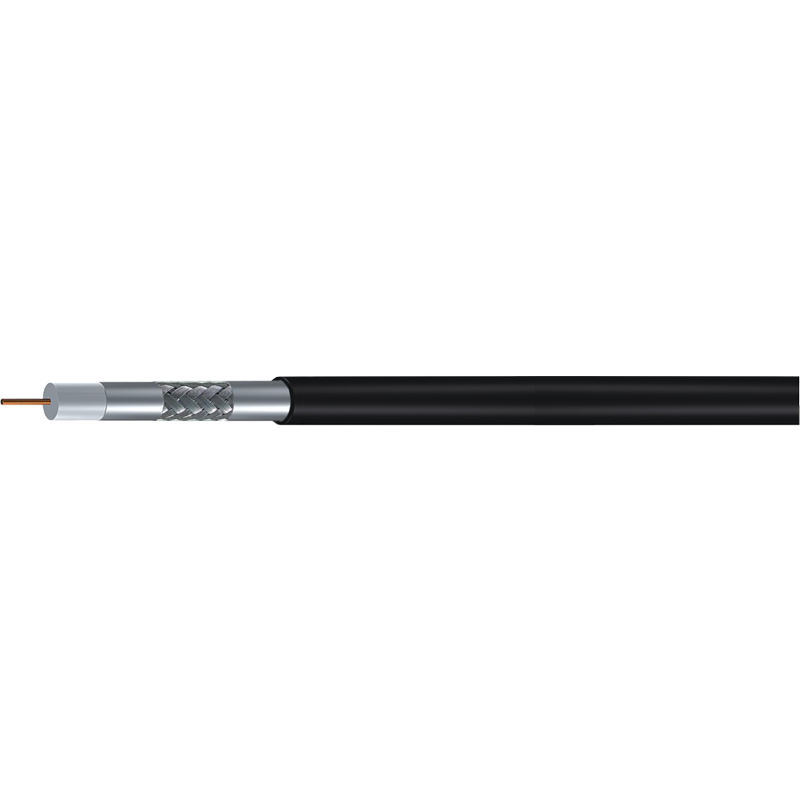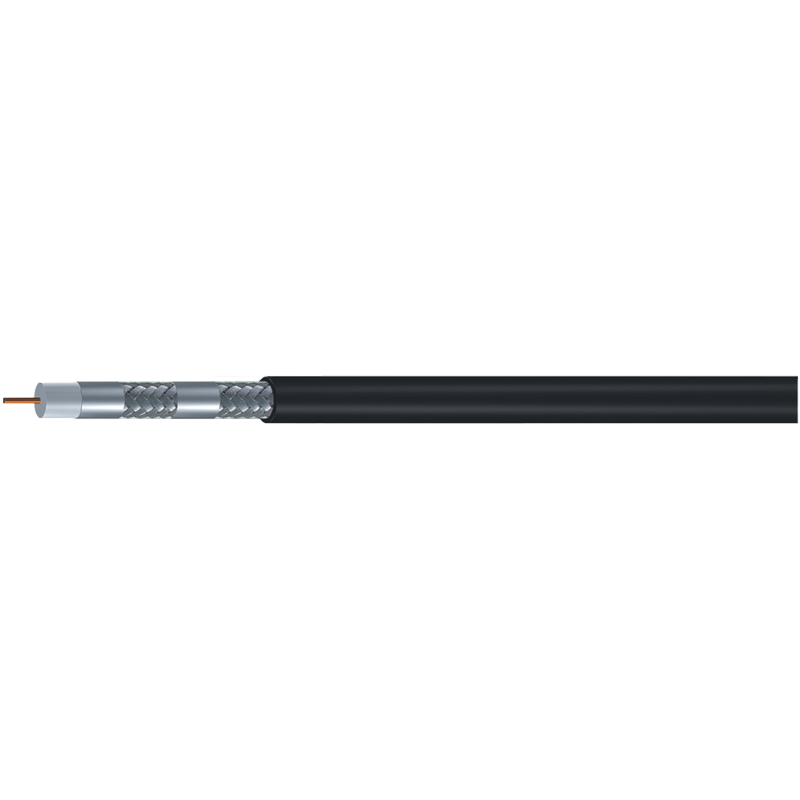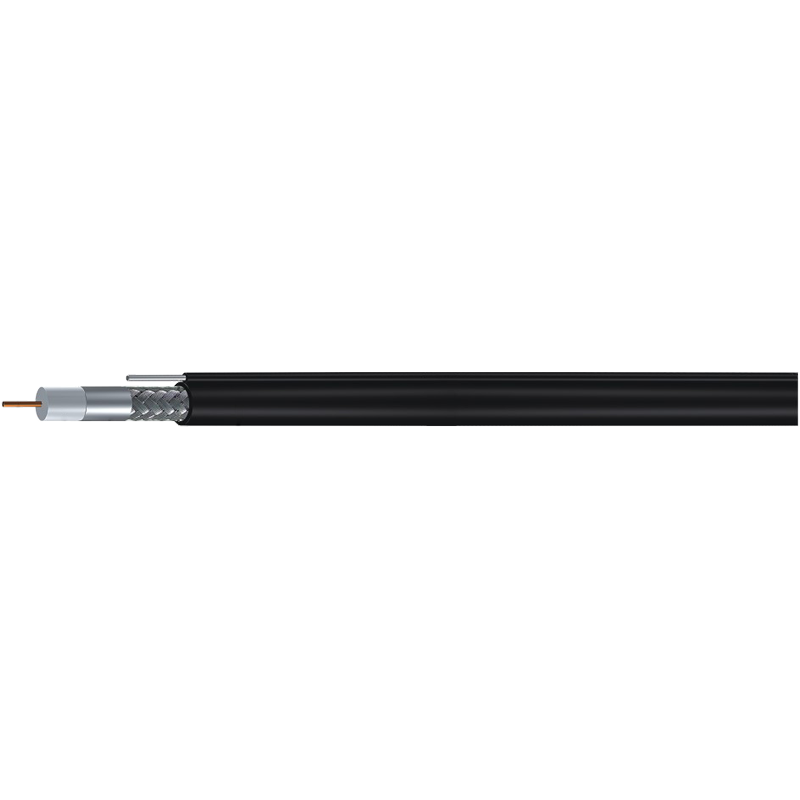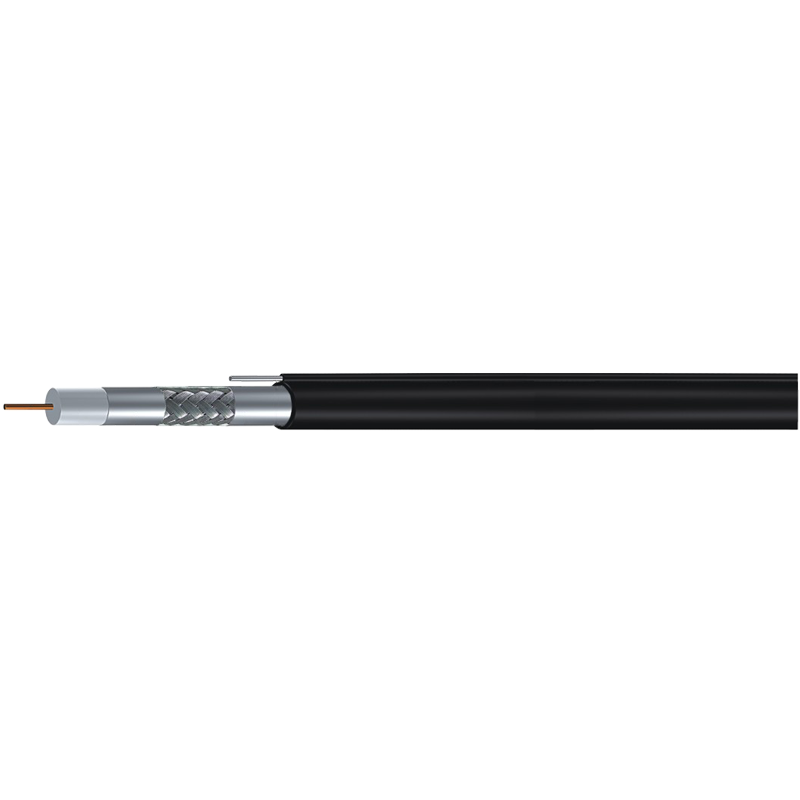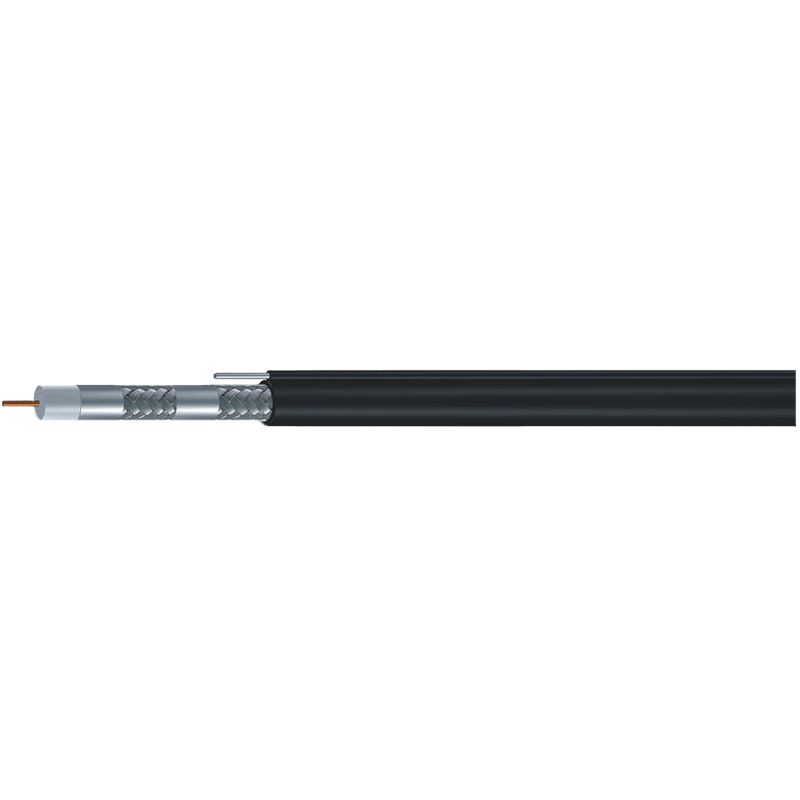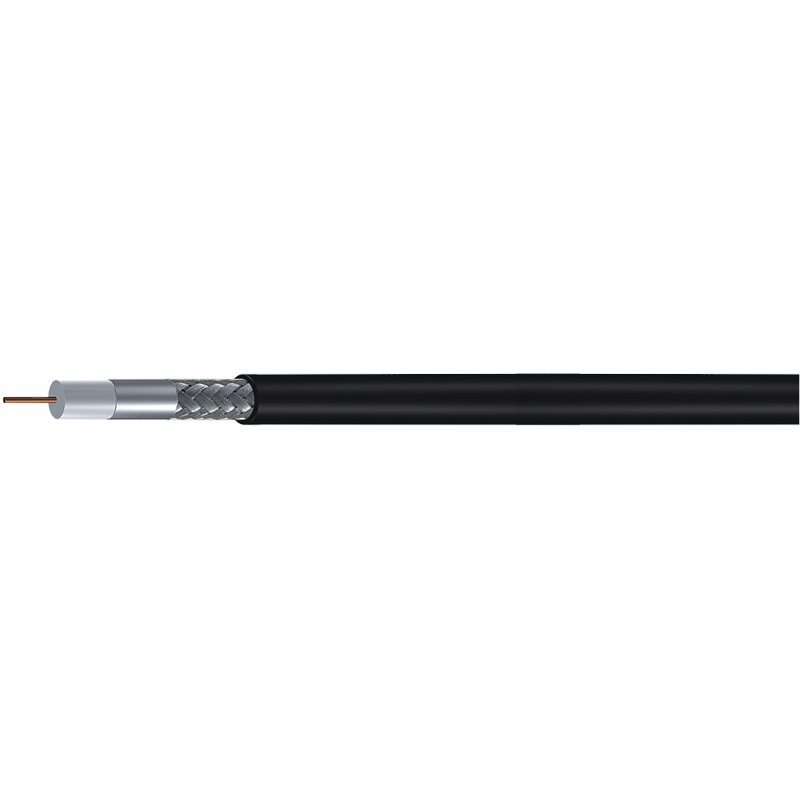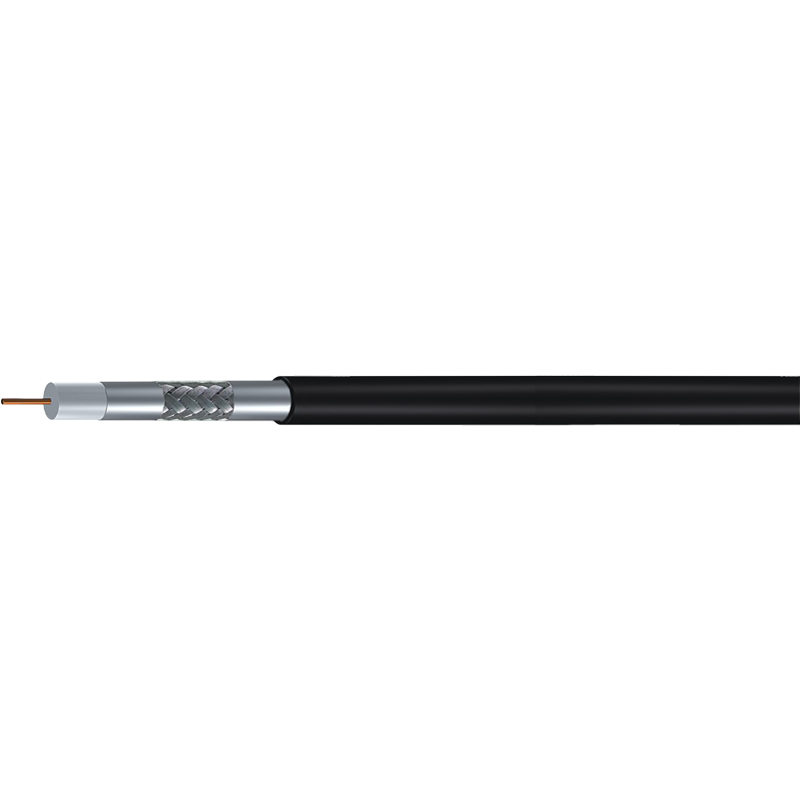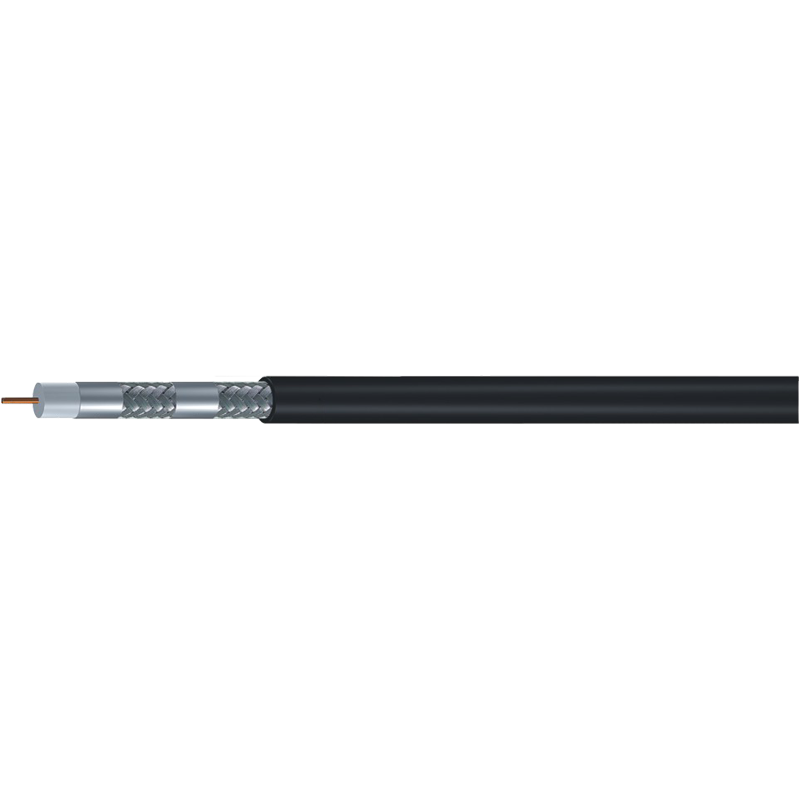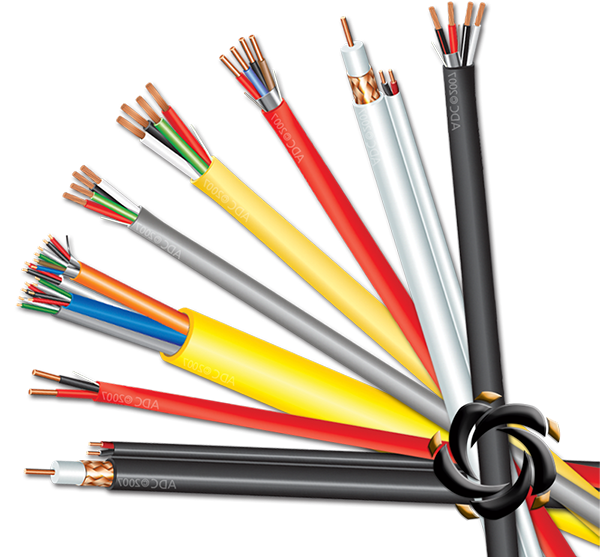
Cable capacitance in CCTV coaxial cable directly degrades high-frequency video signals by acting as a low-pass filter — the higher the capacitance per foot, the more aggressively it attenuates high-frequency components as the cable run lengthens. For CCTV applications, a lower capacitance rating (ideally below 17 pF/ft) is critical for maintaining sharp, detailed video images over long cable runs, particularly when transmitting HD-over-coax signals such as HD-TVI, HD-CVI, or AHD that operate at frequencies up to 30 MHz or higher.
Understanding this relationship is not merely academic — it has direct, measurable consequences on image resolution, color accuracy, and the maximum viable cable length in any surveillance installation.
What Is Cable Capacitance and Why Does It Matter in CCTV Coaxial Cable?
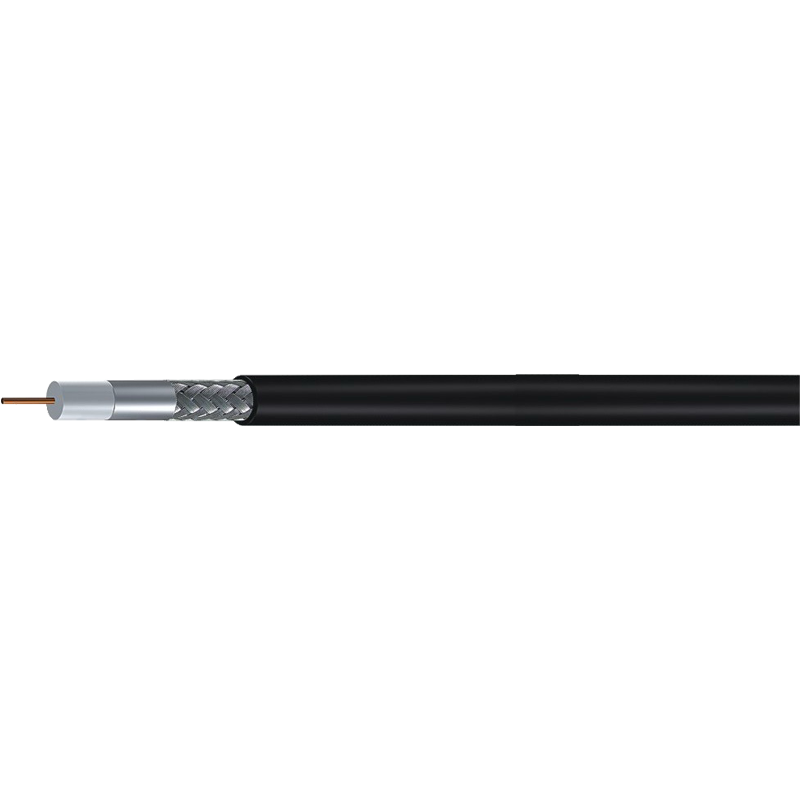
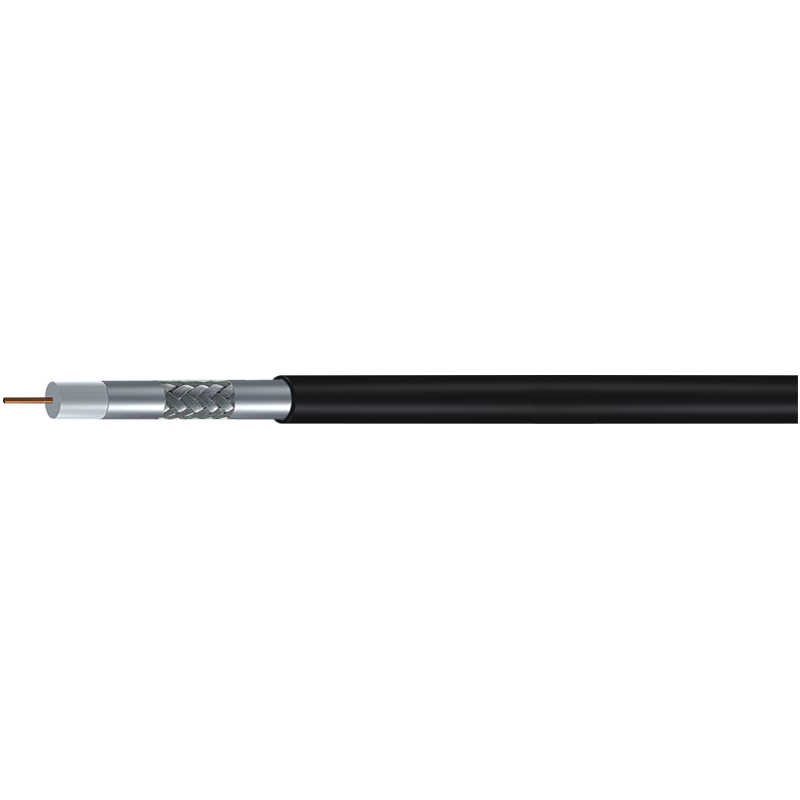
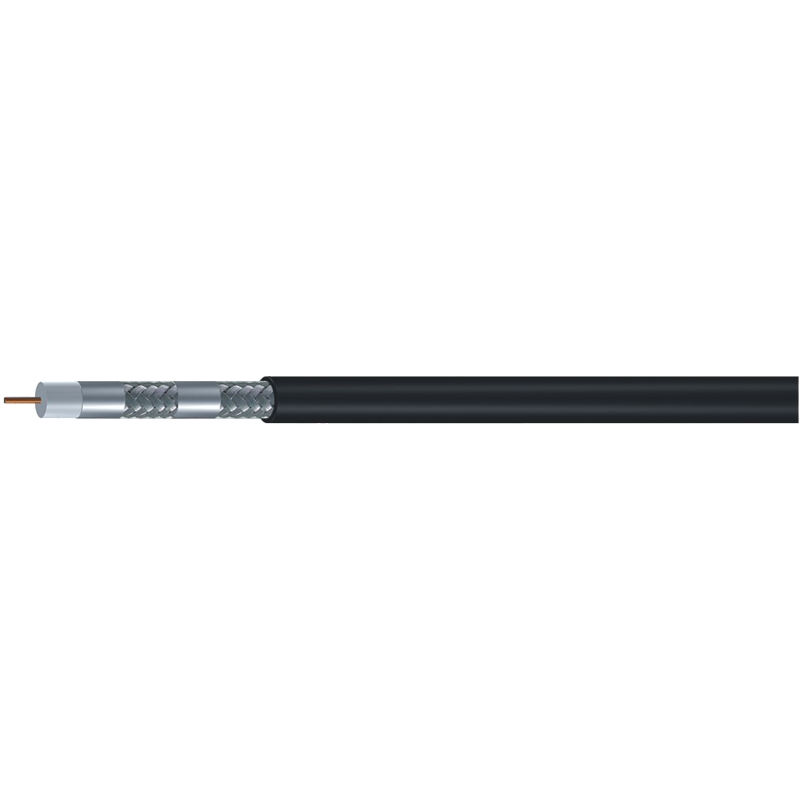
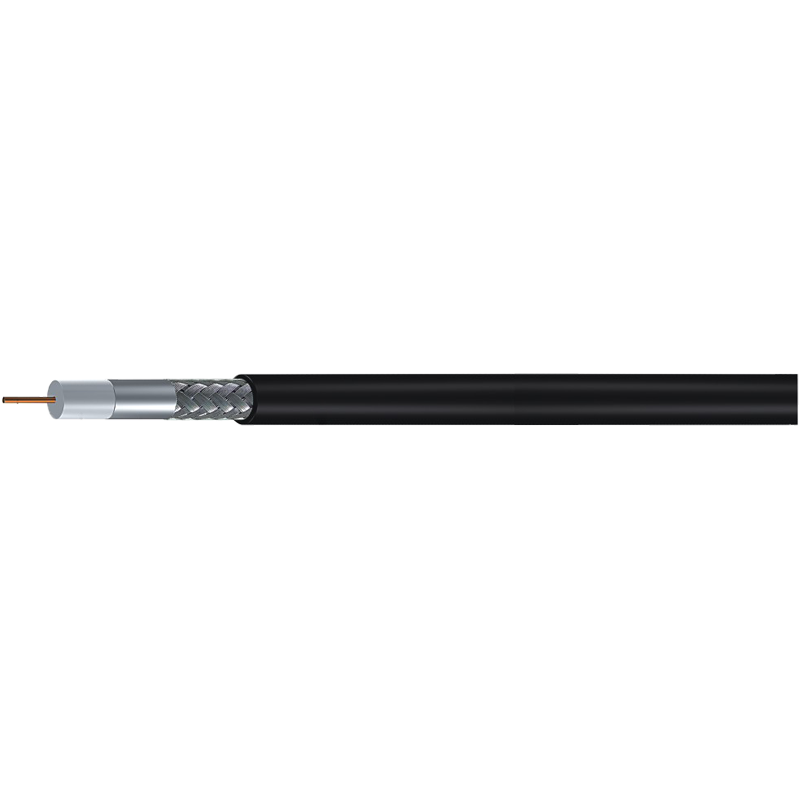
Capacitance in a CCTV coaxial cable is the electrical charge storage that naturally exists between the center conductor and the outer shield, separated by the dielectric insulation material. This capacitance is distributed along the entire length of the cable and is measured in picofarads per foot (pF/ft) or picofarads per meter (pF/m).
The cable essentially behaves like a series of tiny capacitors connected end to end. As signal frequency increases, the impedance of these capacitors decreases, which causes high-frequency signal components to "bleed" into the shield rather than travel forward to the camera or recording device. The result is a signal that loses its high-frequency content progressively — exactly the frequencies that carry fine image detail, sharp edges, and accurate color information.
For standard analog CCTV systems operating at 6 MHz bandwidth, this effect is manageable at moderate distances. However, for modern HD-over-coax systems operating at bandwidths of 20 MHz to 60 MHz, even a modestly high-capacitance cable can cause significant resolution loss within just a few hundred feet.
How Capacitance Values Compare Across Common CCTV Coaxial Cable Types
Different cable types and constructions carry notably different capacitance ratings. The dielectric material, conductor diameter, and shield-to-conductor spacing all influence the final capacitance value. Below is a comparison of common CCTV coaxial cable types and their typical capacitance ratings:
| Cable Type | Typical Capacitance (pF/ft) | Impedance (Ohm) | Common CCTV Use |
|---|---|---|---|
| RG59 | 17 – 21 pF/ft | 75 | Analog CCTV, short HD runs |
| RG6 | 16 – 18 pF/ft | 75 | HD-TVI, HD-CVI, AHD |
| RG11 | 15 – 16 pF/ft | 75 | Long-distance HD surveillance |
| Low-Cap RG59 (Foam Dielectric) | 12 – 15 pF/ft | 75 | High-frequency HD CCTV runs |
As shown, foam dielectric constructions consistently achieve lower capacitance values than solid polyethylene dielectric cables, making them the preferred choice for high-frequency HD surveillance applications where cable runs exceed 200 feet.
The Direct Impact of High Capacitance on Video Signal Quality
The consequences of excessive cable capacitance in a CCTV coaxial cable installation are both visible and measurable. Here is how it manifests across different aspects of video performance:
Loss of Image Sharpness and Resolution
High-frequency components of a video signal carry edge definition and fine texture detail. When these frequencies are attenuated by high cable capacitance, the resulting image appears soft or blurry — even if the camera itself is capable of capturing sharp 1080p or 4MP footage. In a real-world example, a 500-foot run of standard RG59 with 21 pF/ft capacitance can reduce an HD-TVI signal's effective bandwidth by more than 30%, visibly degrading image quality.
Color Smearing and Chroma Errors
Color information in composite and HD-over-coax video signals is encoded at higher frequencies than luminance (brightness). High cable capacitance causes chroma (color) signals to be attenuated more severely than luma, resulting in color bleeding, smearing, or complete color loss at longer cable distances.
Reduced Maximum Cable Length
Each additional foot of CCTV coaxial cable adds cumulative capacitance. A cable rated at 20 pF/ft accumulates 2,000 pF of total capacitance over a 100-foot run — enough to measurably affect signals above 10 MHz. For HD-CVI or HD-TVI systems, manufacturers typically rate maximum cable distances based on specific low-capacitance cable types; using a higher-capacitance cable will reduce these rated distances significantly.
Signal Rise Time Degradation
In digital video-over-coax systems, capacitance increases signal rise time — the time it takes for the signal to transition from low to high voltage. Slow rise times can cause pulse distortion, timing errors, and in severe cases, sync loss or dropped frames in digital video streams.
How Dielectric Material in CCTV Coaxial Cable Controls Capacitance
The dielectric insulation between the center conductor and outer shield is the primary factor determining cable capacitance. The material's dielectric constant (Dk) directly determines how much capacitance is formed per unit length:
- Solid polyethylene dielectric — Dk of approximately 2.3, producing higher capacitance values (18–21 pF/ft). Common in budget-grade CCTV coaxial cable.
- Foam polyethylene dielectric — Dk of approximately 1.5, achieved by introducing air bubbles into the dielectric, producing lower capacitance (12–16 pF/ft). Preferred for high-frequency HD surveillance runs.
- PTFE (Teflon) dielectric — Dk of approximately 2.1 with excellent thermal stability, used in specialized or military-grade coaxial cable rather than standard CCTV coaxial cable.
When selecting CCTV coaxial cable for HD applications, specifying foam dielectric construction is one of the most effective ways to reduce capacitance without increasing cable diameter or cost substantially.
Practical Guidelines for Selecting Low-Capacitance CCTV Coaxial Cable
Choosing the right CCTV coaxial cable based on capacitance requires matching the cable specification to both the signal type and the installation distance. The following guidelines provide a practical framework:
- For analog CCTV under 300 feet: Standard RG59 with up to 21 pF/ft is acceptable. Signal bandwidth requirements are low (6 MHz), and capacitive loss is manageable at this distance.
- For HD-TVI / HD-CVI / AHD runs of 300–500 feet: Use RG6 with a foam dielectric rated at 16–18 pF/ft. This balances cost, flexibility, and performance at medium distances with 1080p or 4MP signals.
- For HD runs exceeding 500 feet: Select RG11 coaxial cable with foam dielectric and capacitance below 16 pF/ft. Its larger conductor diameter and lower capacitance extend viable transmission distances to 1,000 feet or beyond for HD-TVI signals.
- Always verify the cable's datasheet: Look specifically for the capacitance specification in pF/ft or pF/m — do not assume based on cable type alone, as construction quality varies significantly between manufacturers of CCTV coaxial cable.
- Consider in-line video equalizers: For existing high-capacitance CCTV coaxial cable runs that cannot be replaced, passive or active video equalizers can partially compensate for high-frequency attenuation by boosting signal levels at affected frequencies.
Capacitance vs. Attenuation: Understanding Both Specifications Together
It is important not to confuse cable capacitance with attenuation, though both affect signal quality in CCTV coaxial cable. They are related but distinct:
- Attenuation is the overall signal power loss per unit length, expressed in dB/100ft at a specific frequency. It increases with frequency and cable length.
- Capacitance is a structural property of the cable that causes frequency-selective attenuation — specifically targeting high-frequency components more than low-frequency ones.
A cable can have moderate overall attenuation but high capacitance, meaning it passes the signal adequately in total power terms but still destroys fine image detail by disproportionately filtering high-frequency content. For HD surveillance, both specifications must be evaluated together — not just the attenuation figure shown on the product label.
As a reference, a quality RG6 foam dielectric CCTV coaxial cable should exhibit attenuation of no more than 2.0 dB/100ft at 10 MHz and capacitance of no more than 17 pF/ft to be considered suitable for 1080p HD-over-coax installations at distances up to 500 feet.
Key Takeaways for CCTV Coaxial Cable Selection Based on Capacitance
To summarize the most actionable points when evaluating cable capacitance for CCTV coaxial cable installations:
- Lower capacitance (pF/ft) always preserves more high-frequency signal content over long cable runs.
- Foam dielectric CCTV coaxial cable outperforms solid polyethylene dielectric cable in high-frequency transmission due to its lower dielectric constant.
- For HD-over-coax systems, target CCTV coaxial cable with capacitance of 17 pF/ft or less.
- Capacitance accumulates with cable length — plan installations with the total run length in mind, not just per-foot ratings.
- Always consult the manufacturer's datasheet for both capacitance and attenuation figures before committing to a CCTV coaxial cable specification for HD surveillance deployments.