Signal Integrity · Editorial
A close look at why coaxial cable and shielded twisted pair cable handle electromagnetic noise so differently — and what that means for real-world speed and reliability.
The Short Answer: Why Shielded Twisted Pair Resists Interference Better
Coaxial cable is more prone to certain types of signal interference than shielded twisted pair (STP) cable because of how each cable's internal geometry handles electromagnetic noise. Coaxial cable relies on a single-layer shield surrounding one central conductor, while shielded twisted pair cable uses paired, twisted conductors that cancel out interference through opposing electrical fields in addition to shielding. This dual-defense structure in STP cable generally results in more consistent noise rejection, particularly in electrically dense environments like factories, server rooms, and buildings with heavy electrical wiring. Coaxial cable can still perform well within its design limits, but understanding the specific causes of interference helps users choose the right cable for their environment.
What Are Coaxial Cables and How They Are Built
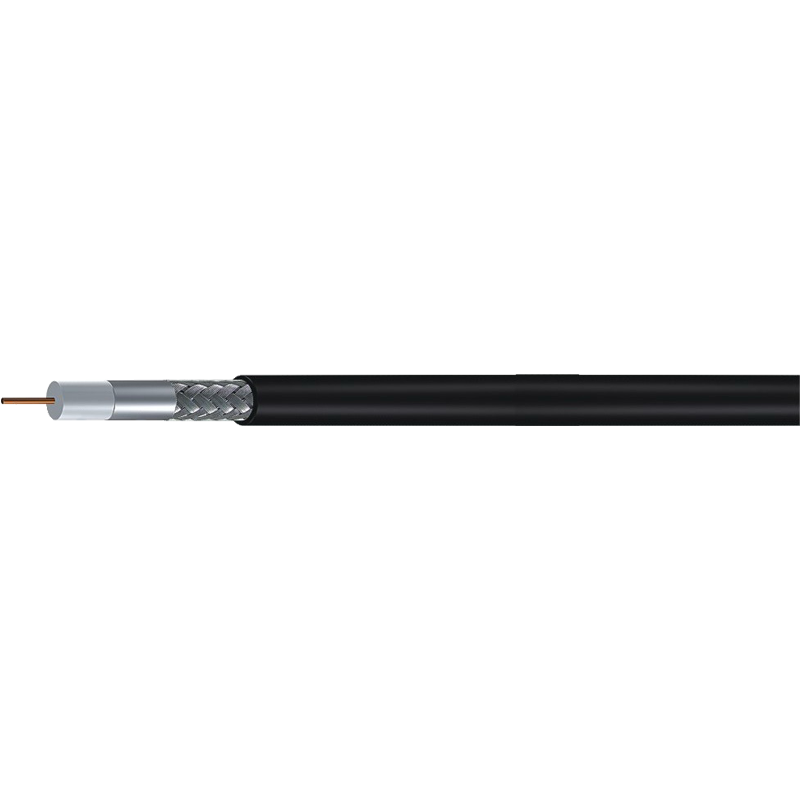
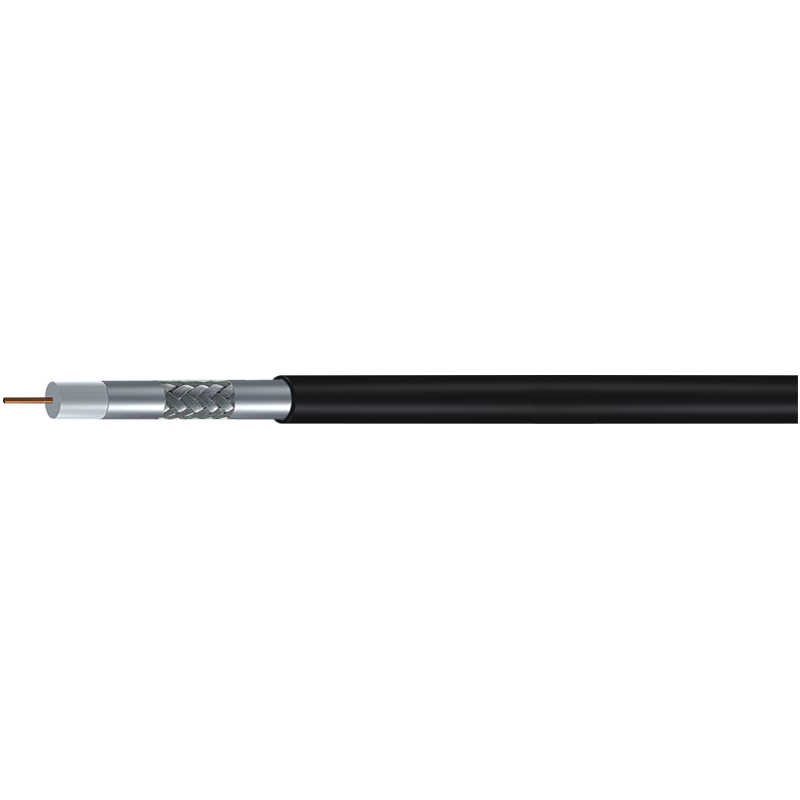
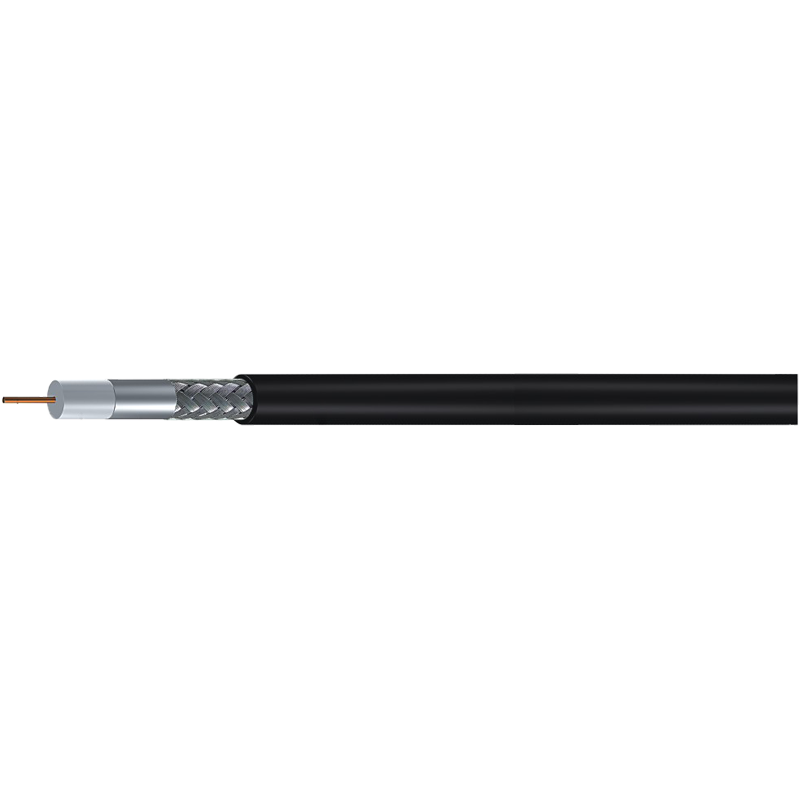
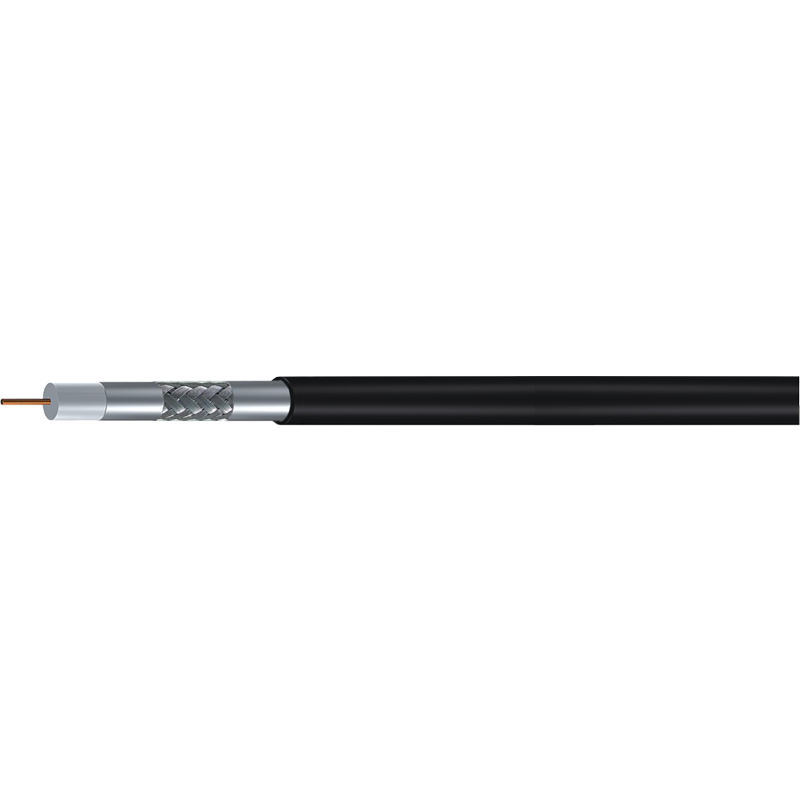
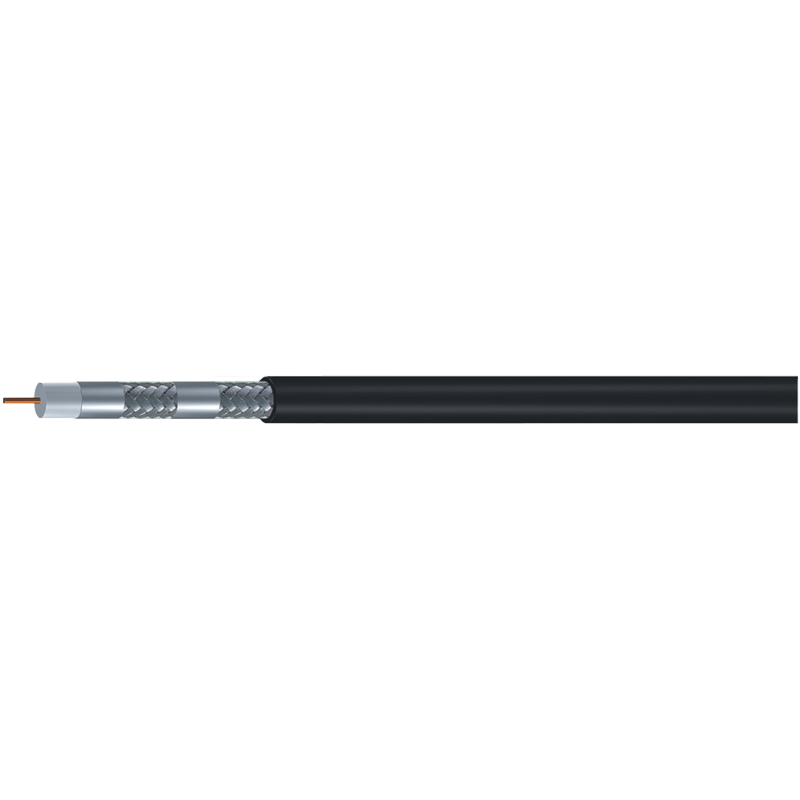
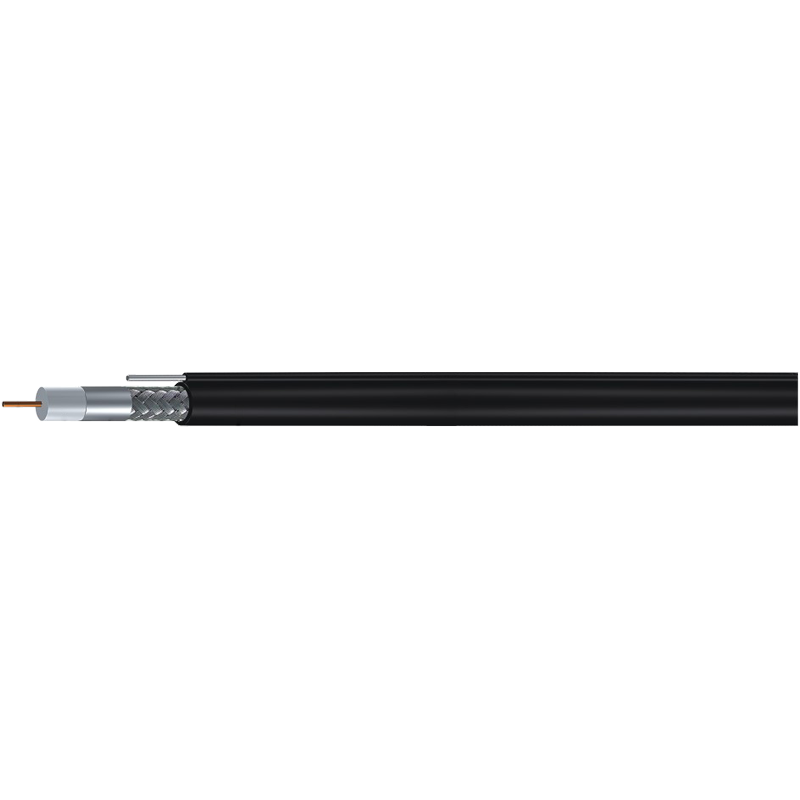
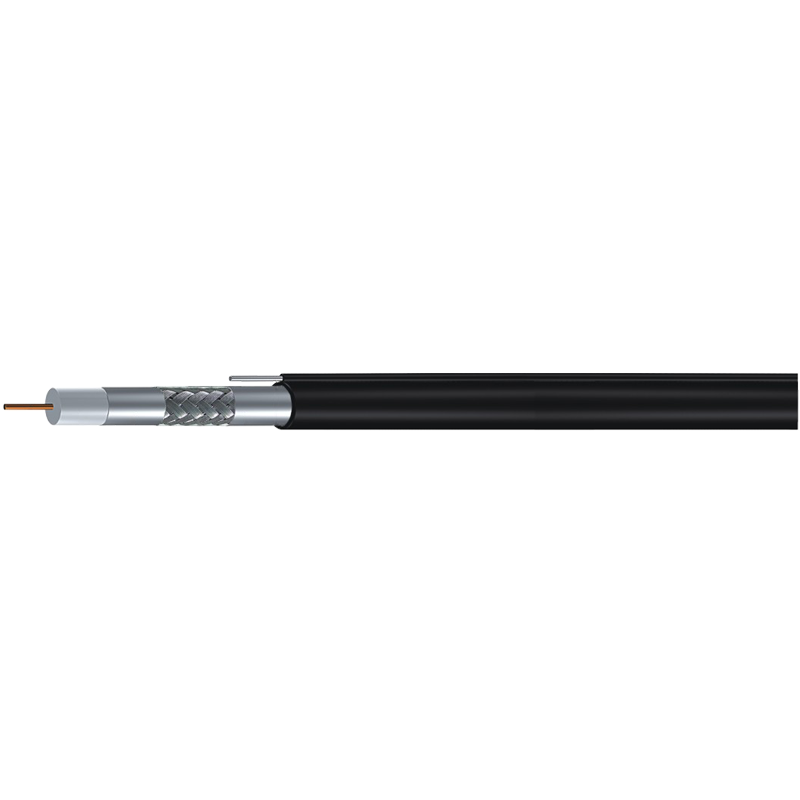
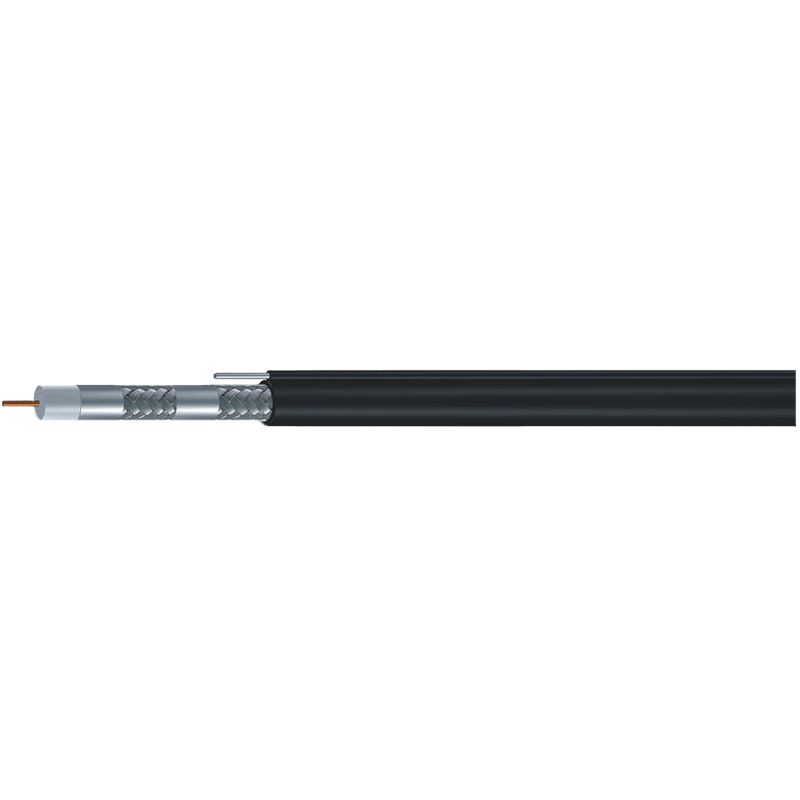
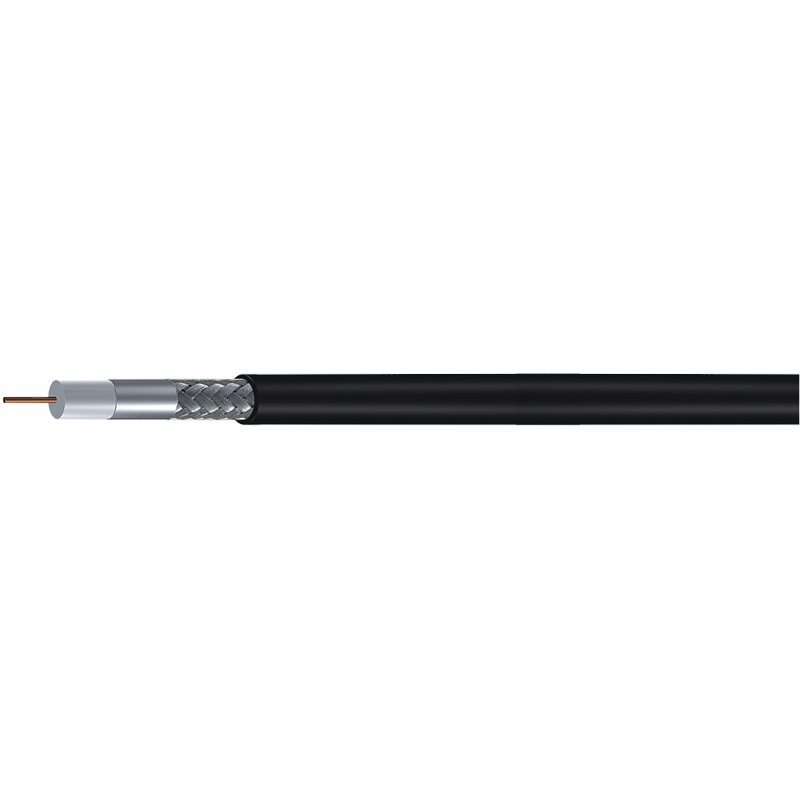
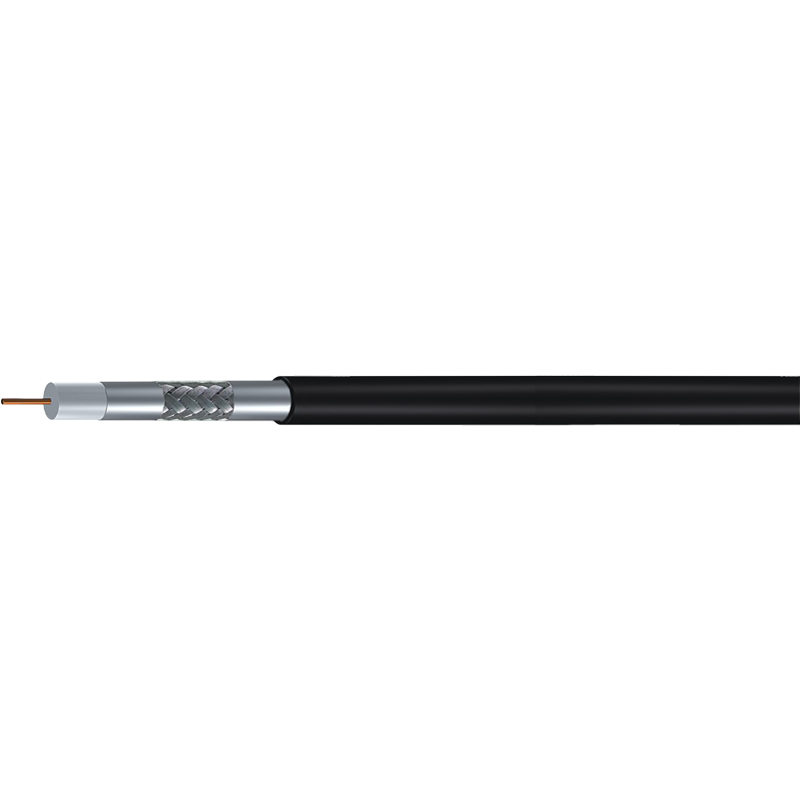
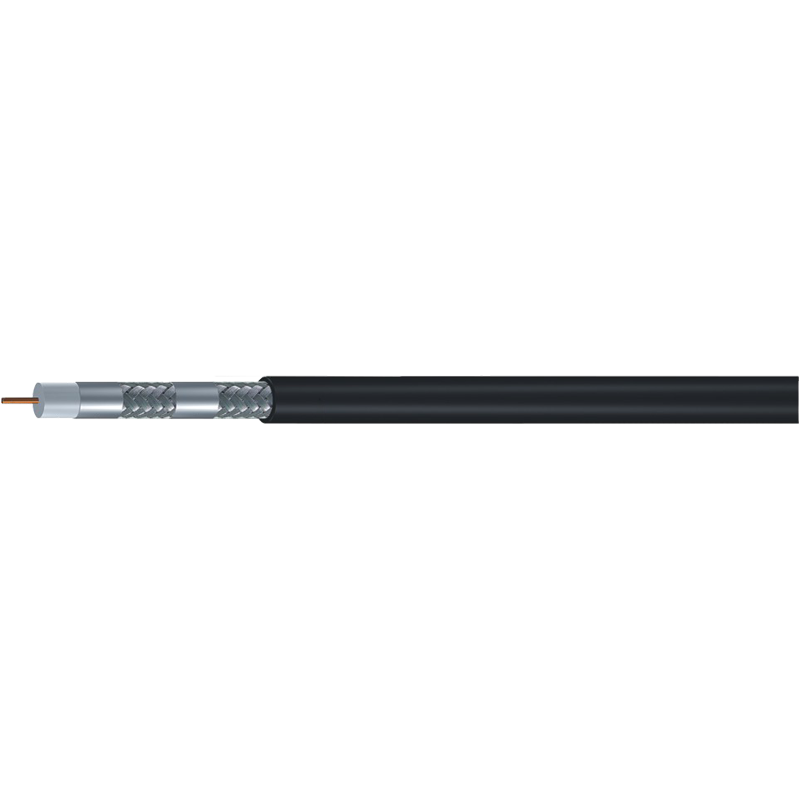
To understand interference, it helps to first clarify what are coaxial cables structurally. A coaxial cable consists of a central copper conductor surrounded by a layer of dielectric insulation, a metallic braided or foil shield, and an outer protective jacket. All of these layers share a common central axis, which is where the name "coaxial" comes from. This single-conductor, single-shield design was originally optimized for carrying radio frequency and video signals over moderate distances.
What does a coaxial cable look like in practical terms? Most users recognize it as a round, moderately thick cable terminating in a threaded connector, commonly seen on the back of televisions, modems, and satellite receivers. Its rigid, cylindrical profile distinguishes it from the flatter, more flexible appearance of twisted pair cabling used in most Ethernet networks.
The Core Cause: Single Shield Versus Twisted Pair Cancellation
The primary cause of interference susceptibility in coaxial cable is its reliance on a single physical shielding layer to block external electromagnetic noise. This shield is effective at blocking a significant portion of outside interference, but it is a passive barrier — it does not actively cancel out any noise that manages to penetrate it.
Shielded twisted pair cable combines a metallic shield with an active defense mechanism: twisting paired conductors so opposing noise voltages largely cancel each other out at the receiving end.
Coaxial cable, having only one central conductor, cannot take advantage of this cancellation effect — a structural limitation no amount of shielding alone can fully overcome.
Coaxial cable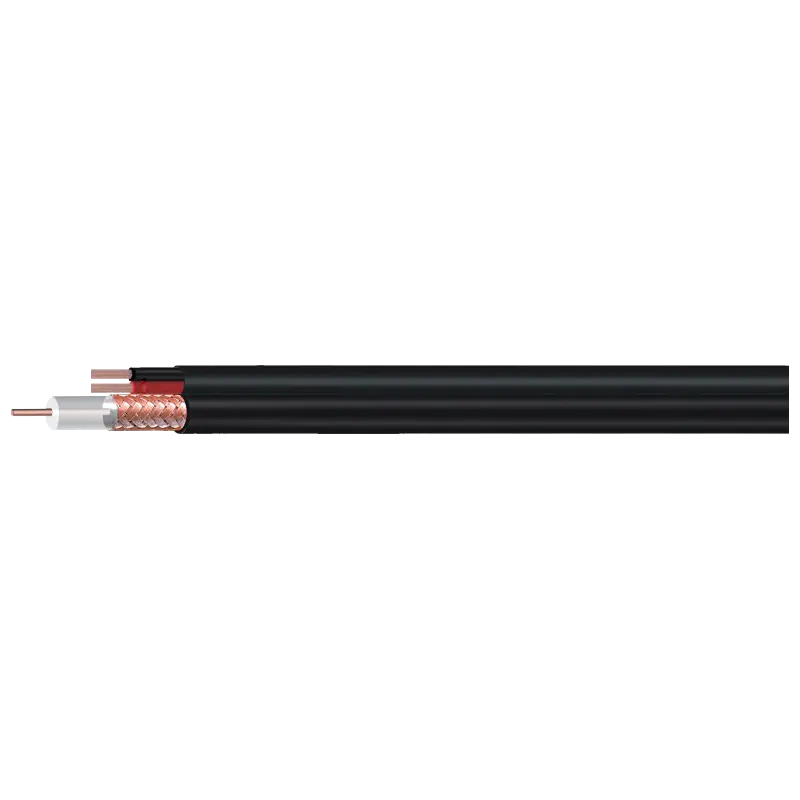
Common Sources of Interference Affecting Coaxial Cable
Several real-world sources commonly disrupt coaxial cable signal quality, particularly in environments with dense electrical infrastructure.
- Electric motors and industrial machinery generating strong electromagnetic fields
- Fluorescent and LED lighting ballasts producing high-frequency noise
- Power lines and transformers running parallel to cable routes
- Radio frequency transmitters, including nearby wireless routers and broadcast equipment
- Poorly grounded shielding, which can turn the shield itself into a noise antenna rather than a noise blocker
Warning
If a coaxial cable's shield is grounded at multiple points with different electrical potentials, it can create a ground loop — introducing hum and noise into the signal rather than eliminating it.
How Interference Impacts Coaxial Cable Speeds
Interference does not just create visible static or degraded picture quality on video feeds — it directly affects coaxial cable speeds in data applications. When noise corrupts a portion of the transmitted signal, error correction protocols must retransmit the affected data packets, which reduces effective throughput even if the cable's rated bandwidth remains technically unchanged.
Typical Speed Impact Under Interference Conditions
| Interference Level | Coaxial Cable Effective Speed | Shielded Twisted Pair Effective Speed |
|---|---|---|
| Minimal (clean environment) | Near full rated speed | Near full rated speed |
| Moderate (mixed electrical wiring nearby) | Noticeable throughput reduction | Minor throughput reduction |
| High (industrial or dense RF environment) | Significant packet loss and retransmission | Moderate but manageable degradation |
This is why coaxial cable networks in electrically noisy environments, such as older buildings with mixed wiring or facilities near industrial equipment, often see inconsistent real-world speeds despite being rated for higher theoretical bandwidth.
Frequency Range and Susceptibility
Coaxial cable typically operates across a broad frequency range, often from a few megahertz up to several gigahertz depending on the grade. This wide operating range means coaxial cable can be exposed to interference sources across a correspondingly wide spectrum, from low-frequency electrical hum to high-frequency radio transmissions.
Shielded twisted pair cable used for structured data networking is generally optimized for narrower, well-defined frequency bands aligned with specific networking standards, such as Category 6A shielded cable rated for 10GBASE-T applications up to 500 MHz. This more targeted design, combined with the differential signaling method, allows STP cable to maintain stronger noise immunity within its intended operating range.
Shield Quality and Construction Differences
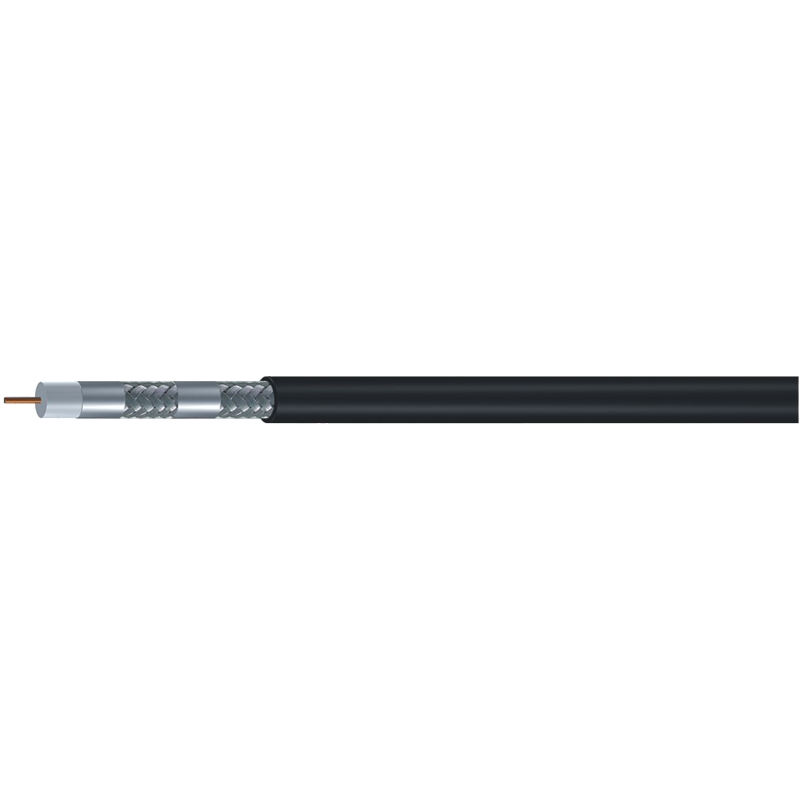
Not all coaxial cable shielding is equal. Basic coaxial cable may use a single braided copper shield, while higher-grade variants use quad-shielding, combining braided and foil layers for improved protection.
Info
Even with quad-shielding, coaxial cable's fundamental single-conductor design still lacks the active noise-cancellation benefit that twisted pair geometry provides.
Shielded twisted pair cable typically wraps either individual pairs (often labeled STP or FTP) or the entire cable bundle in foil or braided shielding, then adds the twist-based cancellation on top. This layered approach is one reason STP cable is frequently specified for industrial Ethernet, building automation systems, and environments with known electrical noise sources.
Practical Ways to Reduce Interference in Coaxial Cable Installations
Users cannot always switch cable types, especially in existing installations, so minimizing interference through proper practices becomes essential.
- Ground the cable shield at a single point only to avoid ground loop noise
- Route coaxial cable away from parallel runs of power cabling wherever possible
- Use quad-shielded coaxial cable in environments with known electrical noise
- Ensure all connectors are properly crimped and fully seated to maintain shield continuity
- Inspect and replace damaged or corroded shielding, which loses its protective effectiveness over time
When to Choose Coaxial Cable Despite Interference Risks
Coaxial cable remains a strong choice for applications like residential cable television, satellite feeds, and short-distance video transmission where its interference susceptibility is manageable within a controlled environment. In these settings, the risk of significant interference is generally low, and coaxial cable's cost-effectiveness and broad compatibility make it the practical option.
Success
For data networking in electrically noisy environments, shielded twisted pair cable is often the more reliable choice, offering more consistent coaxial cable speeds when interference is a genuine concern rather than a theoretical one.
Final Takeaway
The core reason coaxial cable experiences more interference than shielded twisted pair cable comes down to design: a single passive shield around one conductor cannot match the combined shielding and active noise-cancellation of twisted, paired conductors. Grounding practices, cable routing, and shield quality all influence how much this theoretical disadvantage translates into real-world performance loss. Users installing cable in electrically noisy environments should weigh these factors carefully when choosing between coaxial and shielded twisted pair options.