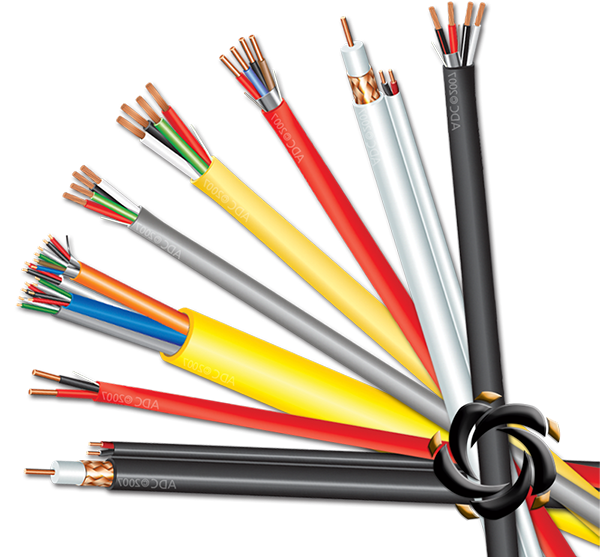
For most CCTV installations, a 75 ohm coaxial cable delivers more stable video transmission, lower latency, and simpler installation compared with Ethernet cable. Coaxial cable is specifically designed for video signal transport, making it ideal for traditional analog or HD-over-coax systems.
Ethernet cable, however, is more suitable for IP camera setups requiring network integration, remote monitoring, and centralized management. The choice depends on the type of surveillance system and the specific performance priorities.
Understanding the Cable Structures
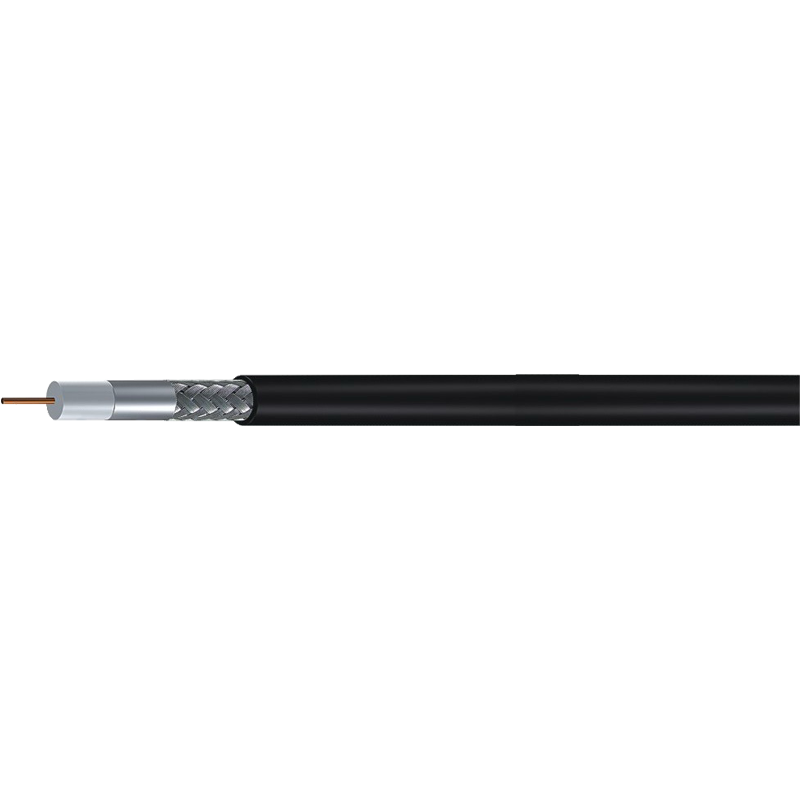
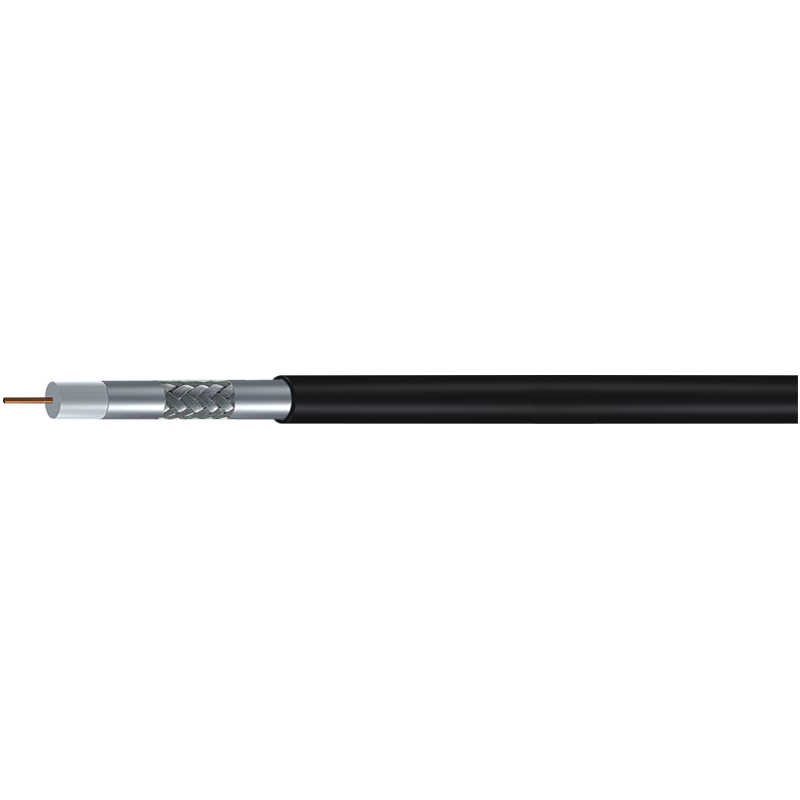
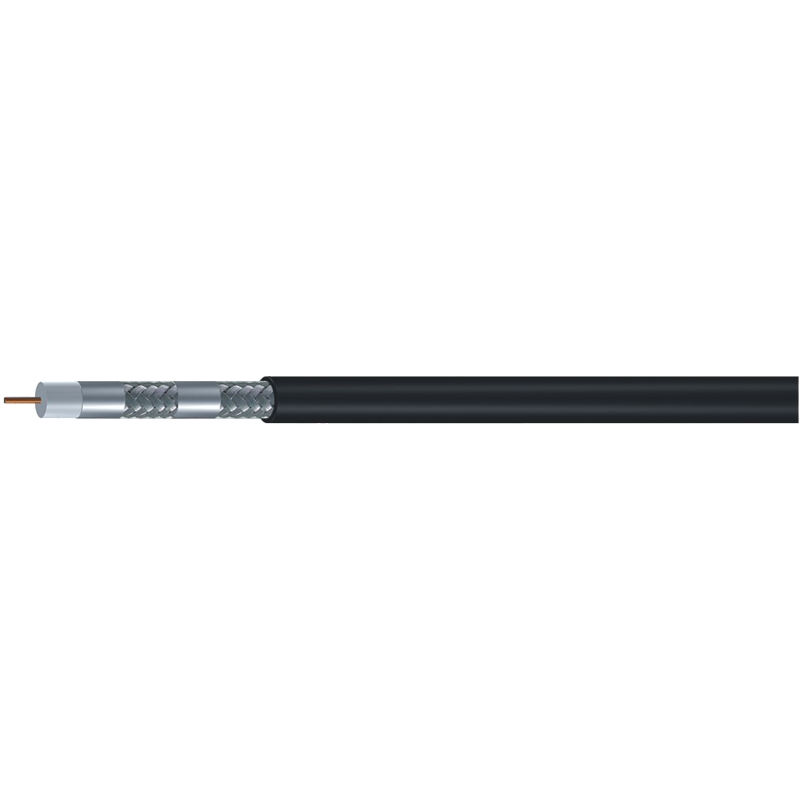
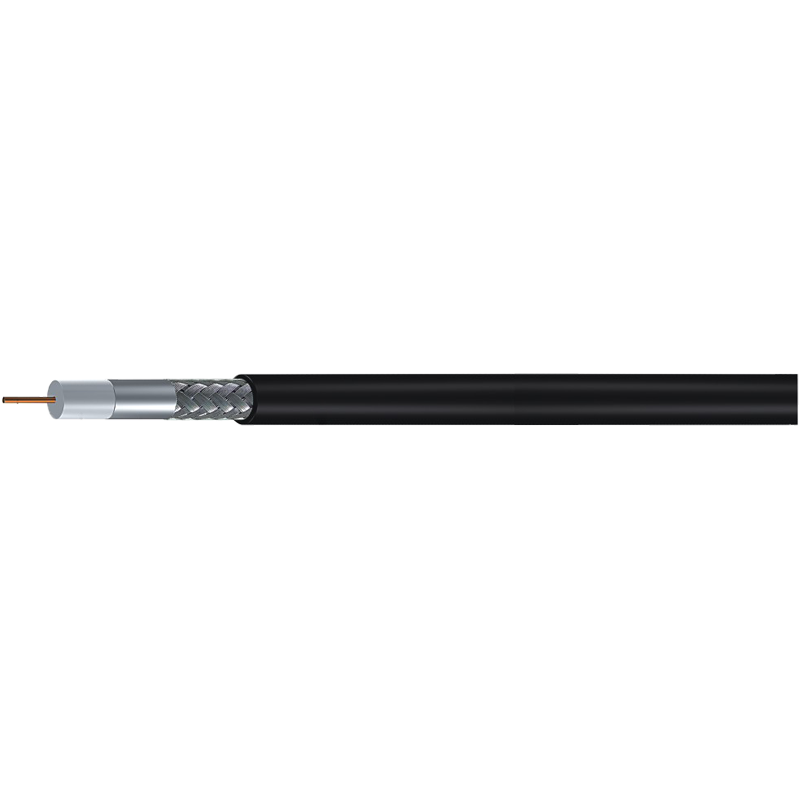
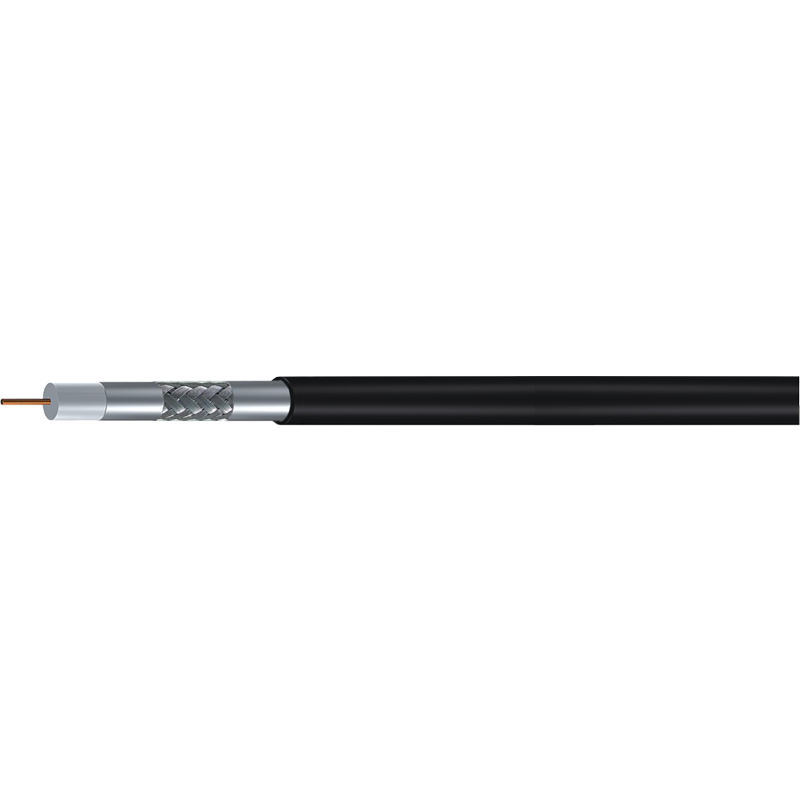
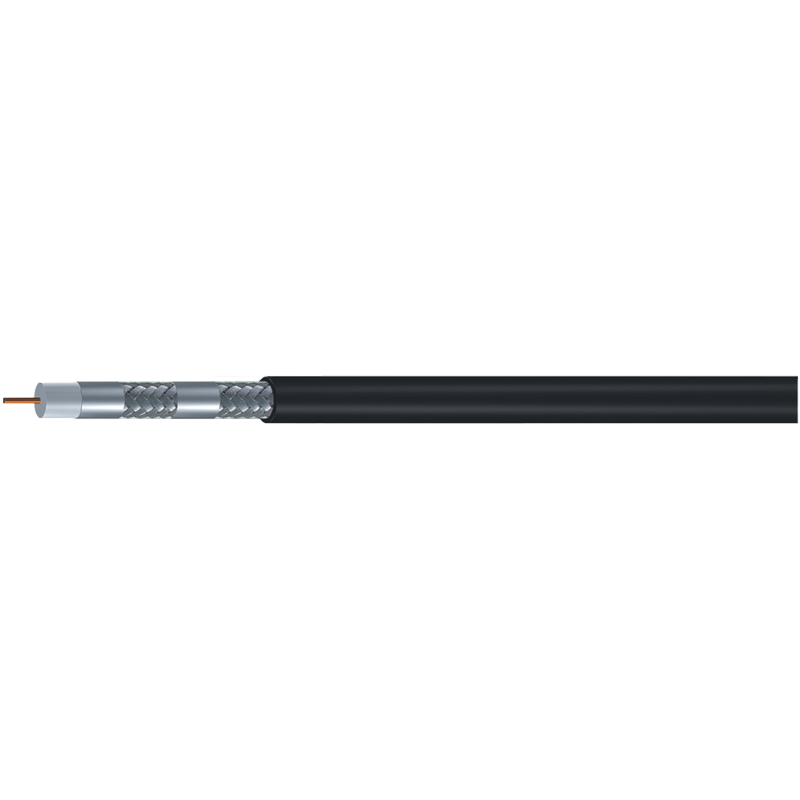
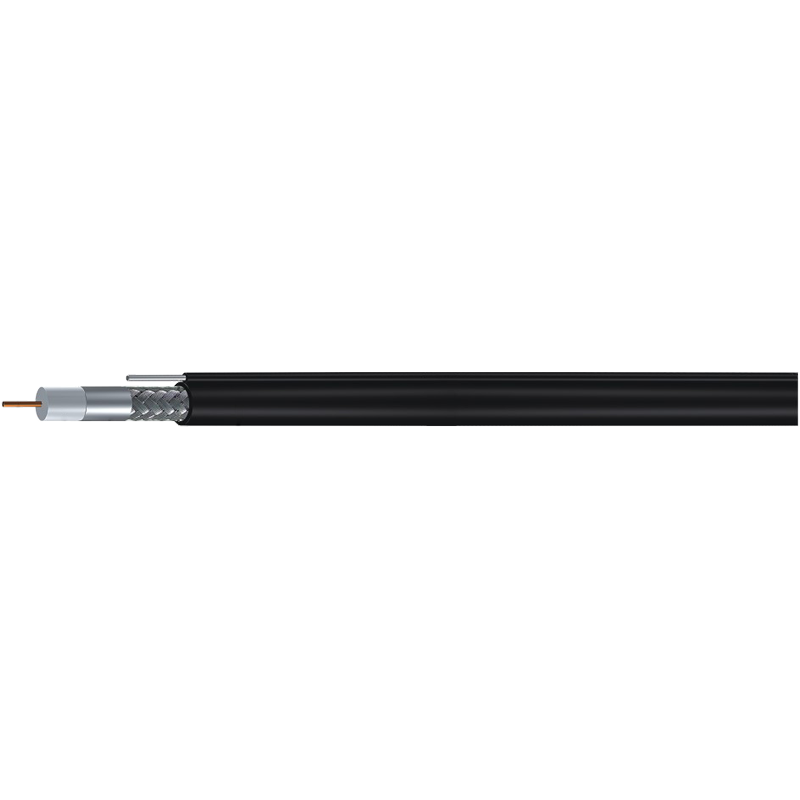
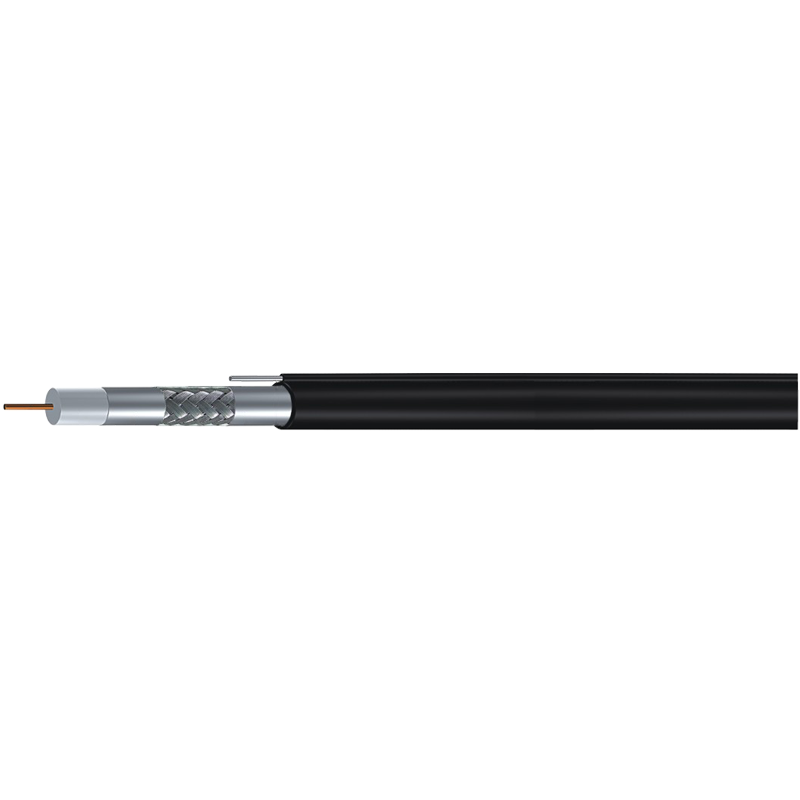
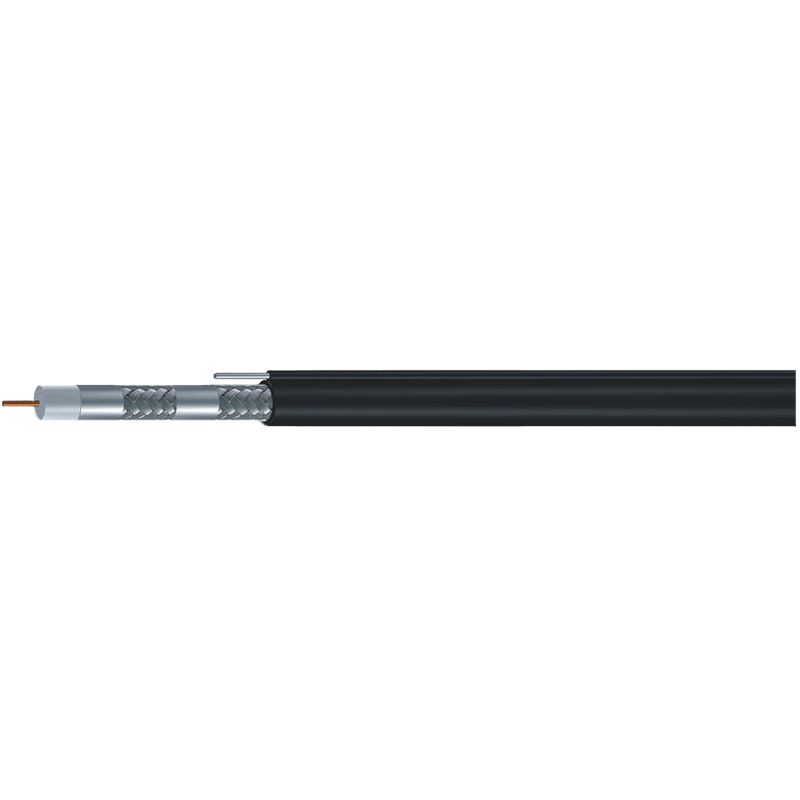
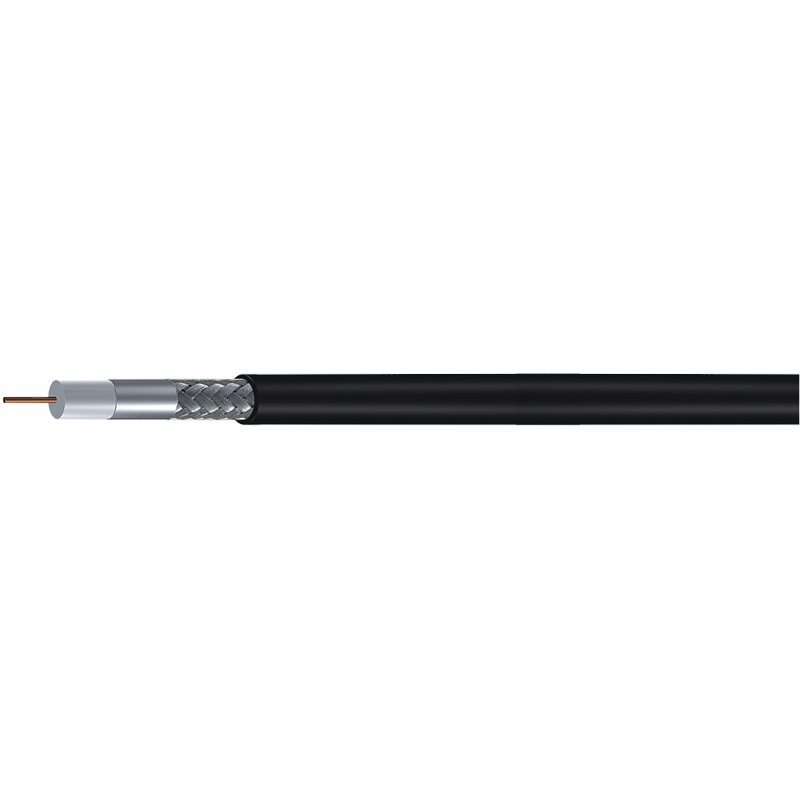
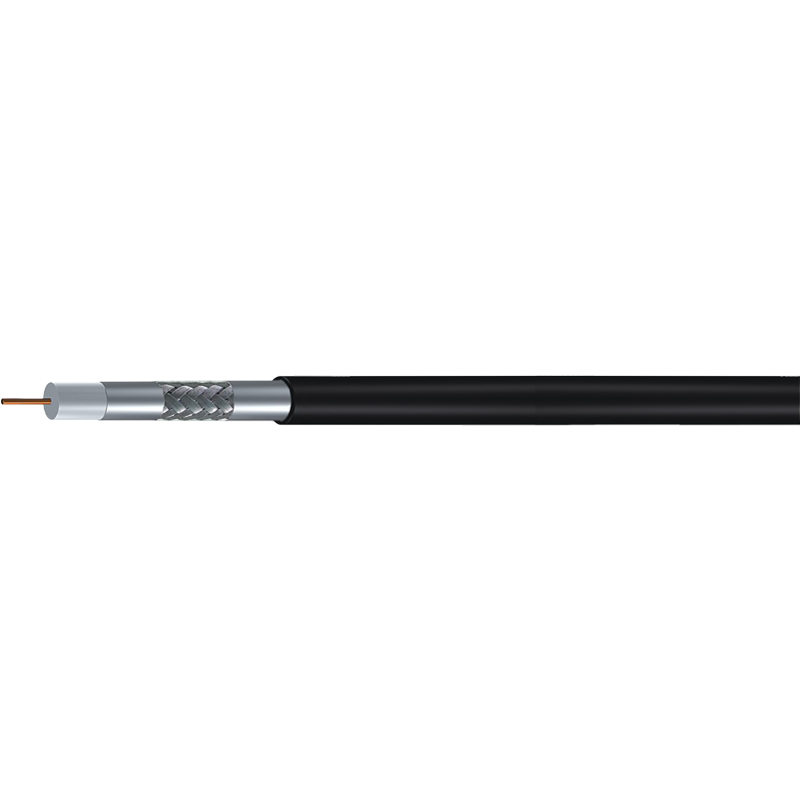
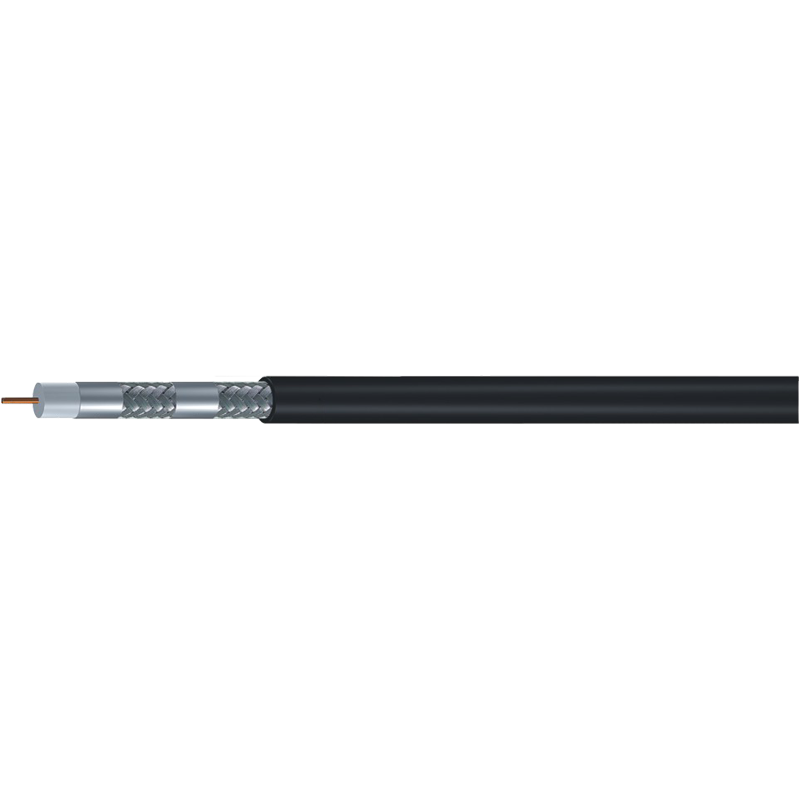
A 75 ohm digital coaxial cable consists of a central conductor, dielectric insulation, metallic shielding, and an outer protective jacket. Its impedance is optimized for RF and video signal transmission, ensuring high-quality video over extended distances.
Ethernet cable is composed of multiple twisted pairs of copper wires, primarily designed for data networking. In CCTV applications, Ethernet cable carries digital video packets to network devices such as switches or NVRs.
Although both cable types can transmit video, coaxial provides a direct analog or digital video path, while Ethernet relies on packetized transmission through network infrastructure, which can introduce latency or packet loss if not properly configured.
Signal Quality Comparison
Signal integrity is critical in surveillance. A high-quality 75 ohm coaxial cable provides excellent signal stability over long runs and is highly resistant to electromagnetic interference due to its shielding design.
Ethernet cable performs well for IP video but can be affected by network congestion or switch configuration. While Category 6 or 6a cable reduces interference, overall performance depends on network management.
| Feature | 75 Ohm Coaxial Cable | Ethernet Cable |
|---|---|---|
| Signal Stability | Excellent | Very Good |
| Interference Resistance | Excellent | Good |
| Latency | Very Low | Low |
| Image Consistency | Excellent | Good to Excellent |
Transmission Distance Capabilities
A 75 ohm digital coaxial cable can reliably carry HD video signals over 300-500 meters without repeaters. Ethernet cable is typically limited to 100 meters per segment without network switches or extenders.
For long-distance CCTV deployments, coaxial cable reduces infrastructure complexity and eliminates potential network bottlenecks.
- Coaxial supports longer uninterrupted runs.
- Ethernet often requires multiple switches for coverage beyond 100 meters.
- Coaxial reduces latency in extended installations.
Installation and Deployment Considerations
75 ohm coaxial cable installation is typically straightforward: each camera connects directly to a DVR/NVR. No network configuration is necessary, making deployment simple for small to medium systems.
Ethernet-based installations require switch planning, IP configuration, and sometimes PoE setup. Although scalable, it requires more technical expertise.
Coaxial Installation Advantages
- Simple point-to-point architecture
- Minimal configuration required
- Easier troubleshooting
- Reliable in high-interference environments
Ethernet Installation Advantages
- Supports IP and networked cameras
- Centralized management capabilities
- Remote monitoring and cloud integration
- Power over Ethernet (PoE) for simplified wiring
Cost Considerations
Coaxial cable installations can be more economical when upgrading legacy CCTV systems. Existing cabling can often be reused, reducing labor and material costs.
Ethernet installations may require additional switches, PoE injectors, or structured cabling, increasing the initial investment.
| Factor | 75 Ohm Coaxial Cable | Ethernet Cable |
|---|---|---|
| Cable Reuse Potential | High | Low |
| Network Hardware Needed | Minimal | Required |
| Maintenance Complexity | Low | Moderate to High |
Reliability in Security Applications
A 75 ohm digital coaxial cable offers excellent reliability for mission-critical surveillance. Its dedicated video path and robust shielding reduce risks from electrical interference and network failures.
Ethernet-based solutions can provide strong reliability, but only if network management is consistent and switches are correctly maintained.
For long-term, high-stability video transmission, coaxial cable remains the preferred choice in many environments.
For traditional CCTV systems requiring low latency, stable video, and minimal network setup, a 75 ohm coaxial cable is generally superior. For networked IP camera systems requiring scalability, remote access, and PoE, Ethernet cable is more suitable.
The best solution often involves selecting the cable type that matches the specific operational needs. In hybrid installations, both coaxial and Ethernet may coexist to optimize performance and cost.