Cable Infrastructure · Editorial
A close reading of where coaxial cable still holds its ground — and precisely where fiber optic overtakes it, measured in feet, gigabits, and long-term cost.
The Short Answer: Where Coaxial Cable Falls Short
Compared to fiber optic cable, coaxial cable suffers from higher signal attenuation, lower maximum bandwidth, shorter effective transmission distances, and greater vulnerability to electromagnetic interference. While coaxial cable remains a cost-effective and widely compatible choice for shorter runs and legacy installations, fiber optic cable consistently outperforms it in long-distance, high-speed, and interference-sensitive applications. Understanding exactly where coaxial cable underperforms helps users decide whether it still fits their network, video distribution, or telecommunications needs.
What Is a Coaxial Cable and Why the Comparison Matters
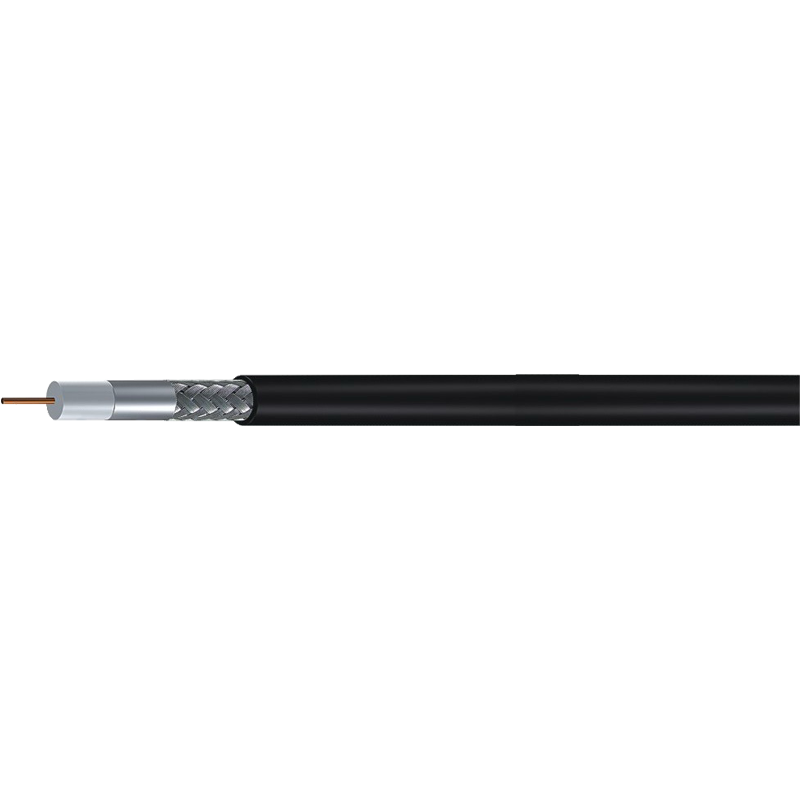
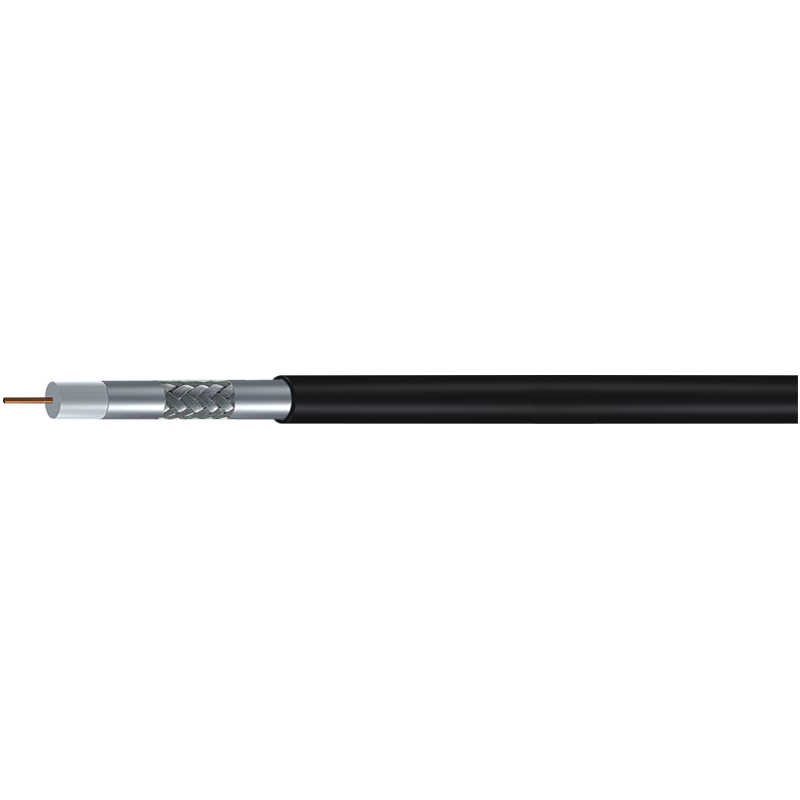
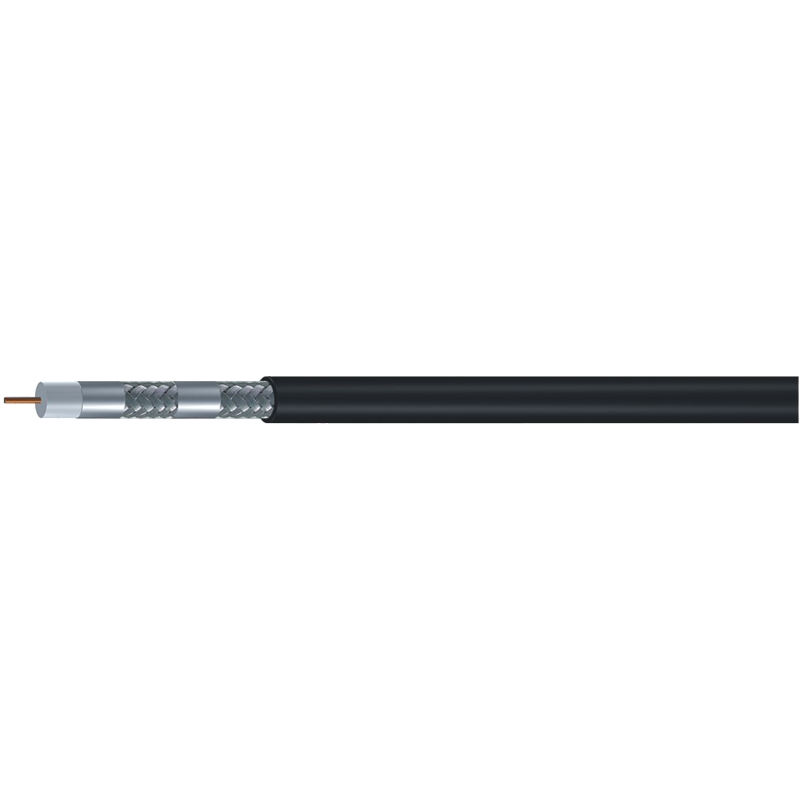
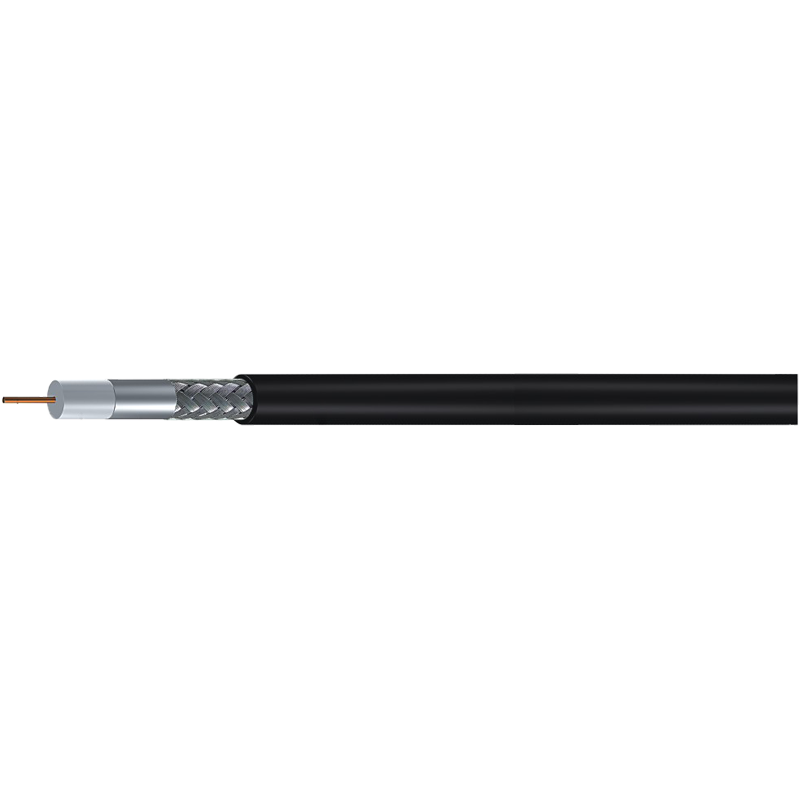
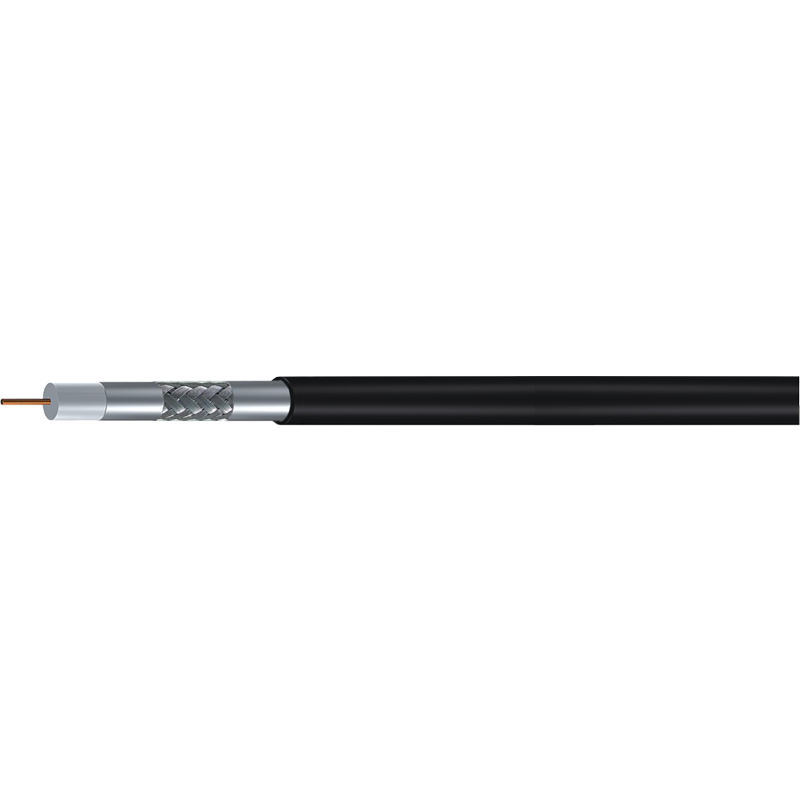
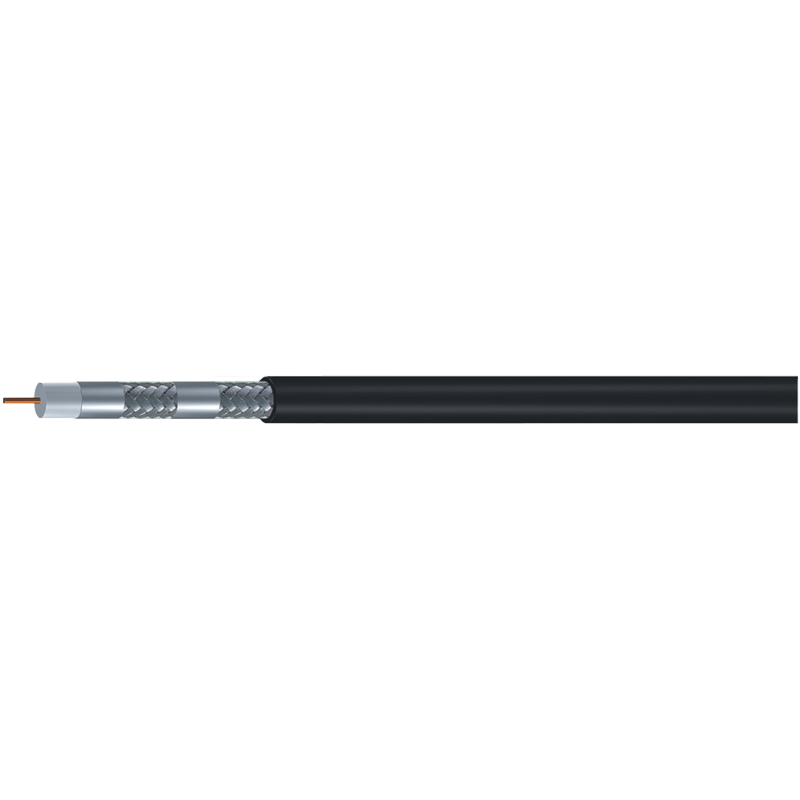
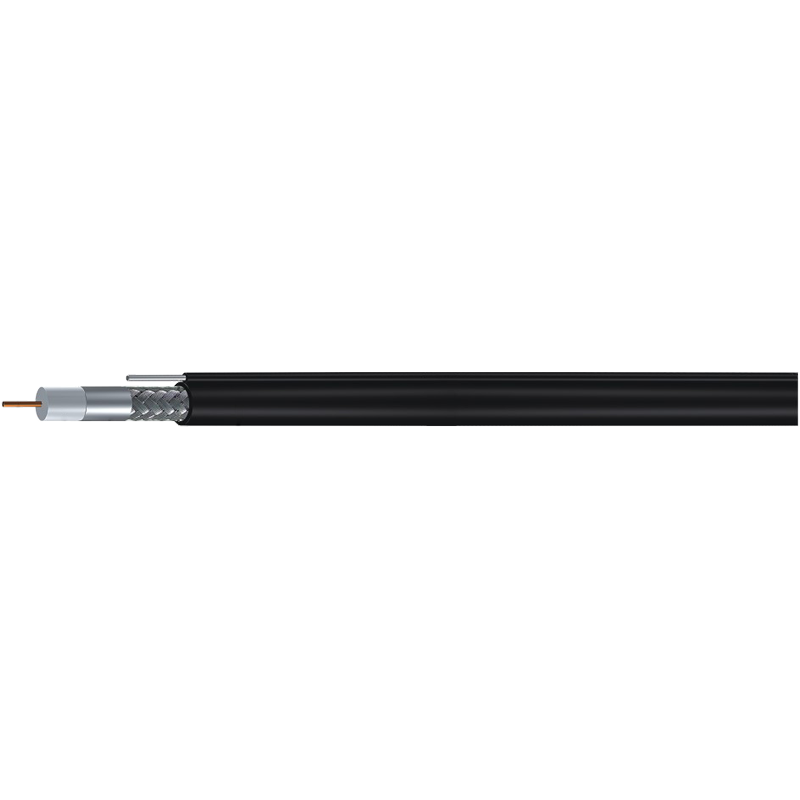
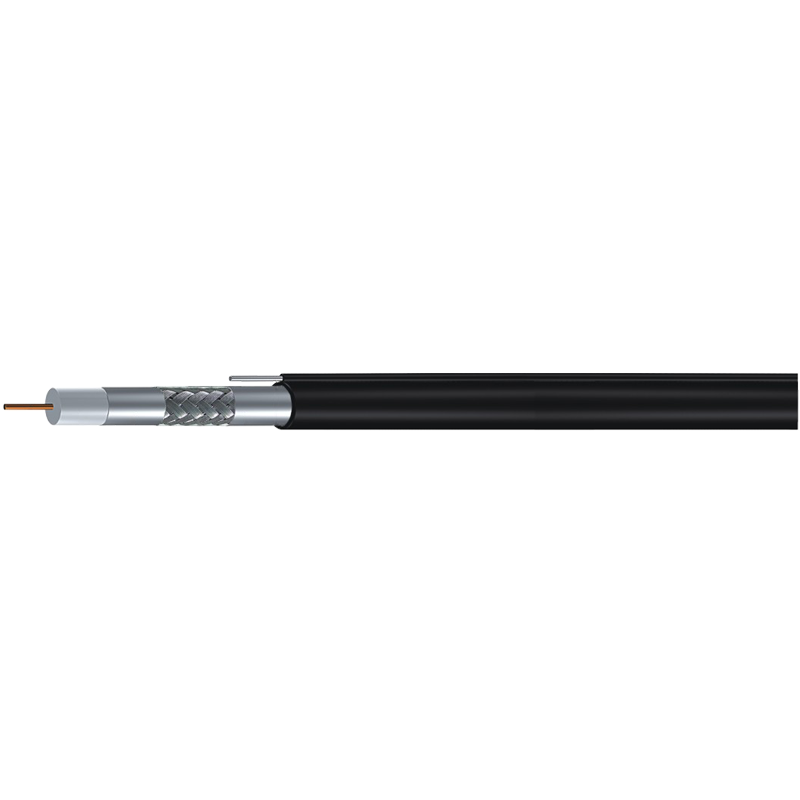
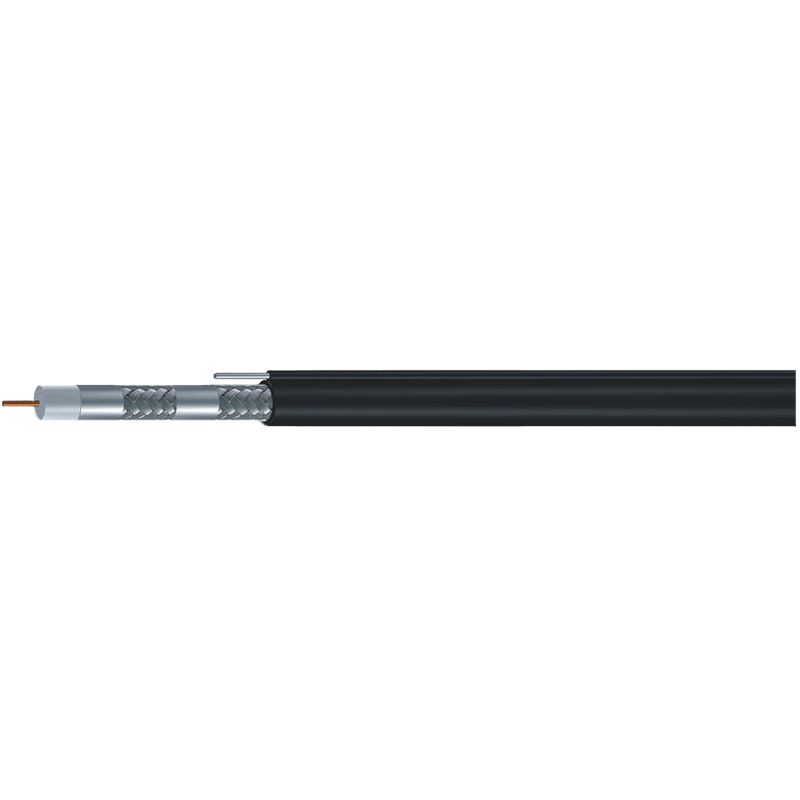
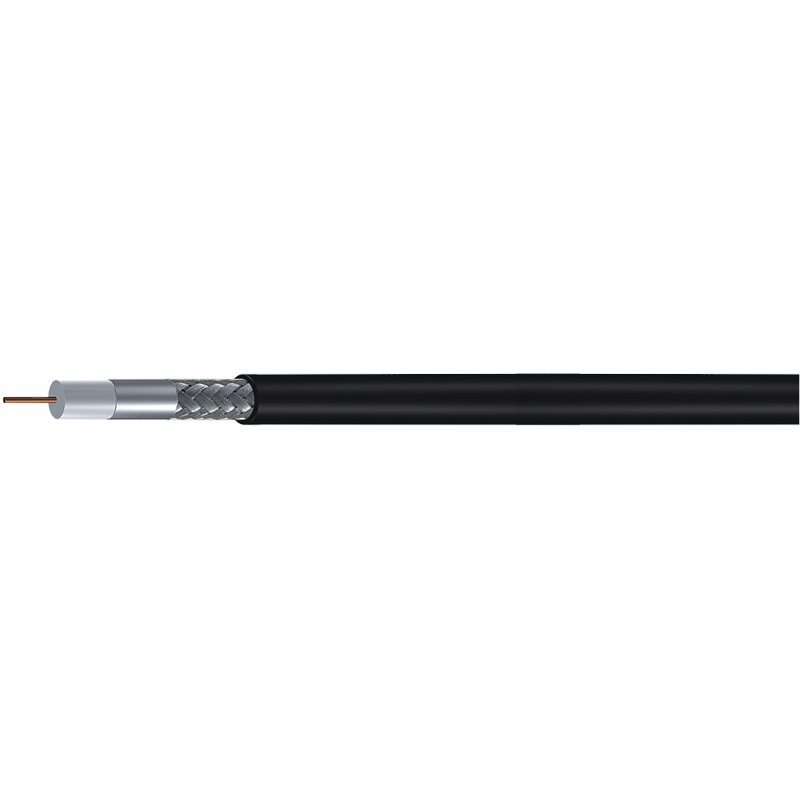
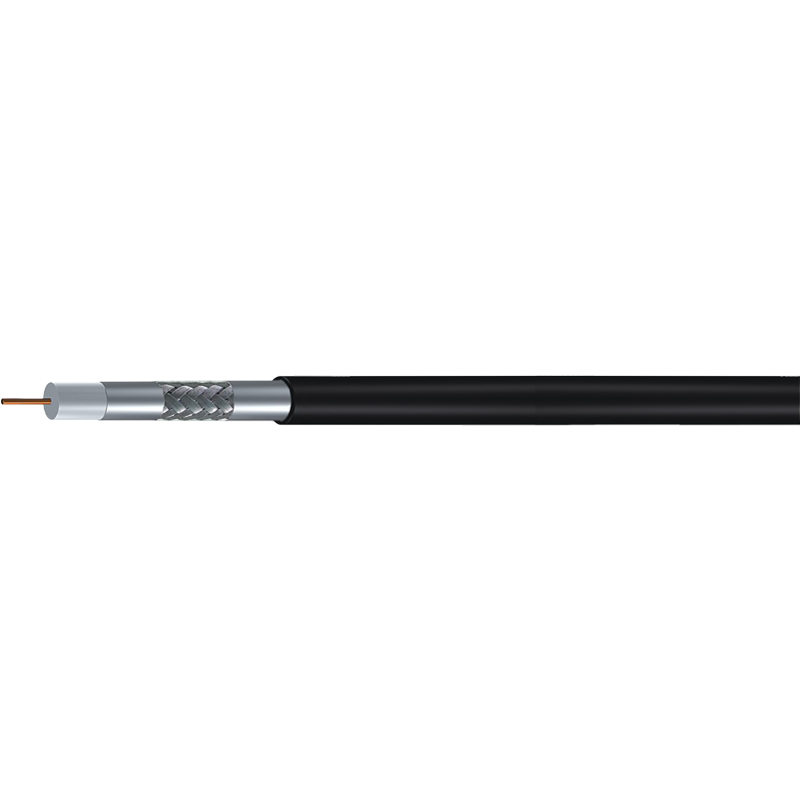
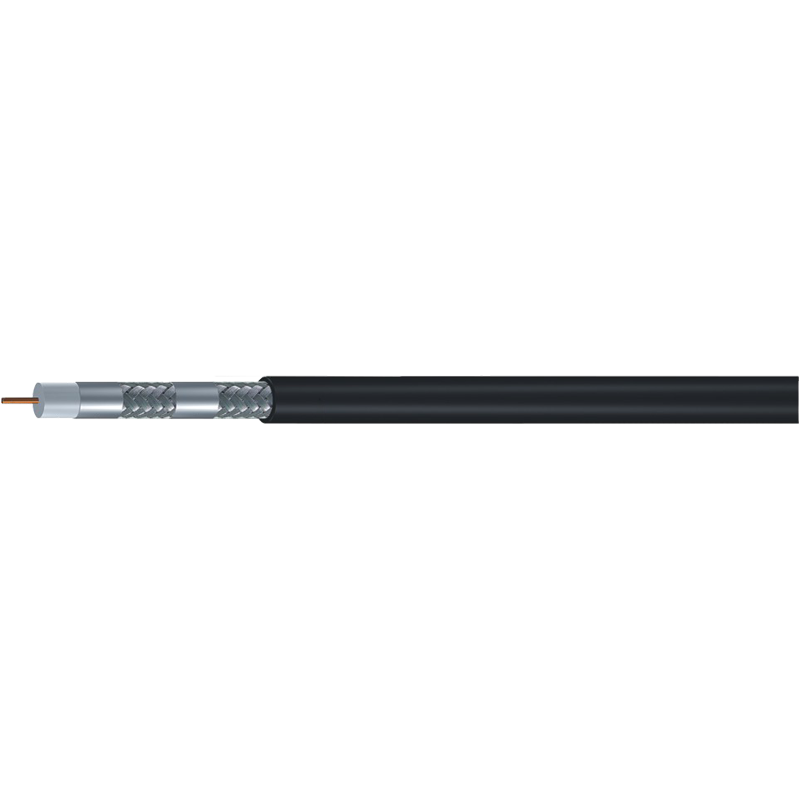
Before comparing performance, it helps to clarify what is a coaxial cable in the first place. A coaxial cable is a shielded transmission line consisting of a central copper conductor, a layer of dielectric insulation, a braided or foil metallic shield, and an outer protective jacket. This layered construction was originally designed to carry radio frequency signals, cable television, and broadband internet data over moderate distances while offering reasonable protection against external noise.
Fiber optic cable, by contrast, transmits data as pulses of light through a glass or plastic core rather than electrical signals through copper. This fundamental difference in transmission medium is the root cause of nearly every disadvantage coaxial cable has when placed side by side with fiber. Because coaxial cable relies on electrical conduction, it inherits physical limitations that light-based transmission simply does not face.
Signal Attenuation and the Max Length Coaxial Cable Can Reliably Support
One of the most practical disadvantages users encounter is distance limitation. The max length coaxial cable can typically support before signal quality noticeably degrades depends on the cable grade and application, but general guidelines are well established across the industry.
coaxial cable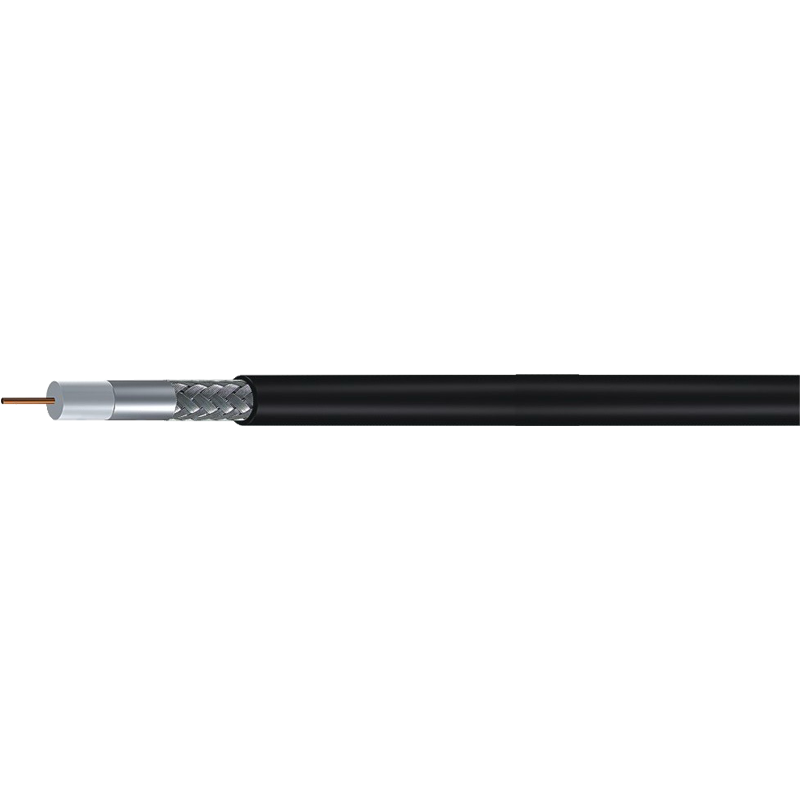
Typical Distance Limits by Application
| Application | Max Distance (Coaxial) | Max Distance (Fiber Optic) |
|---|---|---|
| Cable television distribution | Around 300–500 ft before amplification | Several miles without amplification |
| Ethernet-style data (RG6/RG59) | Roughly 1,000 ft | Up to 6+ miles (single-mode) |
| Security camera video feeds | Around 750–1,000 ft | Multiple miles |
Beyond these thresholds, users typically need signal amplifiers or repeaters to maintain image and data quality — and each additional amplifier introduces its own noise and cost.
Fiber optic cable, because light experiences far less attenuation than electrical current in copper, can travel much farther without this kind of signal boosting infrastructure.
Bandwidth and Speed Constraints
Even the highest quality coaxial cable on the market has a hard ceiling on how much data it can carry compared to fiber optic cable. Standard coaxial cable used in home and business networks typically tops out around 1 to 10 Gbps under ideal conditions with modern standards like DOCSIS 3.1, while single-mode fiber optic cable can support 100 Gbps or more over the same physical run.
This bandwidth gap becomes especially significant in environments with many simultaneous users, such as multi-tenant buildings, data centers, or campuses running video conferencing, cloud backups, and streaming services at the same time. Coaxial cable's shared bandwidth architecture in many cable network designs also means that heavy usage from neighboring connections can reduce available speed for everyone on the same line segment, a limitation fiber optic point-to-point architecture largely avoids.
Susceptibility to Electromagnetic Interference
Because coaxial cable transmits data through an electrical signal, it remains vulnerable to electromagnetic interference (EMI) from motors, fluorescent lighting, power lines, and other nearby electronics. While the shielding layer in coaxial cable does offer meaningful protection compared to unshielded wiring, it cannot fully eliminate interference in electrically noisy environments like industrial facilities or dense urban installations.
Info
Fiber optic cable, transmitting light rather than electrical current, is completely immune to electromagnetic interference. This makes it the preferred choice near heavy machinery, power substations, or radio transmission equipment where signal integrity is critical.
Installation and Physical Handling Challenges
Coaxial cable is notably heavier and less flexible than fiber optic cable, which complicates installation in tight conduits, wall cavities, or multi-floor buildings. Its thicker copper core and shielding also make it more prone to signal degradation if bent too sharply during installation, a physical constraint installers must plan around carefully.
Common Installation Drawbacks
- Heavier cable weight increases labor time and structural support requirements
- Minimum bend radius restrictions limit routing flexibility in tight spaces
- Connector termination requires precise crimping to avoid signal loss
- Grounding and shielding must be correctly installed to prevent interference and safety issues
Warning
Sharp bends beyond the cable's rated bend radius can permanently compromise signal quality, even if the outer jacket shows no visible damage.
Fiber optic cable, while requiring specialized fusion splicing tools for termination, is thinner, lighter, and easier to route through dense cable pathways once installers are properly trained.
Long-Term Cost and Maintenance Considerations
Coaxial cable generally has a lower upfront material cost than fiber optic cable, which is why it remains popular for residential television and short data runs. However, this initial savings can be offset over time by the need for signal amplifiers, more frequent connector maintenance, and eventual replacement as bandwidth demands grow beyond what coaxial infrastructure can support.
Even highest quality coaxial cable products with superior shielding and low-loss dielectric materials cannot fully overcome the physical bandwidth ceiling inherent to copper-based transmission. Users planning for future-proof infrastructure, particularly in commercial or industrial settings, often find that investing in fiber optic cable upfront reduces long-term upgrade costs.
Security and Signal Integrity Differences
Coaxial cable's electrical signal can, under certain conditions, be intercepted or tapped without physically breaking the cable, making it marginally more vulnerable to unauthorized signal access in sensitive applications.
Danger
In data-sensitive environments — financial institutions, government facilities — this tap vulnerability is a meaningful risk factor that fiber optic cable largely eliminates, since intercepting it typically requires physically cutting the fiber, an act that is immediately detectable.
When Coaxial Cable Still Makes Practical Sense
Despite these disadvantages, coaxial cable is not obsolete. It remains a practical choice for short-distance residential television connections, existing cable television infrastructure upgrades, and budget-conscious installations where extreme bandwidth or long distances are not required.
Success
Choosing the highest quality coaxial cable available, with solid copper conductors and dense shielding, can meaningfully reduce signal loss and interference issues within its practical distance limits.
For users evaluating a new installation from scratch, especially for business networks, security systems, or any application expected to scale in bandwidth demand, fiber optic cable is generally the more future-proof investment despite higher initial installation costs.
Final Takeaway
Coaxial cable's core disadvantages compared to fiber optic cable come down to physics: copper-based electrical transmission inherently suffers more attenuation, interference susceptibility, and bandwidth limitation than light-based transmission through glass fiber. Users should weigh distance requirements, bandwidth needs, environmental interference risks, and long-term scalability before choosing between the two technologies for a new or upgraded installation.