Primary Applications of 75 Ohm Coaxial Cable
75 Ohm Coaxial Cable is widely used in applications where high-quality signal transmission and minimal loss are essential. The 75-ohm impedance is optimized for transmitting high-frequency signals, making it ideal for a variety of professional and consumer-grade systems.
In cable television (CATV) systems, 75 Ohm Coaxial Cable plays a crucial role in delivering television signals from broadcast stations to consumer homes. Its ability to maintain signal quality over long distances with minimal loss is particularly beneficial in ensuring clear, high-definition video. Similarly, in satellite television systems, 75 Ohm Coaxial Cable connects satellite dishes to receivers, allowing for the effective transmission of high-frequency signals from the satellite to the set-top box or TV.
In the context of broadband internet systems, 75 Ohm Coaxial Cable is commonly used to connect various broadband devices, such as modems, routers, and network hubs. Its ability to handle both analog and digital signals efficiently ensures high-speed data transmission and stable internet performance. CCTV and surveillance systems also benefit from 75 Ohm Coaxial Cable, which ensures clear, high-quality video transmission from cameras to monitors or recorders. The cable's performance is crucial for maintaining video clarity, particularly in security-sensitive environments.
75 Ohm Coaxial Cable is also widely used in audio/video systems, where it facilitates the connection of equipment like amplifiers, mixers, and video cameras. The cable ensures that high-definition video and audio signals are transmitted without degradation. Moreover, in test and measurement equipment applications, such as in laboratories or RF testing, 75 Ohm Coaxial Cable is employed for connecting instruments that require precise, high-fidelity signal transmission.
Comparison to Other Types of Coaxial Cables
When comparing 75 Ohm Coaxial Cable to other types of coaxial cables, one of the key distinctions is its impedance, which plays a crucial role in determining the application and performance characteristics of the cable.
Unlike 50 Ohm Coaxial Cable, which is designed primarily for power transmission applications, 75 Ohm Coaxial Cable is tailored for optimal signal transmission. 50 Ohm Cable is typically used in applications that require higher power handling, such as in wireless communications and radio-frequency (RF) applications, where the primary concern is the safe transmission of higher currents and voltages. On the other hand, 75 Ohm Coaxial Cable is designed to preserve the integrity of signal transmission, making it ideal for video, audio, and data transmission where signal quality is paramount.
75 Ohm Coaxial Cable also has notable advantages over fiber optic cables in terms of cost, installation flexibility, and durability. While fiber optics offer higher bandwidth, faster data transmission speeds, and immunity to electromagnetic interference (EMI), they can be more expensive, more fragile, and harder to install in certain environments. 75 Ohm Coaxial Cable, on the other hand, is generally more cost-effective, easier to work with, and provides excellent performance for the majority of video, audio, and broadband systems. It is particularly advantageous in applications like CCTV, where the signal quality and ease of installation are more important than ultra-high-speed data transfer rates.
When comparing 75 Ohm Coaxial Cable to RG-6 and RG-59 variants, it’s important to understand the slight variations in shielding and construction. While all of these cables use a 75-ohm impedance, RG-6 is generally thicker and features better shielding, making it the preferred choice for long-distance runs in satellite TV systems and broadband internet applications. It has enhanced resistance to interference and signal loss. In contrast, RG-59 is often used for shorter cable runs and lower-frequency applications like older CCTV systems. Though RG-59 also features a 75-ohm impedance, its reduced shielding makes it less effective over long distances and in environments with significant signal interference.
Signal Transmission Quality
One of the most important aspects of 75 Ohm Coaxial Cable is its ability to deliver high-quality signal transmission with low attenuation, meaning minimal loss of signal strength as it travels through the cable. This is critical in applications like satellite TV, where long cable runs can otherwise lead to significant degradation of signal quality. The impedance of the cable is essential in ensuring that the signal is transmitted efficiently and with minimal reflections or interference.
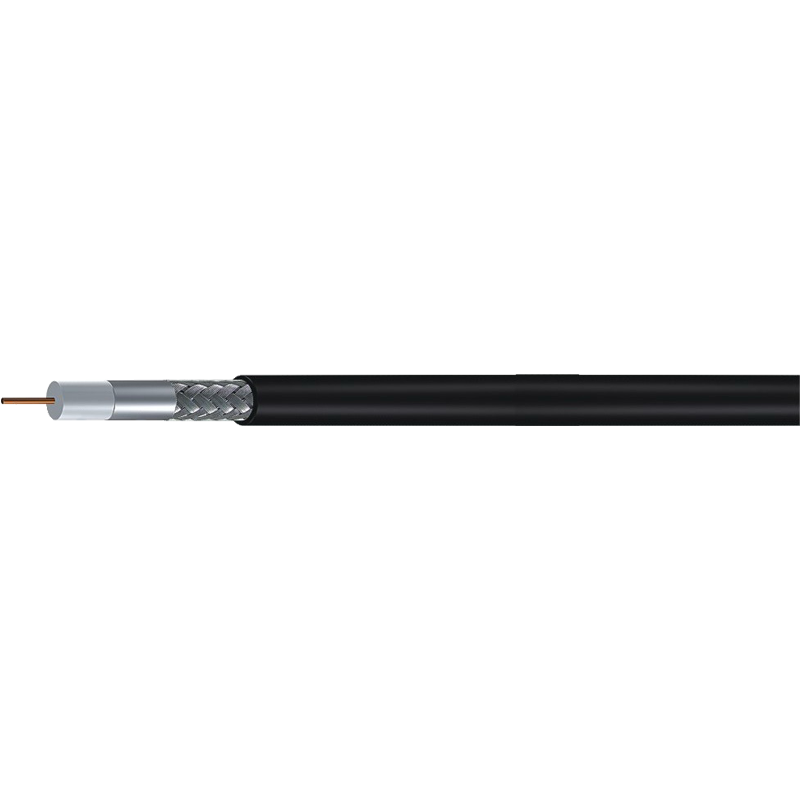
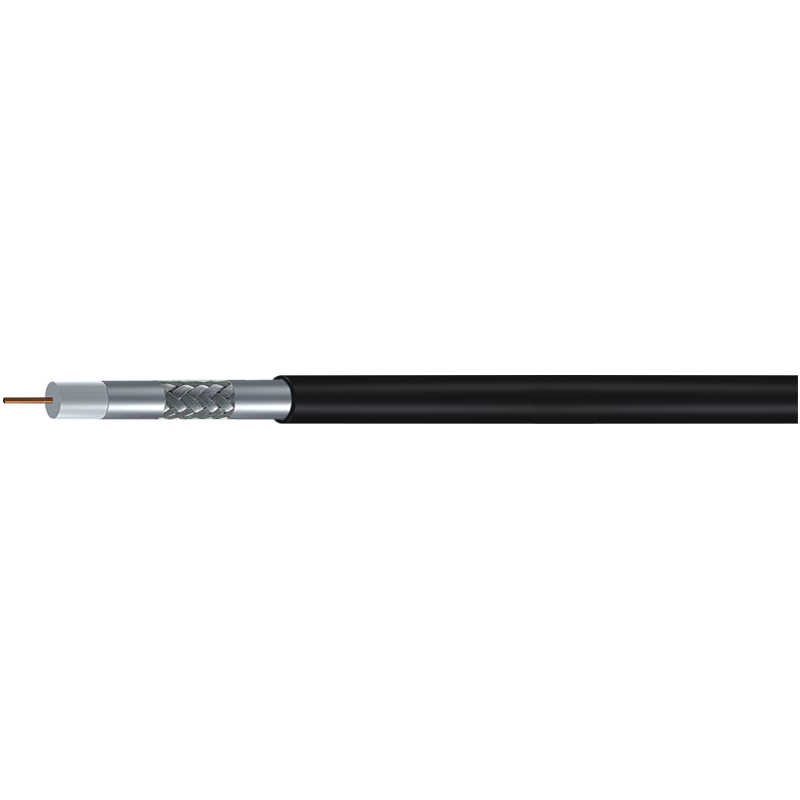
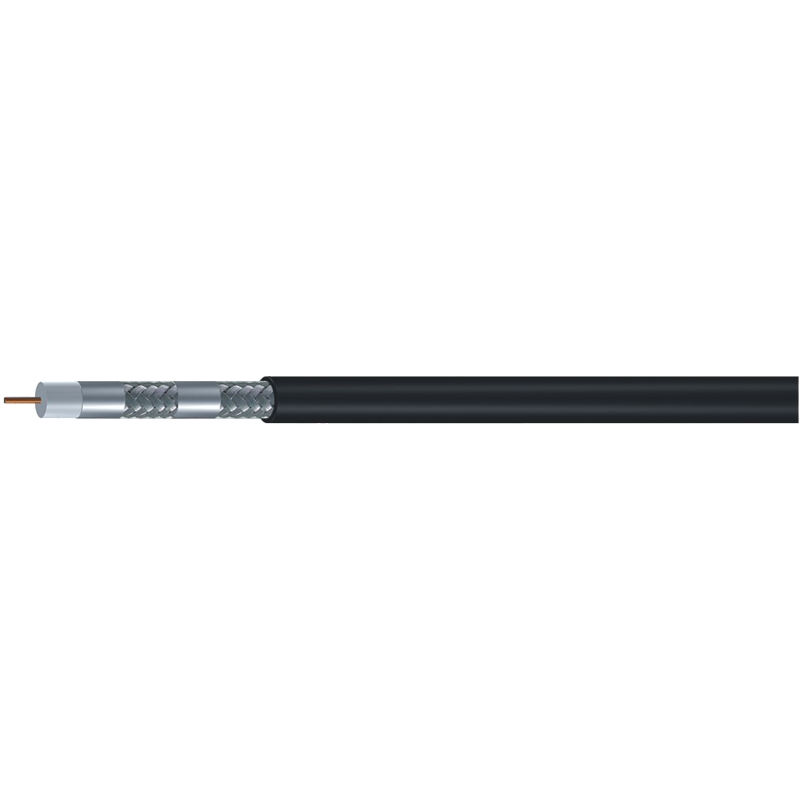
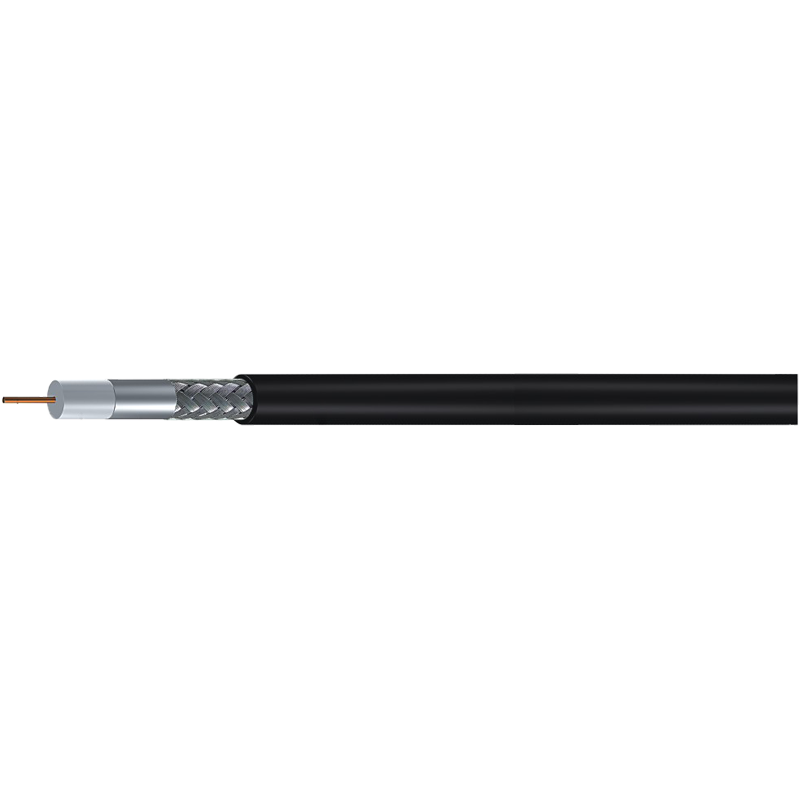
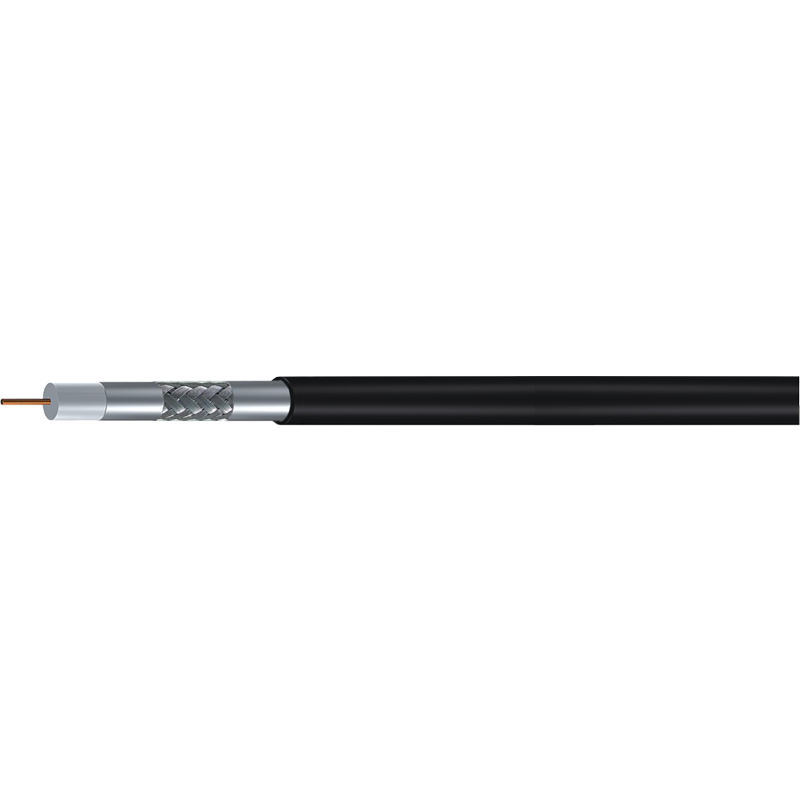
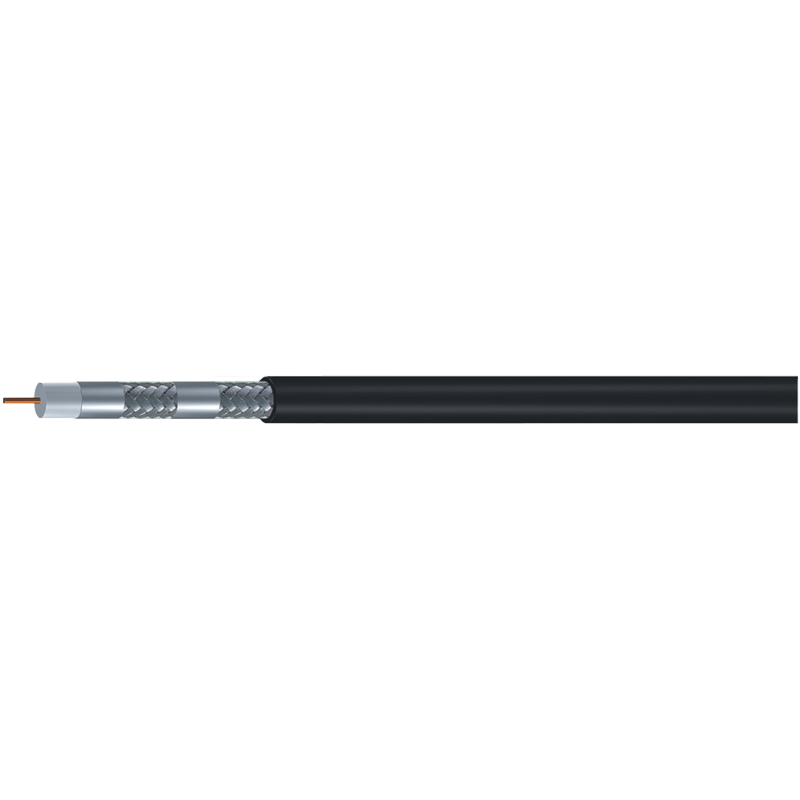
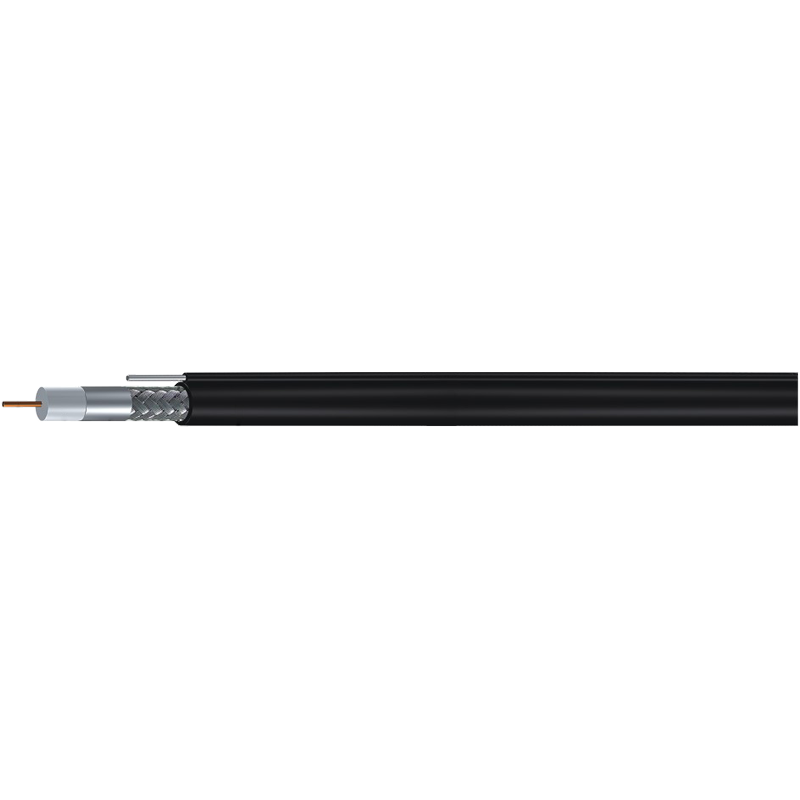
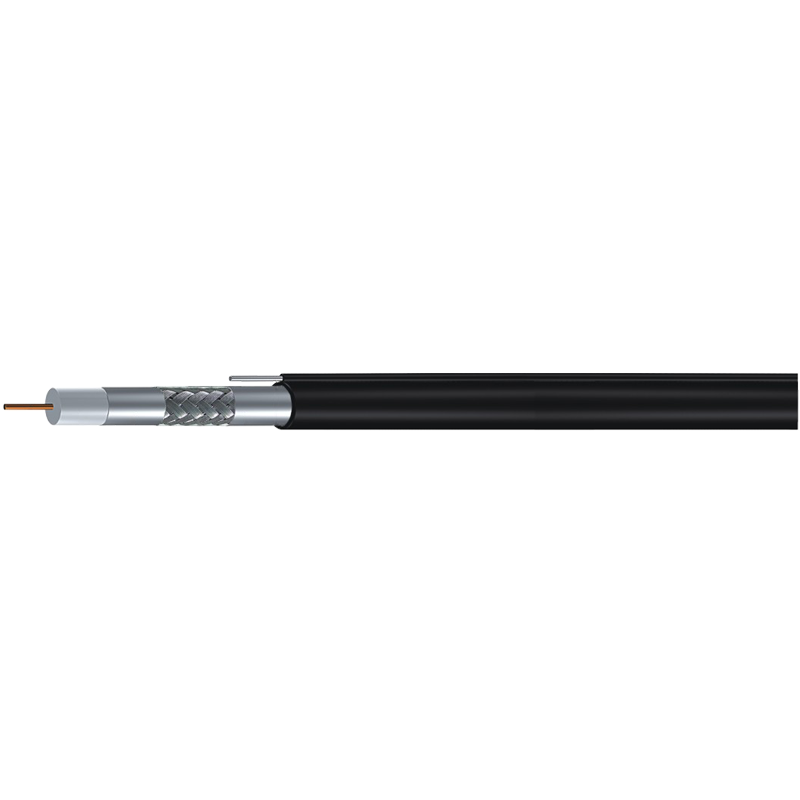
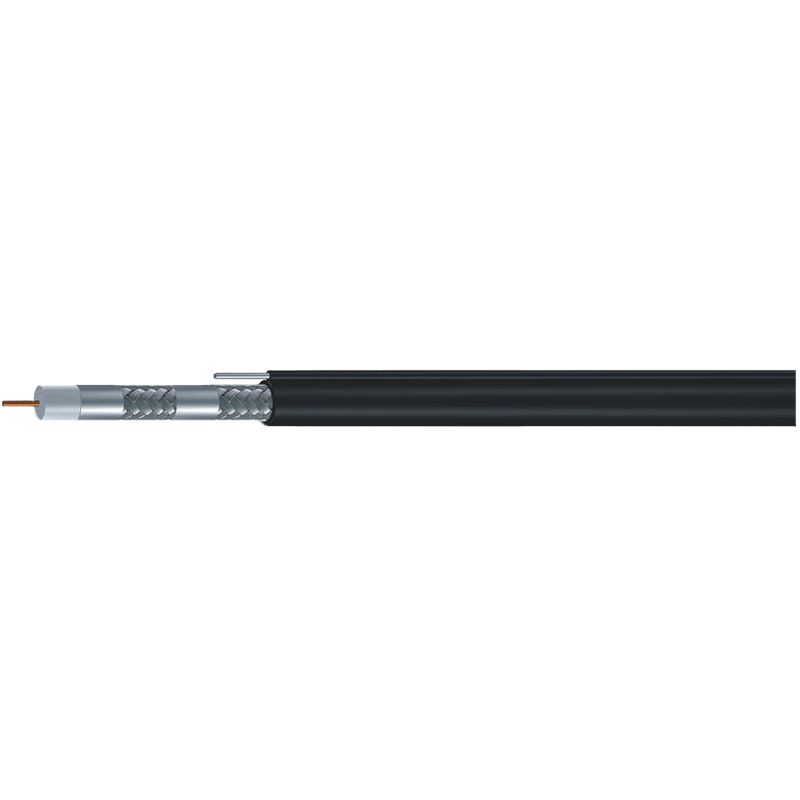
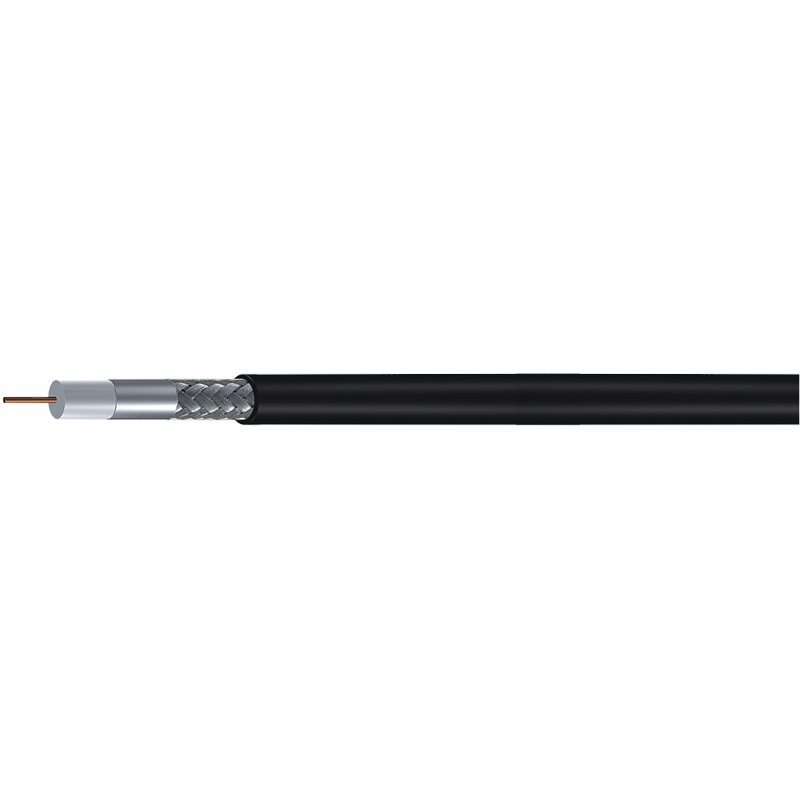
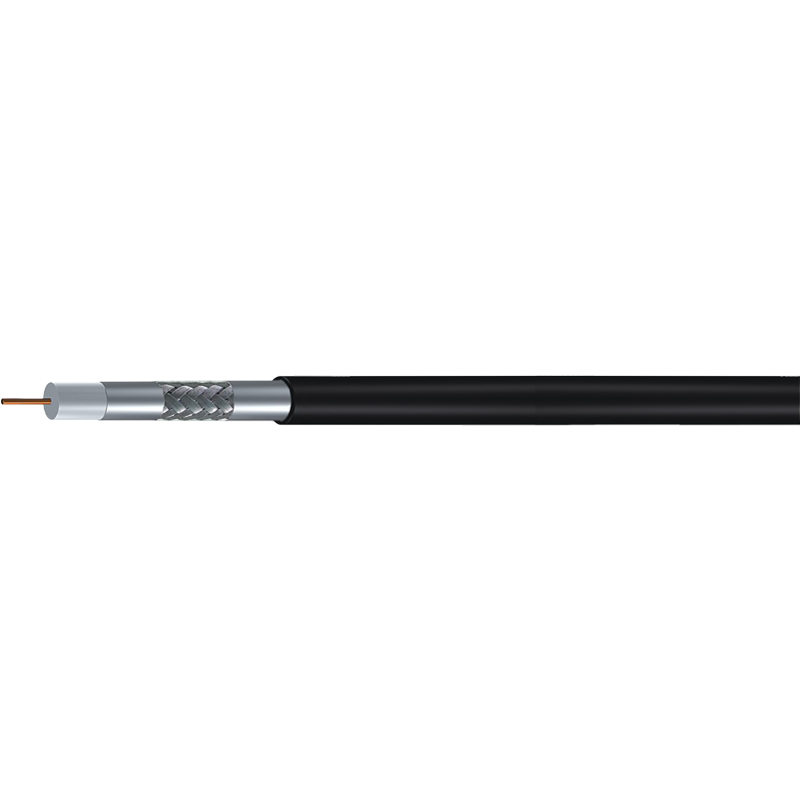
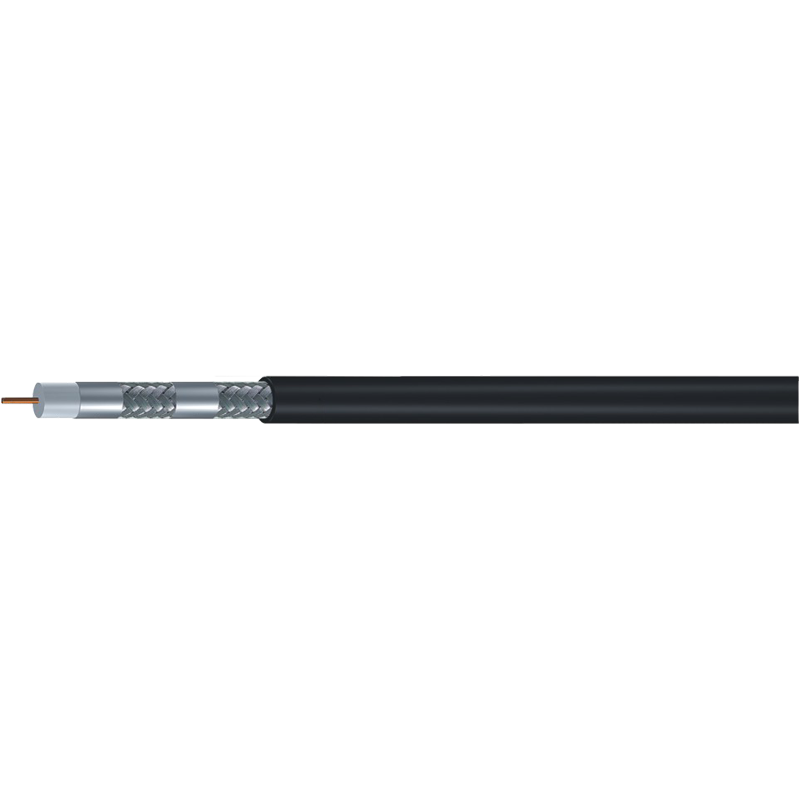
The construction of 75 Ohm Coaxial Cable is designed to minimize signal degradation. The cable typically features a center conductor (made from materials such as copper or aluminum), a dielectric insulator, and an outer shielding layer that protects the signal from external interference. The shielding is critical in preventing issues such as electromagnetic interference (EMI), which can degrade the quality of the transmitted signal, especially in environments with high electrical noise.
The dielectric material—often made of foam or solid plastic—helps maintain the cable's consistent impedance, ensuring that the signal travels without distortion. This material’s role is crucial in preventing signal reflections, which can cause data loss, pixelation in video signals, or poor audio quality. These properties make 75 Ohm Coaxial Cable an ideal choice for high-frequency applications like video surveillance, broadcasting, and internet connectivity.