Planning and Route Optimization
Proper planning of the cable route is fundamental to ensuring optimal performance of CCTV Coaxial Cable. The cable should follow the most direct and logical path between the camera and the recording or monitoring device, minimizing unnecessary length that can contribute to signal attenuation. Careful route planning also includes avoiding areas with high electromagnetic interference, such as near electrical panels, fluorescent lighting, heavy machinery, or wireless transmission devices. Thoughtful routing not only preserves signal quality but also simplifies maintenance, prevents mechanical damage during construction or renovation, and ensures that the cable can be accessed for future upgrades or troubleshooting without compromising the system.
Maintaining Proper Bend Radius
Adhering to the manufacturer-specified minimum bend radius is essential for maintaining the integrity of a CCTV Coaxial Cable. Sharp bends or kinks can deform the cable’s internal conductor and dielectric layers, creating impedance mismatches and leading to signal loss, reflections, or intermittent faults. During installation, gentle curves should be used, particularly when navigating corners, conduits, or tight spaces. Gradual bends ensure that the cable maintains consistent electrical characteristics, resulting in stable signal transmission, reduced video degradation, and extended cable lifespan.
Avoiding Electromagnetic Interference (EMI)
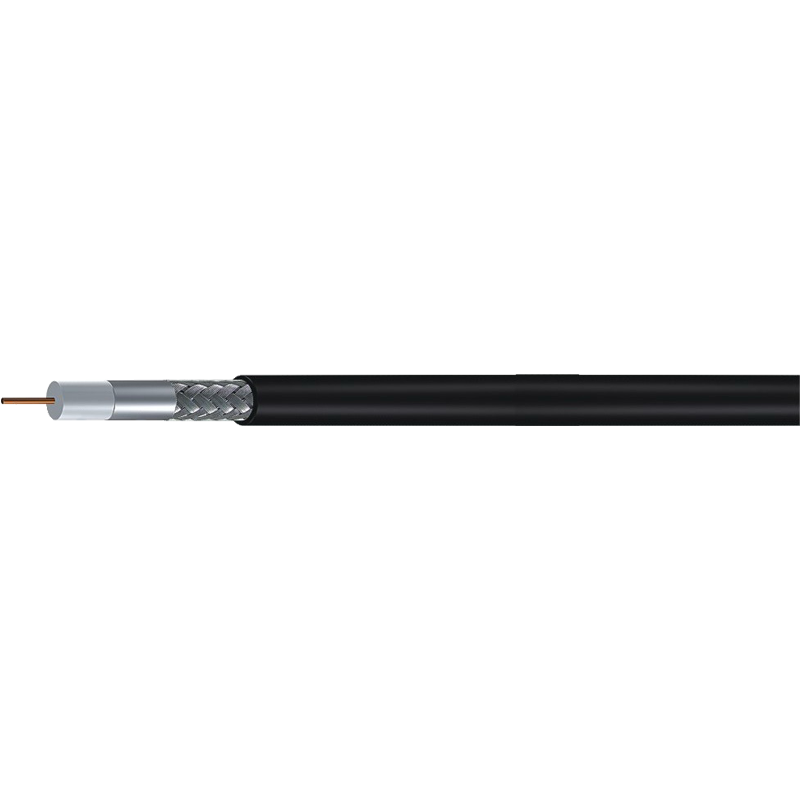
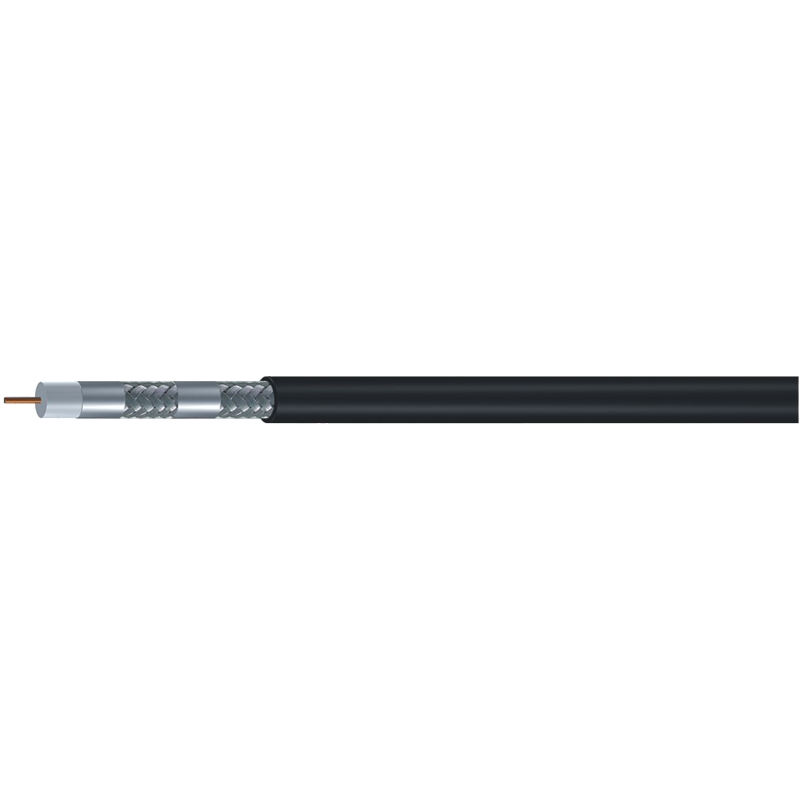
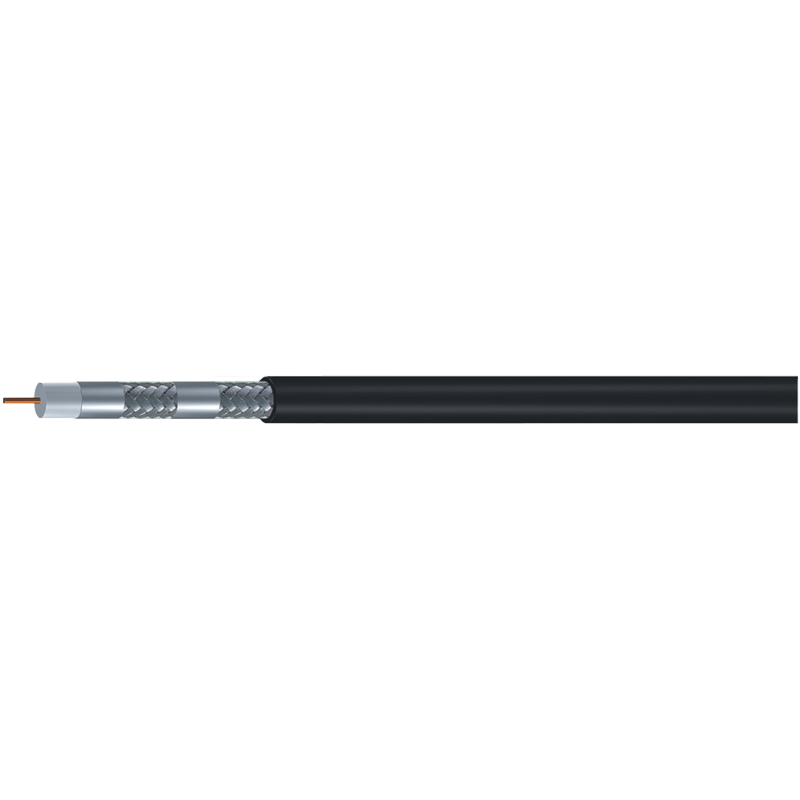
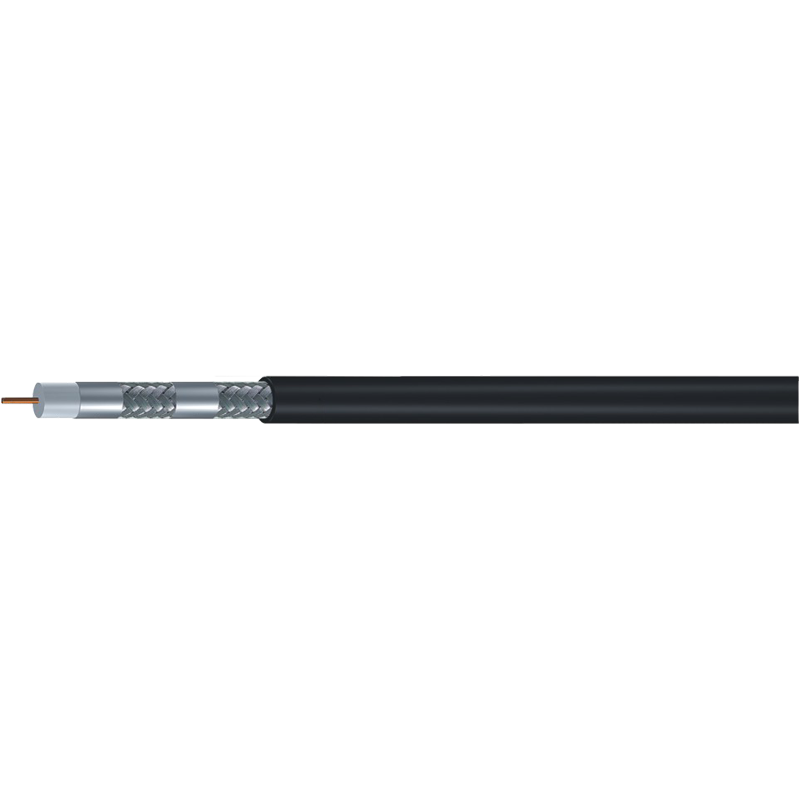
CCTV Coaxial Cables are susceptible to signal degradation when exposed to electromagnetic interference from nearby electrical sources. To maintain a clean video signal, cables should be routed away from power lines, transformers, high-voltage equipment, and other devices that emit electromagnetic fields. When proximity is unavoidable, choosing shielded or double-shielded coaxial cable can significantly reduce interference. Additionally, crossing electrical cables at perpendicular angles rather than running parallel helps minimize induced noise, which is critical for maintaining sharp, clear images in high-resolution CCTV systems.
Proper Grounding and Shielding
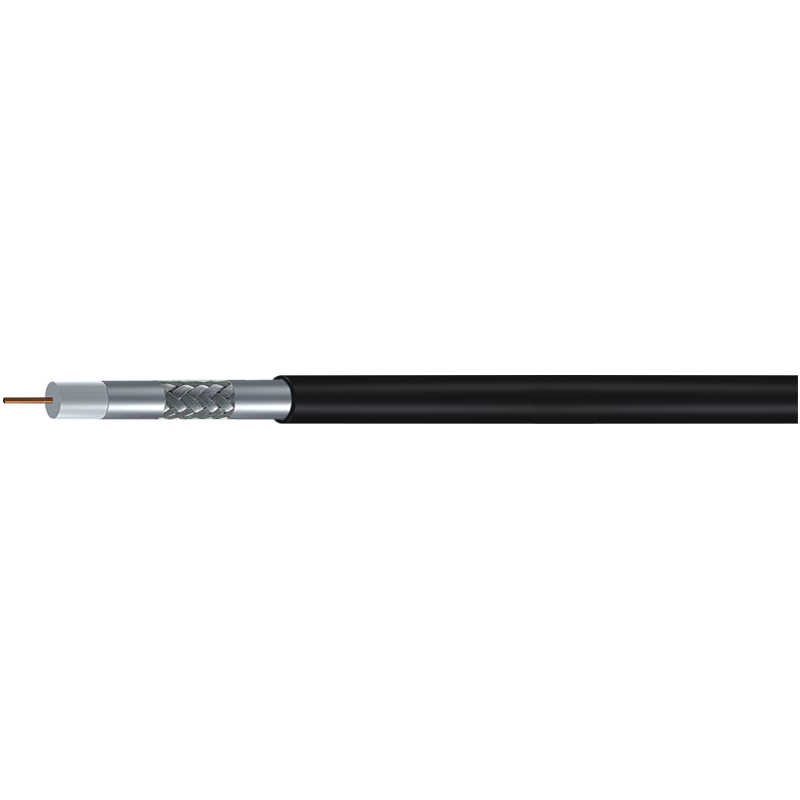
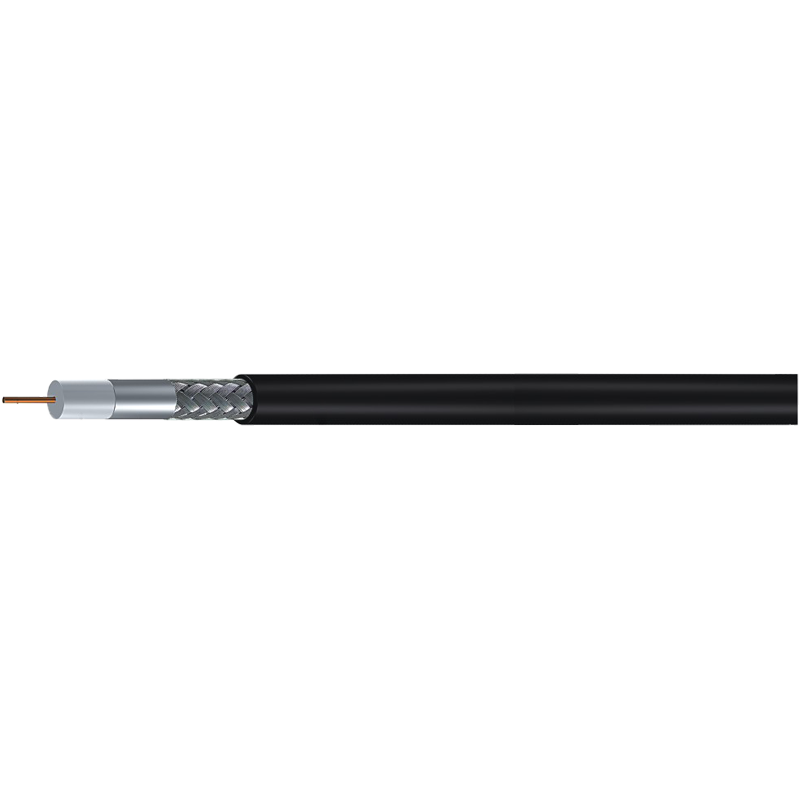
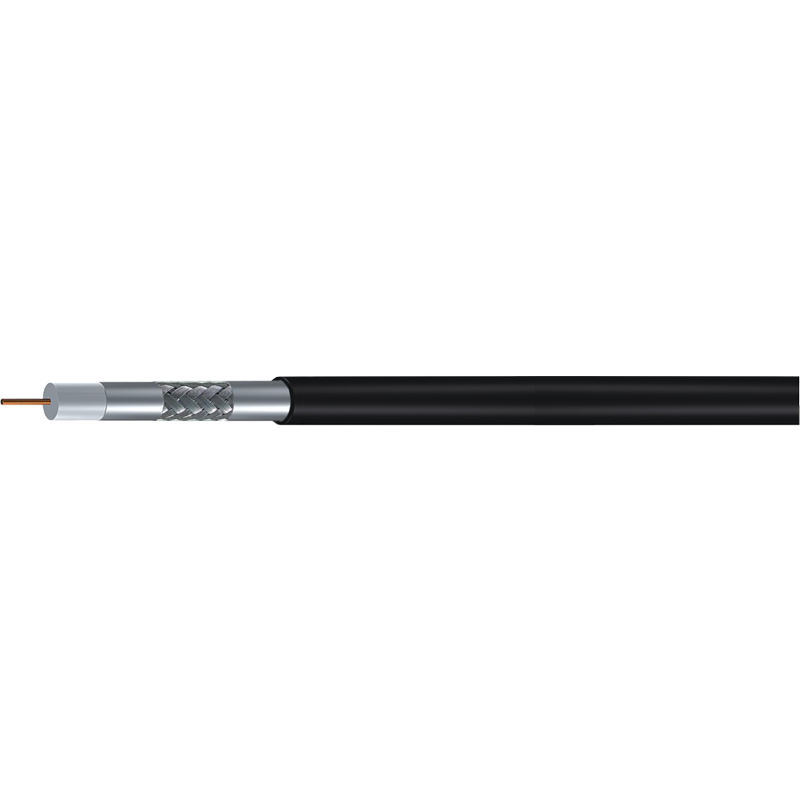
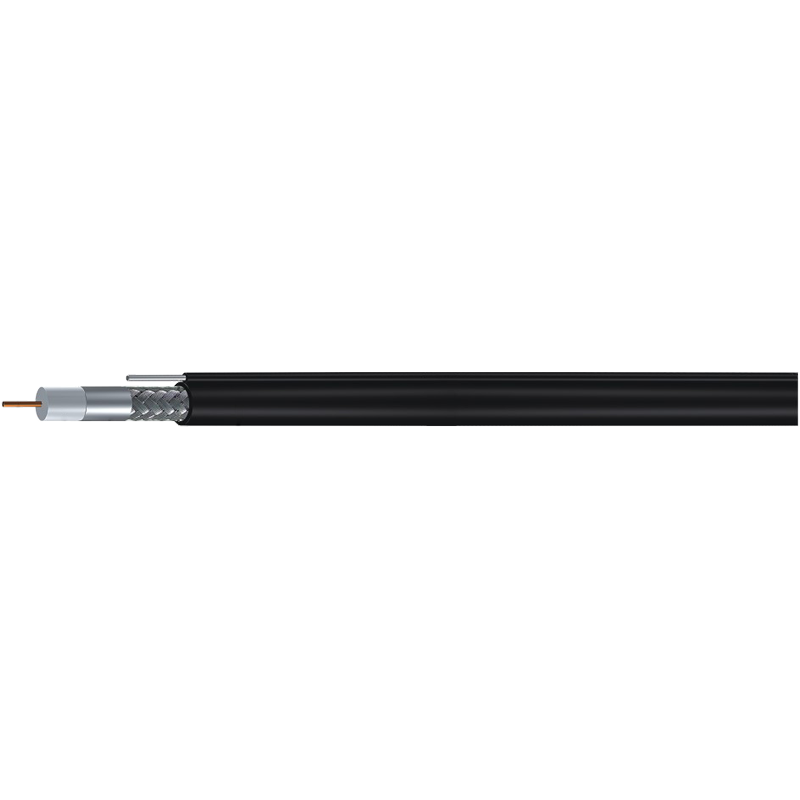
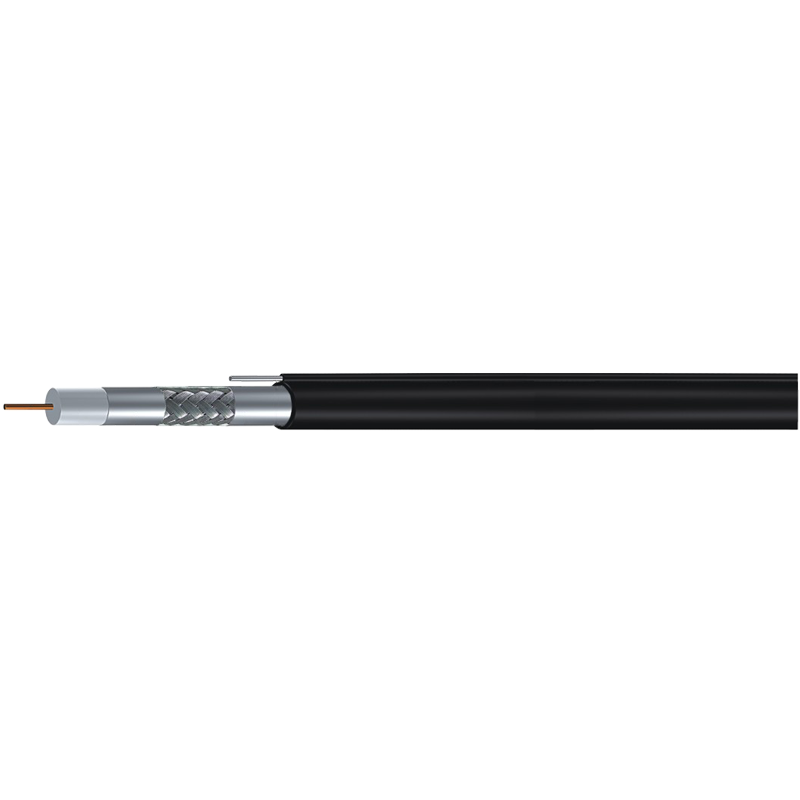
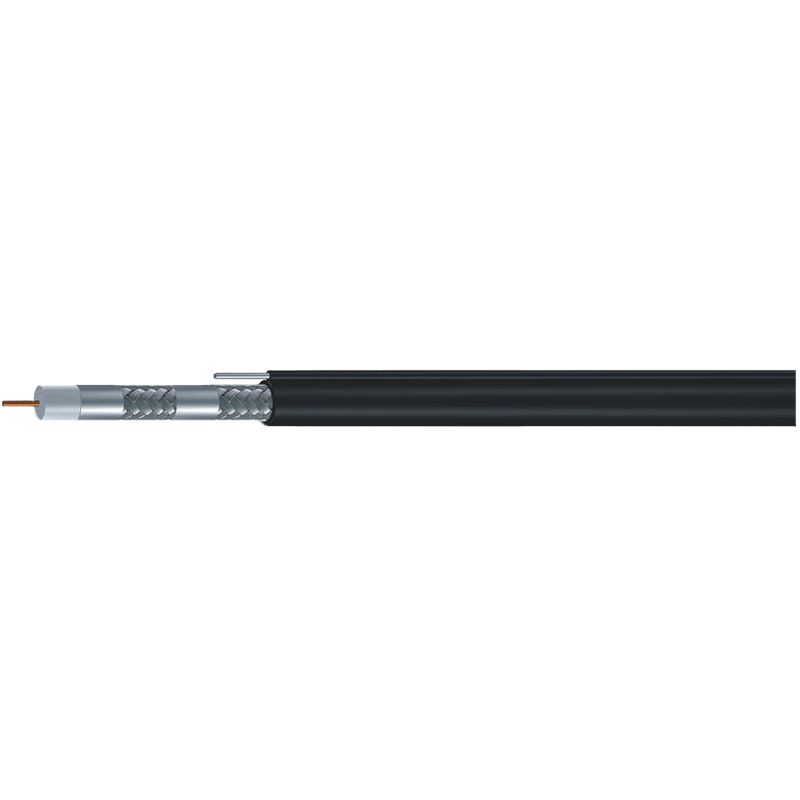
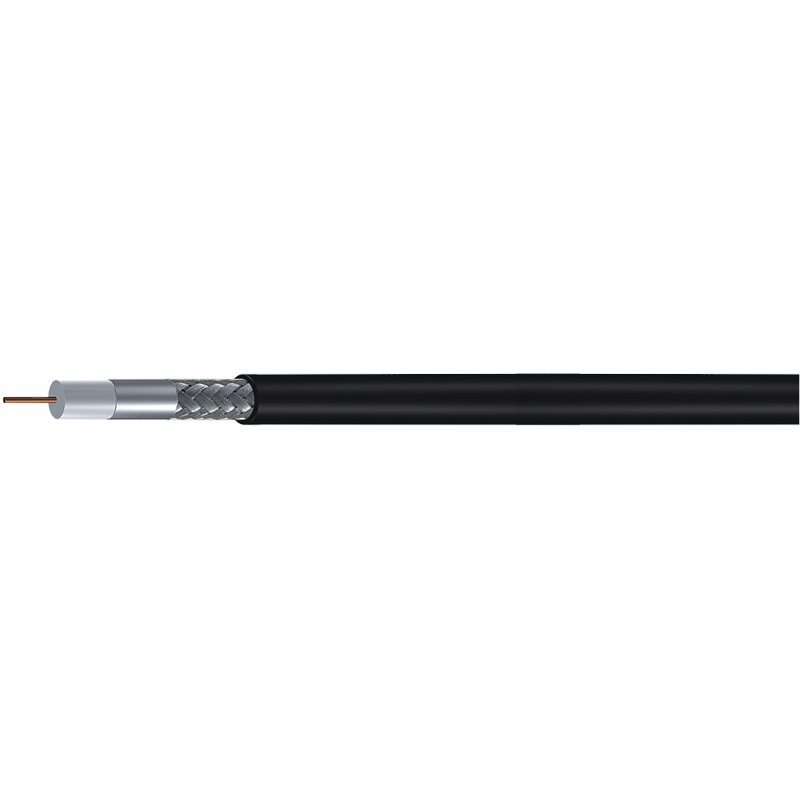
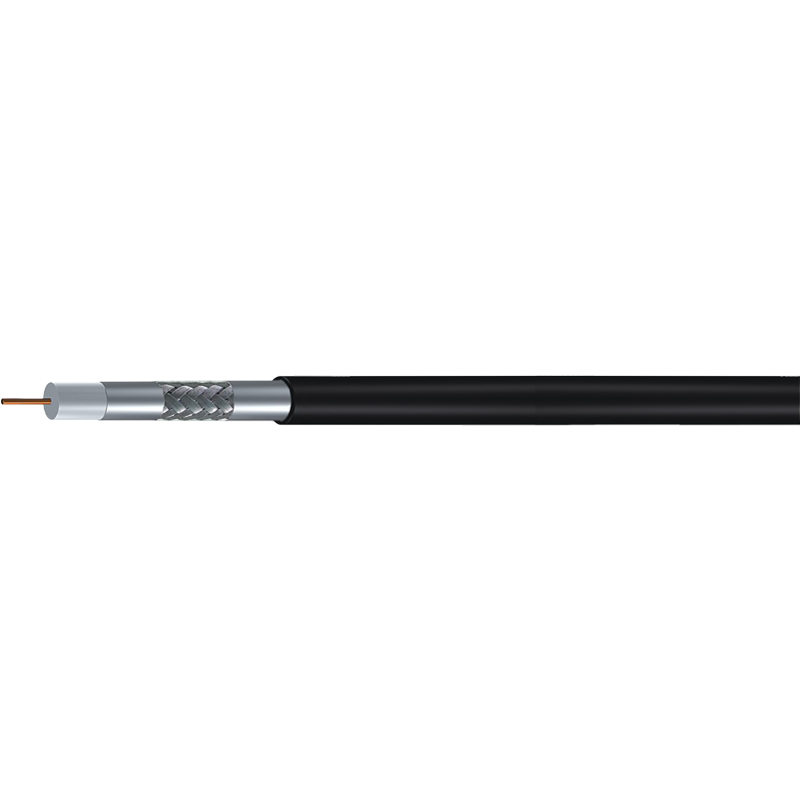
The shielding in a CCTV Coaxial Cable serves as a protective barrier that prevents external noise from affecting the video signal. For maximum effectiveness, the shield must remain continuous throughout the installation and be properly grounded at the receiving equipment. Continuous shielding prevents electromagnetic disturbances from corrupting the signal, ensuring that the video feed remains stable and free from artifacts such as flickering, ghosting, or static. Proper grounding also protects the system from potential electrical surges or stray currents, enhancing both safety and signal integrity.
Secure Connections and Terminations
Signal loss and degradation often occur at connector points, making proper termination a critical step in installation. High-quality connectors, such as BNC or F-type, should be crimped or soldered according to manufacturer specifications. Ensuring that the CCTV Coaxial Cable is tightly secured to connectors prevents impedance mismatches, signal reflections, and intermittent failures. Additionally, using corrosion-resistant connectors helps maintain a reliable seal and consistent electrical contact over time, which is particularly important in environments exposed to moisture or temperature fluctuations.
Avoiding Physical Stress and Damage
Physical integrity is as important as electrical performance for CCTV Coaxial Cables. Cables should not be pinched, tightly stapled, or crushed during installation, as this can damage the conductor, shielding, or insulation. Using protective conduits or raceways is recommended in areas with potential mechanical hazards, such as floors, walls, or outdoor environments. Regular support with cable clips or ties at appropriate intervals prevents sagging and strain on connectors, reducing the likelihood of intermittent faults, long-term degradation, or complete signal loss.
Testing and Verification Post-Installation
After installation, comprehensive testing of the CCTV Coaxial Cable ensures that the system operates reliably and maintains high-quality video transmission. Using video analyzers, continuity testers, or cable certifiers can verify signal strength, detect impedance mismatches, and confirm shielding effectiveness. Early detection of issues, such as faulty connectors, damaged sections, or improper routing, allows corrective action before the system goes live. Post-installation testing guarantees that each camera feed meets performance expectations and contributes to the overall reliability of the CCTV system.