RG59 vs RG6: The Difference Between Two Familiar Coaxial Cables
Both are 75-ohm coaxial cables. Only one is usually the right choice for a new, long, or high-frequency run. Here is how to tell them apart without the jargon.
If you have ever stood in an electronics aisle holding two cables that look almost the same, you are not alone. RG59 and RG6 belong to the same coaxial family, and both are built around a 75-ohm characteristic impedance. That shared number is why the conversation gets confusing: the cables can look similar, connect to similar systems, and still behave differently once distance and frequency enter the picture.
We manufacture both types, and the most useful answer is rarely “RG6 is better.” It is more accurate to say that RG6 is better suited to some jobs, while RG59 remains a sensible tool for others.
“The label on the cable is the beginning of the decision, not the end of it.”
The Shared Foundation: Both Are 75-Ohm Coaxial Cables
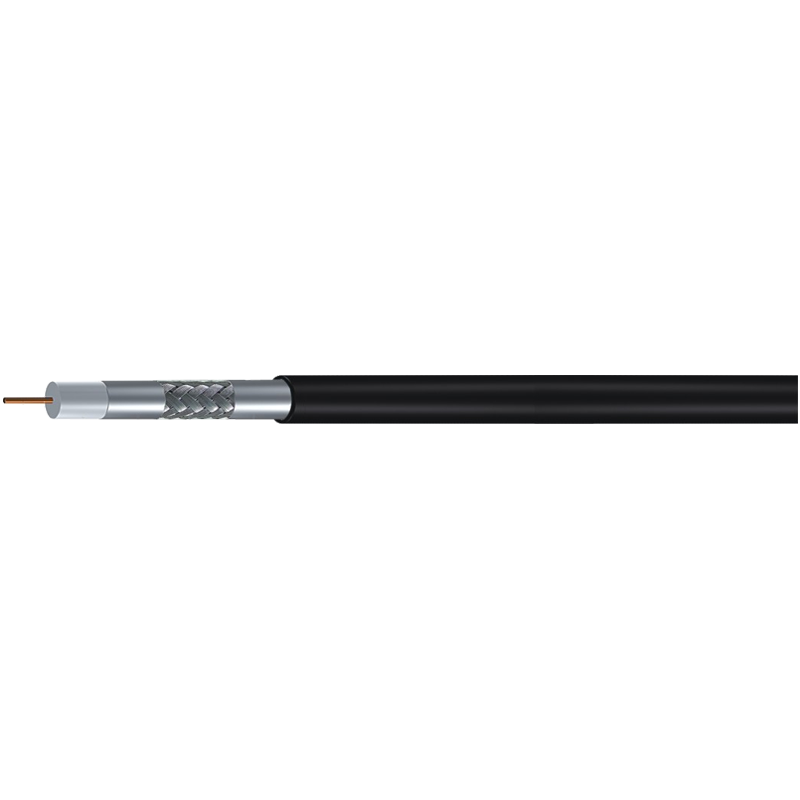
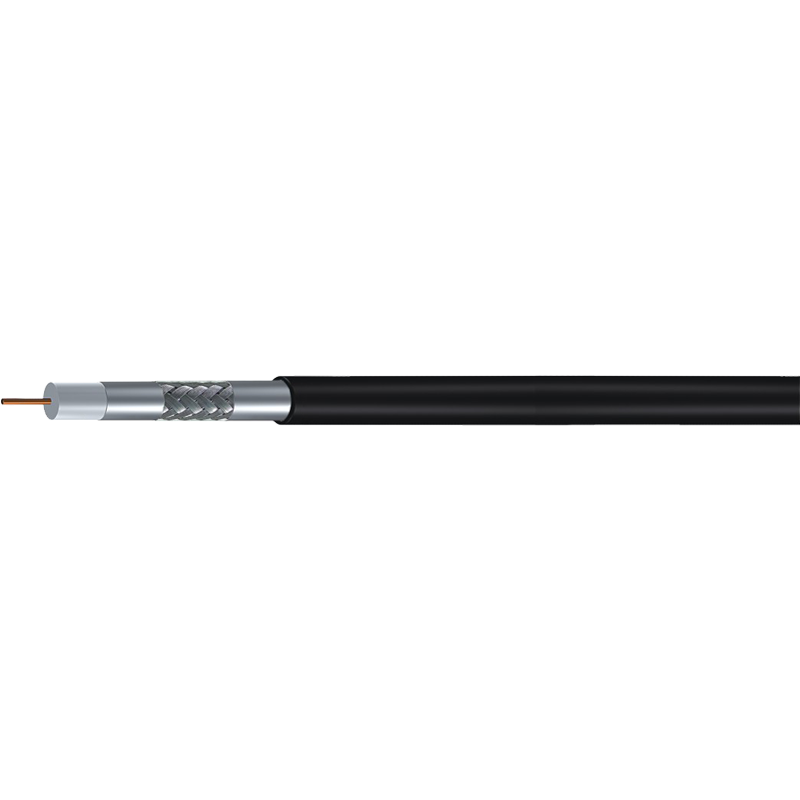
A coaxial cable carries a signal along a center conductor while a shield around the dielectric helps contain the field. RG59 and RG6 both use that architecture and both target 75 ohms, the impedance used by video, satellite, cable TV, and many broadband systems. The impedance is a design target; the physical dimensions and attenuation are what change the practical result.
The familiar distinction starts with size. RG59 is the slimmer member of the pair, with a smaller center conductor and a smaller overall diameter. RG6 uses a larger center conductor and a larger dielectric, which usually means lower signal loss at higher frequencies. Because the diameters differ, the connectors differ too. A connector made for RG6 is not the right fit for RG59, even if both end in an F-style connector.
The Core Differences at a Glance
The comparison below is a practical starting point. Exact attenuation, shield coverage, and jacket material vary by product family and manufacturer, so the datasheet for the exact cable should always have the final word.
| Feature | RG59 | RG6 |
|---|---|---|
| Characteristic impedance | 75 ohms | 75 ohms |
| Center conductor | Usually smaller, often 20–22 AWG | Usually larger, often 18 AWG |
| Overall diameter | Slimmer, more flexible | Larger, stiffer |
| Attenuation at high frequency | Higher | Lower |
| Frequency handling | Good for short and baseband runs | Better for wideband and long runs |
| Typical connectors | RG59-specific F or BNC | RG6-specific F or BNC |
| Common applications | Short analog CCTV, legacy video, tight retrofits | Satellite, cable TV, OTA, broadband, long CCTV |
The pattern is consistent: RG6 is the lower-loss, wider-frequency option, while RG59 is smaller and easier to handle. Neither characteristic is automatically “better” until you know the run and the signal.
Why RG6 Became the Default for Modern Signal Paths
RG6 became the default for modern video and broadband paths because its larger conductor and dielectric reduce attenuation, especially as frequency rises. Satellite receivers, cable modems, over-the-air antennas, and long video distribution runs generally benefit from that lower loss. On a very short baseband video patch, the difference may be invisible; on a long UHF or satellite run, it can be the difference between a reliable picture and a marginal one.
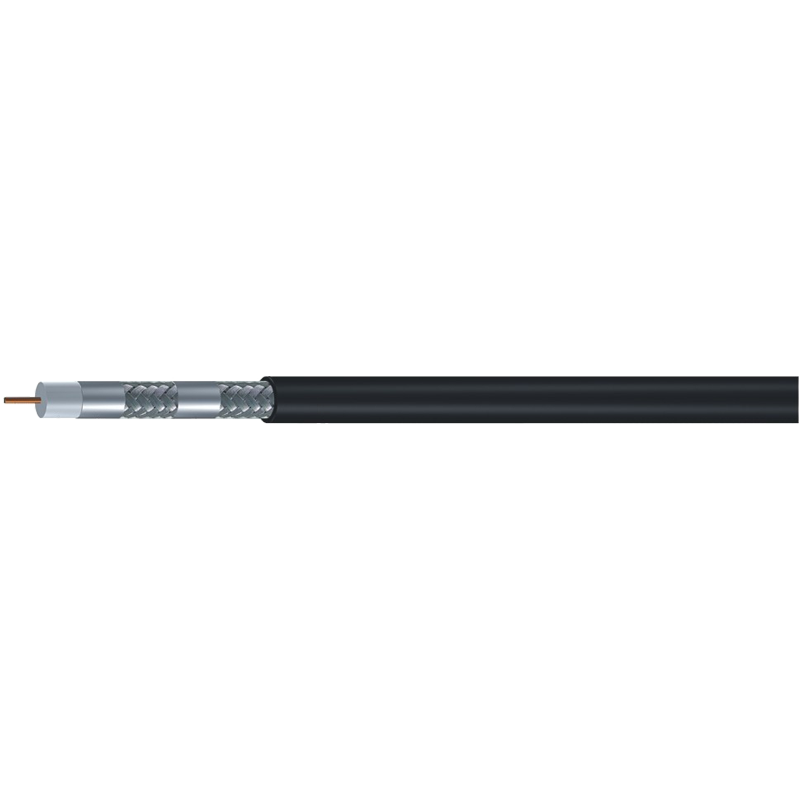
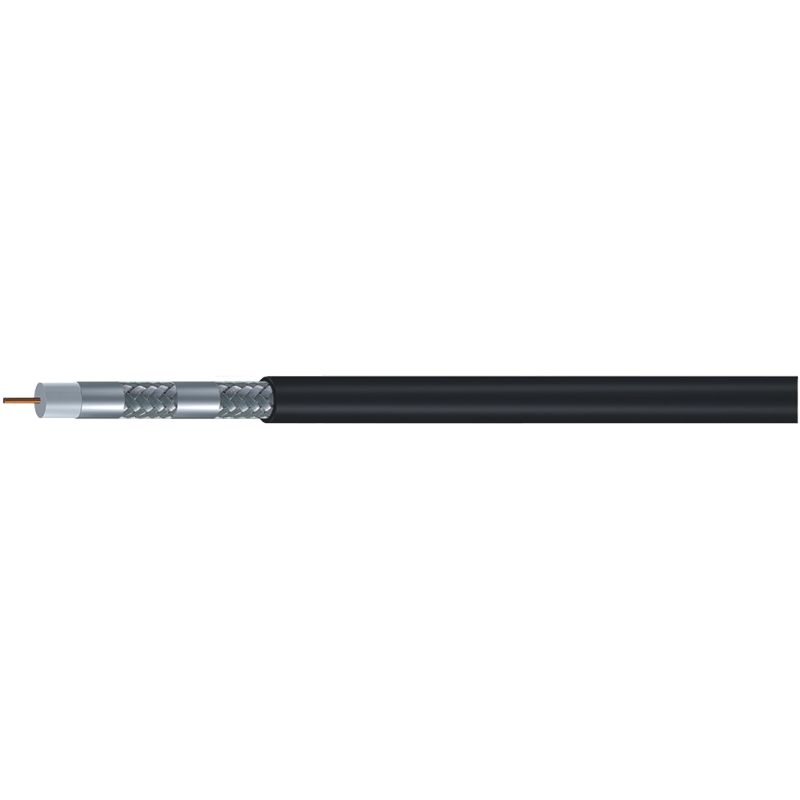
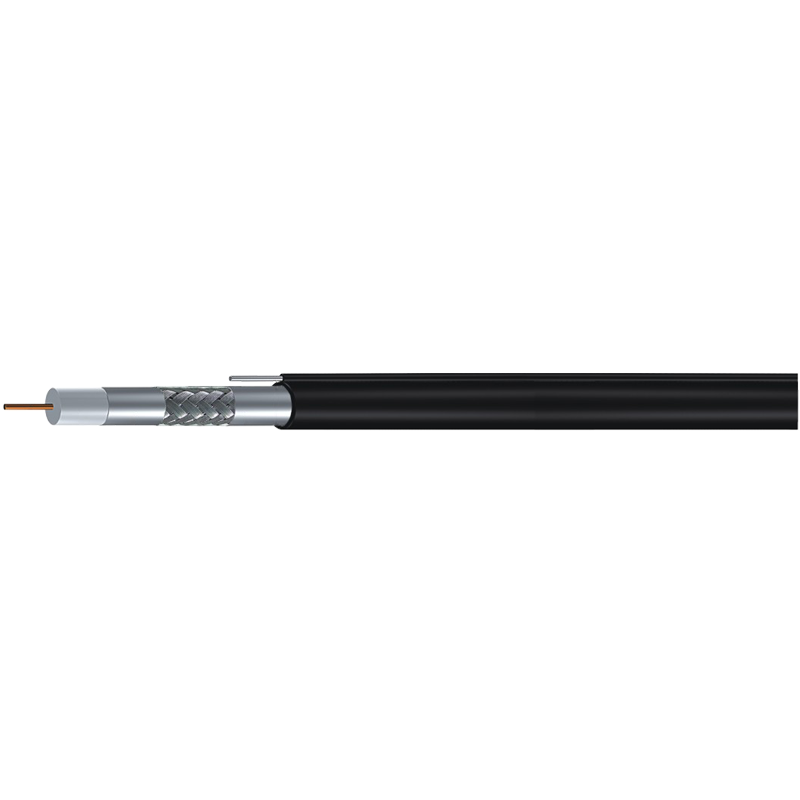
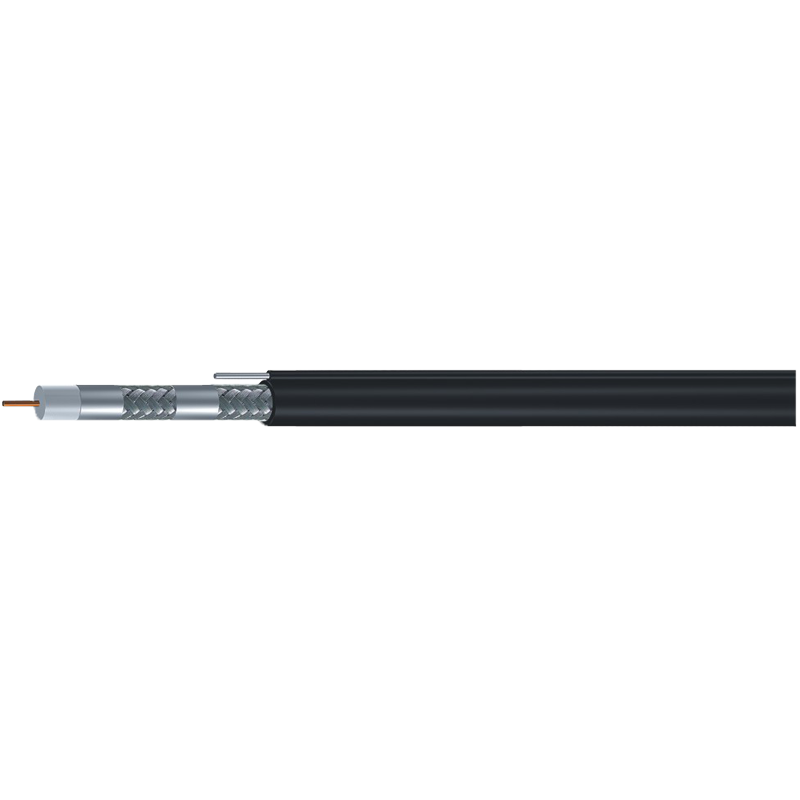
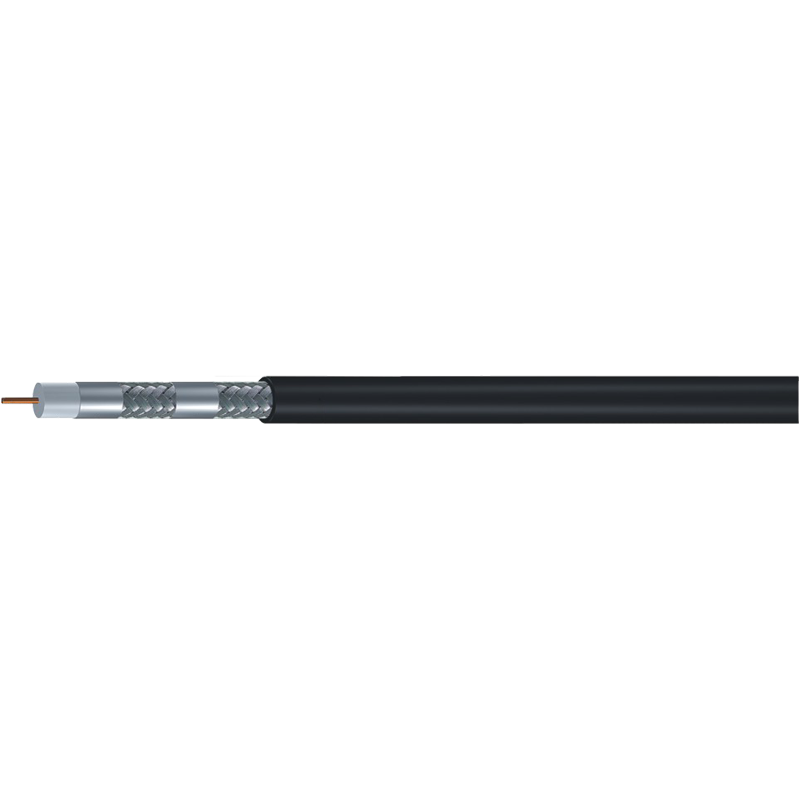
RG6 is also a family rather than a single reel. Standard shield, trishield, and quadshield versions trade cost, flexibility, and shielding performance. A messenger version adds support for overhead spans. In an electrically noisy plant, a stronger shield can help; in a short clean run, it can be unnecessary bulk. Our guide to understanding RG6 75-ohm coaxial cable explores those construction choices in more detail.
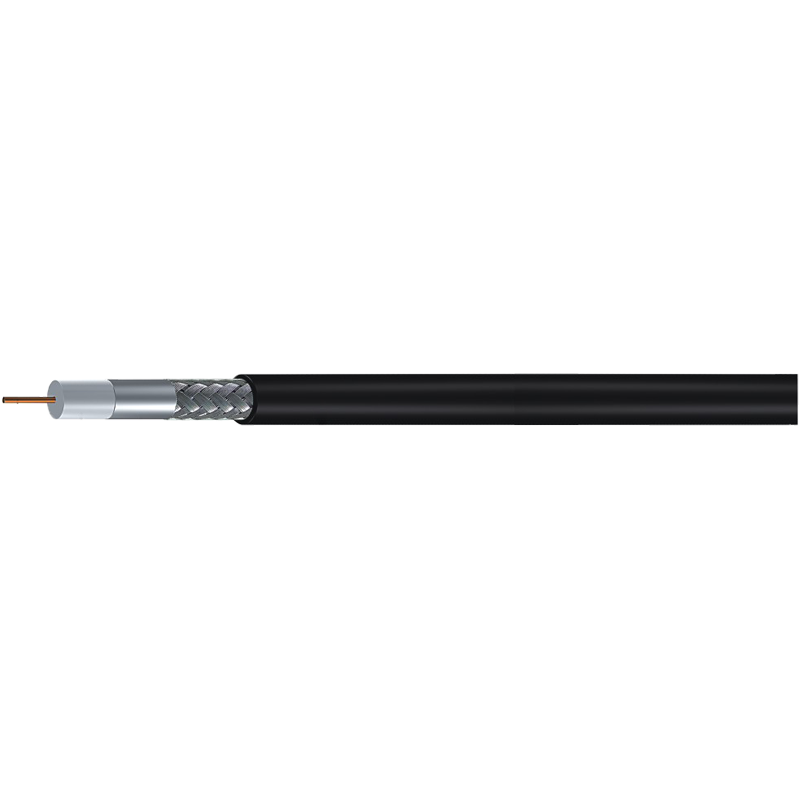 RG6 Standard Shield 75 Ohm Coaxial Cable75-ohm standard-shield coax for CATV, satellite, broadband modem, and security runs; compare its foil-and-braid shielding against trishield or quadshield when noise and routing matter.View Product →
Info
Select shield construction by the noise environment and installation route, not by the thickness of the cable alone.
Where RG59 Still Makes Sense
RG59 remains useful precisely because it is smaller. It bends more easily, fits tighter conduit, and can rescue a retrofit where RG6 will not physically go. Short composite video links, legacy analog CCTV, and existing installations that already perform well are common places where RG59 is still the practical choice. Its higher attenuation at high frequencies is a real limitation, but it is not a defect; it is a trade-off that suits shorter, simpler runs.
Warning
A short RG59 run can be perfectly serviceable while a long, high-frequency run may disappoint. Check distance, frequency, and connector quality before blaming the cable type.
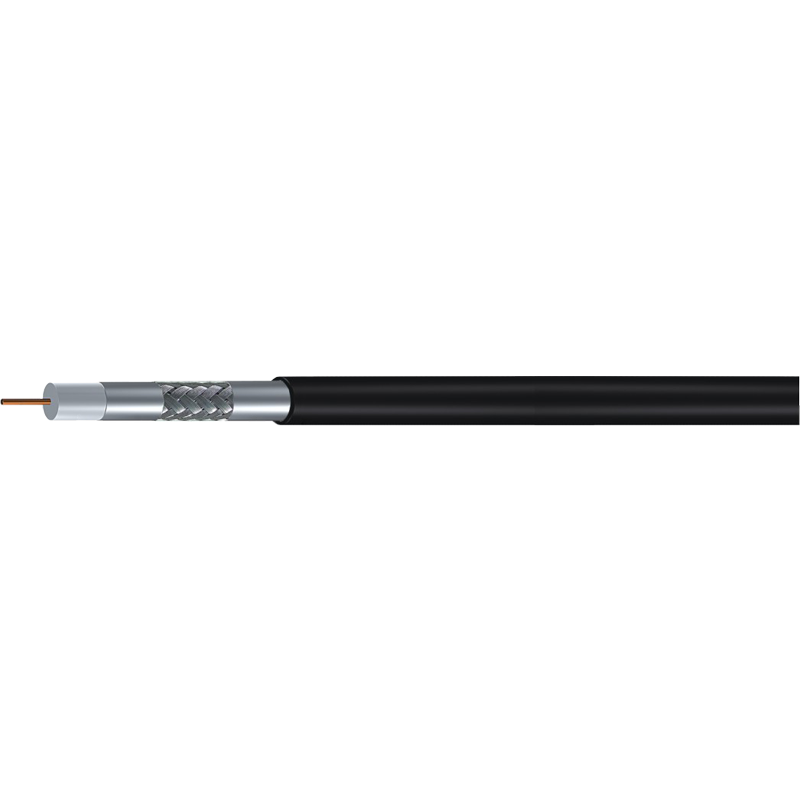
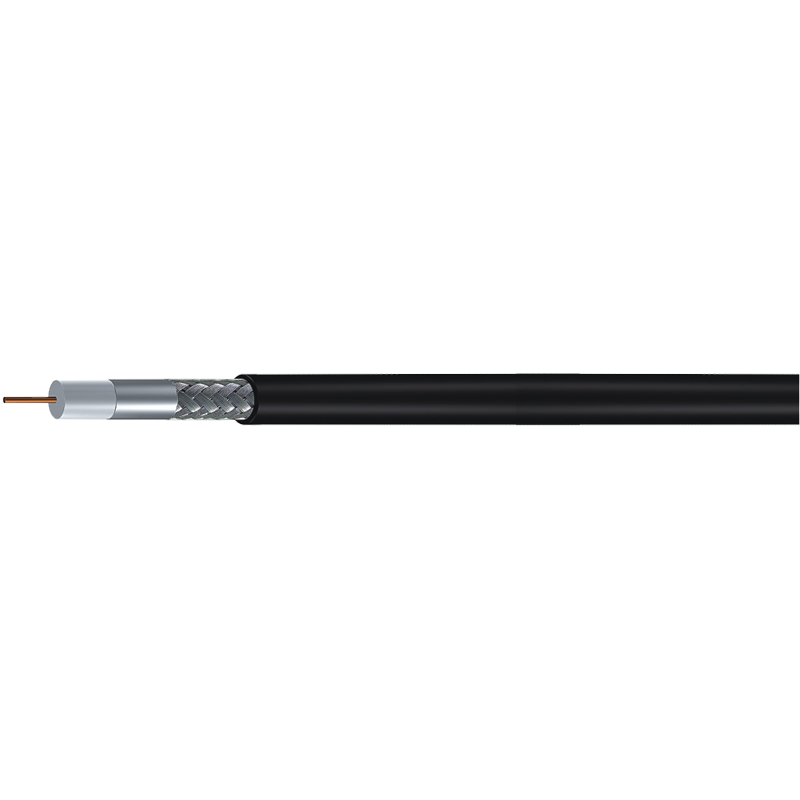
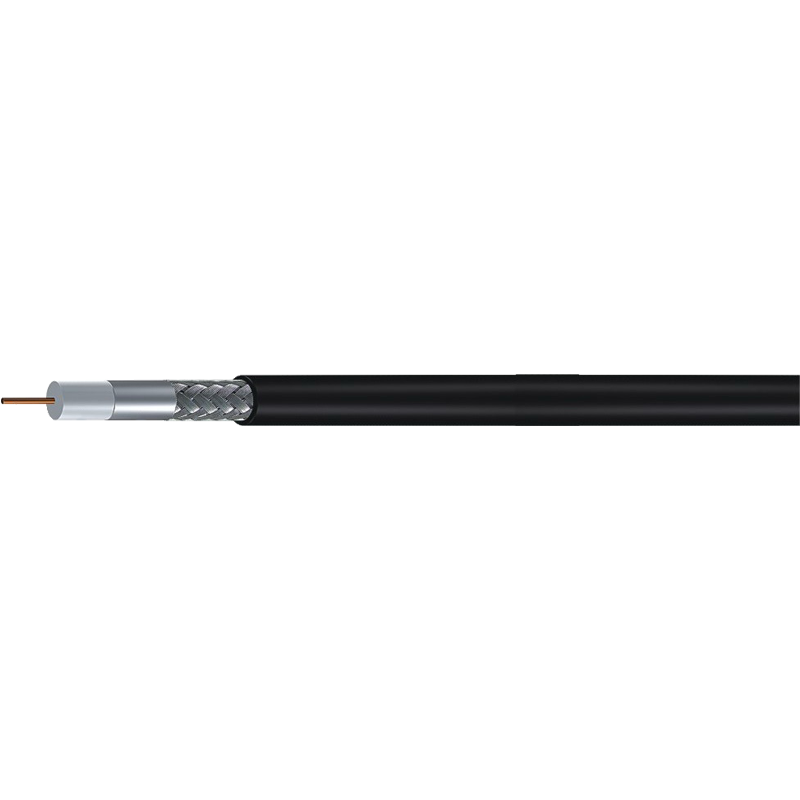 RG59 Standard Shield 75 Ohm Coaxial CableA 75-ohm coax for analog video and security transmission, suited to short or low-to-mid-frequency runs; long HD CCTV routes may need RG6's lower loss.View Product →
The CCTV Question: RG59 or RG6?
CCTV is where the RG59 versus RG6 question becomes concrete. Older analog cameras were often wired with RG59 because the signals were relatively low in frequency and the runs were short. Modern analog HD formats push more detail through the coax, so RG6’s lower loss usually gives a safer margin, particularly on longer outdoor runs. IP cameras use network cable instead, though hybrid systems often keep coax for existing analog channels.
When a camera also needs power, siamese cable with power combines video and DC power in one jacket and saves a separate pull. For a short indoor drop, existing RG59 may be fine. For new construction or a long exterior run, RG6 with power is usually the more forgiving starting point.
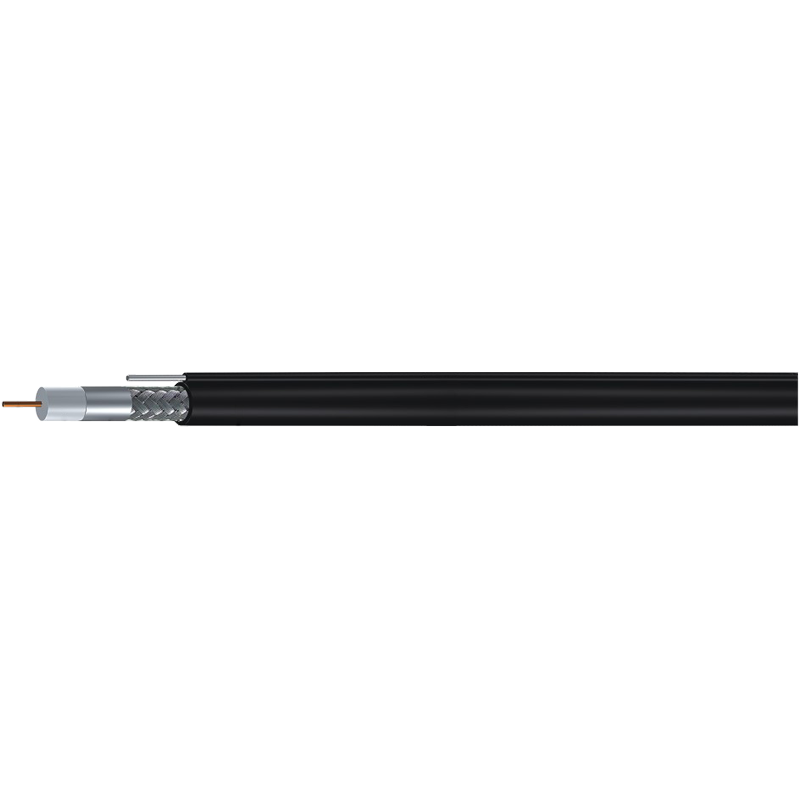
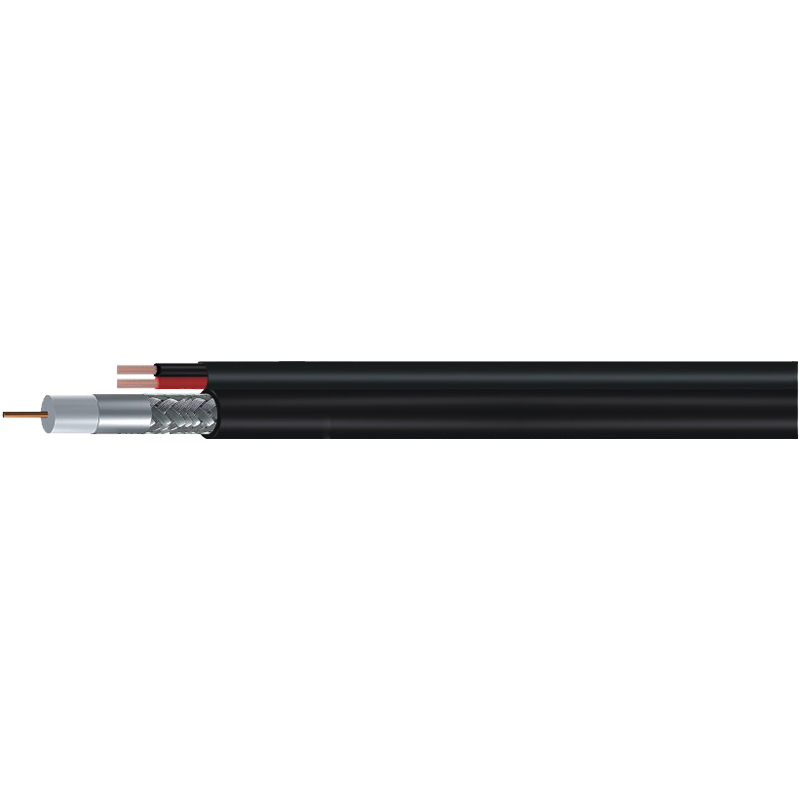 RG6 With Power CCTV Camera Coaxial CableCombined 75-ohm coax and DC power in one jacket for CCTV installations; suited to new or longer runs where video and power share a pull.View Product →
The right choice still depends on resolution, run length, and the conduit you actually have.
Installation Details That Change the Answer
Spec sheets compare cable on a reel, but the installation decides the result. A larger cable leaves less room in conduit, a tight bend can damage the dielectric, and a poor connector can erase the benefit of a better cable. Treat cable, connector, and weatherproofing as one assembly.
- Distance: longer runs generally favor RG6’s lower loss.
- Frequency: satellite, digital TV, and high-frequency video favor RG6.
- Space: short, tight retrofits may favor RG59.
- Shield: choose standard, trishield, or quadshield for the noise environment.
- Fit: use connectors sized for the exact cable, not the nearest available one.
- Power: camera locations that need DC power may call for siamese coax.
Our 75-ohm coaxial cable range includes RG59, RG6, RG11, and shield variants for different routes; compare the exact construction before choosing.
Success
A cable can pass a continuity test and still be a poor RF path. Test with the real signal or a suitable analyzer when performance matters.
A Simple Decision Guide
When the variables are unclear, use this short guide as a filter, then confirm with the datasheet.
- New satellite, cable TV, OTA antenna, cable modem, or long video run: start with RG6.
- Short composite video, legacy analog CCTV, or a tight retrofit where RG6 will not fit: RG59 can be the sensible choice.
- New analog HD CCTV over coax: favor RG6, and use a siamese version if the camera needs power.
- Noisy electrical environment: choose the shield construction that matches the risk rather than the thickest jacket.
- Existing working RG59: test first; run length and picture quality should decide whether replacement is worth it.
Danger
Do not substitute 50-ohm RG58 or RG213 for a 75-ohm video cable just because it is thicker. The impedance mismatch causes reflections and loss.
Success
Match the cable to the run, the frequency, and the space available; that is a more reliable rule than chasing a single “best” label.
So the difference between RG59 and RG6 comes down to geometry and loss rather than a mysterious quality gap. Both are 75-ohm coaxial cables. RG59 is smaller, more flexible, and more attenuated at high frequencies. RG6 is larger, lower loss, and better suited to modern digital, satellite, broadband, and longer CCTV runs.
The useful question is not “Which is better?” but “How far, how high in frequency, and through what space?” Answer those three things, compare the exact shield and conductor on the datasheet, and the right cable usually becomes clear. When a run is marginal, test a sample before committing the whole installation.