1. Shielding Mechanisms to Minimize EMI/RFI
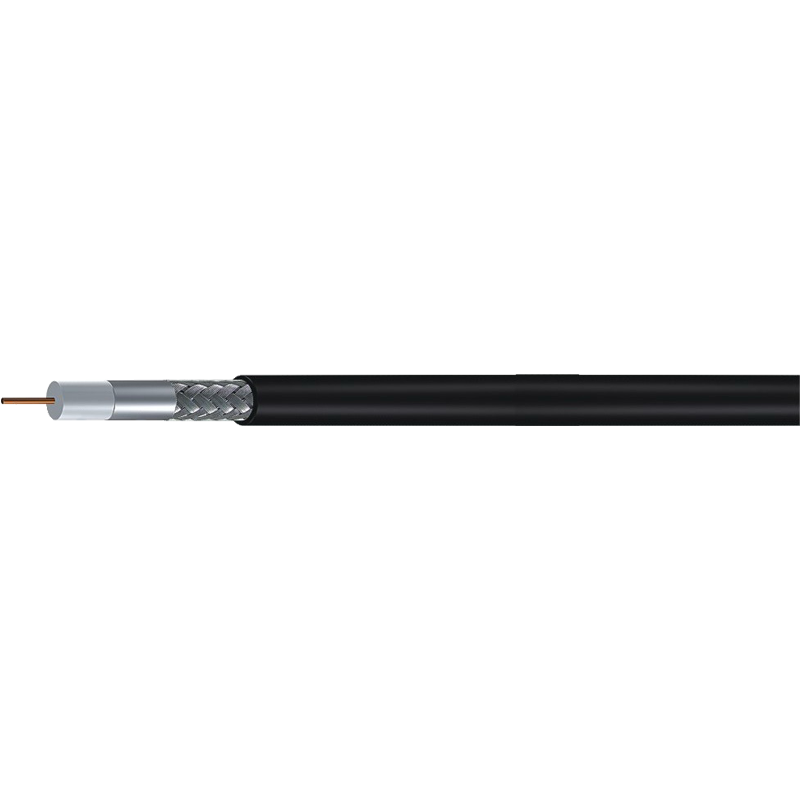
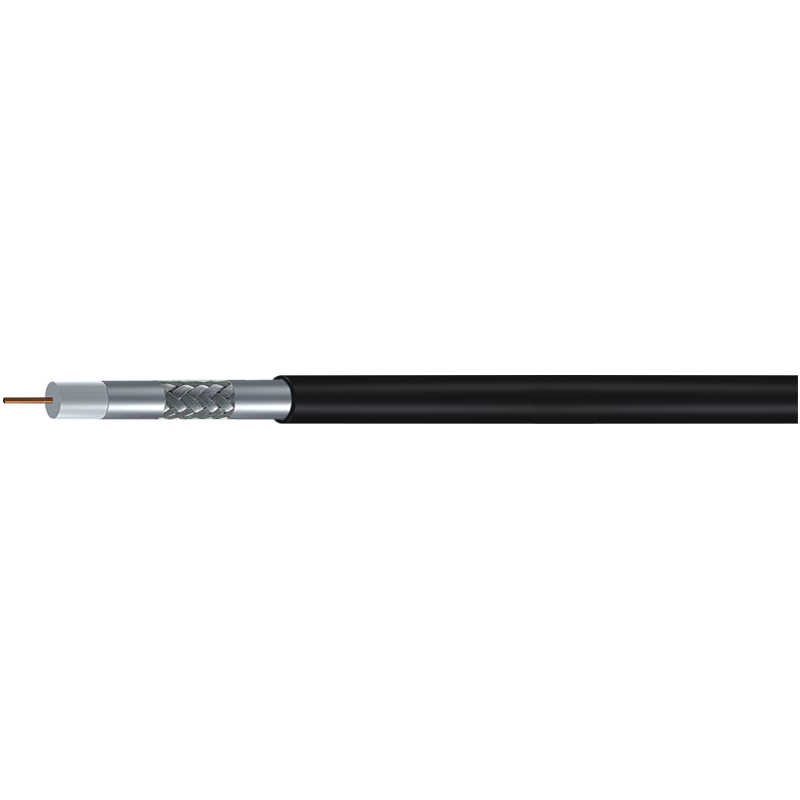
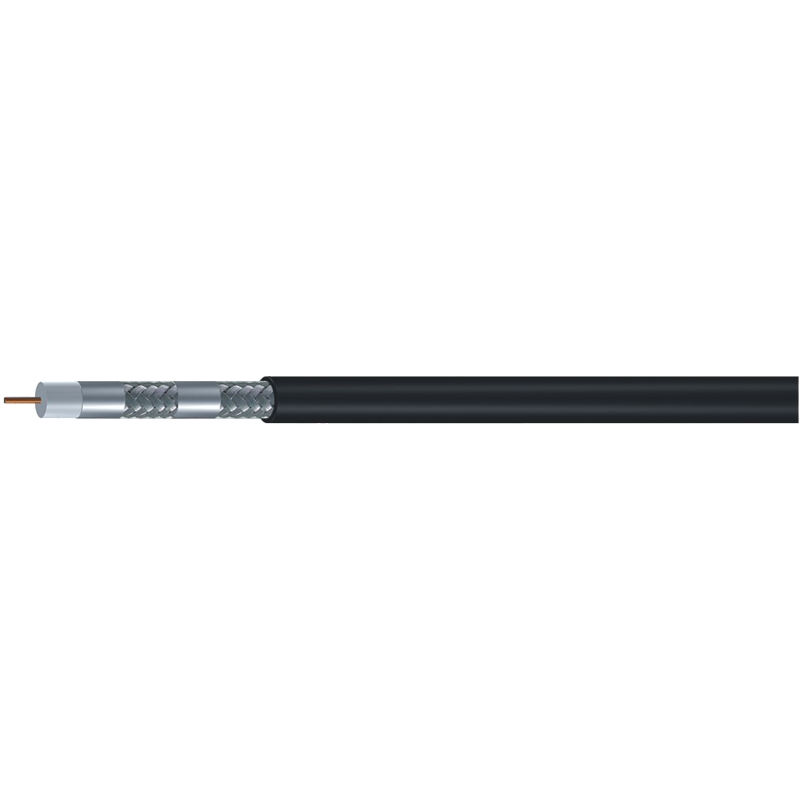
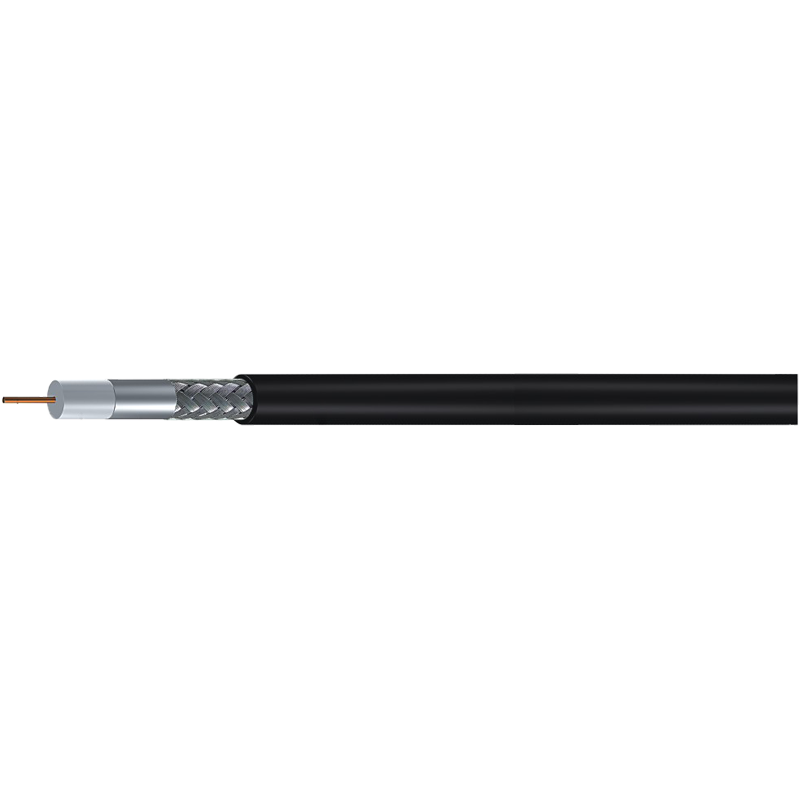
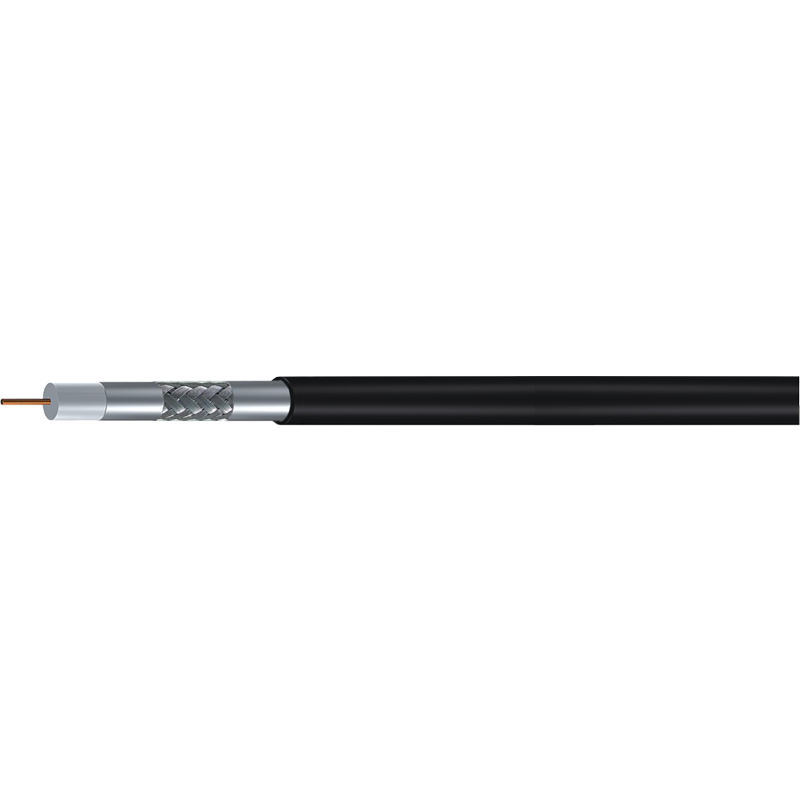
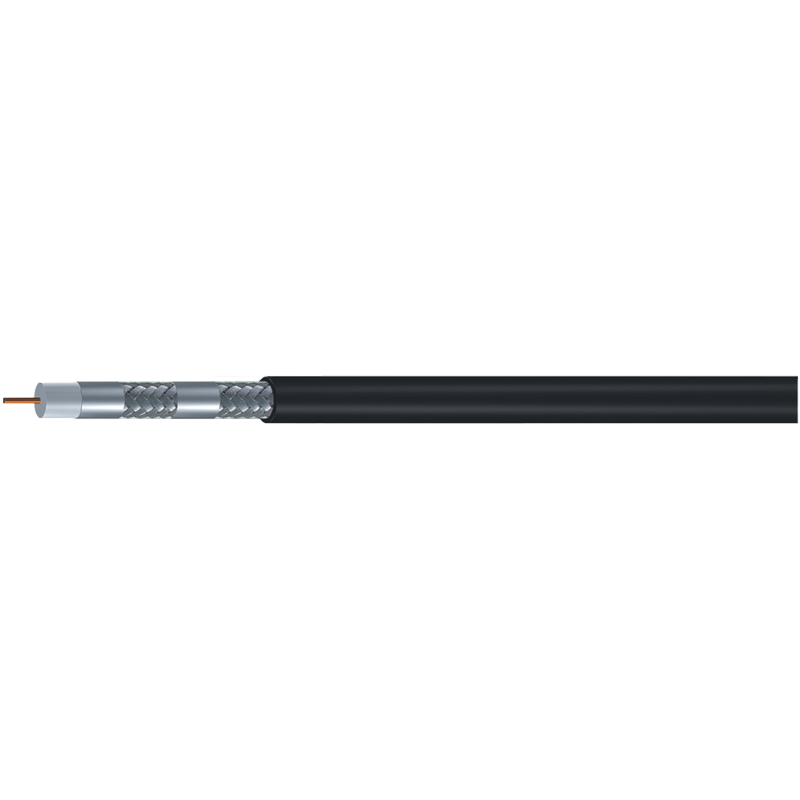
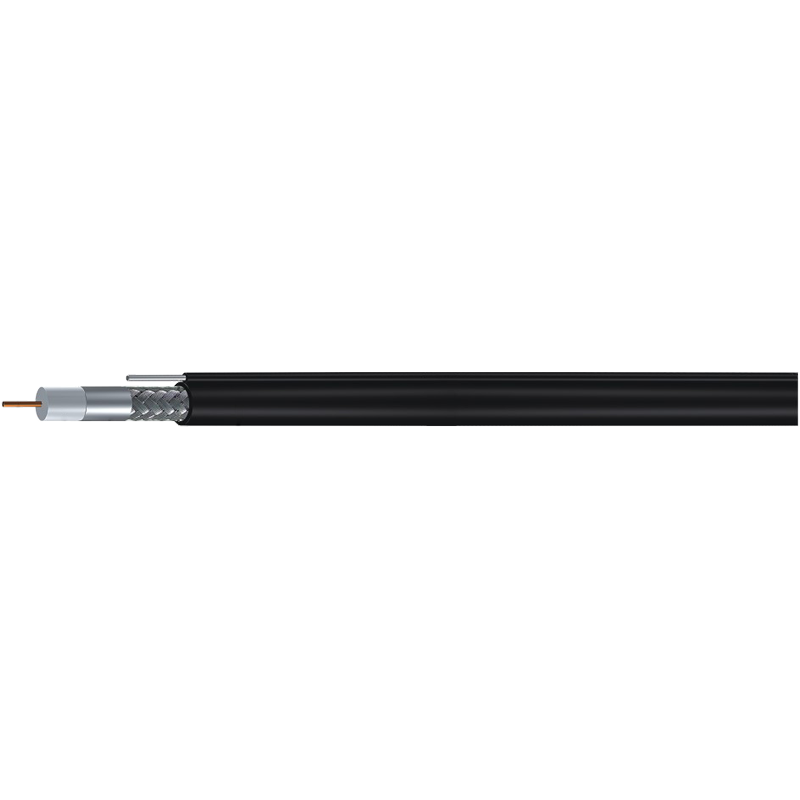
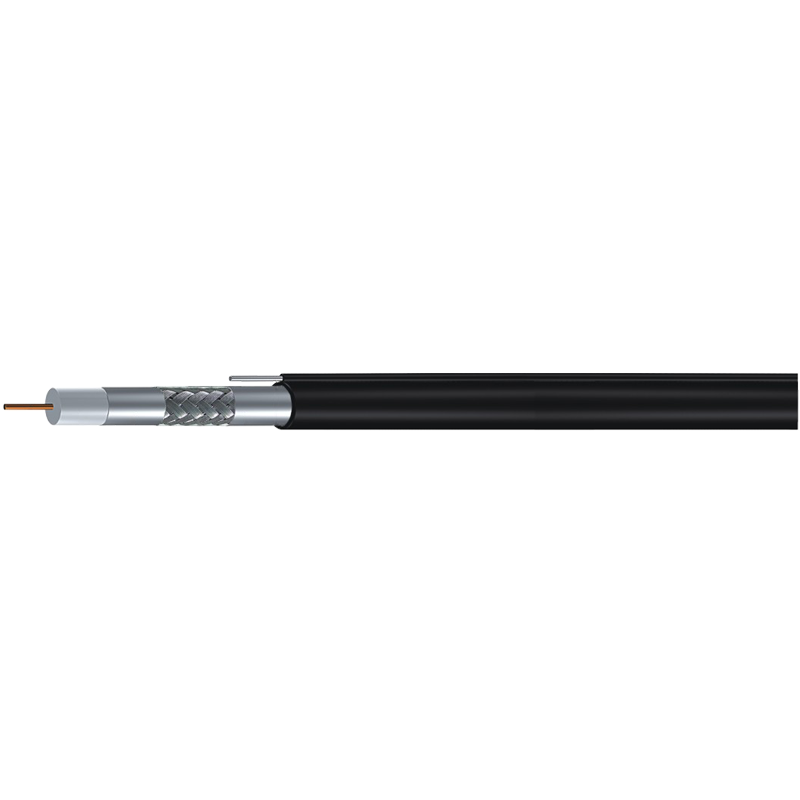
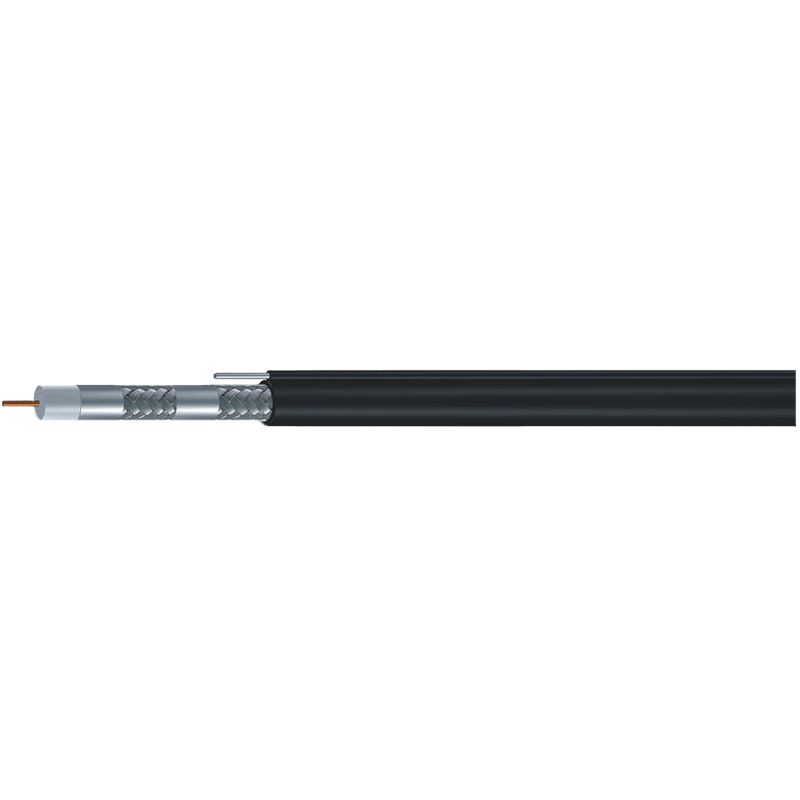
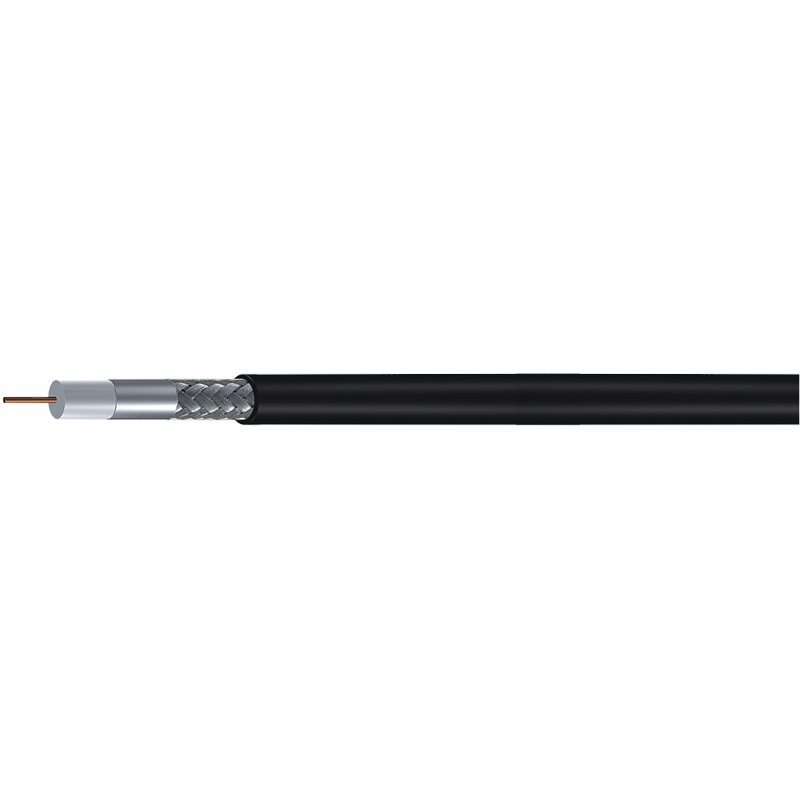
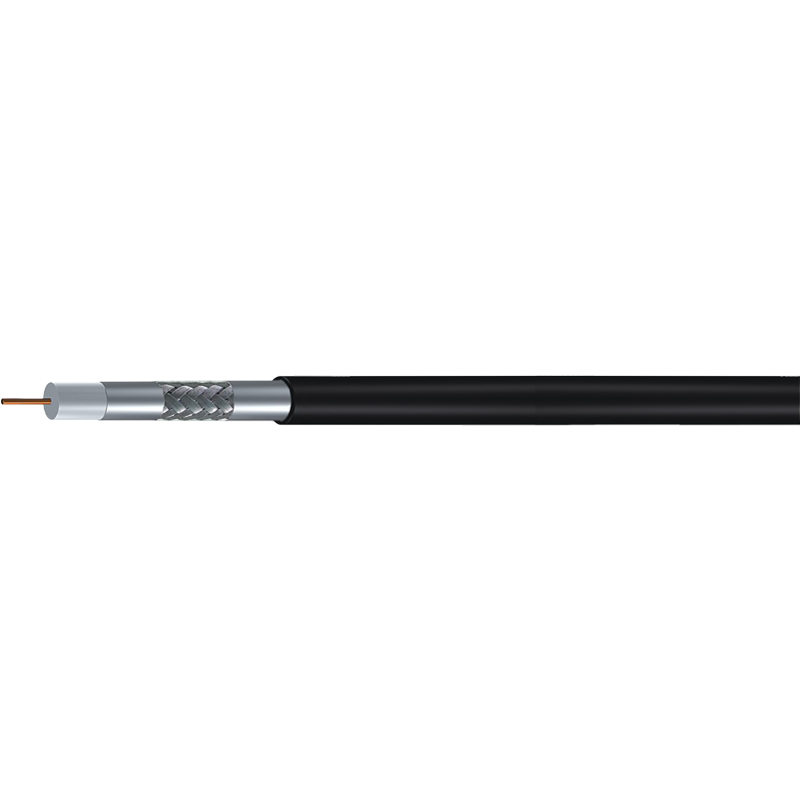
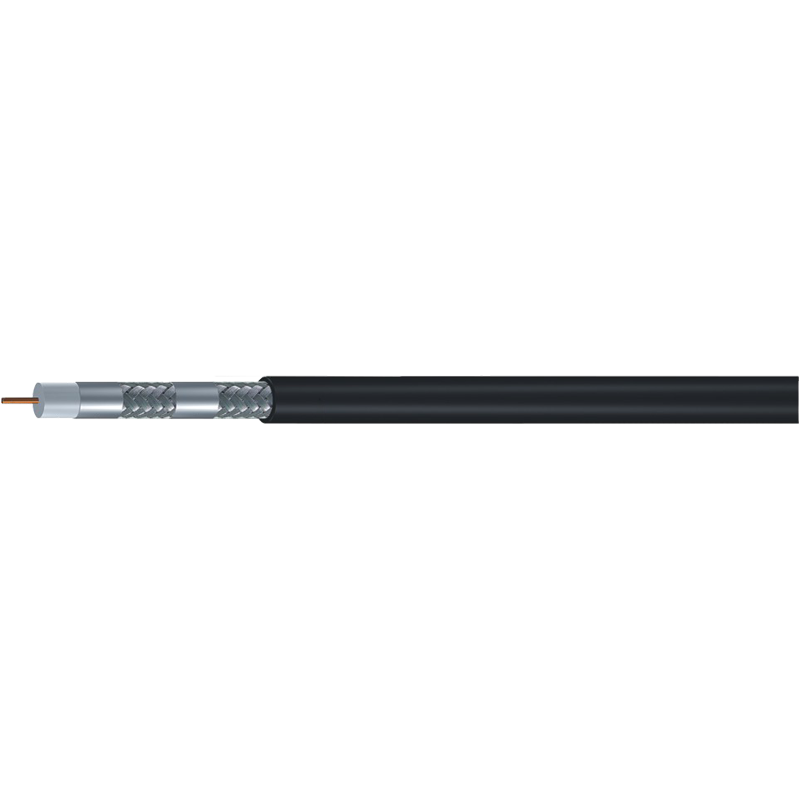
The primary defense of an RG6 75 Ohm Coaxial Cable against electromagnetic interference (EMI) and radio frequency interference (RFI) is its shielding structure. Most RG6 cables are equipped with dual or quad shields, which consist of a combination of aluminum foil and braided copper or tinned copper mesh. The foil provides continuous coverage against high-frequency interference, while the braided mesh adds mechanical strength and attenuates lower-frequency interference. This layered shielding ensures that external electromagnetic fields, such as those from nearby power lines, Wi-Fi devices, or radio transmitters, are significantly reduced before they can reach the center conductor, preserving signal integrity. The higher the quality and density of the shielding, the better the cable resists interference in electrically noisy environments.
2. Characteristic Impedance and Signal Containment
The RG6 75 Ohm Coaxial Cable is engineered with a precise characteristic impedance of 75 ohms. Maintaining this impedance is critical because it ensures proper signal reflection and transmission balance. When impedance is consistent, the electromagnetic energy within the center conductor is contained, reducing the cable’s susceptibility to interference. Any mismatch in impedance can create reflections that amplify sensitivity to external EMI or RFI. High-quality RG6 cables maintain tight tolerances on the dielectric spacing and shield uniformity, which ensures that signals remain well-confined within the cable, even when exposed to strong external electromagnetic fields.
3. Dielectric Material and Insulation Benefits
The dielectric insulation separating the center conductor from the shielding also contributes to EMI/RFI resistance. Materials such as foam polyethylene or solid polyethylene provide high dielectric strength and consistent spacing, which stabilizes the impedance and prevents external electric fields from penetrating the cable. A thicker or higher-quality dielectric increases the distance between the inner conductor and external interference sources, further improving immunity. Additionally, the dielectric helps minimize signal loss and attenuation, ensuring that even weak signals, such as distant satellite or cable TV transmissions, remain clear despite surrounding electrical noise.
4. Grounding and Proper Installation
Even with excellent shielding, installation practices influence how well an RG6 75 Ohm Coaxial Cable resists EMI and RFI. Proper grounding of the cable shield at distribution points, junction boxes, or antenna systems is essential to divert unwanted electromagnetic energy away from the center conductor. Avoiding proximity to high-power electrical wiring, transformers, or fluorescent lighting also reduces induced interference. In high-EMI environments, routing the cable perpendicular to known interference sources and using additional ferrite beads or surge suppressors can further enhance signal protection. These installation practices work synergistically with the cable’s inherent shielding to minimize signal degradation.
5. Performance in High-Noise Environments
When installed and grounded correctly, a high-quality RG6 75 Ohm Coaxial Cable performs reliably in environments with significant EMI or RFI. Dual-shielded RG6 cables typically achieve 60–80 dB of shielding effectiveness, while quad-shielded variants can exceed 90 dB, providing exceptional protection against interference across a wide frequency range. This makes RG6 ideal for cable TV, satellite, broadband internet, and surveillance applications, even in urban or industrial areas with dense electrical and radio signals. Signal degradation is minimal, allowing consistent video quality, low latency, and minimal noise artifacts.