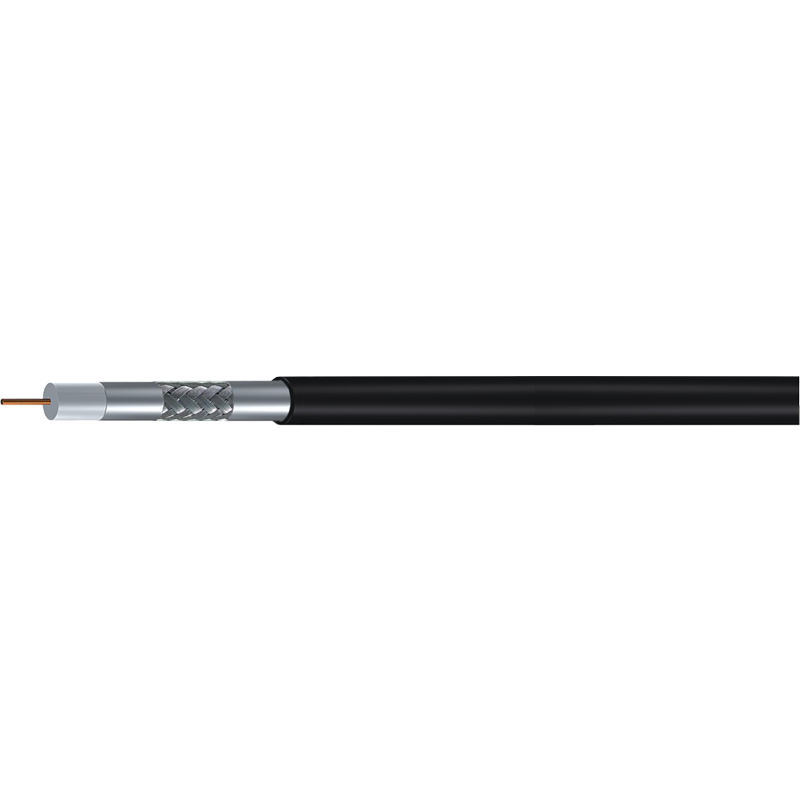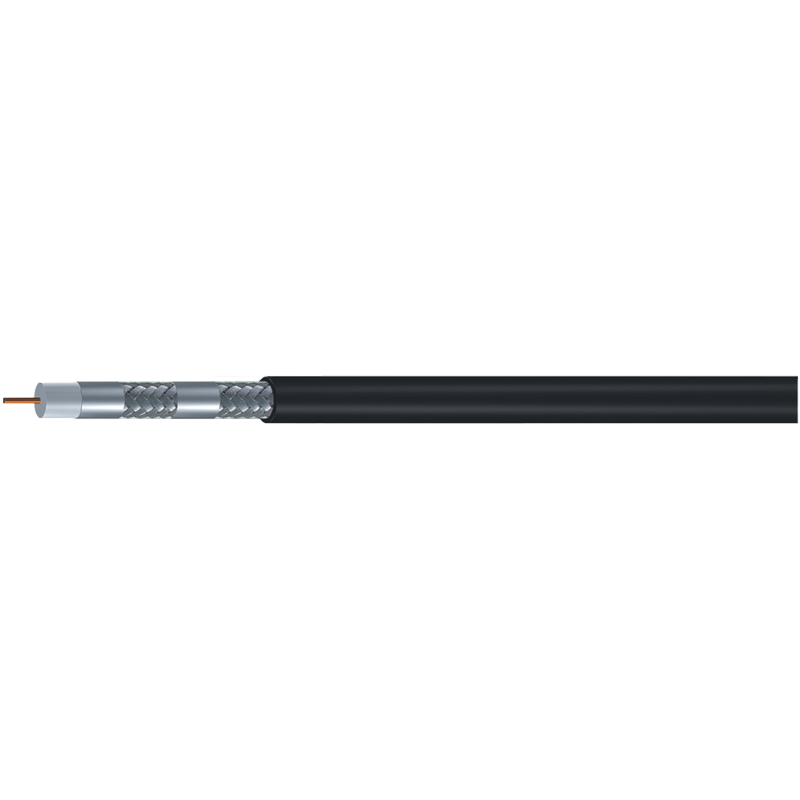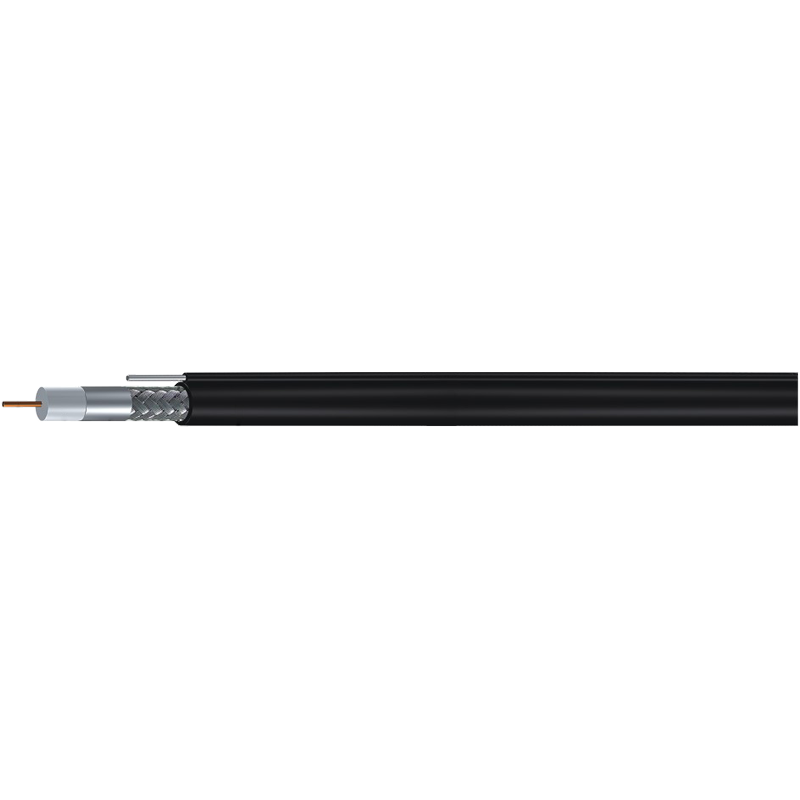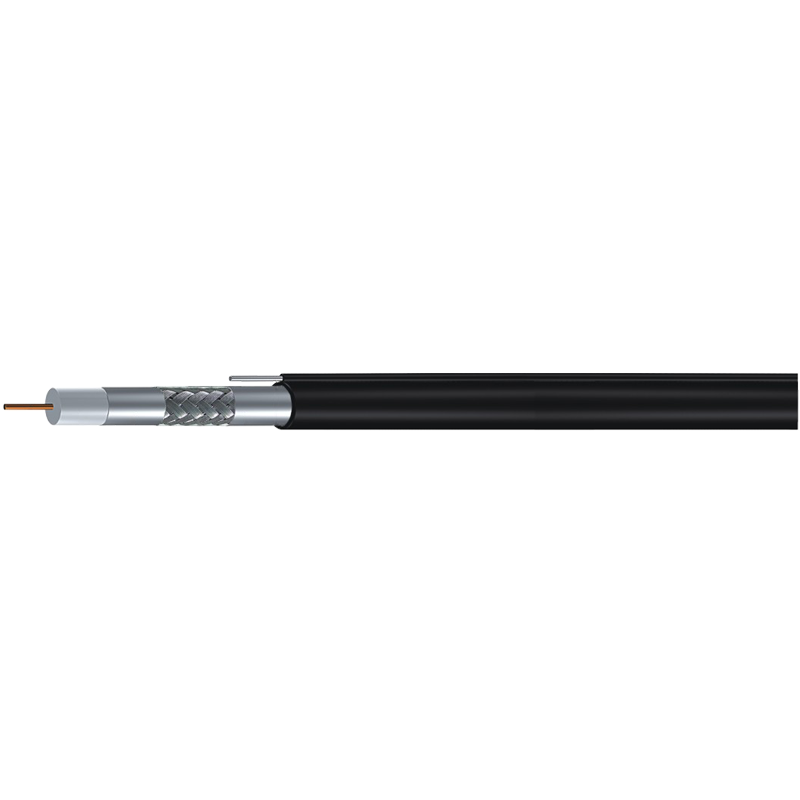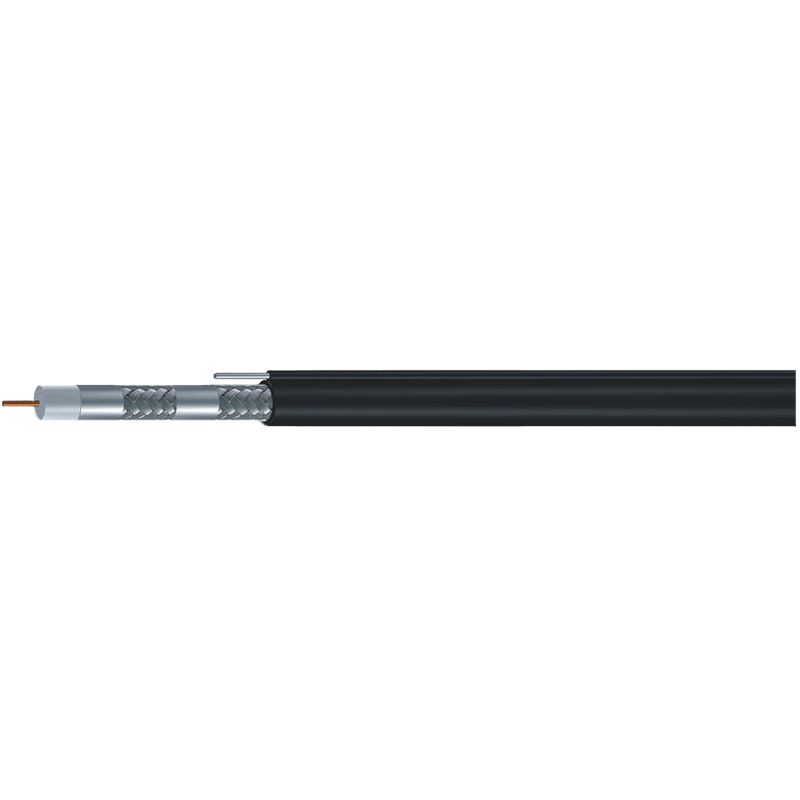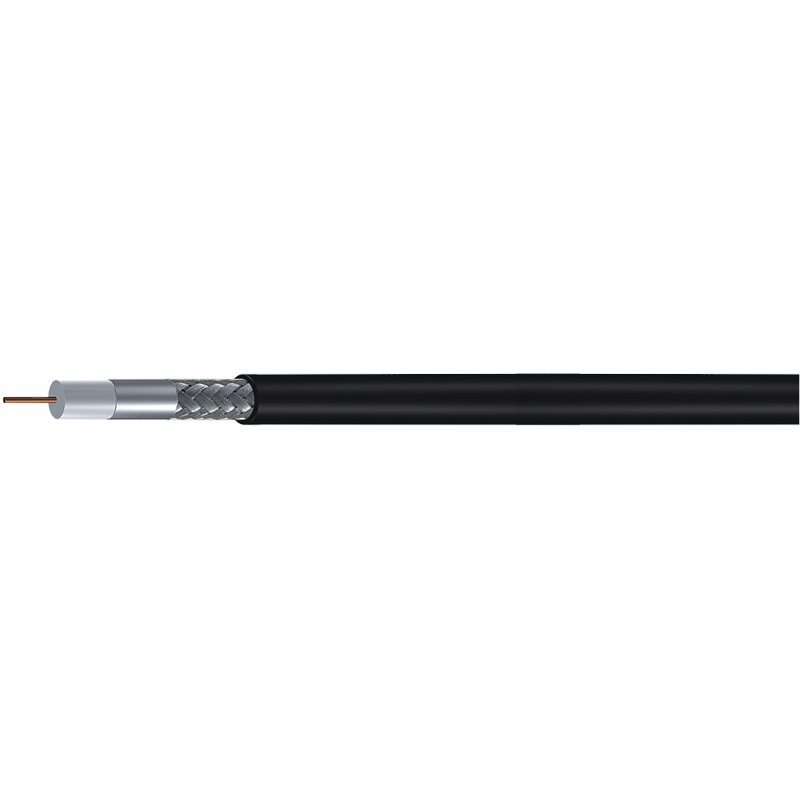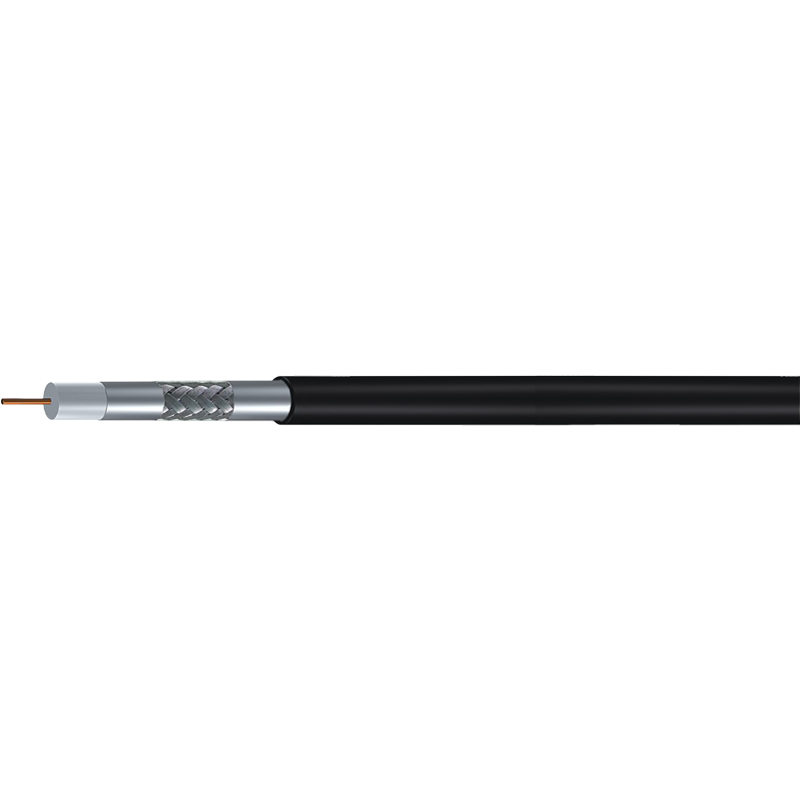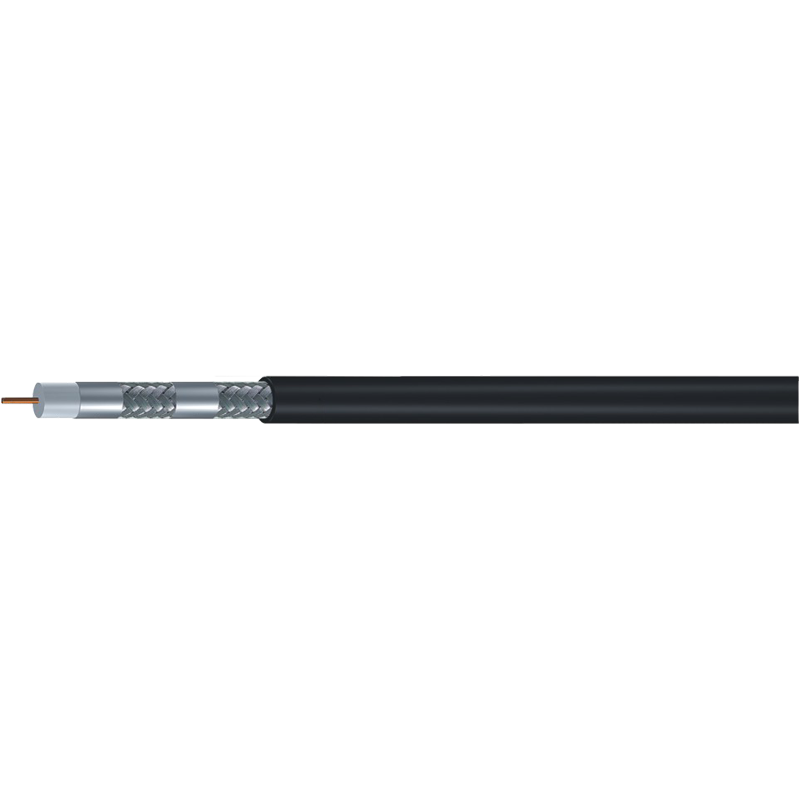
Signal Integrity and Maximum Power Transfer
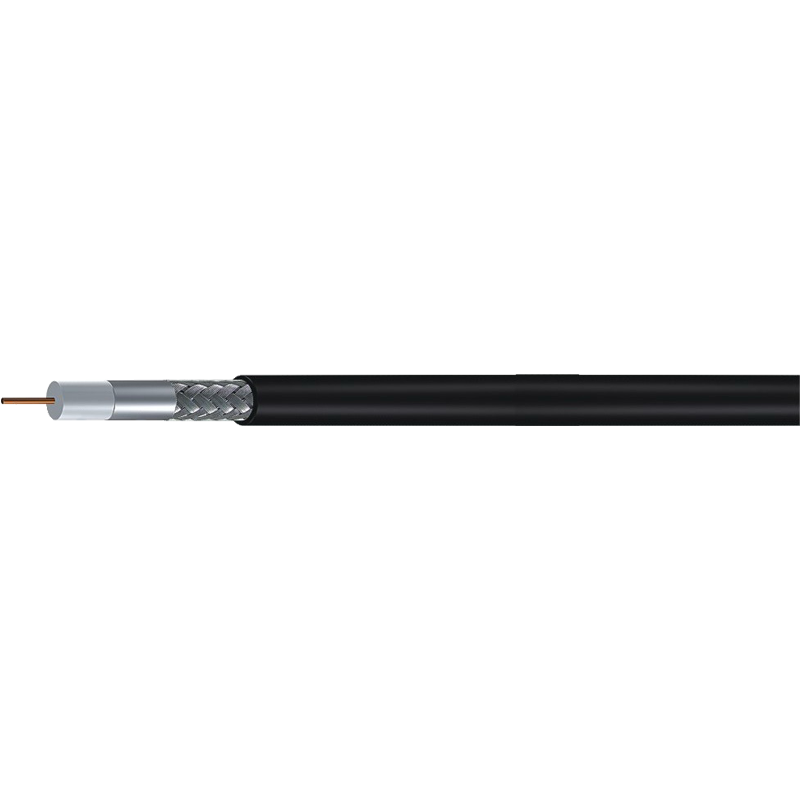
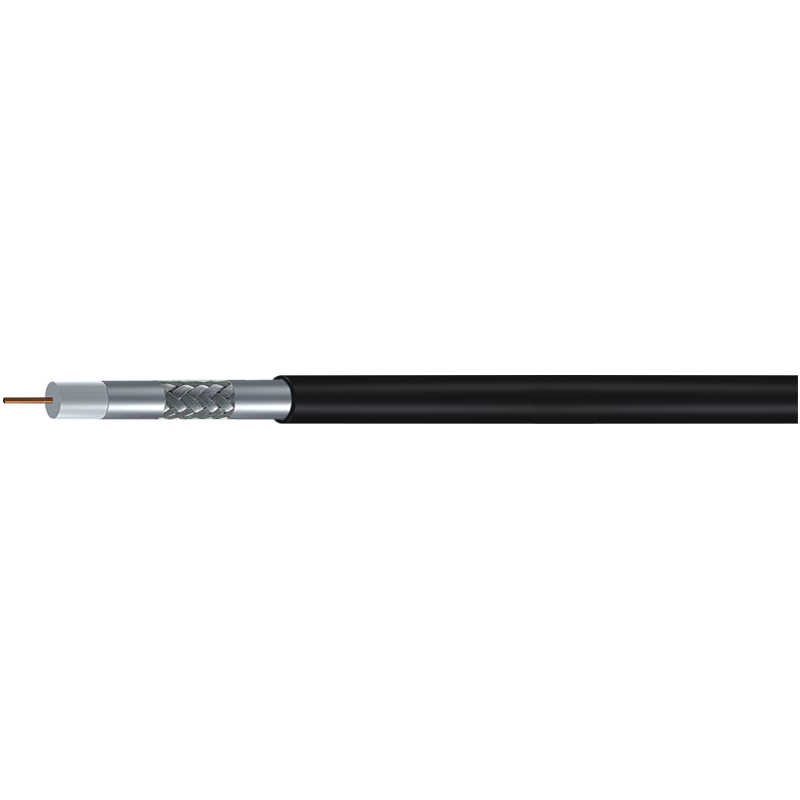
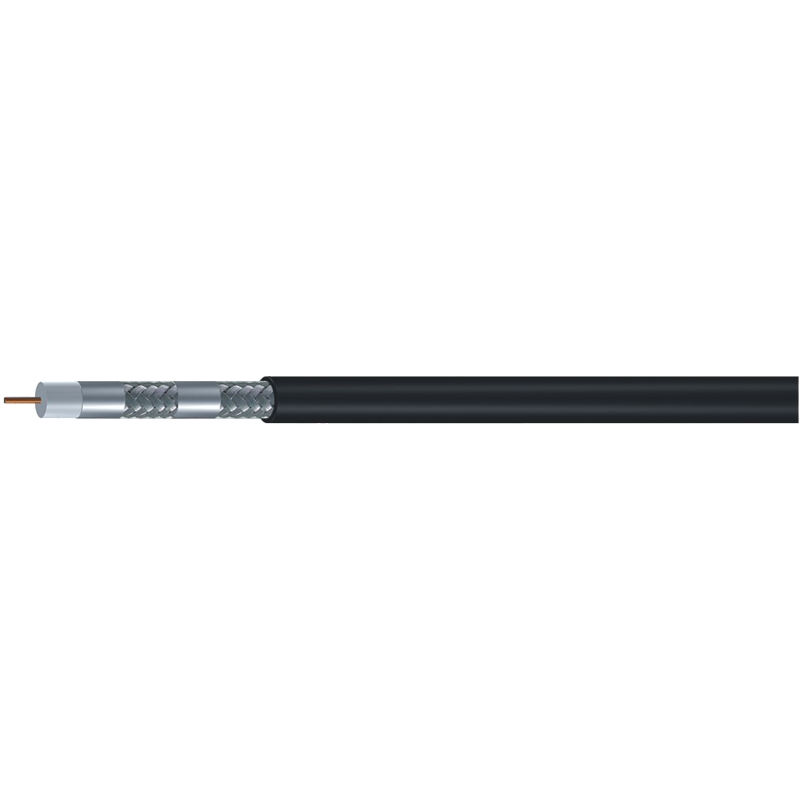
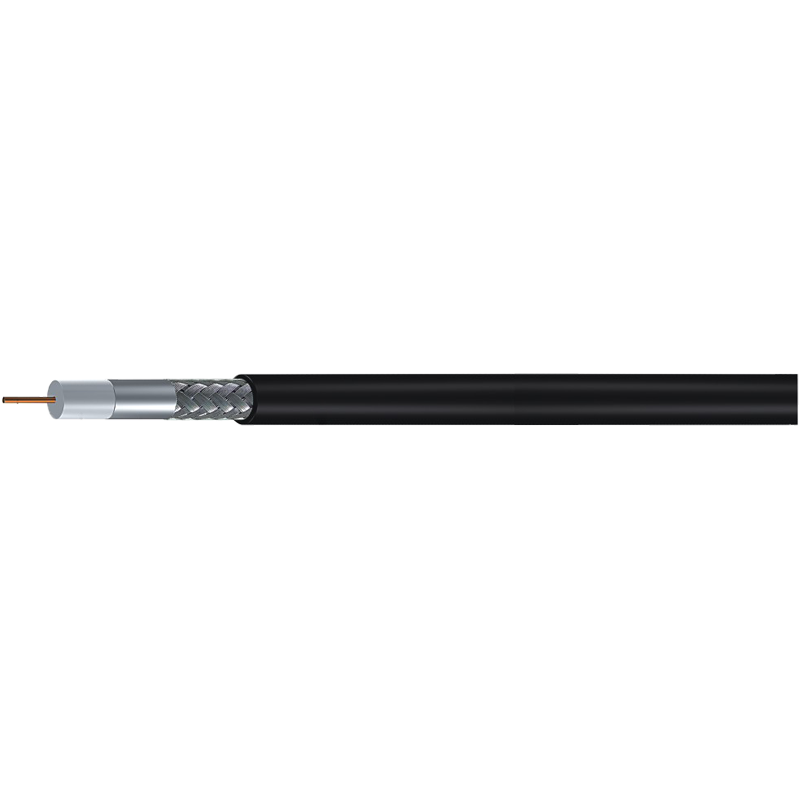
Impedance is crucial factor in achieving signal integrity in any transmission system. The 75 Ohm Coaxial Cable is designed to match the impedance of common consumer electronics devices, such as televisions, cable boxes, and satellite receivers. When the impedance of the cable matches the impedance of the connected devices, the signal is transmitted efficiently without reflection, ensuring maximum power transfer. This is known as impedance matching, a critical principle for minimizing signal loss and distortion. In contrast, if a 75 Ohm Coaxial Cable is used with equipment designed for different impedance (such as 50 Ohms), there will be an impedance mismatch. This mismatch can result in signal reflections, where part of the signal is bounced back towards the source, causing loss of quality or complete failure in signal transmission.
Compatibility with Devices
The 75 Ohm Coaxial Cable is specifically designed for use with consumer electronics that require high-frequency transmission, such as cable television, satellite TV, and broadband internet connections. Devices like DVRs, TVs, cable modems, and home entertainment systems are typically engineered to work with 75 Ohm impedance. The correct cable ensures optimal performance in these applications by providing the best possible transmission of analog and digital signals. On the other hand, 50 Ohm Coaxial Cables, which are more commonly used in RF applications such as broadcasting, telecommunications, and radio frequencies, are designed to handle higher power levels and have different impedance to support specialized equipment. Using a 75 Ohm Coaxial Cable with 50 Ohm devices would lead to poor signal performance, including attenuation and loss of signal clarity, due to the impedance mismatch.
Signal Loss and Reflection
Impedance mismatch between the 75 Ohm Coaxial Cable and connected equipment leads to signal reflections, which occur when a portion of the transmitted signal is reflected back to the source instead of being transmitted to the receiver. These reflections cause interference, often resulting in signal degradation, where the signal is weakened and distorted. In video transmissions, such as with HDTV or cable signals, this may manifest as ghosting or pixelated images. In data transmission systems, mismatched impedance can result in data errors and unreliable connectivity. Correctly matched 75 Ohm Coaxial Cable ensures that the signal is transferred smoothly without reflection, preserving the integrity of the transmission and reducing attenuation.
System Compatibility in High-Fidelity Applications
In high-fidelity applications—such as home theater systems, high-definition (HD) broadcasts, or professional audio/video systems—the performance of the transmission system depends heavily on maintaining the correct impedance. A 75 Ohm Coaxial Cable is specifically designed to ensure the best quality transmission for analog video signals (such as those used in TV broadcasts) and digital signals (such as those used in satellite feeds). Impedance matching in these systems is critical for high-definition video clarity and uninterrupted audio signals. A mismatch could result in significant performance degradation. For example, audio-video equipment using 75 Ohm cables benefits from accurate signal delivery without jitter or degradation, providing the user with a consistent and high-quality viewing or listening experience.
Bandwidth and Frequency Response
The 75 Ohm Coaxial Cable is engineered to handle wide range of frequencies, making it suitable for high-bandwidth applications like HD video transmission, high-speed internet, and satellite communications. The ability of the cable to transmit high-frequency signals efficiently ensures clarity in video and audio and fast data transfer speeds. When the impedance of the cable is mismatched with the connected equipment, particularly in long cable runs, the signal will be subject to attenuation, which weakens the signal over distance, especially for high-frequency signals. This can cause performance issues, such as video blur in HD systems or slow internet speeds in broadband applications. Matching the 75 Ohm Coaxial Cable with compatible equipment ensures that high-frequency signals are accurately transmitted with minimal loss, preserving bandwidth and maintaining the full integrity of the signal.