-
Impedance Matching for Signal Integrity
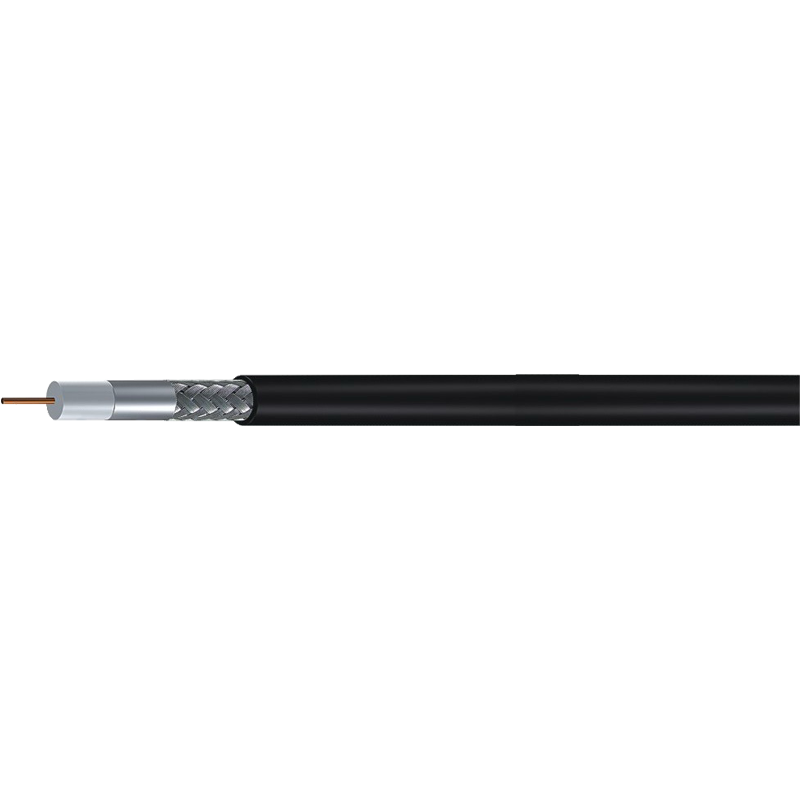
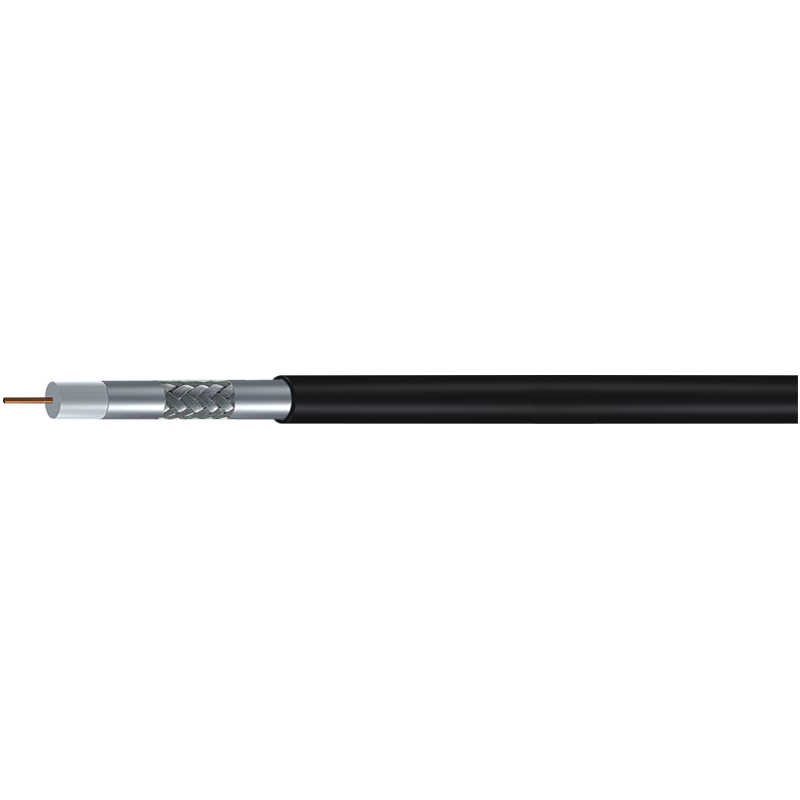
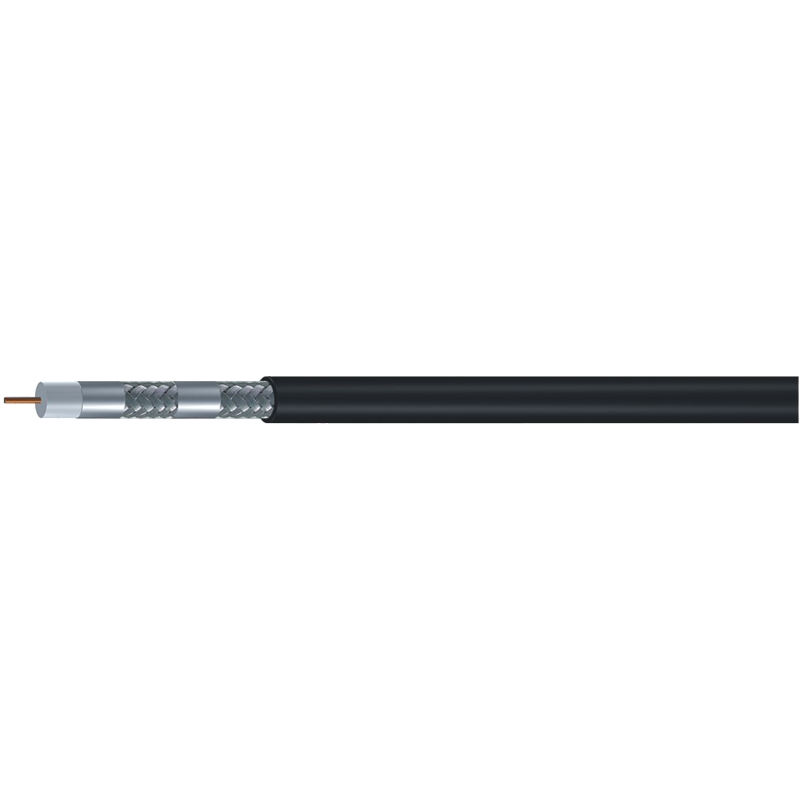
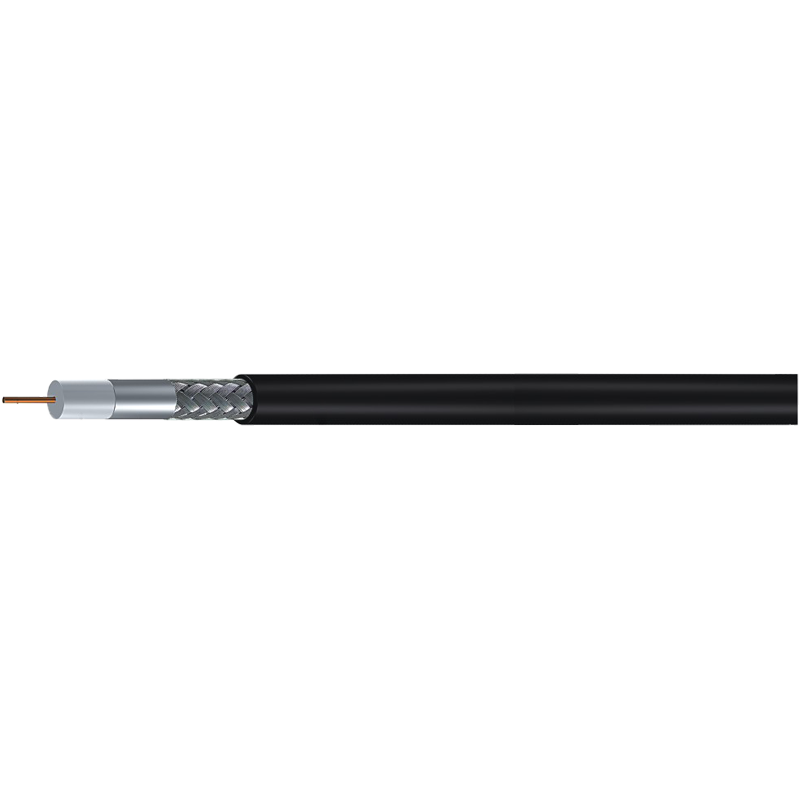
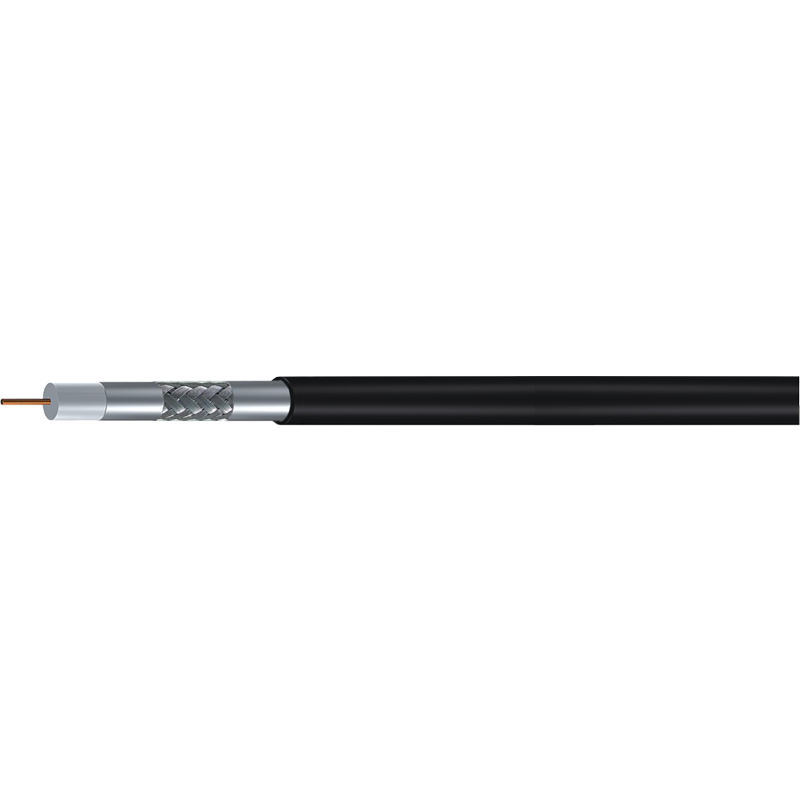
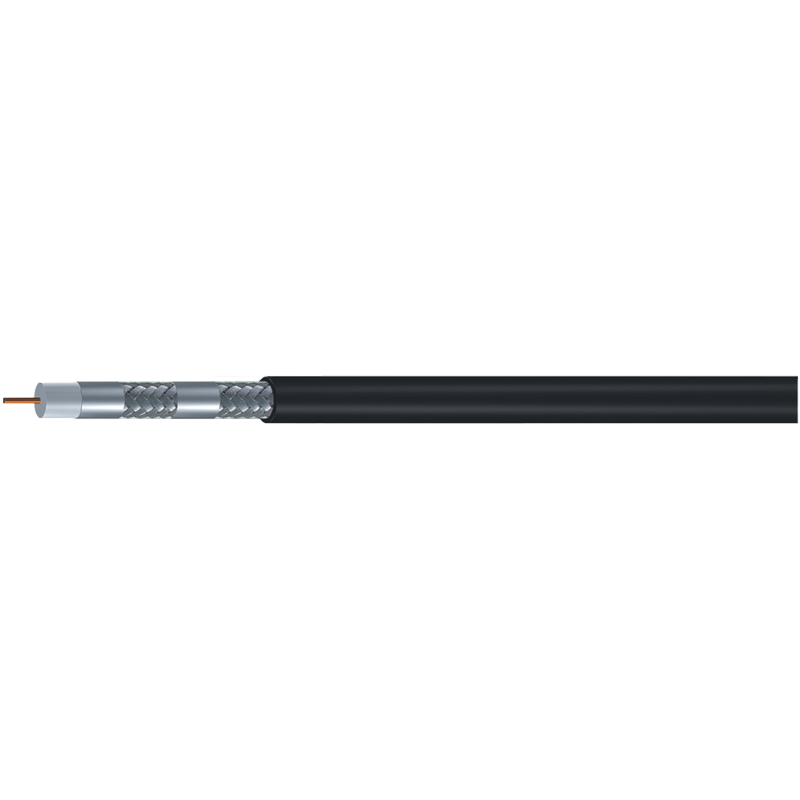
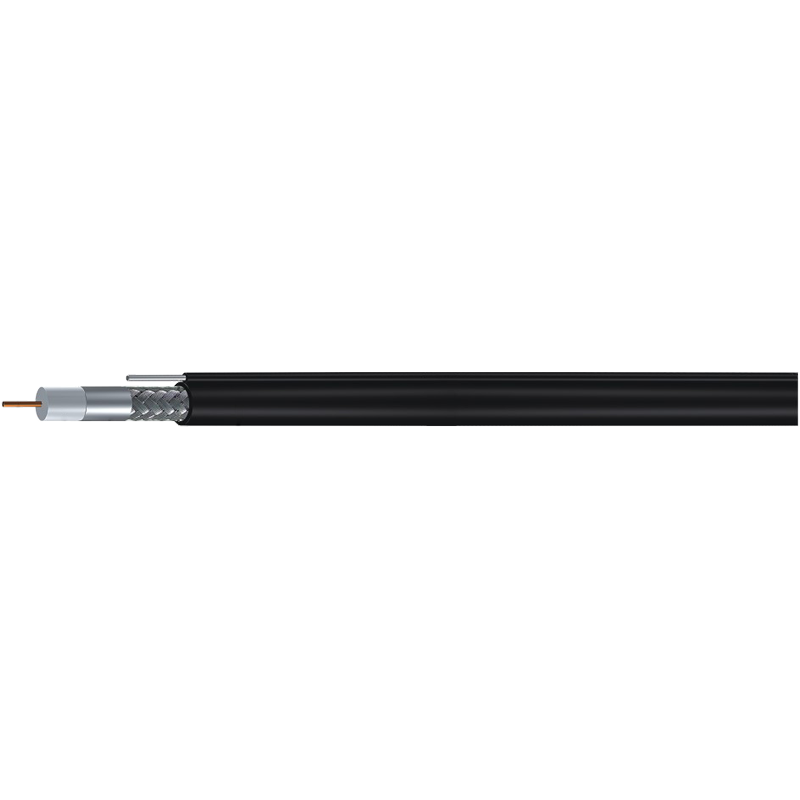
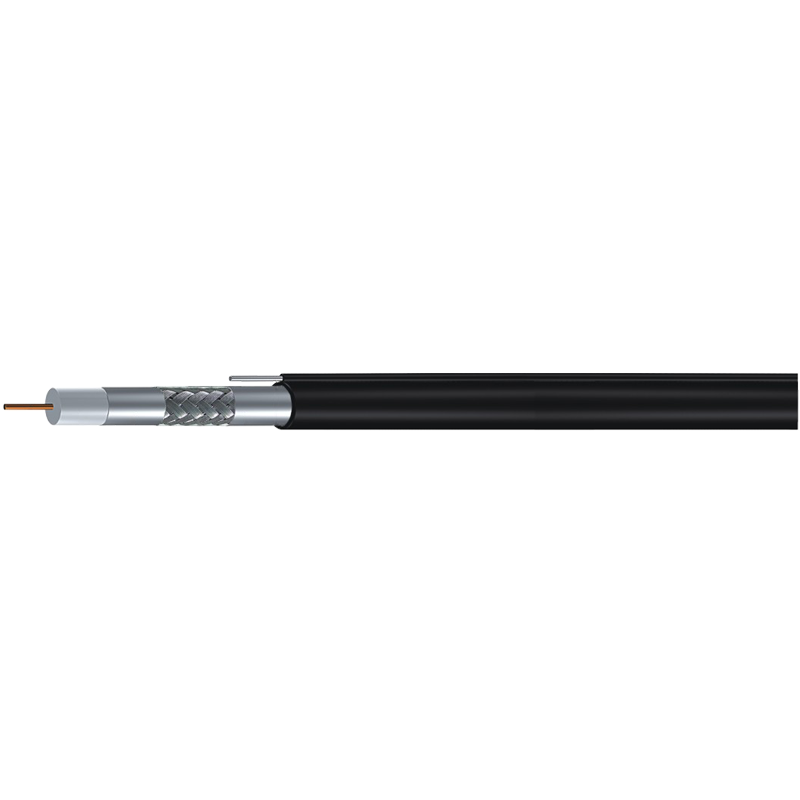
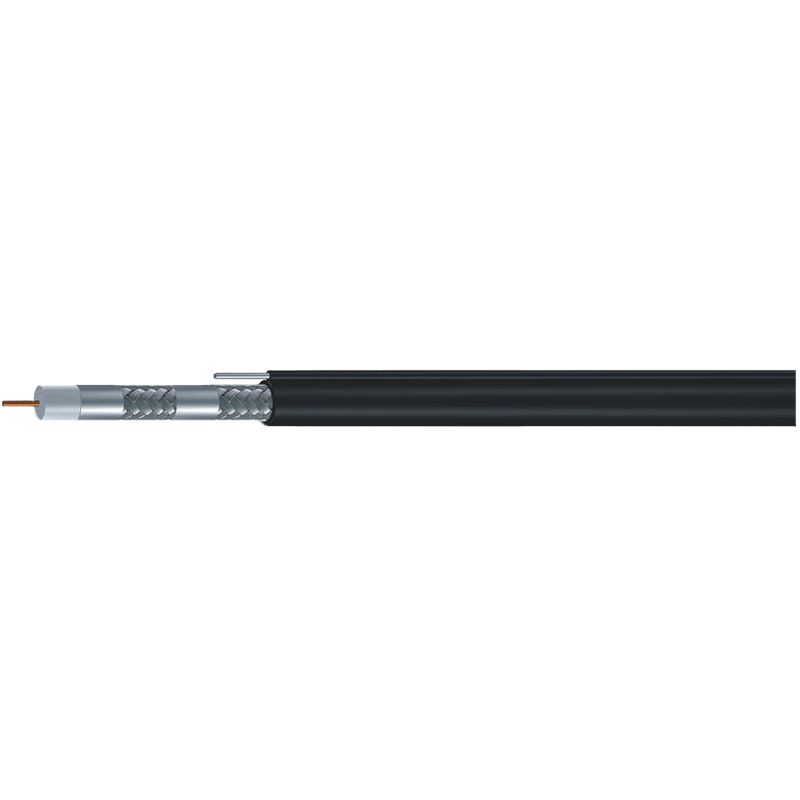
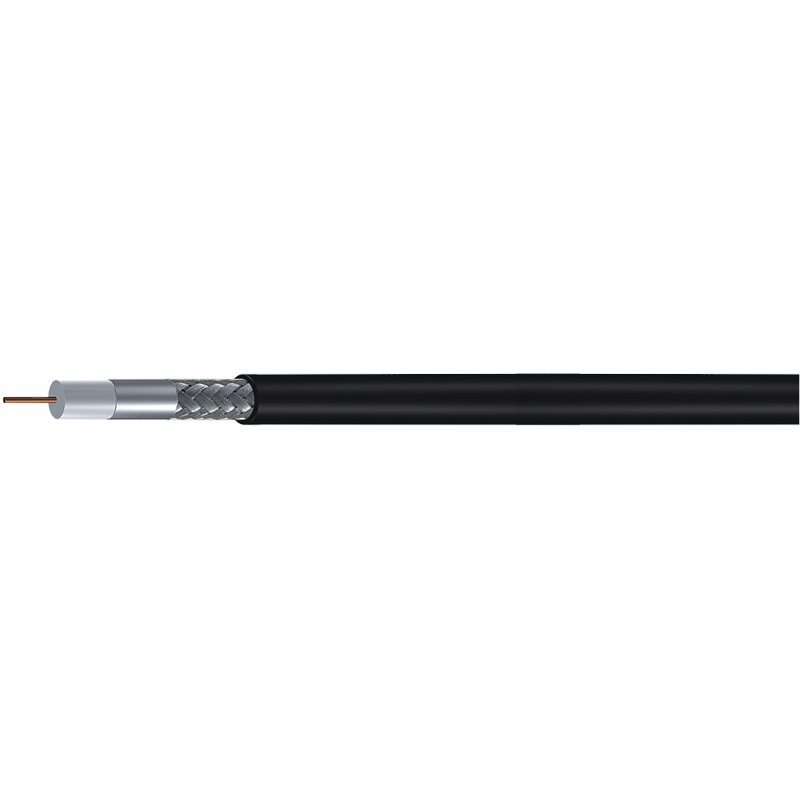
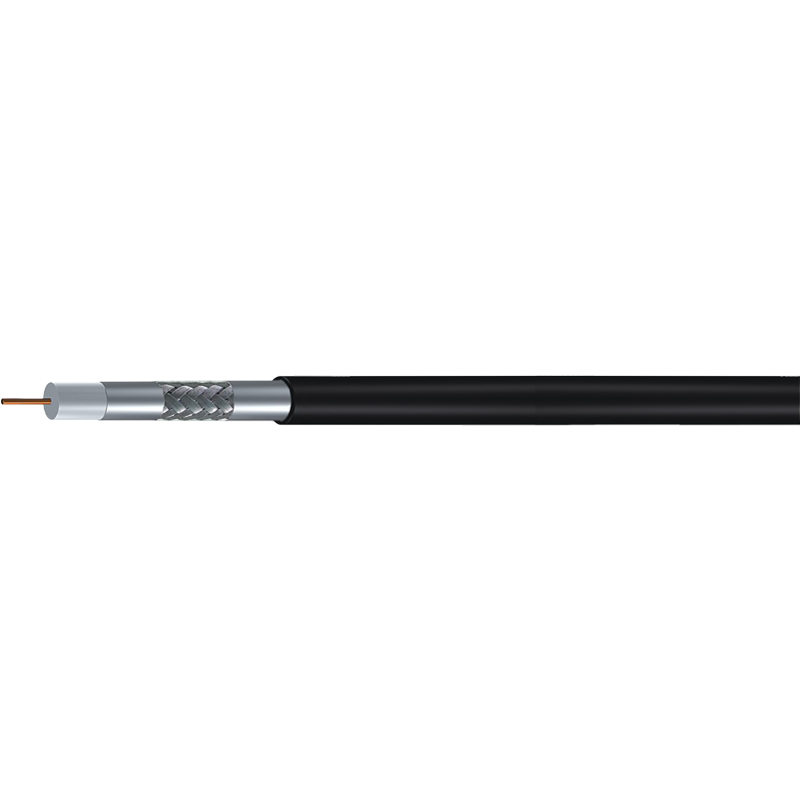
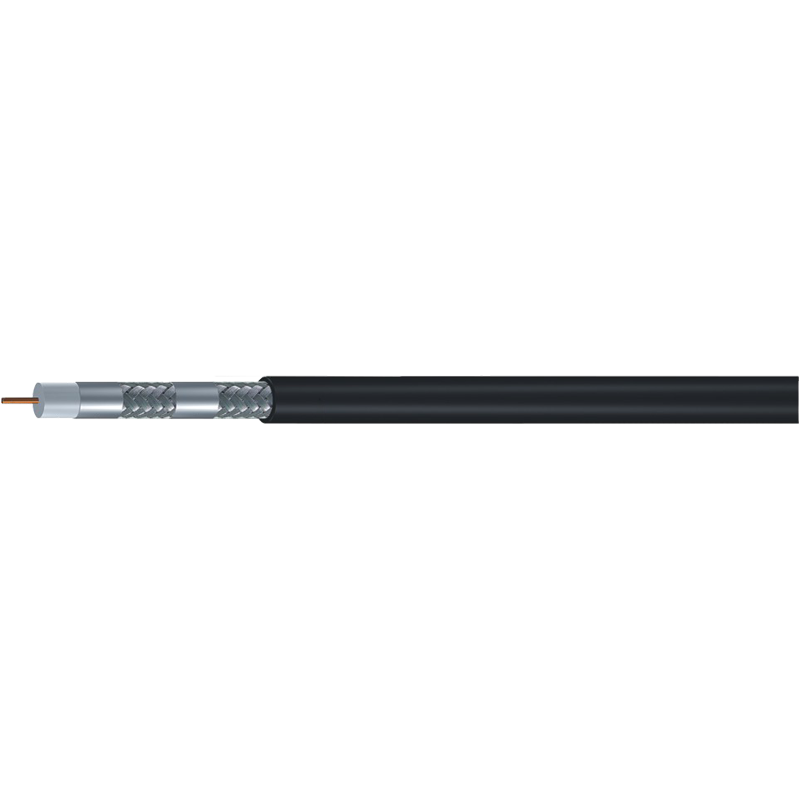
The characteristic impedance of CCTV Security Camera Coaxial Cable, typically 75 ohms, is a critical factor in determining the quality of video transmission. Impedance is not simply resistance; it represents the combined effect of the cable’s inductance and capacitance on alternating current signals, particularly in the frequency range used by video signals. For high-definition CCTV systems—such as HD-TVI, HDCVI, or AHD cameras—high-frequency video components are transmitted that are much more sensitive to impedance mismatches than standard definition signals. When the impedance of the coaxial cable precisely matches the input and output devices, the video signal flows efficiently with minimal reflection. Reflections caused by impedance mismatches generate visual artifacts such as ghosting, flickering, blurring, or horizontal lines, which significantly degrade image quality. Even minor mismatches in high-frequency HD signals can result in noticeable loss of sharpness and color fidelity. Therefore, for professional CCTV installations, selecting coaxial cable with strict 75-ohm impedance tolerances is essential to maintain the integrity of high-definition video across all channels and distances. -
Capacitance Effects on Signal Loss and High-Frequency Performance
Capacitance in a coaxial cable is the cable’s inherent ability to store and release electrical charge between the inner conductor and the shielding. It is usually measured in picofarads per foot (pF/ft). High capacitance increases signal attenuation, particularly for high-frequency components required by HD video transmission. Essentially, the cable behaves as a low-pass filter: higher capacitance allows low frequencies to pass relatively unaffected but reduces the amplitude of higher-frequency signals. For high-definition video, where detailed resolution requires transmission of higher frequencies, excessive capacitance results in loss of fine details, reduced color fidelity, frame instability, and blurred images. Professional installers must therefore select low-capacitance coaxial cables to ensure that HD signals remain strong, even over longer cable runs. For example, RG59 cable may be acceptable for short distances up to 100 meters, but for longer runs, RG6 or RG11 cables with lower capacitance are preferred to maintain signal integrity. -
Frequency Response and High-Definition Video Transmission
High-definition CCTV systems require the transmission of a wider frequency spectrum compared to standard analog cameras. Impedance and capacitance specifications jointly determine the frequency response of coaxial cables. A cable with well-controlled 75-ohm impedance and low capacitance preserves the high-frequency components necessary for HD resolution, ensuring that the video image is sharp and detailed. Deviations in impedance or excessive capacitance cause high-frequency roll-off, leading to loss of detail and clarity, especially in long-distance runs. Maintaining the correct specifications is therefore critical for systems transmitting 1080p, 4MP, or 4K HD signals, as even small signal degradation can affect the clarity of surveillance footage used for identification, evidence collection, or security monitoring. -
Distance Limitations and Signal Attenuation
Capacitance and impedance directly influence the maximum effective transmission distance for HD CCTV signals. High capacitance increases cumulative signal loss over distance, while impedance mismatches exacerbate reflections and attenuation. Professional CCTV designers calculate the maximum cable run based on the combination of cable capacitance, impedance, video resolution, and signal frequency. For instance, a low-capacitance RG6 75-ohm coaxial cable may reliably transmit 1080p HD signals up to 300 meters without a booster, while an RG59 cable with higher capacitance may only reach 100–150 meters before signal degradation becomes noticeable. Understanding these specifications is crucial to design scalable, high-performance surveillance systems without compromising video quality.