Dielectric Material Determines Signal Quality and Impedance
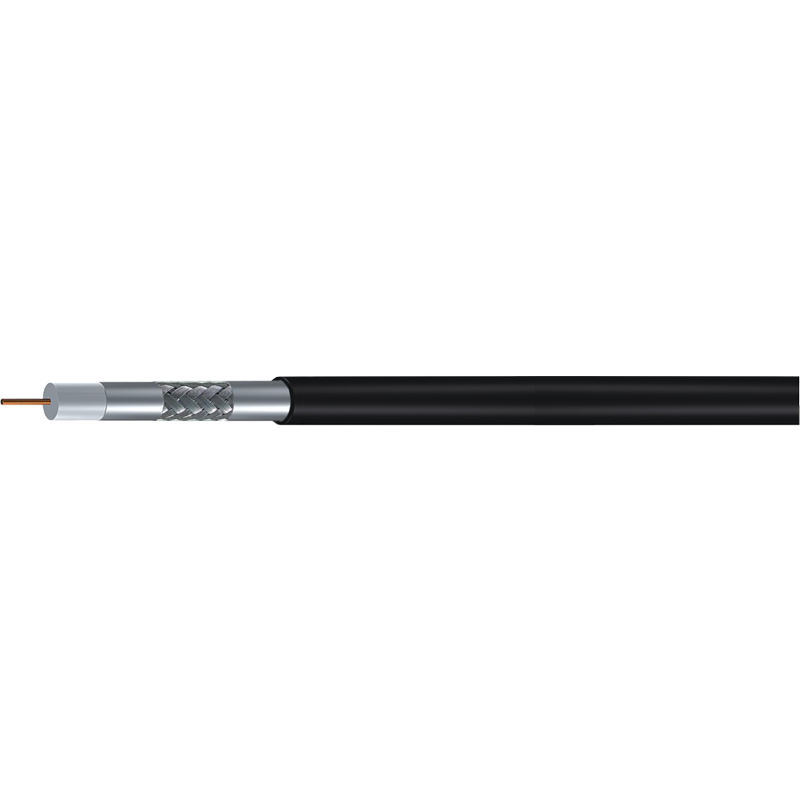
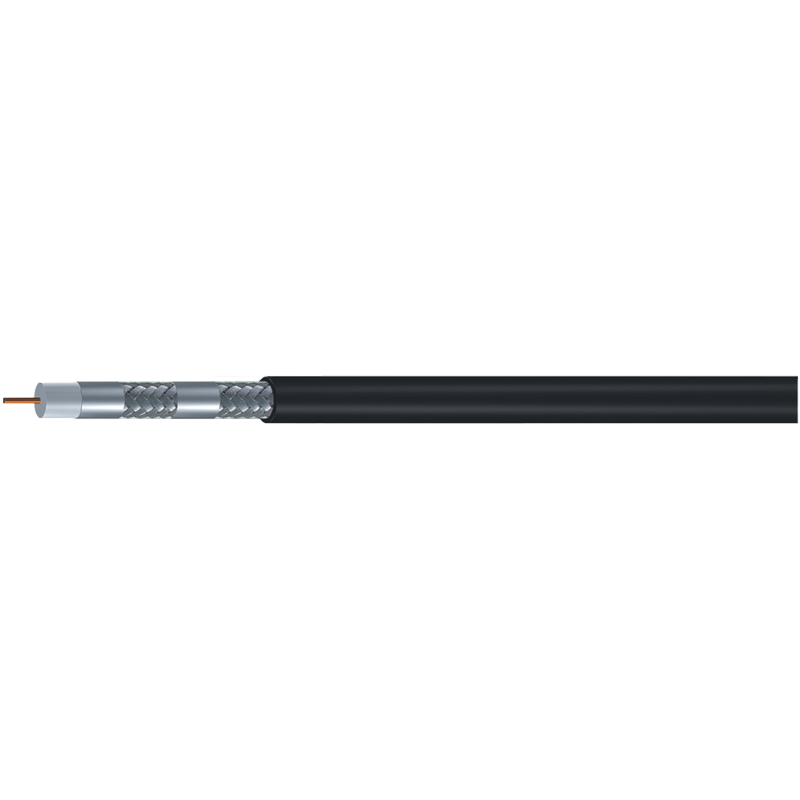
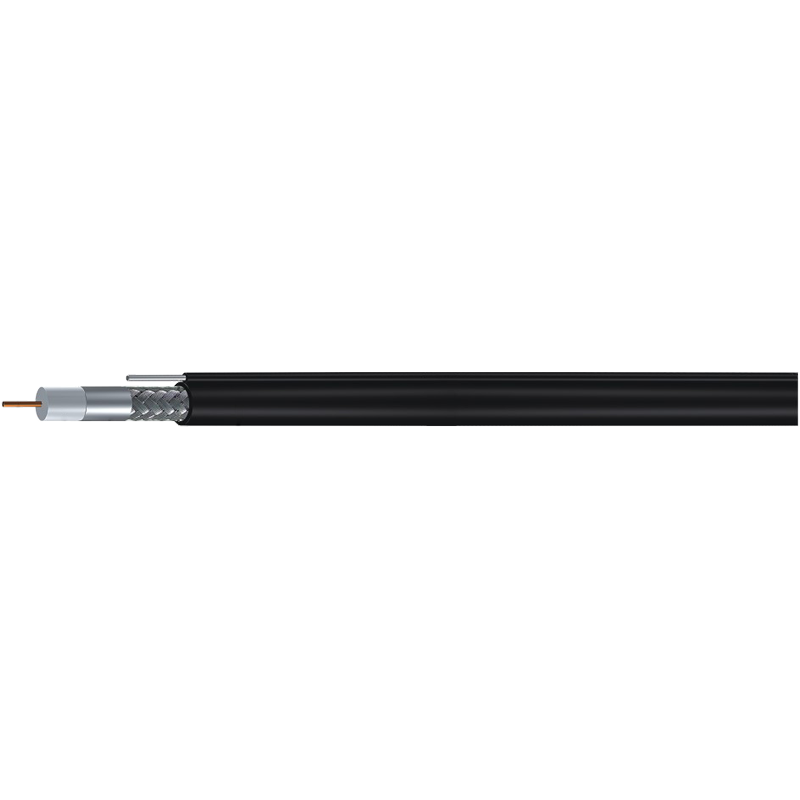
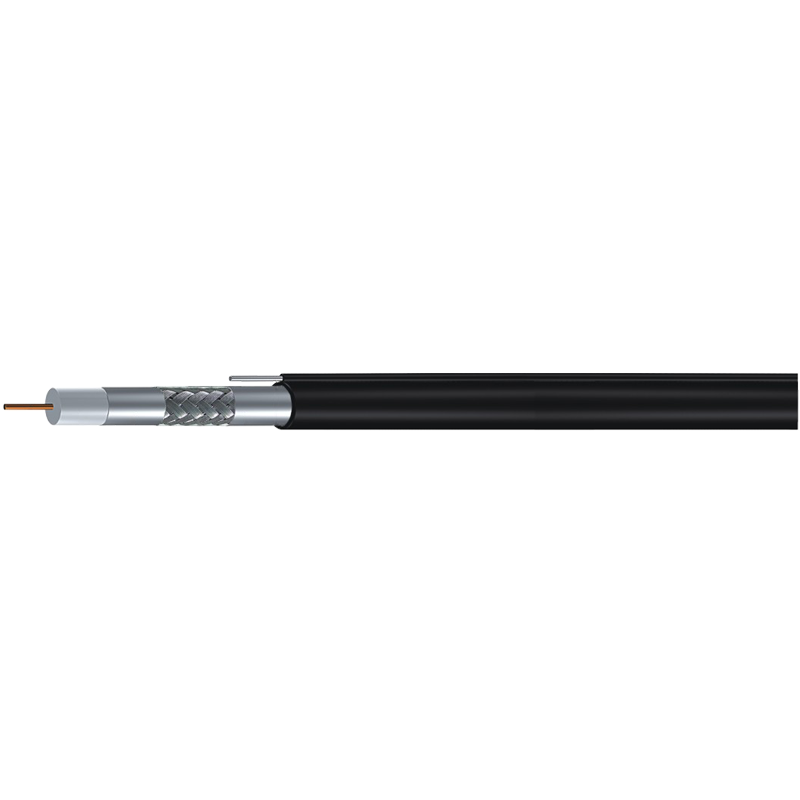
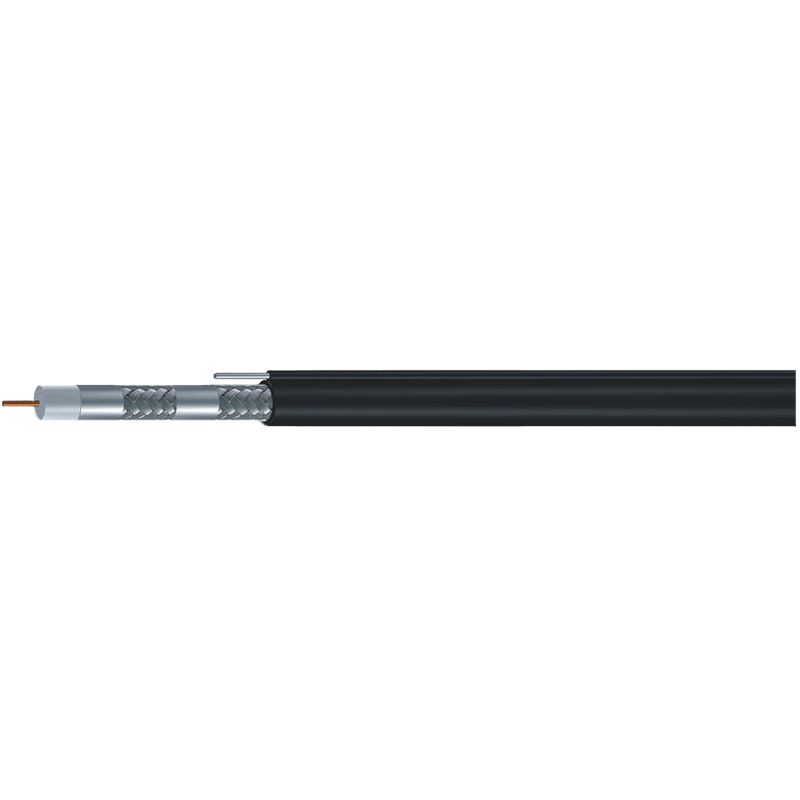
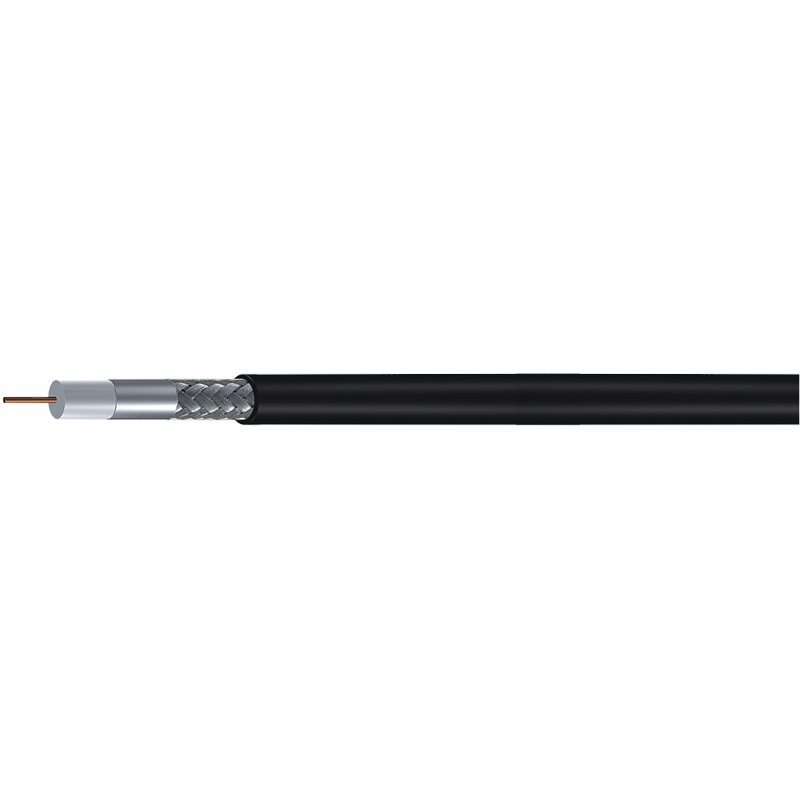
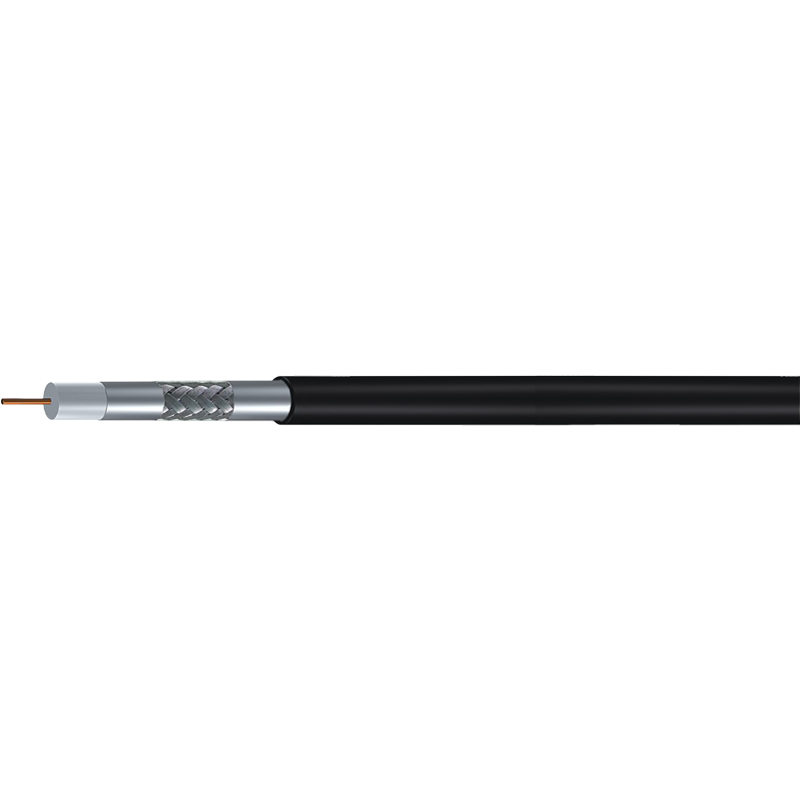
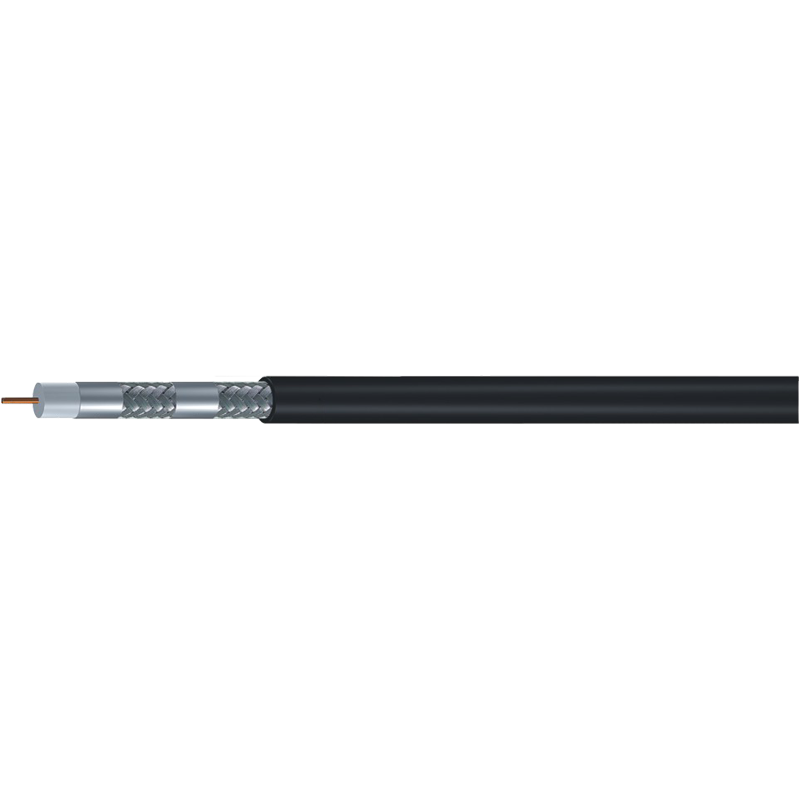
The dielectric material used in a 50 Ohm Coaxial Cable is the most critical factor affecting both signal attenuation and impedance stability. High-quality dielectrics like PTFE or foam polyethylene provide low loss, consistent 50 Ohm impedance, and minimal signal distortion, whereas lower-quality PVC or solid polyethylene can introduce higher attenuation and impedance fluctuations, especially at high frequencies above 1 GHz.
Role of Dielectric in Impedance Stability
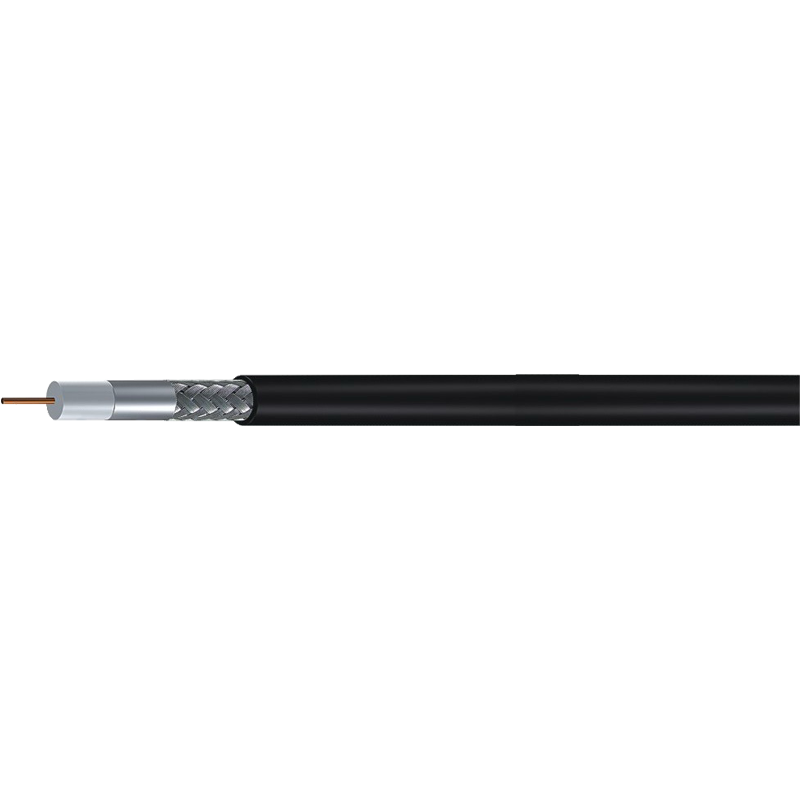
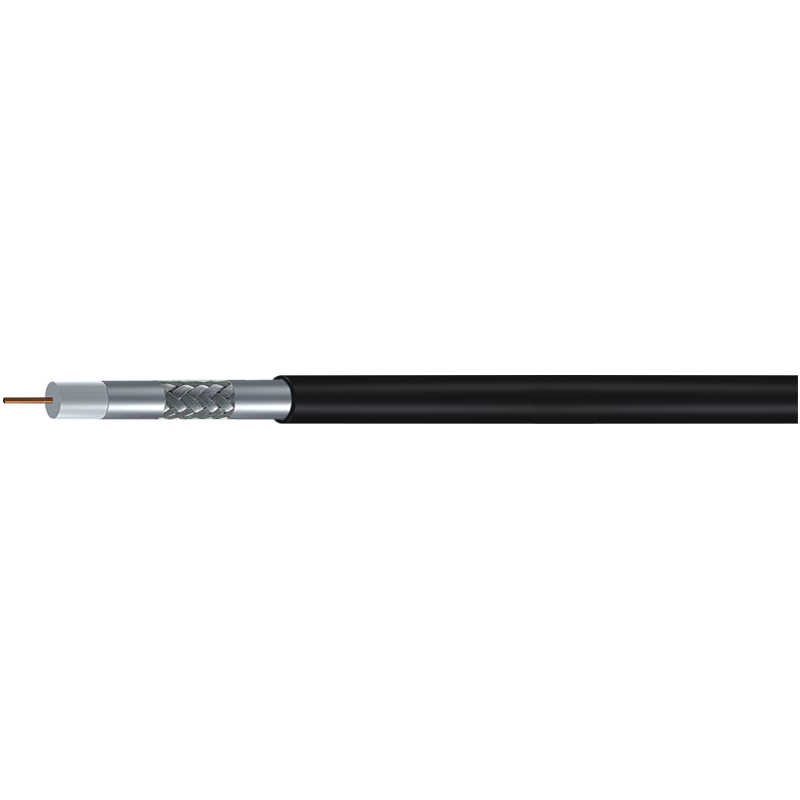
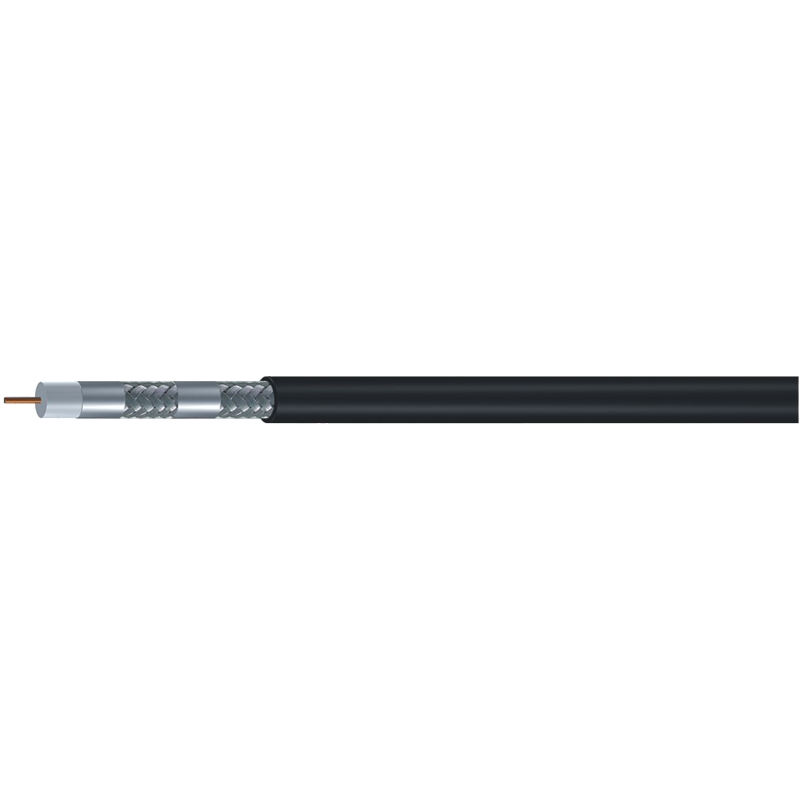
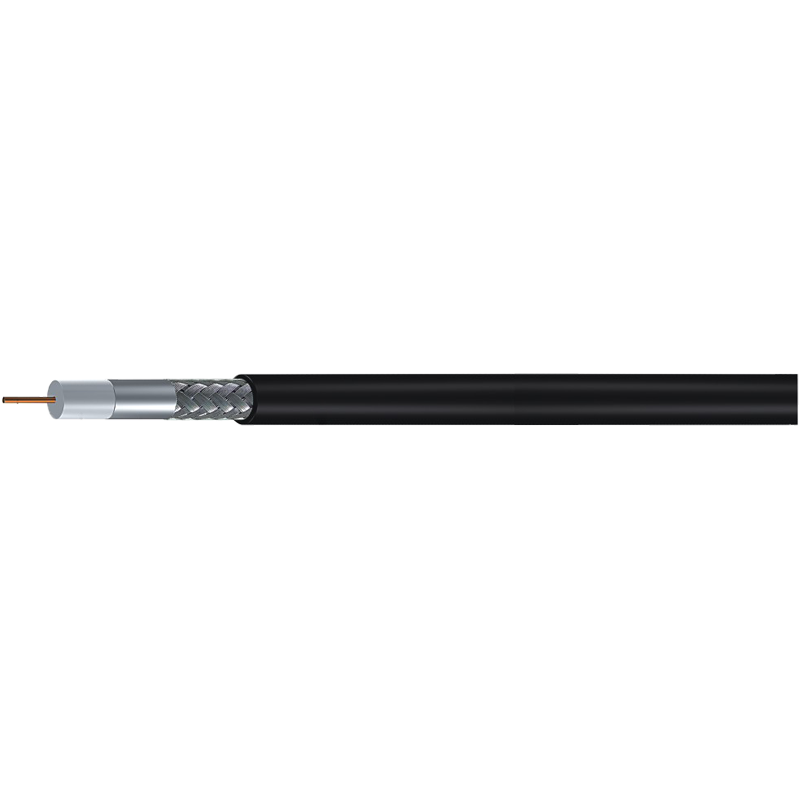
The dielectric material in a 50 Ohm coaxial cable maintains a uniform spacing between the center conductor and the outer shield, directly affecting the cable’s characteristic impedance. Variations in the dielectric constant (εr) or irregularities during manufacturing can cause impedance mismatches, reflected in high VSWR (Voltage Standing Wave Ratio). For example, a dielectric constant variation of 0.02 in a 1-meter cable can shift impedance by 1 Ohm, which may seem minor but can lead to significant reflections in high-frequency RF applications.
Foam polyethylene with a dielectric constant of 1.7–1.8 is preferred in high-performance 50 Ohm cables because it ensures stable impedance within ±1% across frequency ranges up to 6 GHz. In contrast, solid polyethylene (εr ≈ 2.25) is more prone to slight impedance drift and higher attenuation.
Impact on Signal Attenuation
Signal attenuation, expressed in dB per 100 feet or meters, is strongly influenced by the dielectric’s loss tangent (tan δ). Materials like PTFE have a loss tangent of 0.0002–0.0005, which translates into minimal signal loss even at 3 GHz. By contrast, PVC or low-grade polyethylene may have a loss tangent exceeding 0.002, causing attenuation increases of 50–100% at higher frequencies.
For example, a 50 Ohm coaxial cable with foam polyethylene may exhibit 0.5 dB/100 ft loss at 1 GHz, whereas a similar cable with solid PVC can exceed 1.2 dB/100 ft under the same conditions.
Dielectric Materials Commonly Used in 50 Ohm Coaxial Cables
| Dielectric Material | Dielectric Constant (εr) | Loss Tangent (tan δ) | Attenuation at 1 GHz (dB/100 ft) |
|---|---|---|---|
| Foam Polyethylene | 1.7–1.8 | 0.0004 | 0.5 |
| Solid Polyethylene | 2.25 | 0.001 | 0.9 |
| PTFE (Teflon) | 2.1 | 0.0003 | 0.3 |
| PVC | 3.0–3.2 | 0.002 | 1.2 |
Practical Implications for RF and High-Frequency Applications
For RF engineers and professionals working with high-frequency signals, the dielectric choice in 50 Ohm coaxial cables can significantly impact system performance. A cable with a high-quality dielectric reduces insertion loss, minimizes reflections, and ensures impedance matching across the transmission line. This is particularly critical for applications like antenna feed lines, test equipment connections, and microwave communication systems operating above 1 GHz.
In practice, choosing foam polyethylene or PTFE dielectric 50 Ohm coaxial cables over PVC-based alternatives can result in 30–50% lower signal loss at frequencies between 1–6 GHz. The more consistent dielectric ensures repeatable measurements in laboratory and field testing.
The dielectric material in a 50 Ohm Coaxial Cable is the primary factor that governs both signal attenuation and impedance stability. Engineers should prioritize low-loss, stable dielectrics such as PTFE or foam polyethylene for high-frequency and precision applications. Avoid low-grade PVC or solid polyethylene in critical systems to prevent unnecessary signal loss and impedance mismatches.
When selecting a 50 Ohm coaxial cable, verify the manufacturer’s specifications for dielectric constant, loss tangent, and recommended frequency range. Proper cable handling, maintaining appropriate bend radius, and correct termination further enhance the performance benefits provided by high-quality dielectrics.