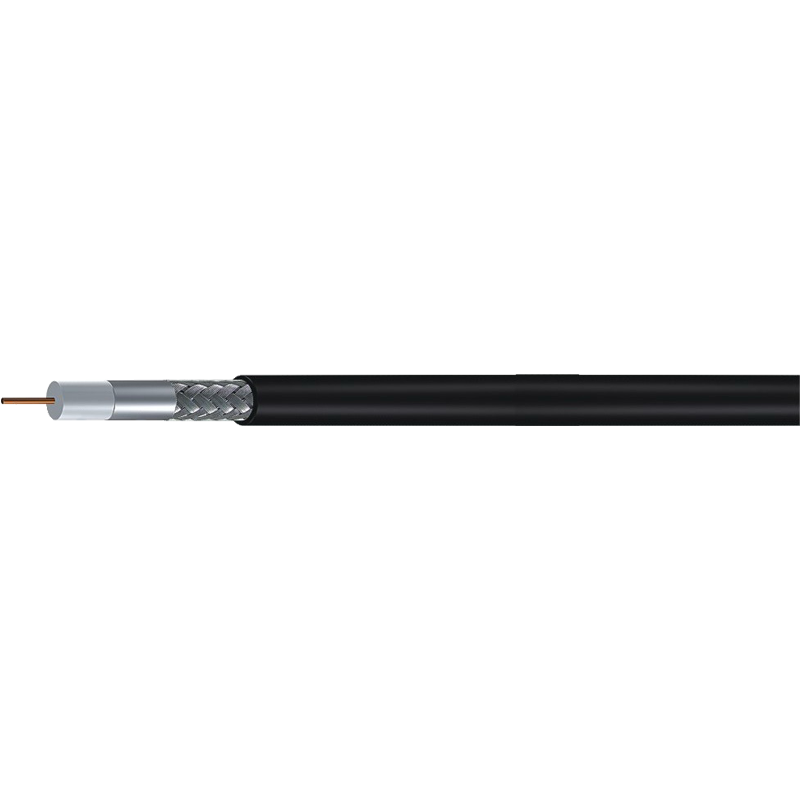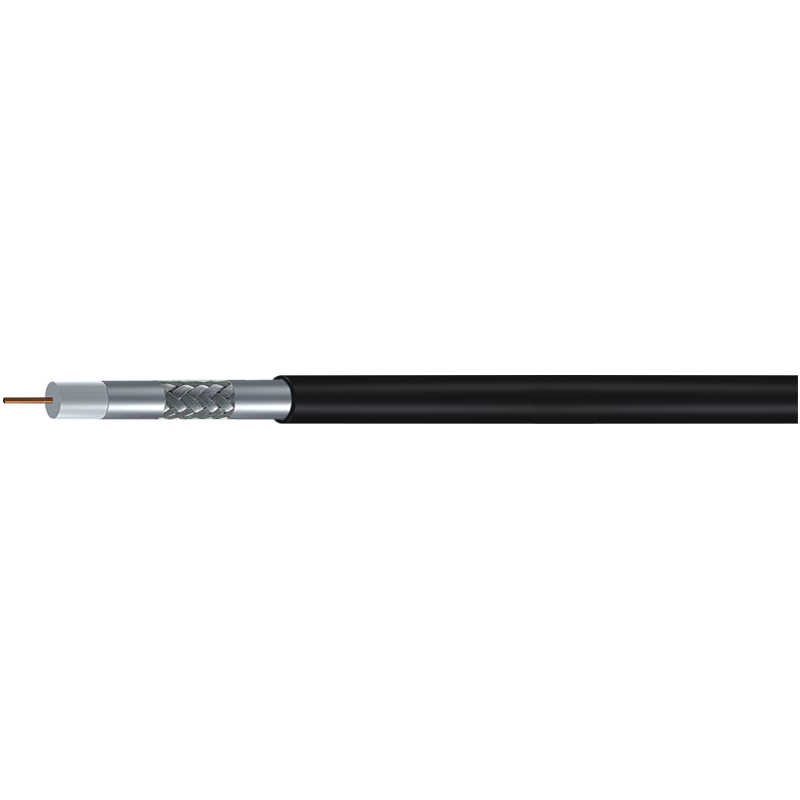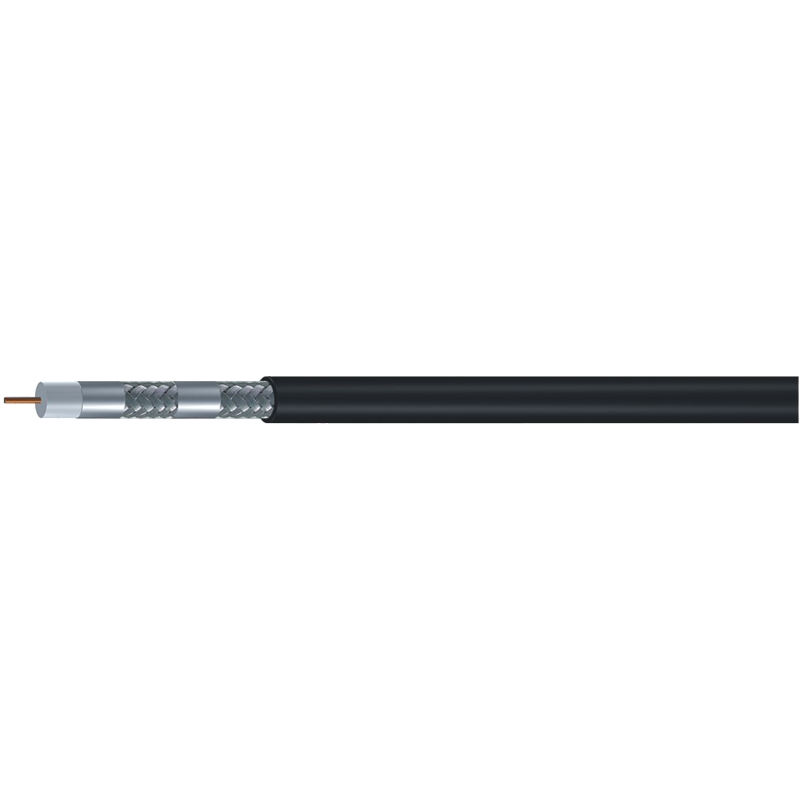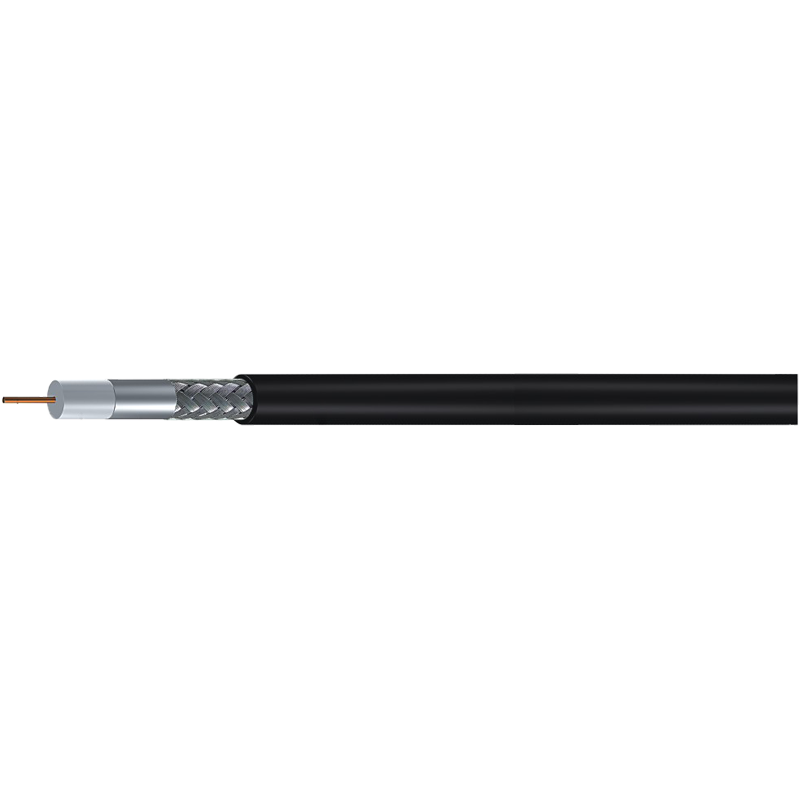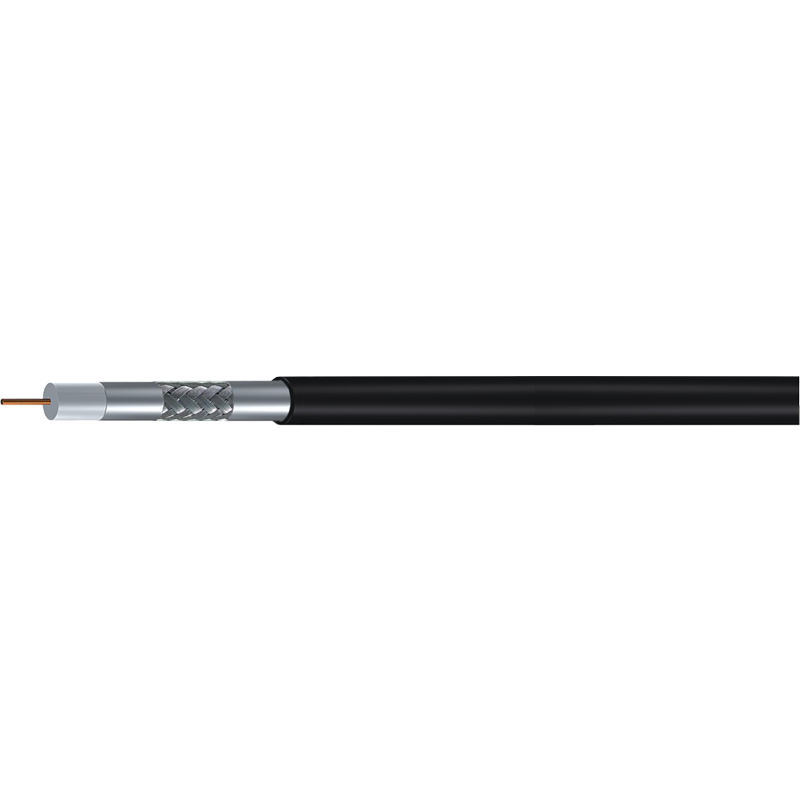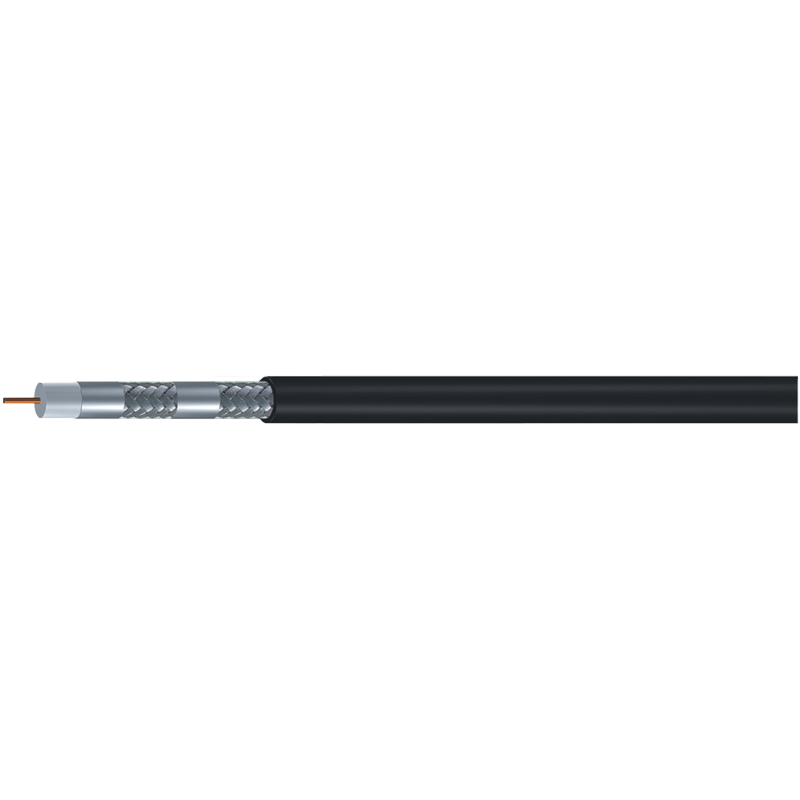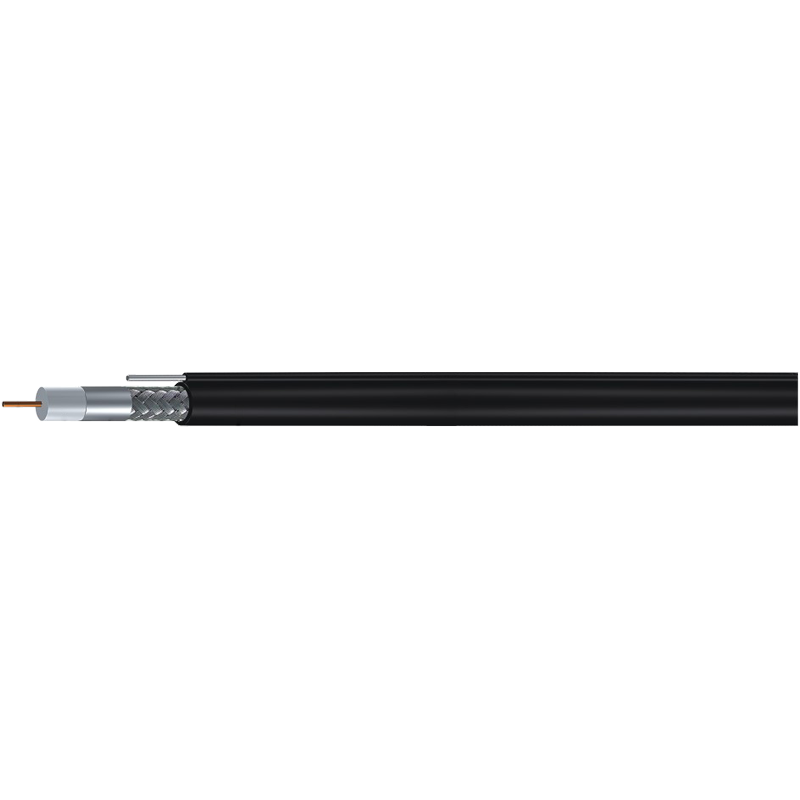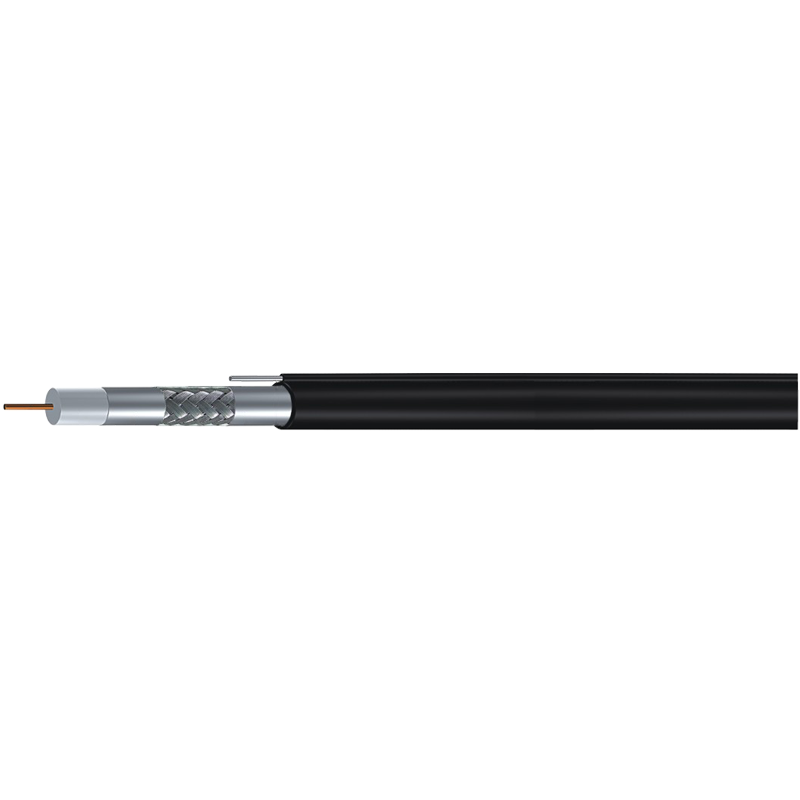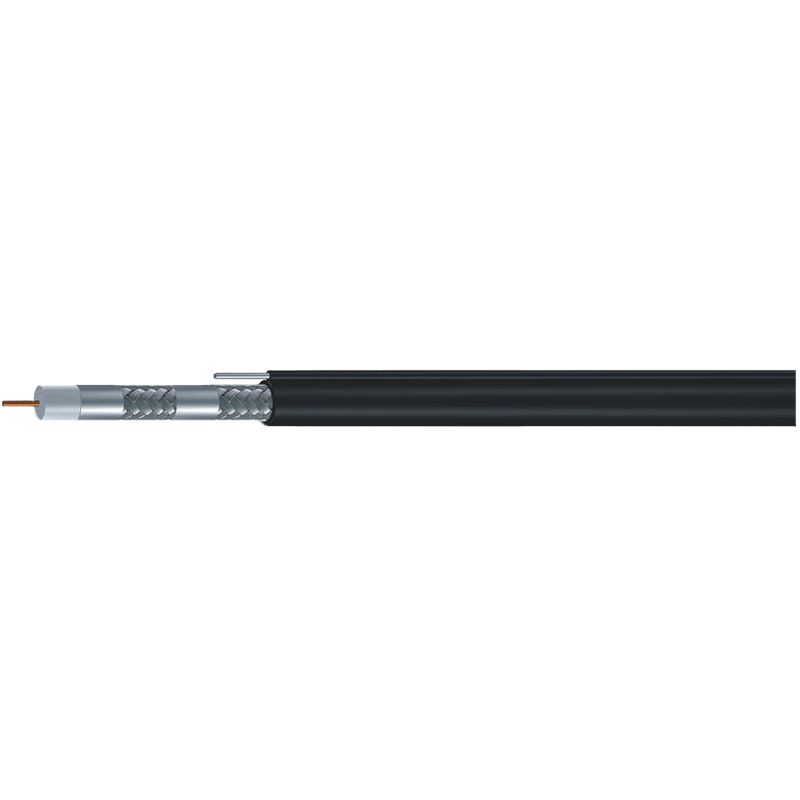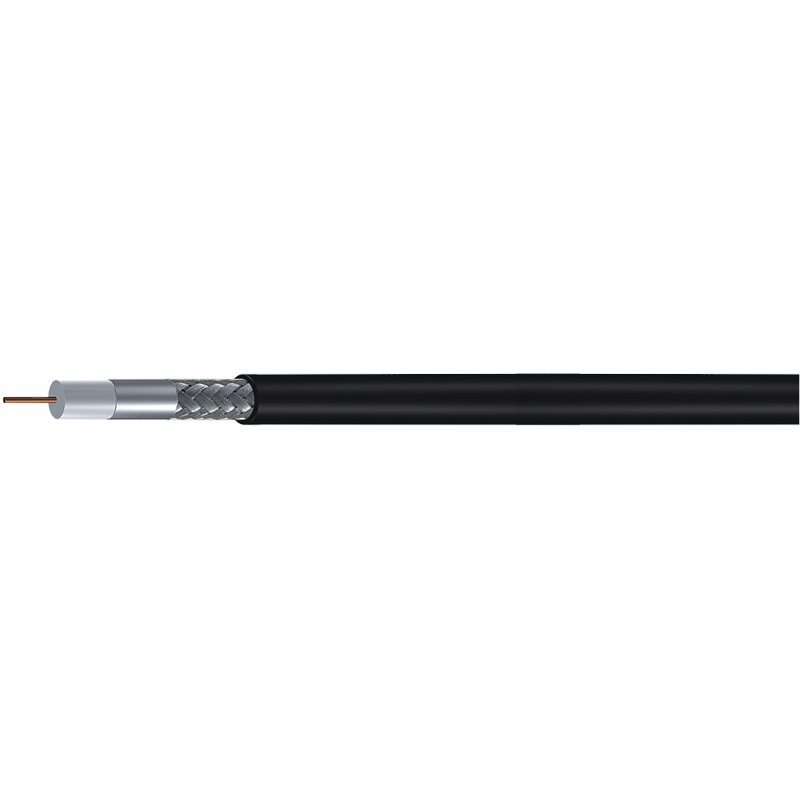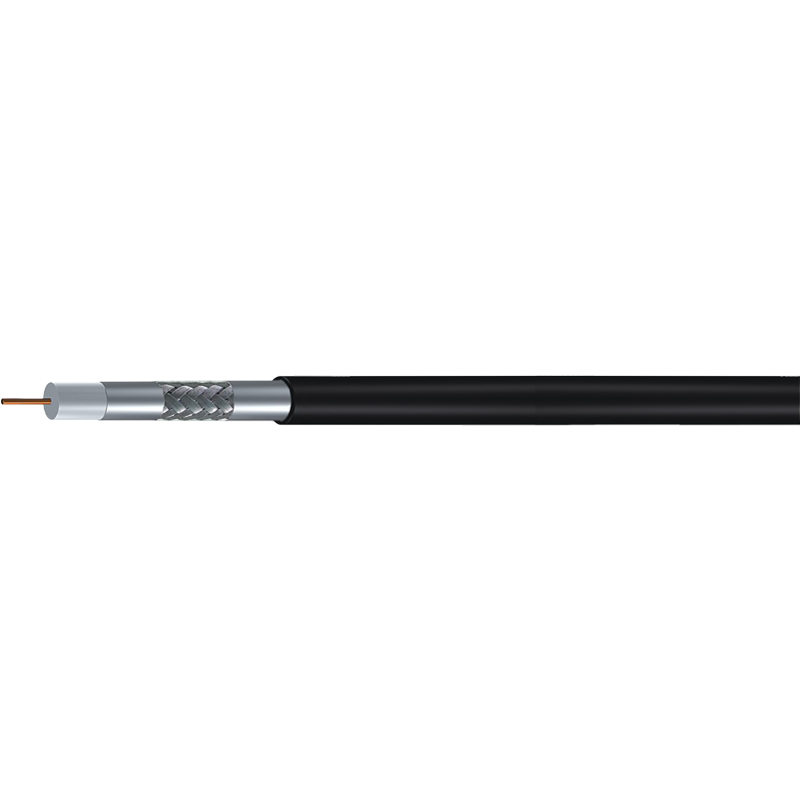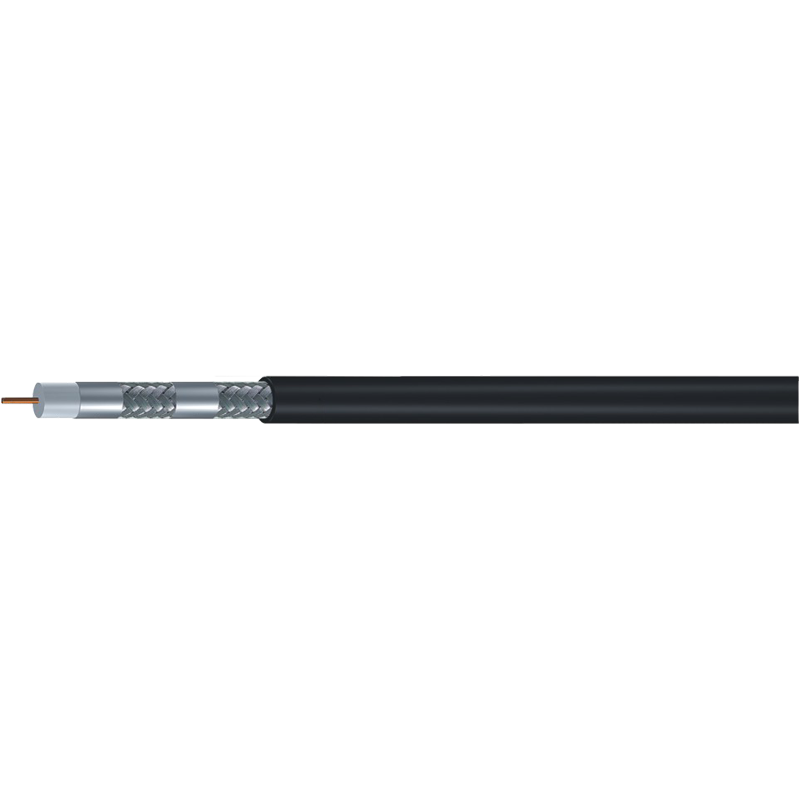
Trunk Coaxial Cables Can Support Both Signals
A trunk coaxial cable is fully capable of carrying both analog and digital signals simultaneously, provided the signals are properly modulated, within the cable’s bandwidth, and installed following best practices. Modern coaxial cables used in CATV (Cable Television) or broadband networks often carry multiple channels using frequency-division multiplexing (FDM) or digital modulation schemes, allowing analog and digital content to coexist without significant interference.
For instance, in hybrid fiber-coax networks, coaxial trunk lines routinely transmit analog TV signals on lower frequency bands (50–550 MHz) while digital data streams, including internet traffic and digital TV, occupy higher frequencies (550–1000 MHz or more). The separation of frequency bands ensures that both signal types maintain integrity across the same cable infrastructure.
Frequency Allocation and Bandwidth Considerations
The ability of a trunk coaxial cable to support multiple signal types simultaneously depends on its frequency range and bandwidth capacity. Standard RG-6 coaxial cables, commonly used in residential and commercial installations, typically support frequencies up to 1 GHz, while higher-quality RG-11 or quad-shield coaxial cables can handle up to 3 GHz. This wide bandwidth allows analog and digital signals to be transmitted in parallel without degradation.
Using frequency-division multiplexing, analog channels are typically assigned to lower-frequency bands because analog signals are more susceptible to attenuation and noise. Digital signals, which can tolerate more precise modulation, are allocated higher frequency bands, often using QAM (Quadrature Amplitude Modulation) or OFDM (Orthogonal Frequency-Division Multiplexing) techniques. This separation ensures minimal crosstalk and signal loss.
Signal Integrity and Attenuation Factors
While trunk coaxial cables support both analog and digital signals, maintaining signal integrity is critical. Signal attenuation increases with frequency and cable length. For example:
- A 100-meter RG-6 cable loses approximately 6 dB at 550 MHz (analog TV band).
- The same cable loses roughly 12 dB at 1000 MHz (digital data band).
This indicates that proper amplifier placement, signal equalization, or the use of higher-grade cables like RG-11 may be required to prevent degradation in longer runs. Without these measures, digital channels may experience packet loss or lower throughput, while analog channels could show ghosting or reduced clarity.
Practical Installation Tips
To maximize the dual-signal capability of a trunk coaxial cable, consider the following installation best practices:
- Use high-quality connectors and proper termination to reduce reflection and signal loss.
- Maintain cable bend radius recommendations to avoid micro-cracks that increase attenuation.
- Install amplifiers or signal boosters at strategic intervals if the cable run exceeds 150 meters to maintain analog and digital signal strength.
- Ensure proper grounding and shielding, particularly in environments with high electromagnetic interference (EMI), to protect both signal types.
- Separate analog and digital channels using band-pass filters if necessary, especially in networks with overlapping frequency usage.
Hybrid Networks: Analog and Digital Coexistence
Many cable operators implement hybrid networks where trunk coaxial cables serve as the final distribution medium after optical fiber transmission. In these networks:
- Analog TV remains on legacy channels to support older equipment without set-top boxes.
- Digital video, VoIP, and high-speed internet share the same trunk line through frequency segmentation.
- Network operators often use DOCSIS 3.1 or later standards to maximize digital throughput alongside analog content.
This approach allows operators to maintain backward compatibility for analog customers while scaling digital services without laying new cabling.
Example Frequency Allocation Table
| Frequency Range (MHz) | Signal Type | Typical Use |
|---|---|---|
| 50–550 | Analog | Standard-definition TV channels |
| 550–1000+ | Digital | High-definition TV, internet, VoIP |
Trunk coaxial cable can reliably support both analog and digital signals simultaneously when proper frequency allocation, high-quality cabling, and installation best practices are applied. With careful management of signal attenuation, shielding, and amplification, these cables remain a practical and cost-effective solution for hybrid networks, allowing analog legacy systems and modern digital services to coexist on the same infrastructure. Operators and users can thus maximize both performance and investment in existing coaxial infrastructure without compromising signal quality.