-
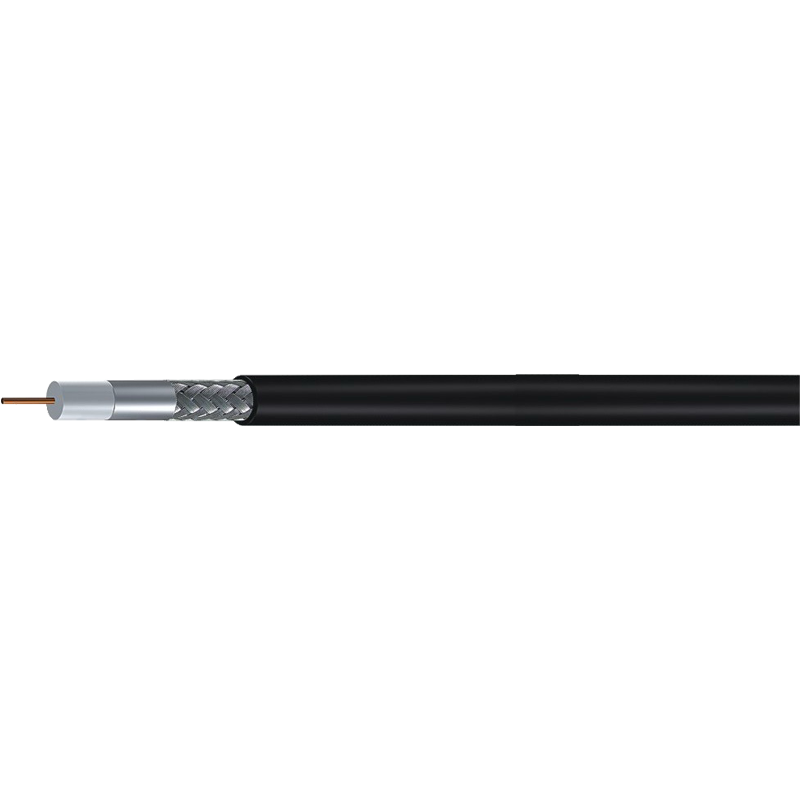
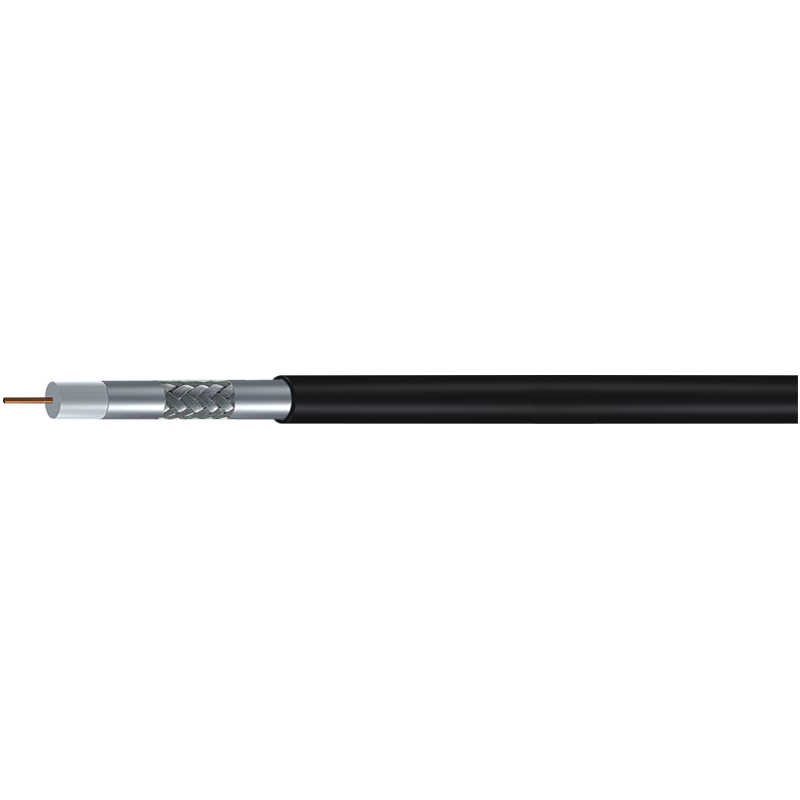
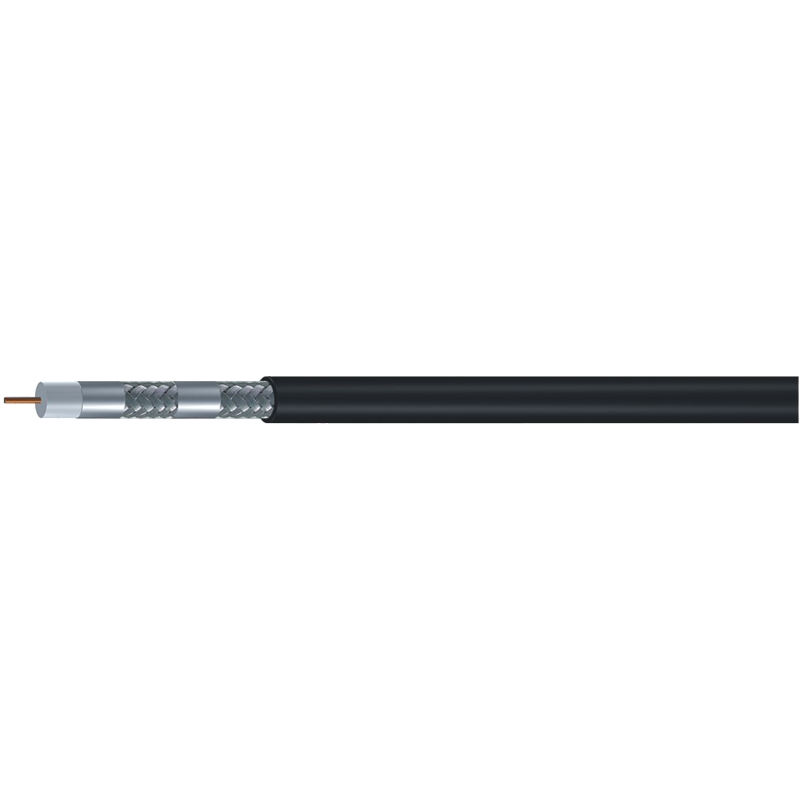
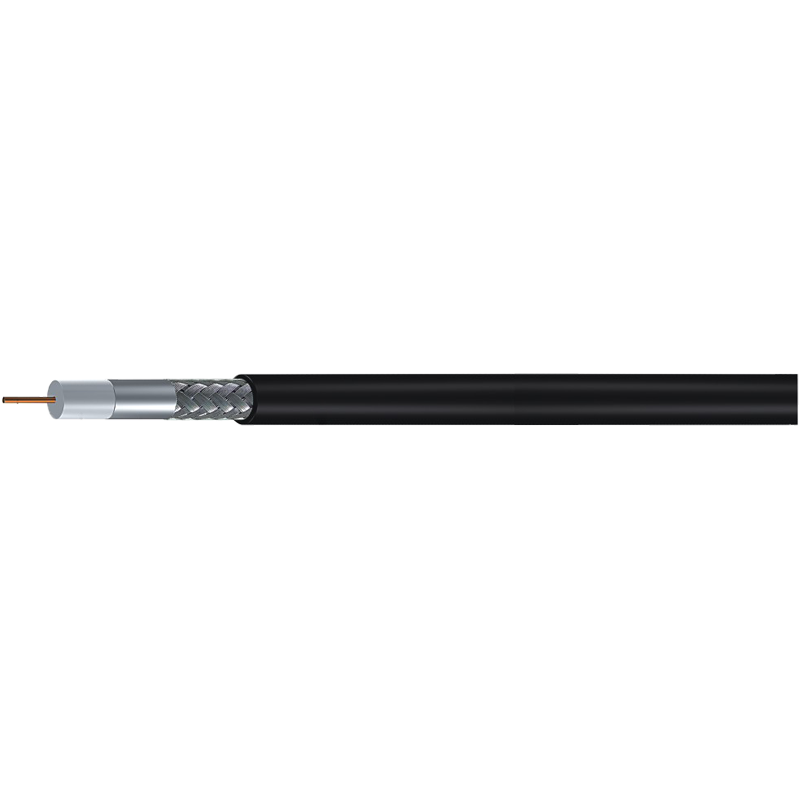
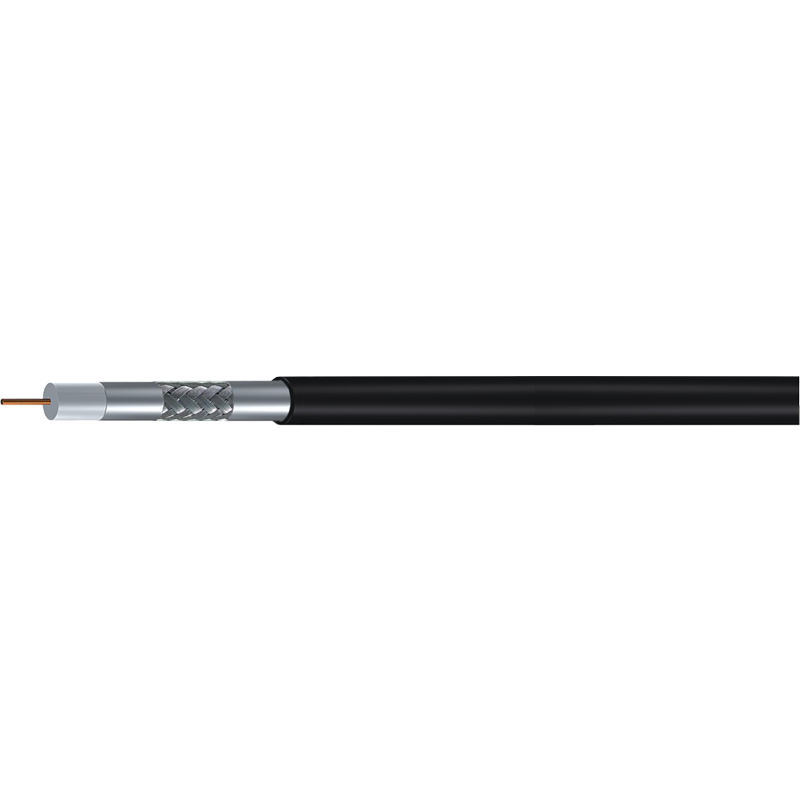
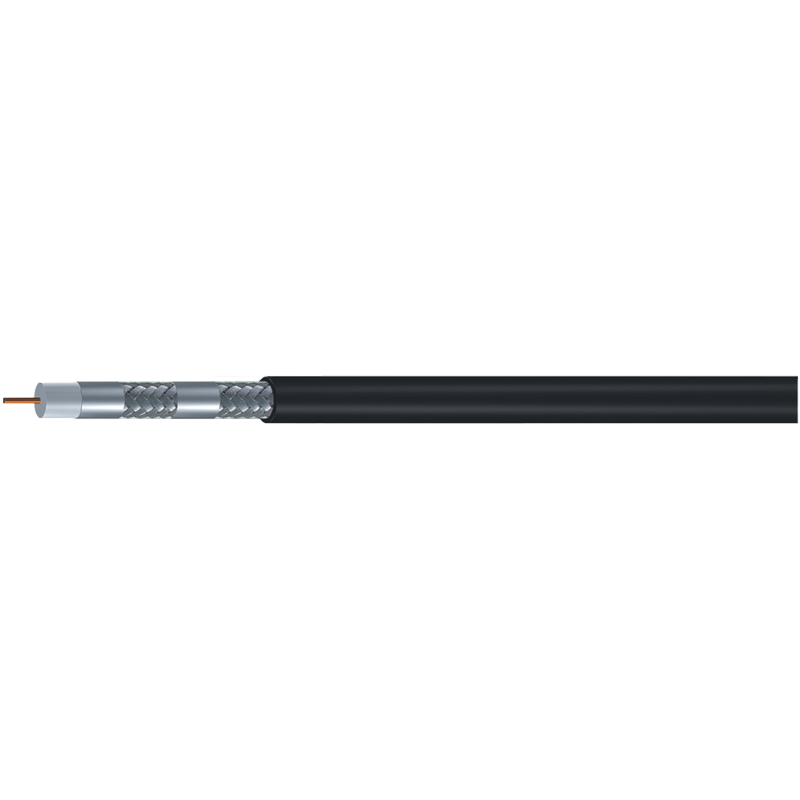
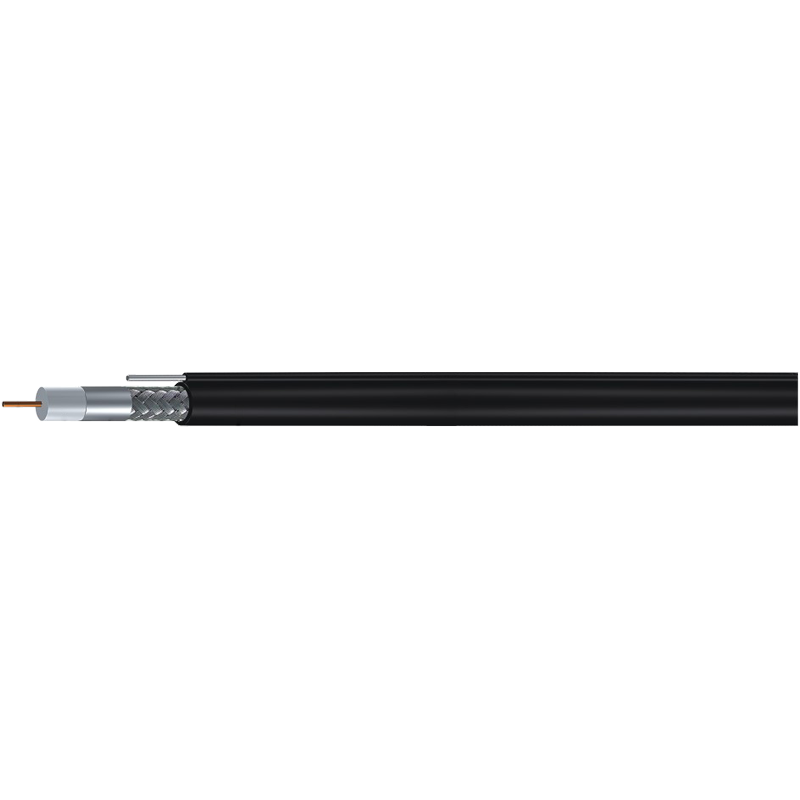
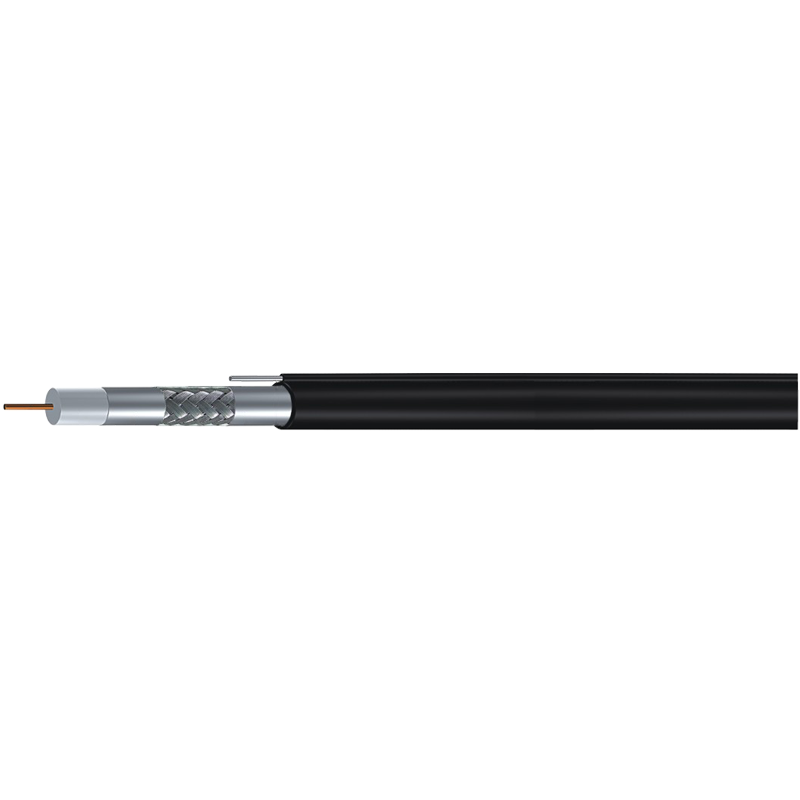
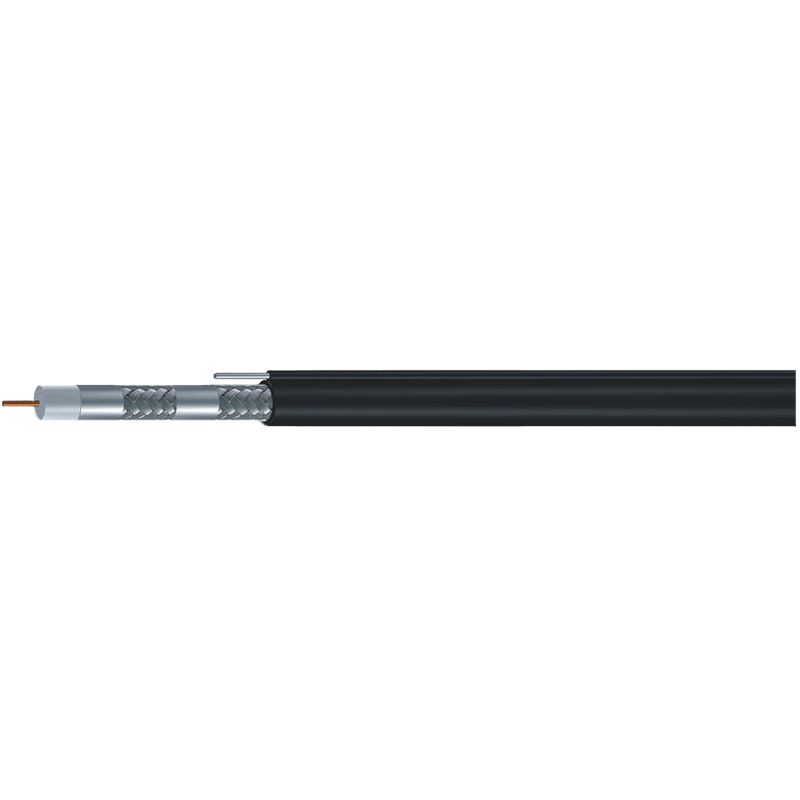
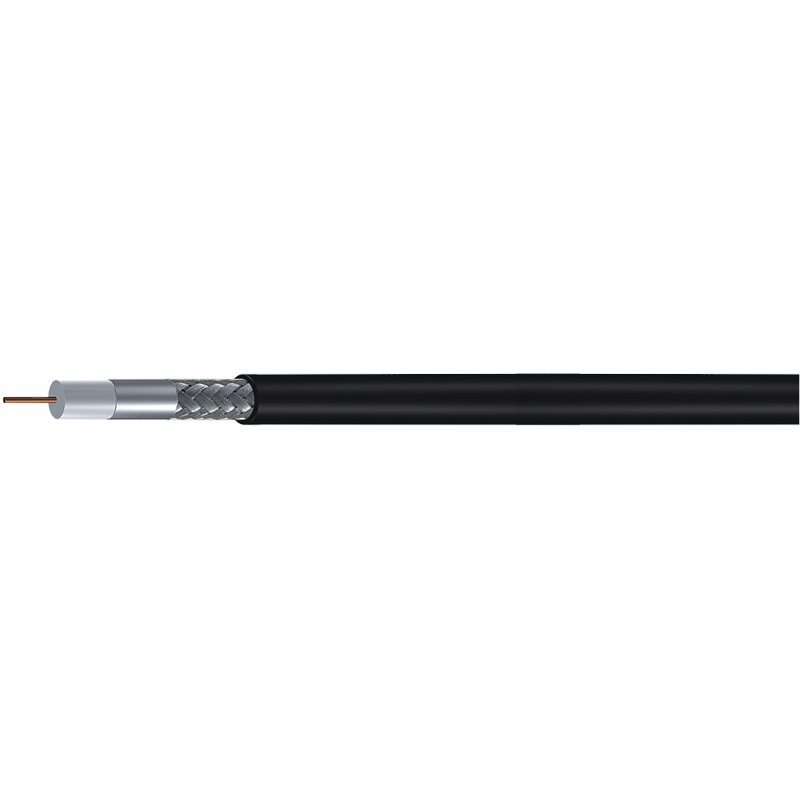
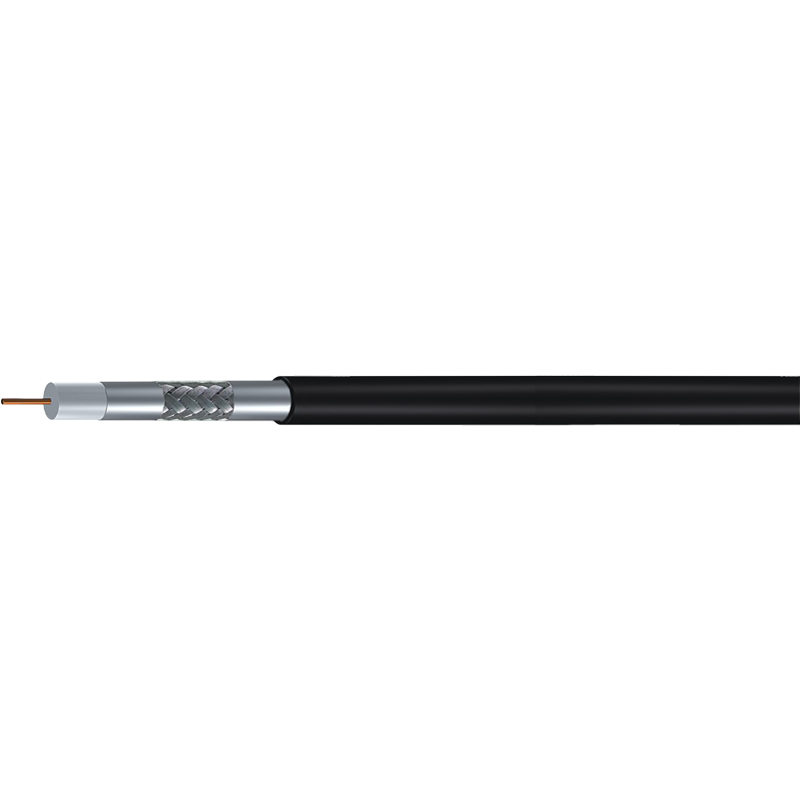
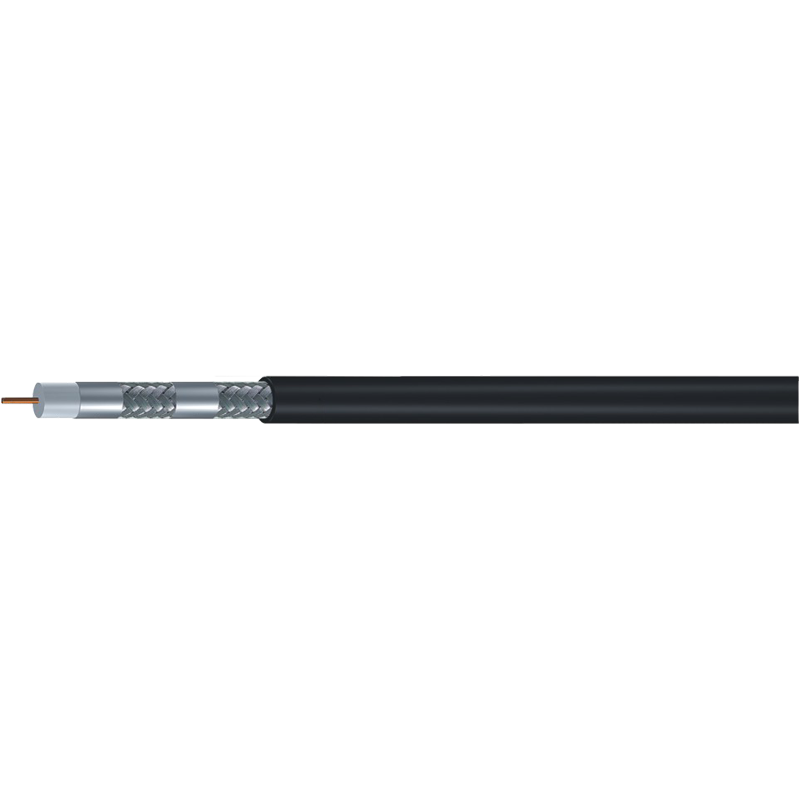
1. Shielded construction as the primary protective mechanism: A 75 Ohm Coaxial Cable is engineered with a conductive shield, typically consisting of braided copper, aluminum foil, or a combination of both, surrounding the inner dielectric and signal conductor. This shield serves multiple functions: it minimizes electromagnetic interference (EMI) and radio frequency interference (RFI), ensures impedance stability, and provides the primary path for conducting electrical surges safely to ground. In the event of a nearby lightning strike or transient voltage spike, the shield carries excess energy along its length toward designated grounding points. Maintaining the shield’s continuity is critical; any breaks or corrosion can compromise its ability to divert energy and prevent damage to connected equipment, making high-quality shielding an essential feature for outdoor or rooftop installations.
-
2. Proper grounding techniques for surge dissipation: Grounding a 75 Ohm Coaxial Cable involves connecting the cable shield to an effective earth ground, typically through a grounding block or metallic grounding rod. This establishes a low-resistance path for stray voltages, lightning-induced currents, and static electricity to dissipate safely. For optimal protection, all grounding points should be bonded to a common reference system to prevent differences in potential that can induce voltage spikes across equipment. A well-grounded coaxial system not only protects the connected devices, such as receivers, transmitters, and distribution amplifiers, but also reduces the risk of fire, electric shock, and signal distortion caused by transient surges.
-
3. Use of surge arrestors and lightning protection devices: Even with proper shielding and grounding, outdoor 75 Ohm Coaxial Cables benefit from supplemental protection devices. Surge arrestors, coaxial grounding blocks, and lightning protectors are strategically installed at cable entry points, rooftop antennas, or outdoor junctions. These devices act as voltage clamps, detecting sudden increases in potential and safely diverting excess energy to ground. For example, a coaxial surge arrestor connected between the cable shield and earth ground can absorb a high-voltage spike caused by a lightning strike, preventing the surge from propagating along the coaxial line to sensitive receivers or amplifiers inside the building.
-
4. Cable routing and bonding for minimized risk: The physical routing of a 75 Ohm Coaxial Cable plays a critical role in lightning and surge protection. Cables should be installed away from high-voltage power lines and positioned along grounded conduit or metallic supports where feasible. Any metallic structures, such as antenna masts or support poles, should be bonded to the same grounding network as the cable. This reduces potential differences that could cause arcing or induce voltage surges along the coaxial line. Smooth bends and slack loops in the cable help accommodate thermal expansion, wind-induced movement, and mechanical stress, reducing the risk of shield fractures or grounding discontinuities.
-
5. Environmental considerations and protective materials: Outdoor-rated 75 Ohm Coaxial Cables incorporate UV-resistant jackets, water-blocking materials, and corrosion-resistant components. These protective features ensure that moisture, temperature extremes, and ultraviolet exposure do not degrade the cable shield or dielectric over time. Maintaining the integrity of the shield is vital because even minor breaches or corrosion can impair its ability to safely conduct lightning energy to ground. Additionally, protective jackets reduce the likelihood of mechanical abrasion or damage from weather, wildlife, or human activity, preserving both signal quality and surge protection.
-
6. Regular inspection, testing, and maintenance: Maintaining the effectiveness of grounding and lightning protection requires periodic inspection of the 75 Ohm Coaxial Cable, connectors, grounding blocks, and surge arrestors. Inspections should verify that all connections are tight, corrosion-free, and electrically continuous. Testing the grounding system’s resistance ensures that voltage spikes can be safely dissipated. Over time, outdoor conditions, wind stress, and thermal cycling can loosen connections or degrade protective materials, so scheduled maintenance is critical to sustaining long-term protection. Proper preventive measures not only extend the cable’s operational life but also safeguard all connected systems from catastrophic failure due to lightning or transient surges.