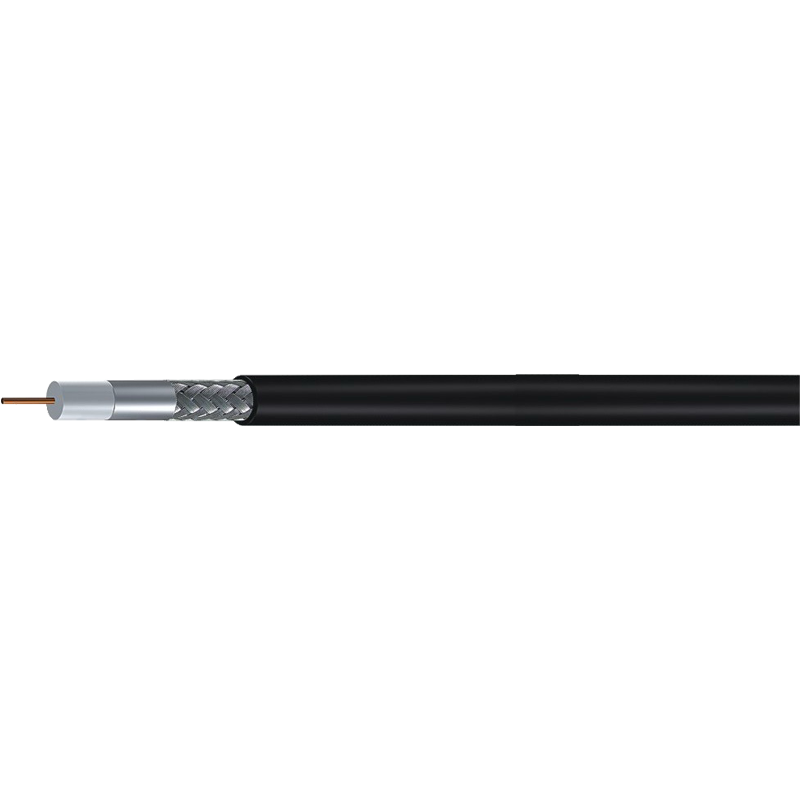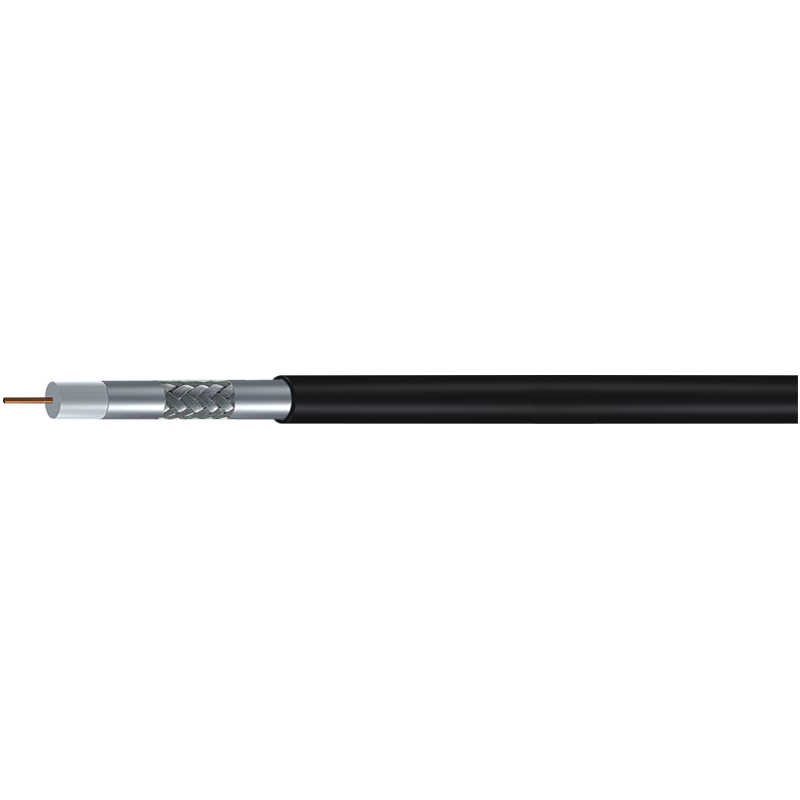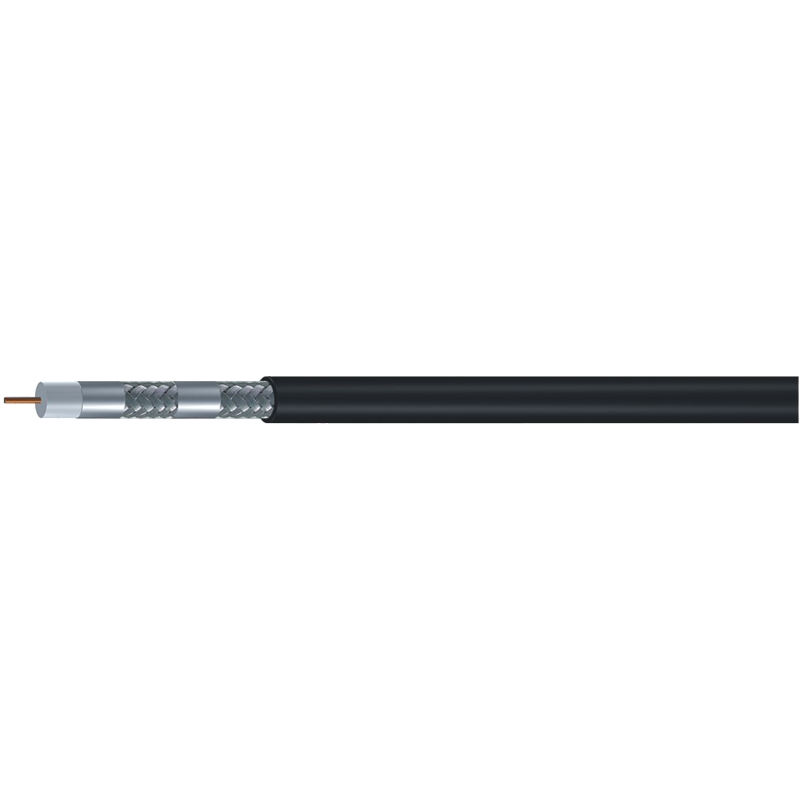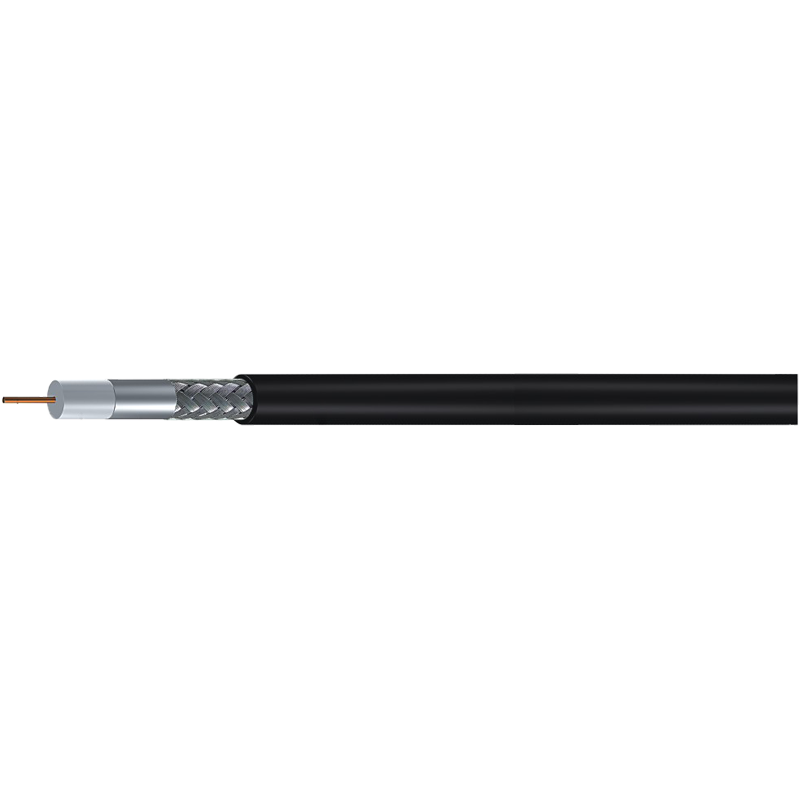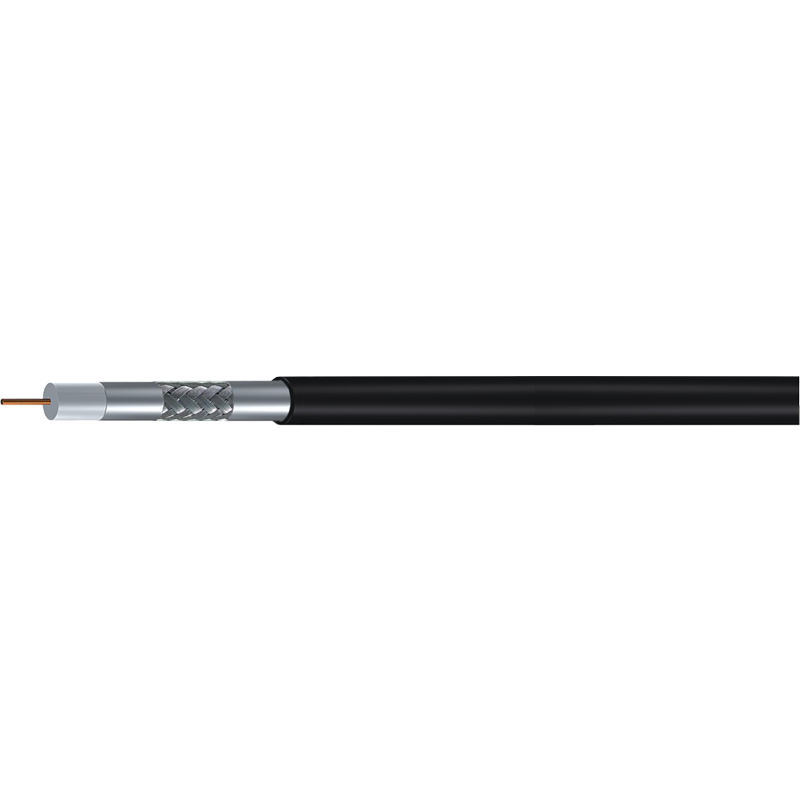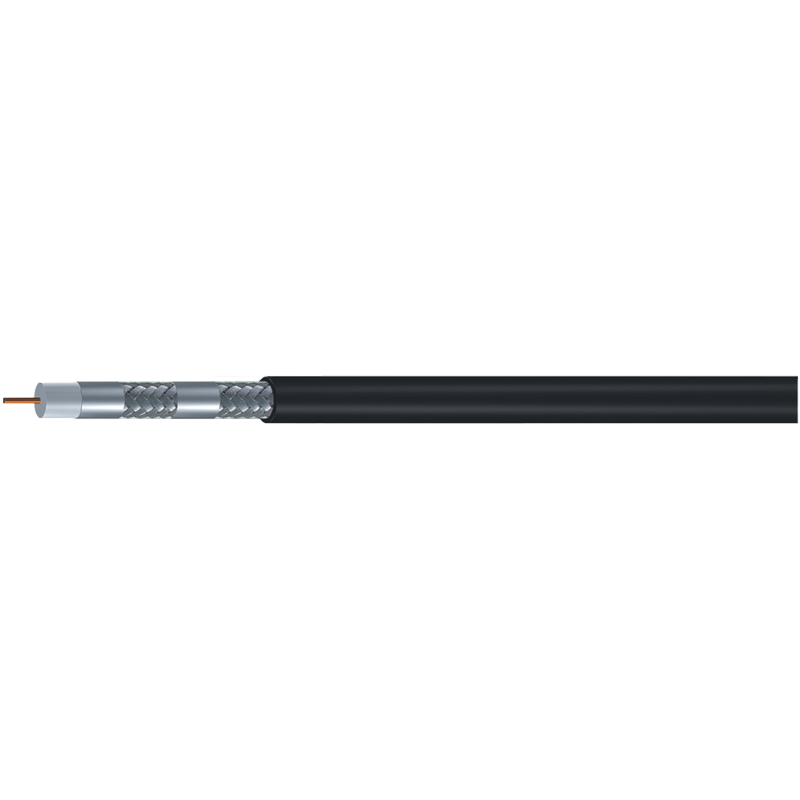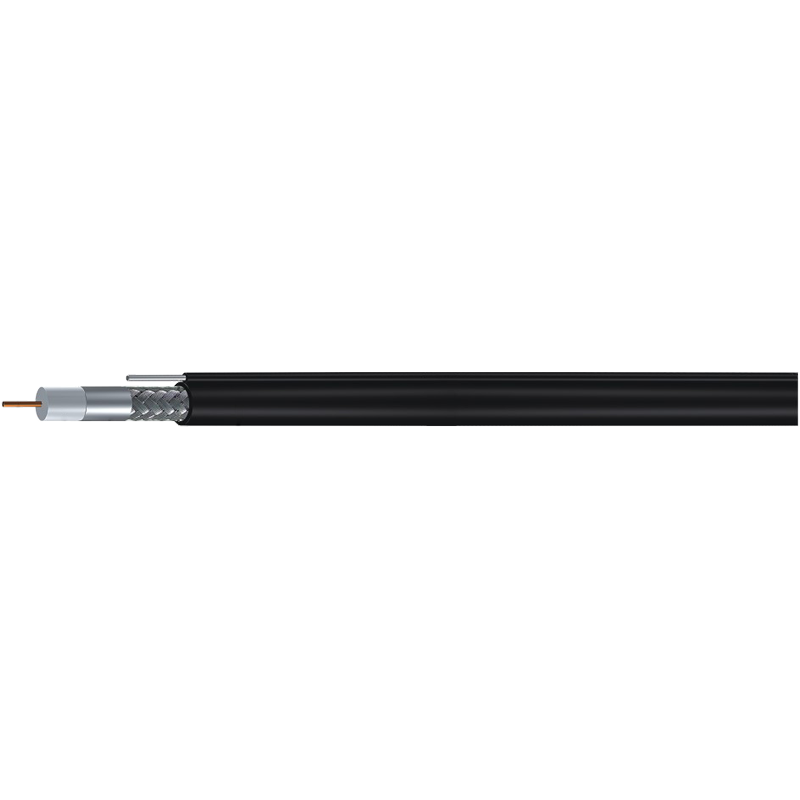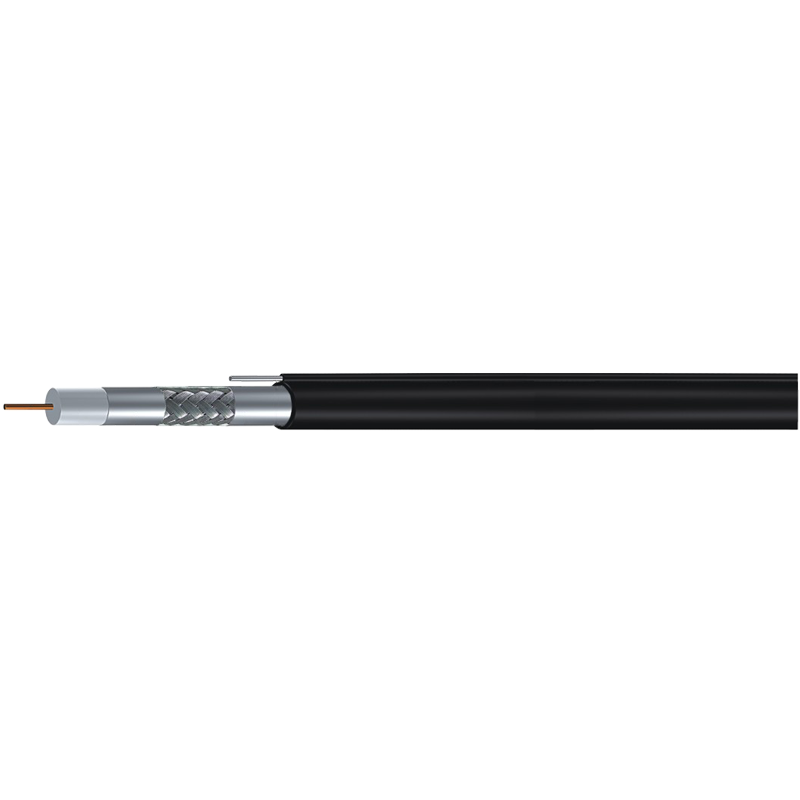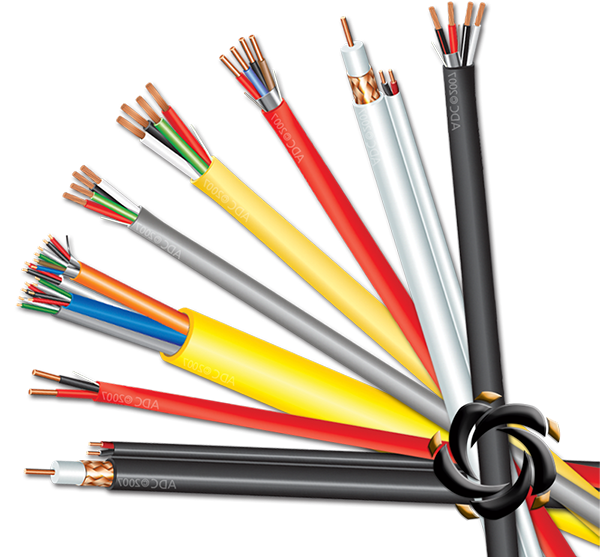
Whether a specific telecommunication cable is suitable for seismic zones, industrial environments, or chemically harsh areas depends entirely on its construction, jacket material, armoring, and compliance certifications. Standard indoor telecommunication cable will fail rapidly under these conditions. However, purpose-engineered telecommunication cable variants are specifically designed and tested to survive mechanical shock, vibration, chemical exposure, and extreme temperature cycling. This article breaks down exactly what to look for, what the standards require, and how to select the right cable for demanding deployments.
Why Standard Telecommunication Cable Is Not Enough for Harsh Environments
A conventional PVC-jacketed telecommunication cable is engineered for climate-controlled indoor spaces — offices, data centers, and residential buildings. Its design parameters do not account for ground movement, continuous vibration from heavy machinery, exposure to oils and solvents, or wide temperature swings. When deployed in these conditions without proper specification, users face:
- Jacket cracking and conductor exposure due to thermal contraction or chemical degradation
- Signal loss and impedance mismatches caused by physical deformation of the cable geometry
- Corrosion of copper conductors in high-humidity or chemically active atmospheres
- Complete structural failure of the cable during seismic events if no slack or armoring is present
Studies from industrial facility operators have shown that up to 34% of unplanned network outages in manufacturing environments are caused by cable failures related to environmental stress rather than electronic faults. Selecting the correct telecommunication cable specification from the outset is far more cost-effective than emergency replacement.
Telecommunication Cable Designed for Seismic Zones
In seismically active regions — such as those along the Pacific Ring of Fire, the Mediterranean fault lines, or the New Madrid Seismic Zone in North America — telecommunication cable must tolerate sudden ground displacement, aftershocks, and structural building movement. Key design features include:
Flexible Armored Construction
Seismic-rated telecommunication cable typically uses interlocked aluminum or steel armor that allows the cable to flex without buckling. This is distinct from rigid armoring used in direct-burial cables. The interlocked design permits lateral movement of up to several centimeters without compromising the internal conductor geometry.
Slack Loop Installation and Cable Routing
Beyond the cable itself, seismic installation standards such as ASCE 7 and IBC (International Building Code) require slack loops at transition points — between floors, at equipment racks, and where cables enter conduit. These loops allow the building structure to shift 50 to 100 mm or more without placing tensile stress on the telecommunication cable.
Fiber Optic Versus Copper in Seismic Applications
Fiber optic telecommunication cable has an inherent advantage in seismic environments. Its non-conductive nature eliminates the risk of ground loops and induced currents during an earthquake, and modern tight-buffered or loose-tube fiber cables have tensile ratings exceeding 2,700 N, allowing them to survive significant mechanical stress without signal degradation.
Telecommunication Cable for Industrial Environments
Industrial settings — including factories, power generation facilities, oil refineries, and mining operations — subject telecommunication cable to mechanical abuse, electromagnetic interference, and physical impact that standard cables cannot withstand. Industrial-grade telecommunication cable addresses these challenges through the following characteristics:
| Property | Standard Telecom Cable | Industrial-Grade Telecom Cable |
|---|---|---|
| Jacket Material | PVC | Polyurethane, TPE, or LSZH |
| Temperature Range | 0°C to +60°C | −40°C to +90°C or higher |
| EMI Shielding | UTP or basic foil | Double-shielded SFTP or armored |
| Crush Resistance | Low (approx. 100 N/cm) | High (up to 400 N/cm or more) |
| Oil Resistance | None | Rated (IEC 60811 compliant) |
| Vibration Tolerance | Not rated | Tested per IEC 60068-2-6 |
EMI Shielding in High-Interference Industrial Zones
Industrial facilities often operate variable frequency drives (VFDs), motors, and welding equipment that generate intense electromagnetic fields. An industrial telecommunication cable with double-shielded construction — combining an overall braided shield with individual pair foil shielding (SFTP) — can achieve transfer impedance values below 10 mΩ/m at 30 MHz, significantly reducing interference-induced signal errors in data transmission.
ATEX and IECEx Ratings for Explosive Atmospheres
In hazardous locations such as chemical plants or offshore platforms, telecommunication cable must carry ATEX (Europe) or IECEx (international) certification. These ratings confirm that the cable's materials and construction will not act as an ignition source in atmospheres containing flammable gases or dust — a critical safety requirement that goes beyond general performance specifications.
Telecommunication Cable for Chemically Harsh Areas
Chemical resistance is one of the most demanding requirements a telecommunication cable can face. Environments such as wastewater treatment plants, pharmaceutical production lines, agricultural processing facilities, and petrochemical sites expose cables to acids, alkalis, solvents, and oils on a continuous basis.
Jacket Material Selection by Chemical Exposure Type
- Polyurethane (PUR): Excellent resistance to oils, fuels, and abrasion. Preferred for food processing and automotive environments.
- Thermoplastic Elastomer (TPE): Broad chemical resistance with high flexibility. Suitable for dynamic applications where the cable is repeatedly flexed.
- Fluoropolymer (PTFE/FEP): Outstanding resistance to virtually all chemicals including strong acids and solvents. Used in semiconductor manufacturing and laboratory environments where contamination control is critical.
- LSZH (Low Smoke Zero Halogen): Preferred where toxic fume emission in fire conditions must be minimized, such as tunnels, marine vessels, and confined industrial spaces.
Conductor Protection in Corrosive Atmospheres
In high-humidity or corrosive gas environments — such as those with elevated hydrogen sulfide (H₂S) or ammonia (NH₃) concentrations — bare copper conductors in a standard telecommunication cable will oxidize and corrode within months. Tinned copper conductors provide a critical barrier, extending the service life of the telecommunication cable by a factor of 3 to 5 compared to untreated copper under the same conditions.
Key Standards and Certifications to Verify Before Purchase
When sourcing a telecommunication cable for any of these demanding environments, always verify that the product carries relevant third-party certification — not just manufacturer claims. The following standards are the most widely recognized:
- IEC 60332: Flame propagation tests for cables in vertical or grouped installation
- IEC 60811: Test methods for insulating and sheathing materials, including oil resistance and thermal aging
- IEC 60068-2-6: Vibration (sinusoidal) testing for environmental endurance
- ATEX Directive 2014/34/EU / IECEx: Explosive atmosphere suitability
- UL 2196: Fire-resistive cable systems tested for survivability during fire events
- RoHS / REACH compliance: Restricts hazardous substances, required for many industrial and European deployments
Practical Selection Checklist for Demanding Deployments
Before finalizing a telecommunication cable specification for any seismic, industrial, or chemically harsh application, work through the following checklist:
- Define the specific environmental hazards present — mechanical, chemical, thermal, or electromagnetic
- Confirm the installation method — fixed, direct-burial, aerial, conduit, or continuous-flex cable tray
- Verify the operating temperature range, including both ambient extremes and heat generated by adjacent equipment
- Identify all chemicals that may contact the cable jacket and cross-reference with the manufacturer's chemical resistance chart
- Confirm required certifications for the jurisdiction and application (ATEX, UL, IEC, RoHS)
- Request third-party test reports — do not rely solely on datasheets or unverified marketing claims
- Plan installation routing to incorporate seismic slack loops or vibration-damping cable supports where applicable
The telecommunication cable that is correctly specified for its environment will typically deliver a service life of 20 to 25 years, even under continuous exposure to harsh conditions — compared to as little as 2 to 5 years for an incorrectly specified standard cable in the same setting. The upfront investment in the right specification is almost always justified by reduced maintenance costs, fewer outages, and improved safety compliance over the installation's lifetime.