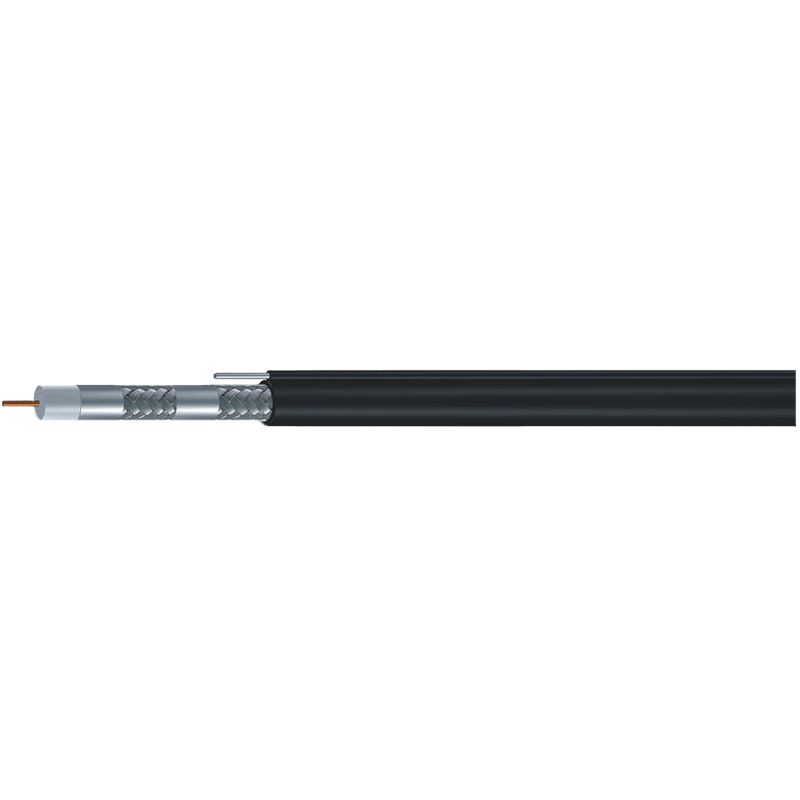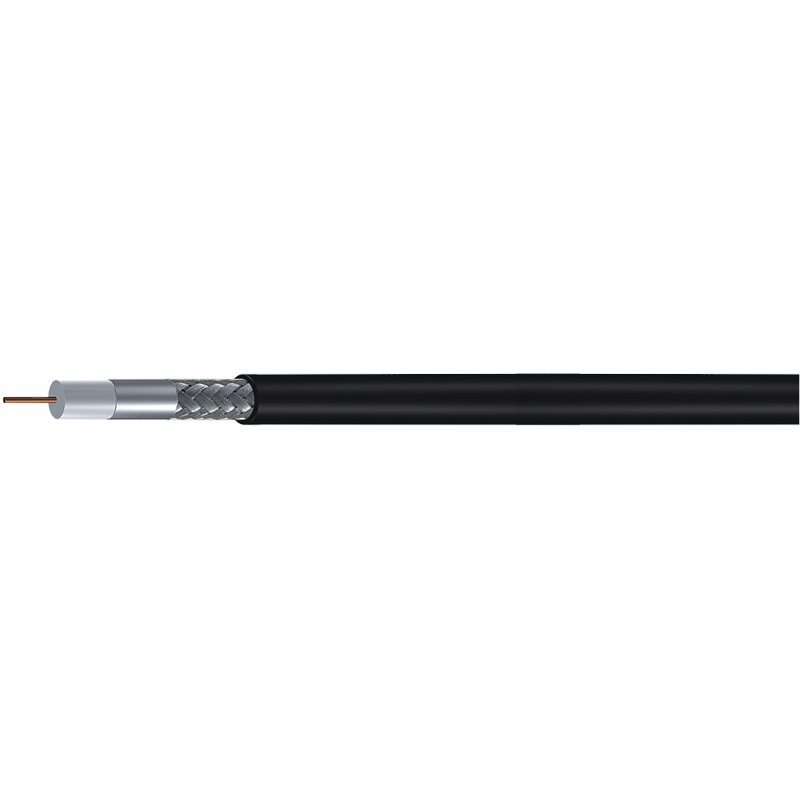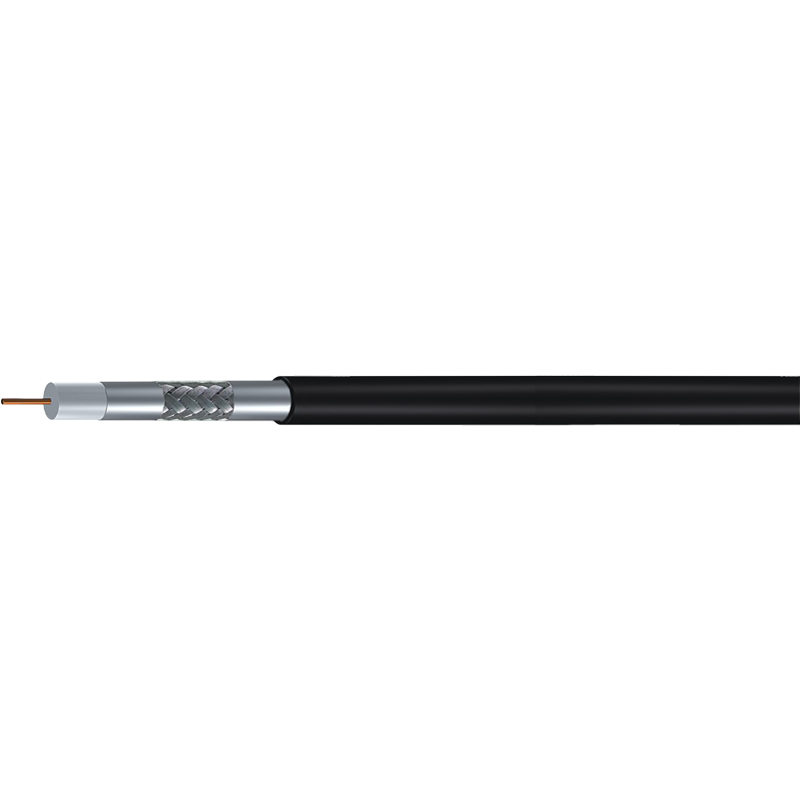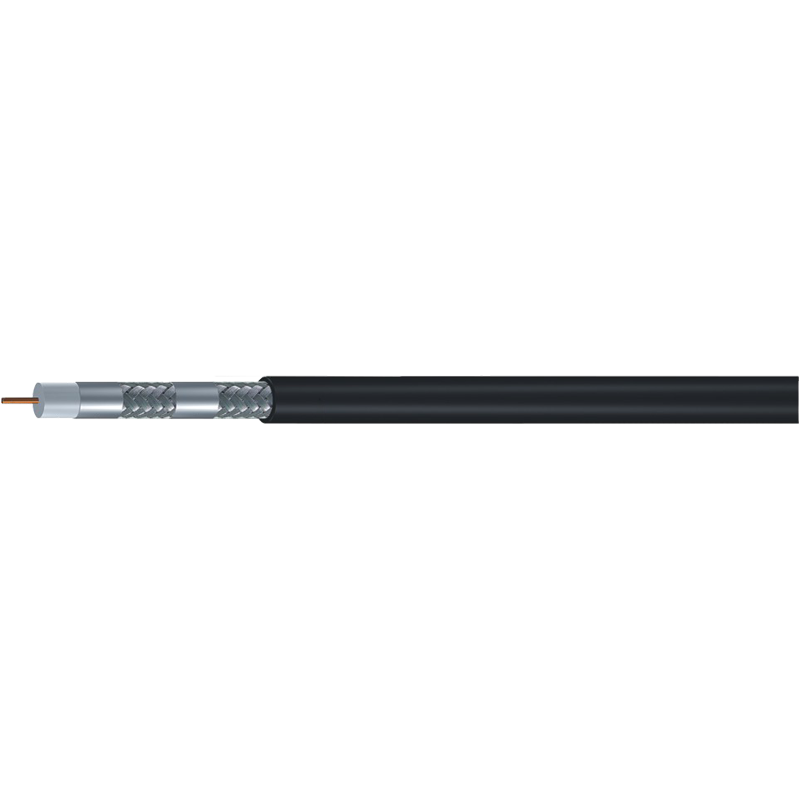
In high-interference environments, double-shielded CCTV Camera Coaxial Cable performs significantly better than single-shielded cable, offering up to 60–80% better resistance to electromagnetic interference (EMI) and radio frequency interference (RFI). This directly translates into clearer video signals, fewer distortions, and more stable long-distance transmission.
However, single-shielded CCTV Camera Coaxial Cable remains suitable for low-noise environments or short-distance installations where cost efficiency is a priority. The choice depends heavily on environmental interference levels, cable length, and system sensitivity. In some hybrid networking setups where analog and digital systems coexist, even rg6 coaxial cable for internet comparisons are often used as a reference for evaluating shielding efficiency and signal stability.
Understanding Shielding in CCTV Camera Coaxial Cable
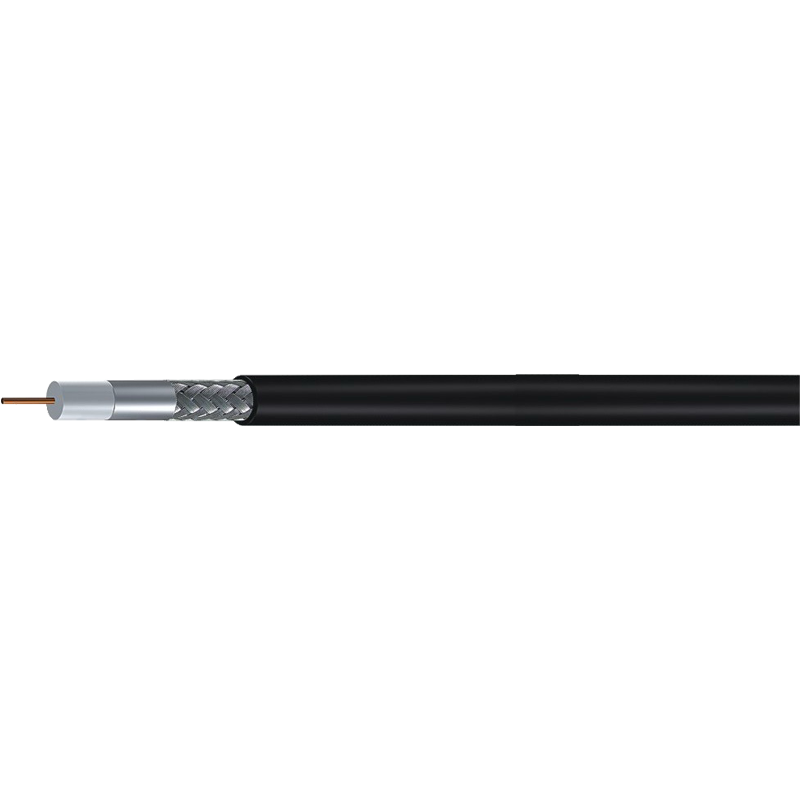
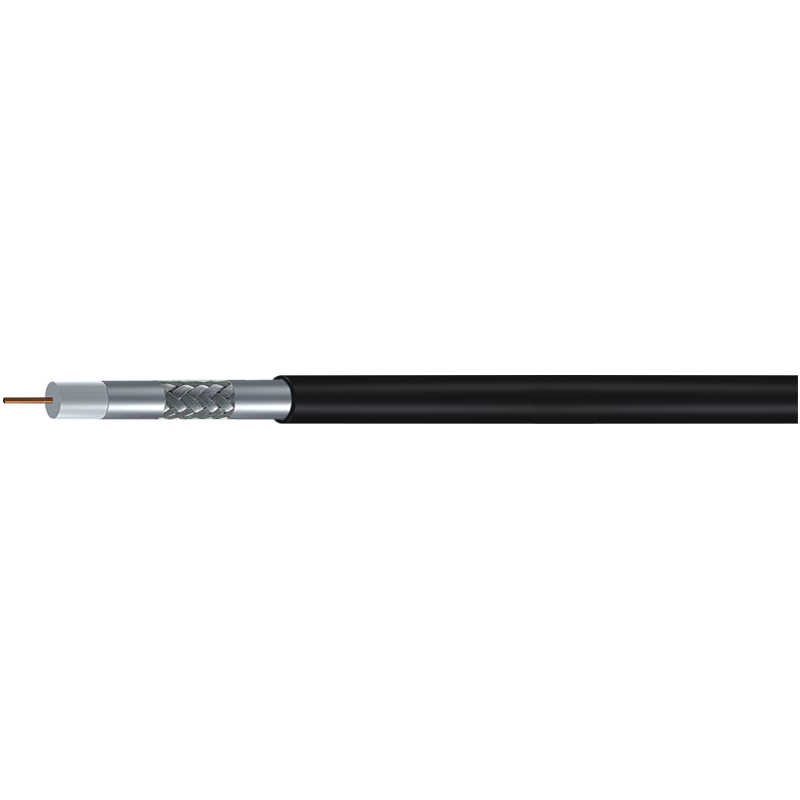
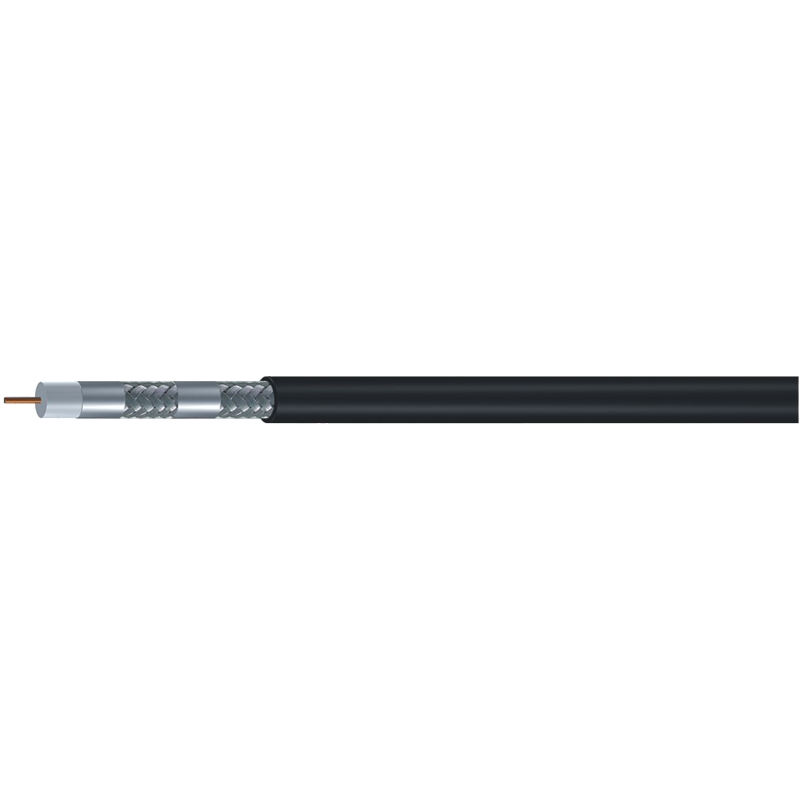
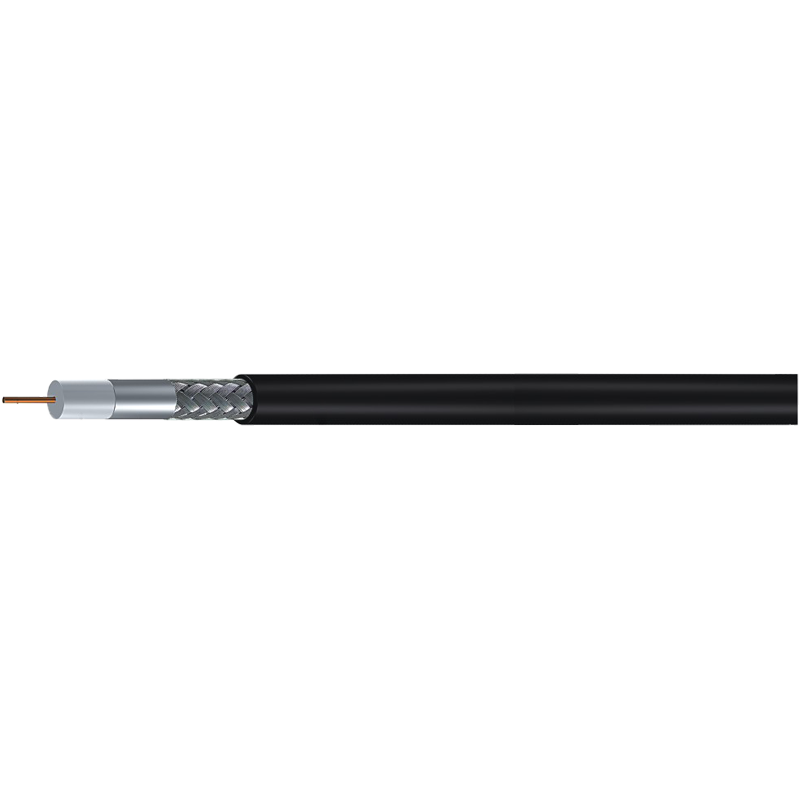
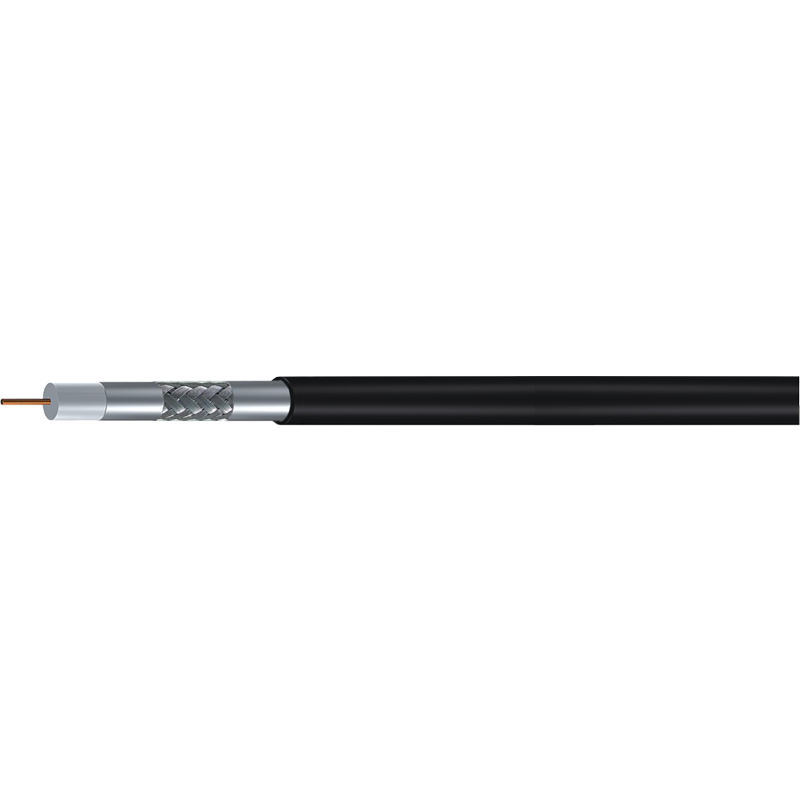
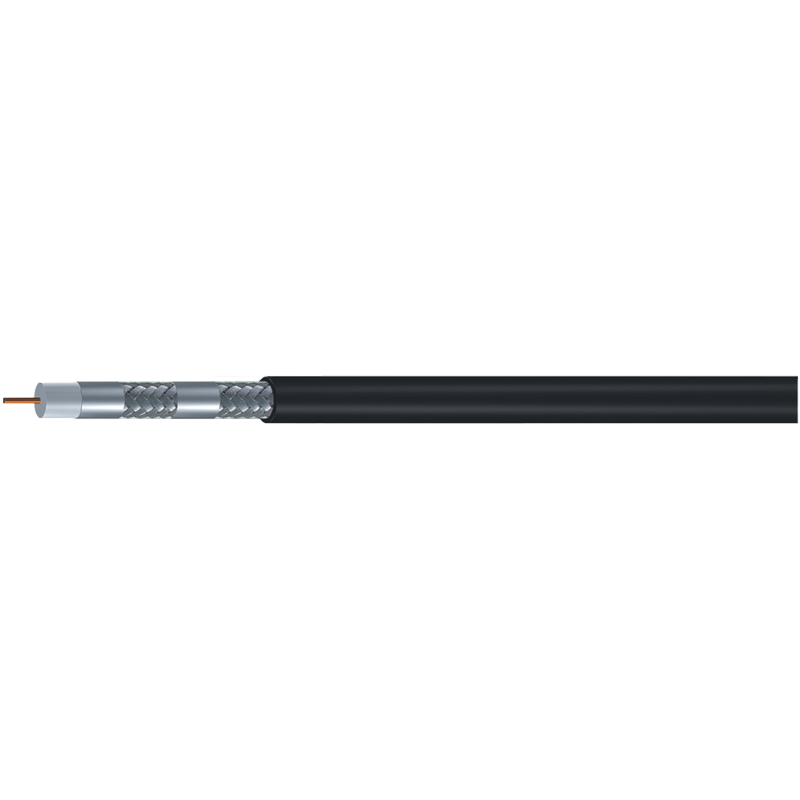
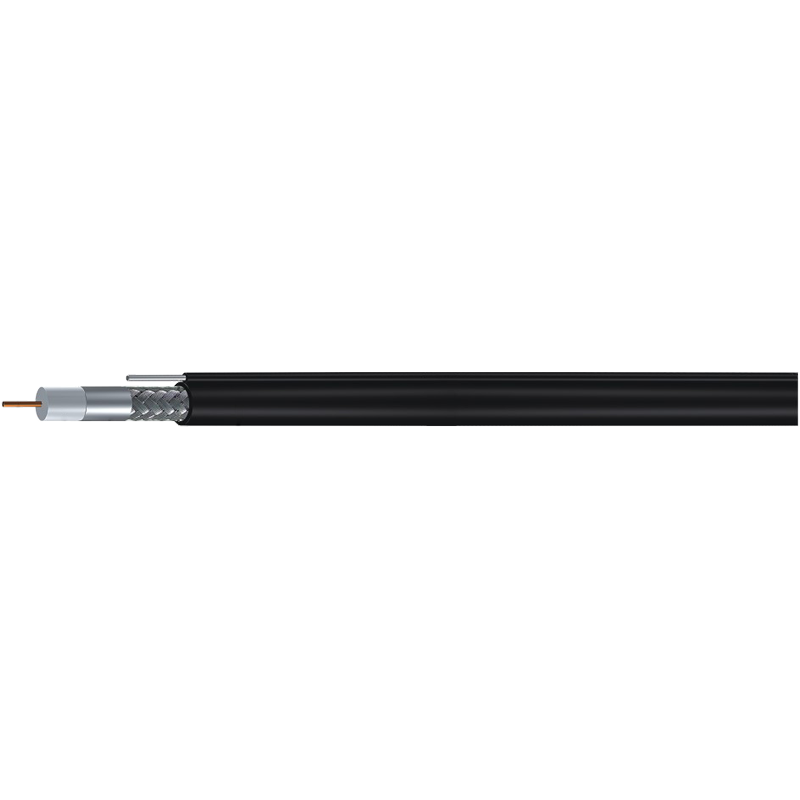
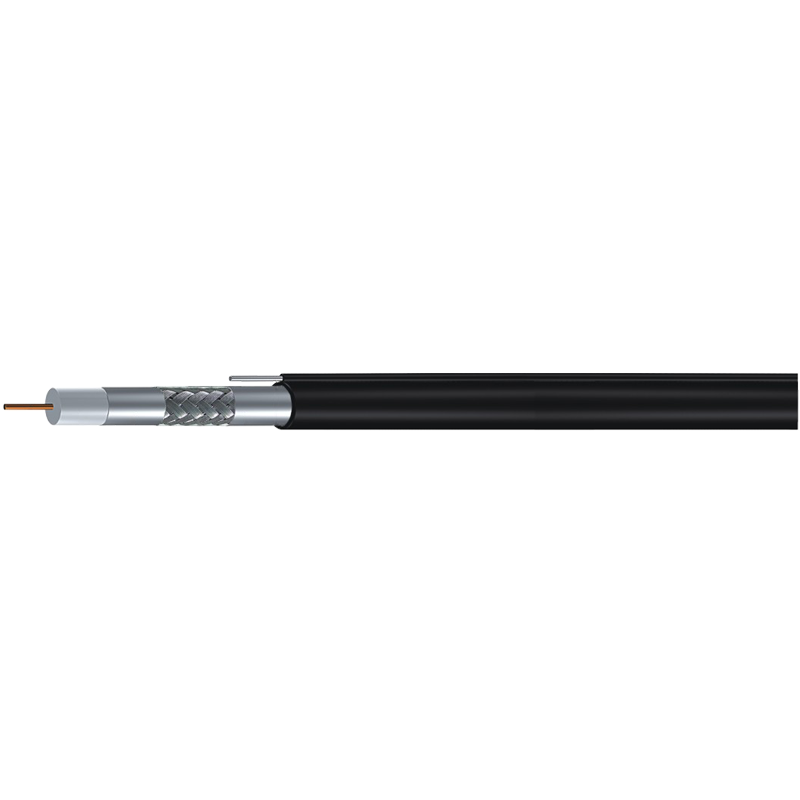
Shielding in CCTV Camera Coaxial Cable is designed to block external electromagnetic noise from corrupting video signals. Single-shielded cable typically uses one layer of aluminum foil or braided copper, while double-shielded cable combines both foil and braided layers for enhanced protection.
Single-Shielded Structure
- One layer of aluminum foil or braided mesh
- Lower manufacturing cost
- Moderate EMI protection
- Best for short indoor runs
Double-Shielded Structure
- Foil + braided copper shielding layers
- High-density interference protection
- Better grounding stability
- Preferred for industrial environments
Performance in High-Interference Zones
High-interference environments such as factories, substations, airports, and urban centers present strong electromagnetic noise. In these scenarios, CCTV Camera Coaxial Cable must maintain signal integrity despite constant disruption.
Double-shielded cables typically reduce signal noise interference by up to 75% compared to single-shielded variants. This improvement is especially noticeable in HD analog CCTV systems where even minor distortion leads to visible image degradation.
Interestingly, engineers often compare shielding behavior with network-grade transmission media like rg6 coaxial cable for internet because both rely on impedance stability and shielding efficiency to maintain clean signal delivery over distance.
Signal Loss and Distance Performance Comparison
Signal attenuation is a key factor when selecting CCTV Camera Coaxial Cable. Shielding quality directly impacts how well a cable maintains signal strength over distance.
| Cable Type | Max Stable Distance (HD CCTV) | Interference Resistance | Signal Loss Rate |
|---|---|---|---|
| Single-Shielded CCTV Camera Coaxial Cable | 200–250 meters | Medium | Moderate degradation after 150m |
| Double-Shielded CCTV Camera Coaxial Cable | 300–400 meters | High | Low degradation up to 300m |
The table clearly shows that double-shielded CCTV Camera Coaxial Cable provides a significant advantage in both distance and signal stability, especially when compared with single-shielded alternatives.
Installation Scenarios and Practical Use Cases
Choosing between single and double-shielded CCTV Camera Coaxial Cable depends on installation conditions and expected interference levels.
- Office buildings: Single-shielded cable is usually sufficient due to low EMI presence.
- Industrial zones: Double-shielded cable is strongly recommended for heavy machinery environments.
- Urban surveillance systems: Double-shielded cable reduces interference from dense electrical networks.
- Hybrid infrastructure systems: Engineers often compare performance with rg6 coaxial cable for internet to ensure consistency across analog and digital transmission lines.
Cost vs Performance Trade-Off Analysis
While double-shielded CCTV Camera Coaxial Cable provides superior performance, it typically costs 20–40% more than single-shielded cable. This cost difference must be evaluated against system reliability requirements.
In mission-critical surveillance systems, the additional cost is justified by reduced maintenance, fewer signal interruptions, and improved long-term reliability. In contrast, budget-conscious installations may prioritize single-shielded solutions where interference risk is minimal.
For high-interference environments, double-shielded CCTV Camera Coaxial Cable is the recommended choice due to its superior EMI/RFI protection and improved signal stability over long distances.
Single-shielded cable remains a practical solution for low-noise environments, short cable runs, and cost-sensitive projects. However, when system reliability and video clarity are critical, upgrading shielding becomes essential.
In modern infrastructure planning, comparisons with rg6 coaxial cable for internet also help engineers understand how shielding quality impacts both analog CCTV and data transmission systems, reinforcing the importance of selecting the right cable type for each environment.