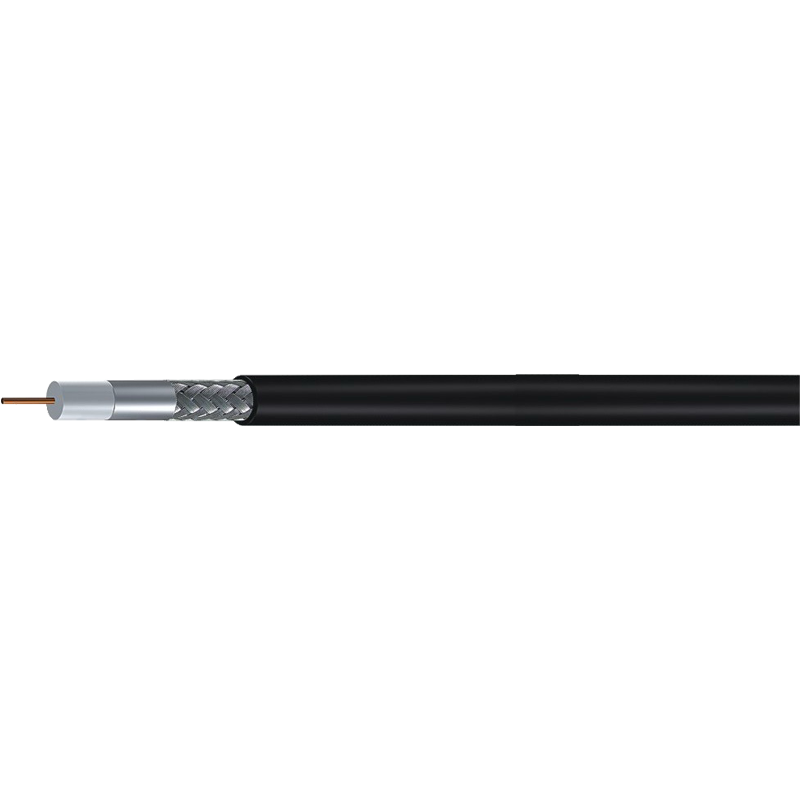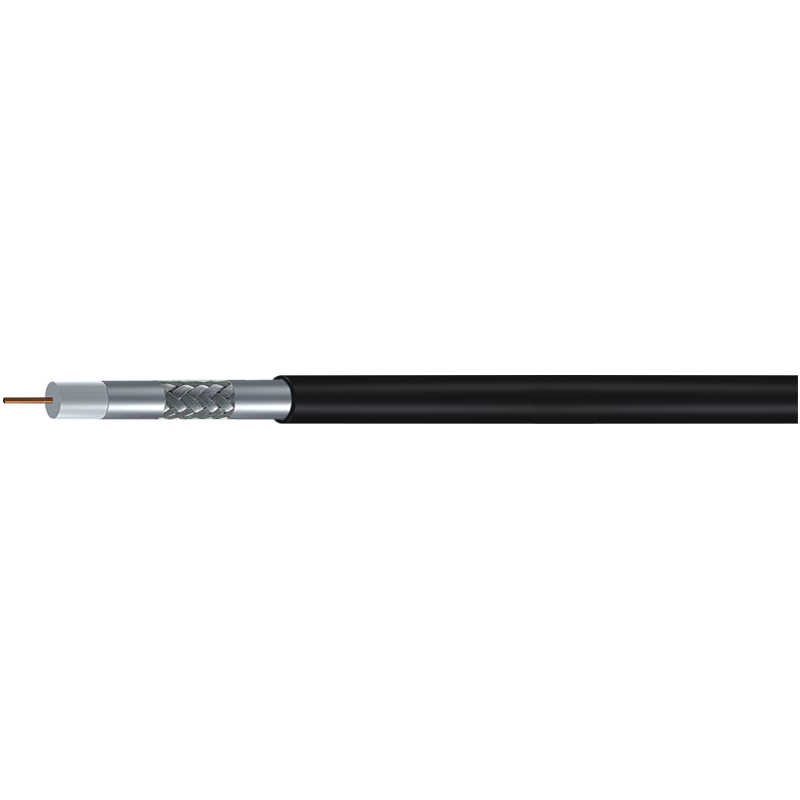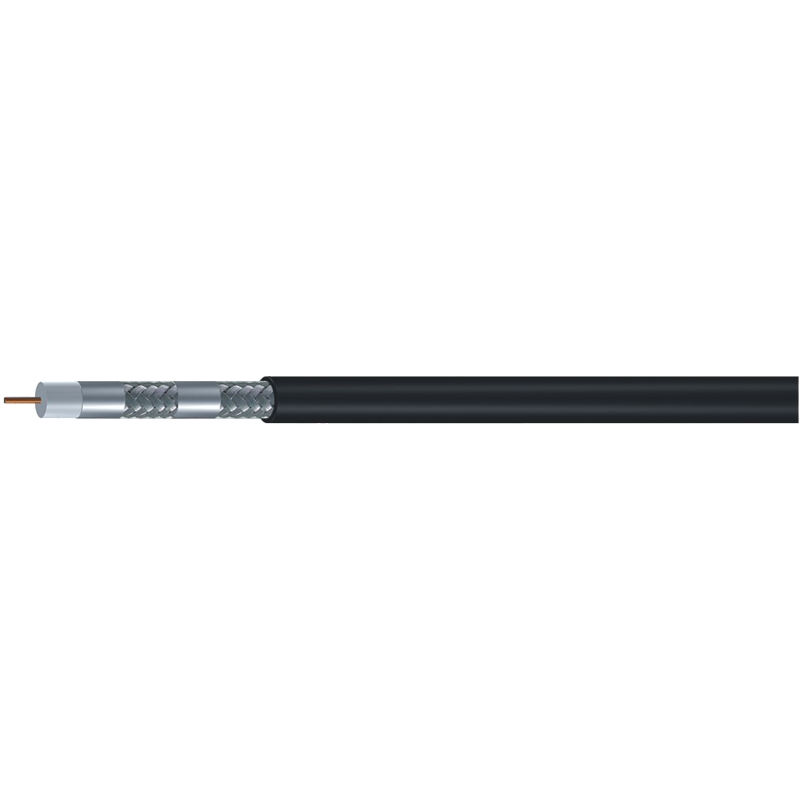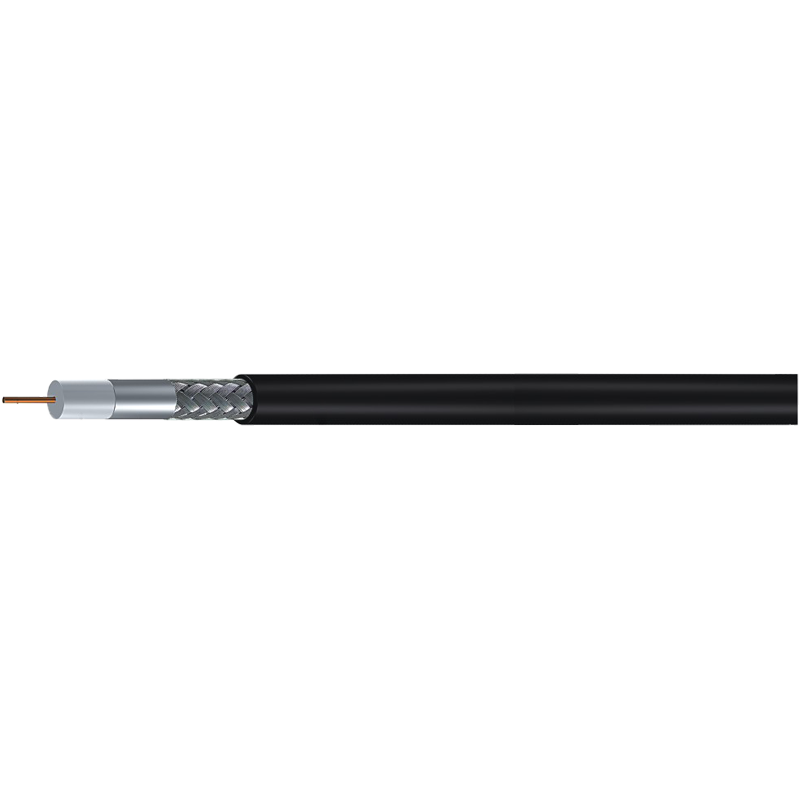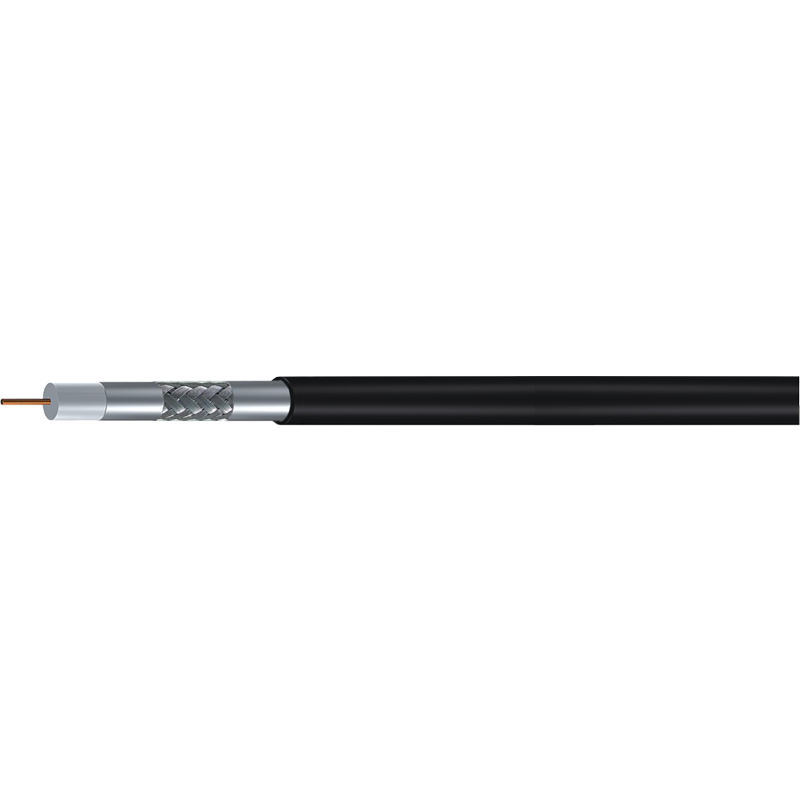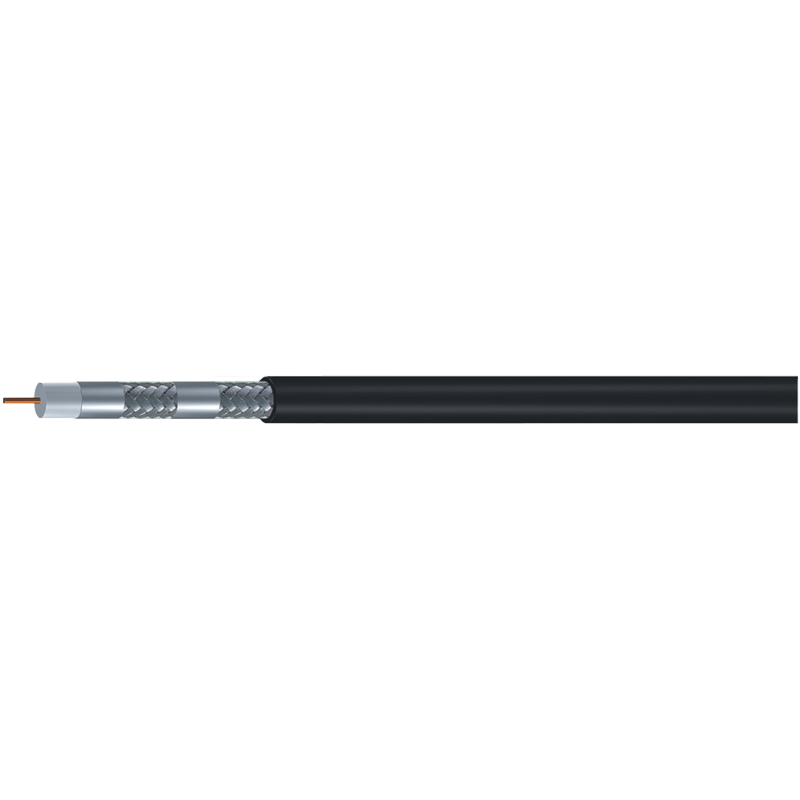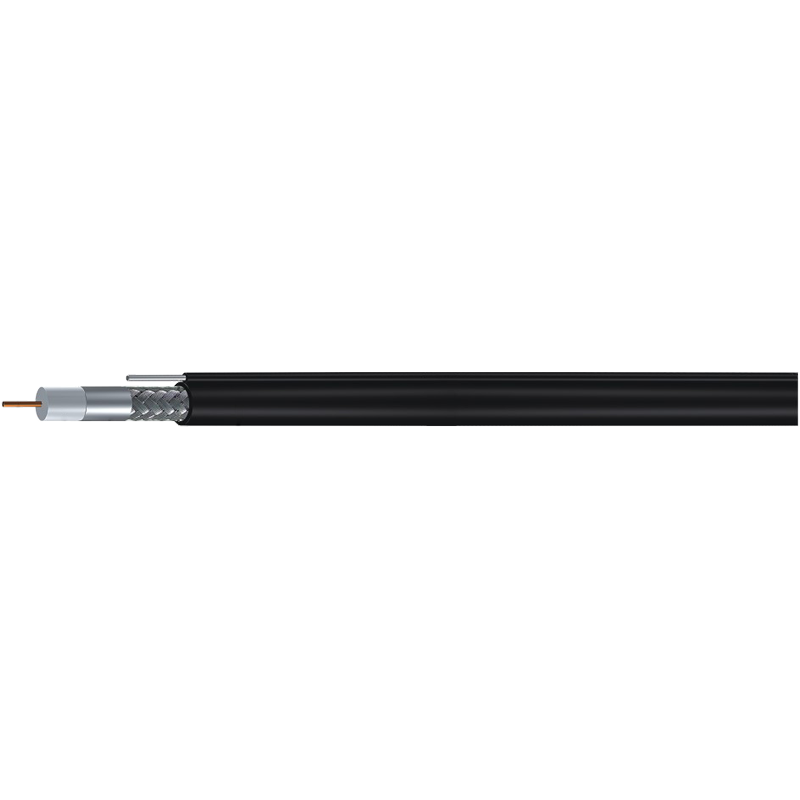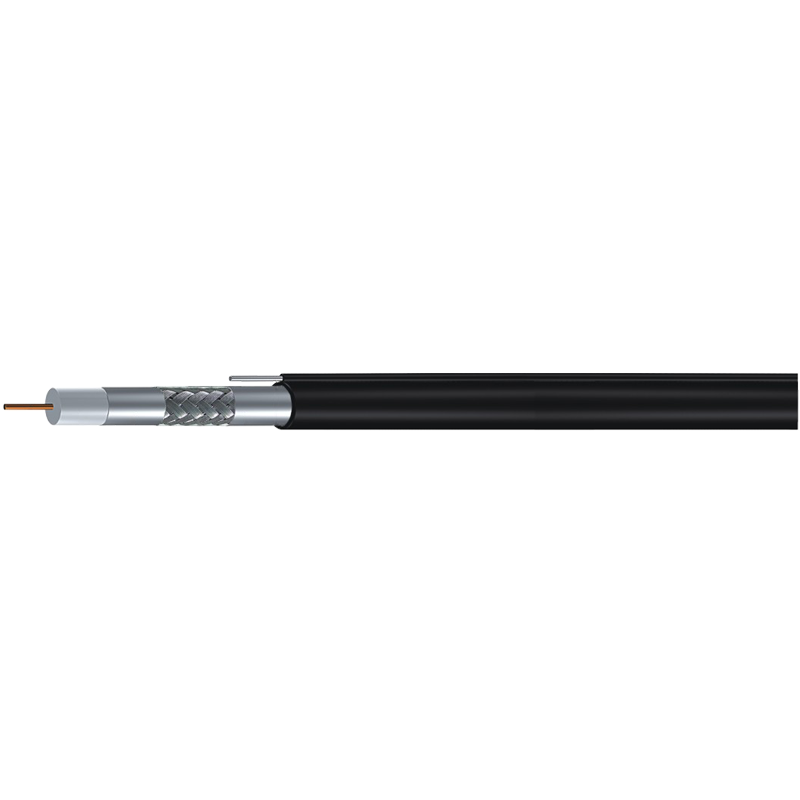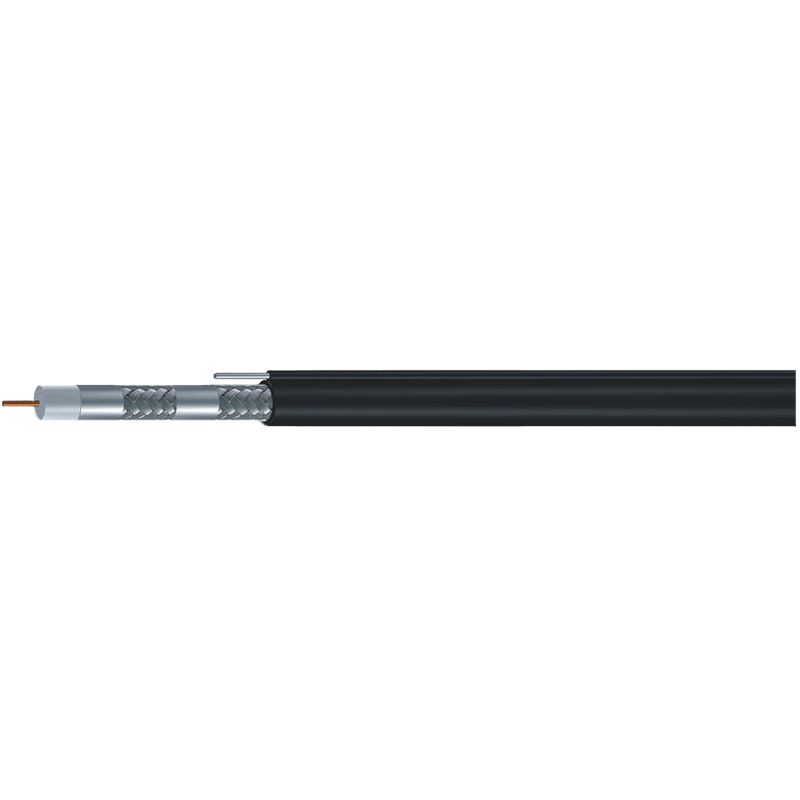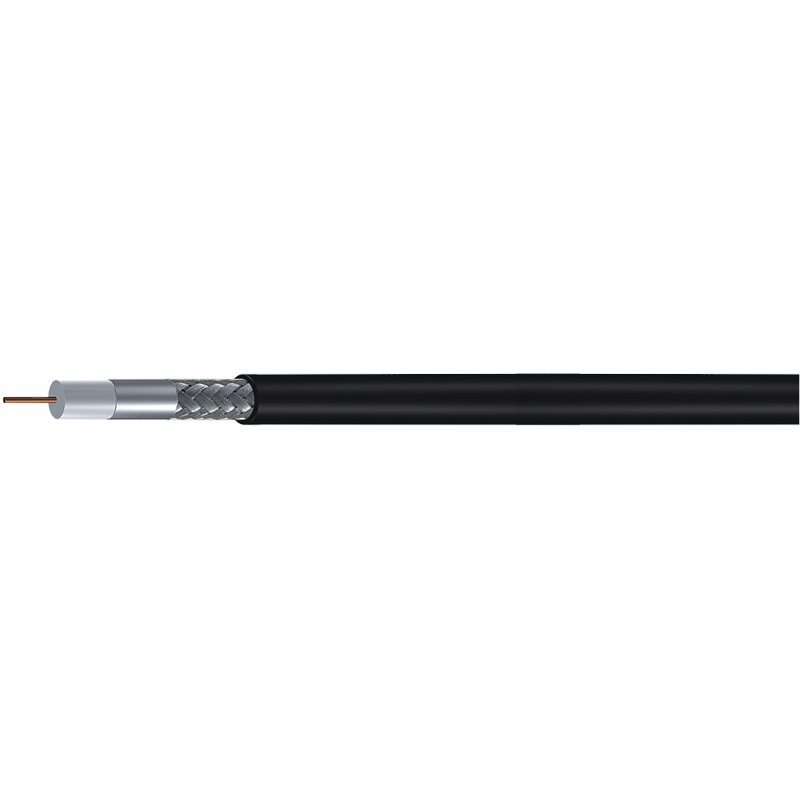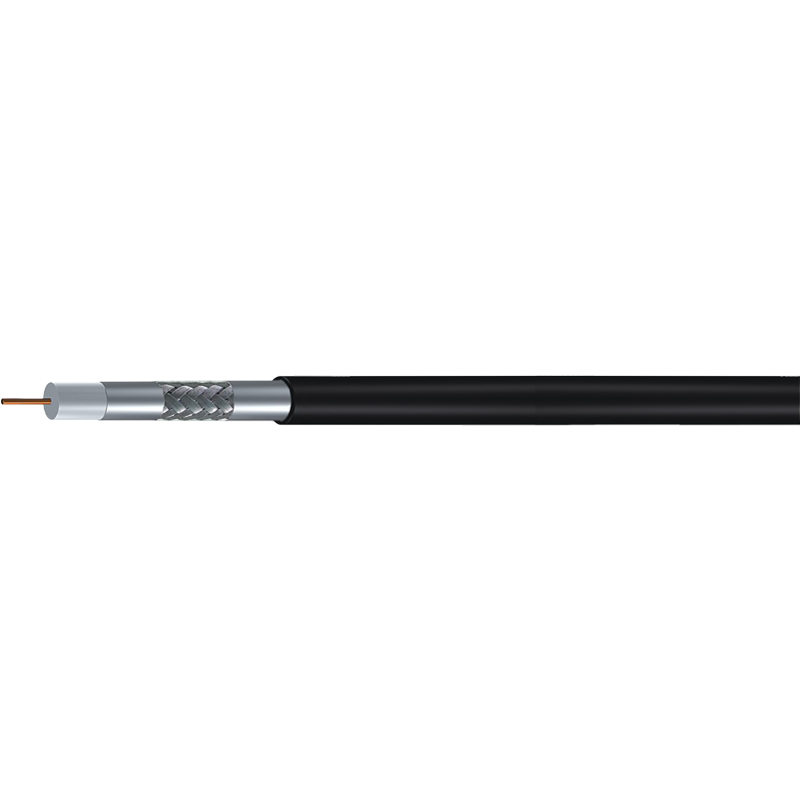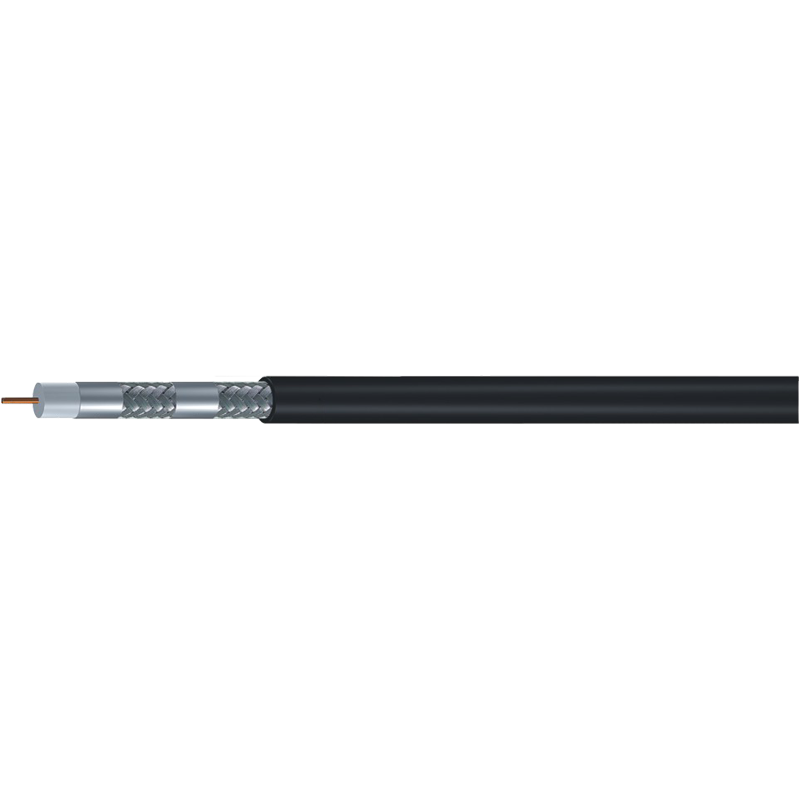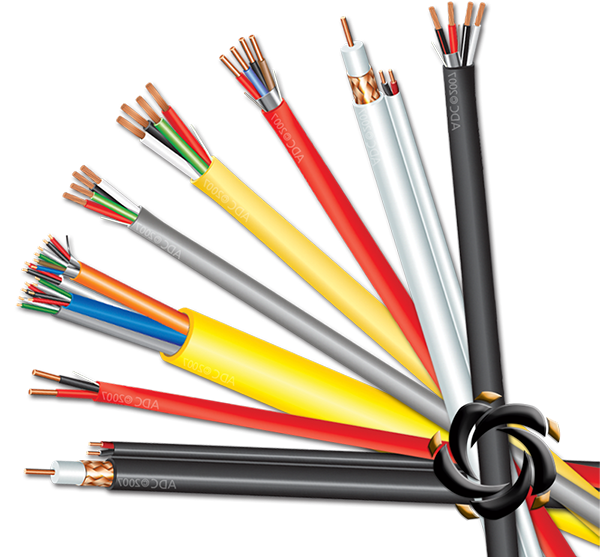
For reliable outdoor and direct-burial use, a 75 Ohm Coaxial Cable must meet several critical weatherproofing standards, including UV resistance, moisture barriers, temperature ratings from at least -40°C to +75°C, and jacket materials rated for direct-burial or outdoor exposure. Cables used outdoors without meeting these standards will degrade rapidly, leading to signal loss, shorts, and complete system failure within months. Understanding these requirements before purchasing or installing ensures long-term performance and avoids costly replacements.
Why Weatherproofing Standards Matter for 75 Ohm Coaxial Cable
A standard indoor 75 Ohm Coaxial Cable is not engineered to survive outdoor conditions. Exposure to UV radiation, moisture ingress, soil chemicals, and temperature cycling causes the jacket to crack, the dielectric to absorb water, and the shielding to corrode. Once moisture reaches the center conductor or dielectric, impedance shifts away from the nominal 75 ohms, and signal integrity collapses.
Whether you are running cable for a satellite dish, outdoor CCTV system, or antenna installation, choosing a cable with the right certifications is not optional — it is the difference between a system that lasts a decade and one that fails in a single winter season.
Jacket Material Standards: The First Line of Defense
The outer jacket is a 75 Ohm Coaxial Cable's primary barrier against environmental damage. The material chosen directly determines suitability for outdoor or underground use.
Polyethylene (PE) Jacket
Black PE jacketing is the industry standard for outdoor 75 Ohm Coaxial Cable. The carbon-black compound provides inherent UV resistance, preventing photodegradation over years of sun exposure. PE-jacketed cables are rated for continuous outdoor use and are the most common choice for aerial and direct-burial runs. RG-6 with a black PE jacket, for example, is routinely used in CATV and satellite trunk lines exposed to weather for 15–20 years.
PVC Jacket
Standard PVC is moisture-resistant but offers limited UV resistance unless specifically compounded with UV stabilizers. PVC-jacketed 75 Ohm Coaxial Cable is acceptable for short outdoor runs protected by conduit but is not recommended for direct exposure to sunlight over years.
LSZH (Low Smoke Zero Halogen) Jacket
LSZH jackets are primarily a fire-safety solution used in enclosed or transit environments. They are not optimized for outdoor weathering and should not be used for direct-burial or prolonged UV exposure without additional protective conduit.
Direct-Burial Requirements: What the Cable Must Withstand Underground
Direct-burial-rated 75 Ohm Coaxial Cable must do more than resist moisture — it must withstand continuous soil pressure, soil chemicals, microbial activity, and repeated freeze-thaw cycles. The following are the core requirements:
- Gel-filled or flooded construction: A water-blocking compound fills the internal voids of the cable, preventing moisture migration along the cable even if the jacket is nicked during installation. This is critical for direct-burial applications where the cable may be cut by rocks or roots over time.
- Armored jacket option: Some direct-burial 75 Ohm Coaxial Cables include a corrugated steel or aluminum armor layer beneath the outer PE jacket, protecting against gnawing rodents and mechanical damage from soil shifting.
- Crush resistance: The cable must maintain its circular cross-section and 75-ohm impedance under the compressive load of soil backfill, typically tested to withstand at least 200 N/cm of radial crush force.
- Burial depth compliance: In most regions, direct-burial coaxial cable should be installed at a minimum depth of 30 cm (12 inches) for general grounds and 45 cm (18 inches) in areas subject to cultivation or vehicle traffic.
Temperature and Environmental Ratings to Look For
A professionally rated outdoor 75 Ohm Coaxial Cable should carry documented temperature performance specifications. Below are the benchmarks commonly required by professional installers:
| Parameter | Minimum Requirement | Professional Grade |
|---|---|---|
| Operating Temperature | -20°C to +60°C | -40°C to +75°C |
| UV Resistance | Basic UV-stabilized PVC | Carbon-black PE, 1000+ hrs UV test |
| Moisture Resistance | Jacket seal only | Gel-flooded, water-blocked |
| Crush Resistance | Standard jacket | Armored or 200+ N/cm rated |
| Applicable Standard | IEC 60728 | UL 444 / IEC 60227 / ASTM B-189 |
Key Industry Standards and Certifications
When selecting an outdoor or direct-burial 75 Ohm Coaxial Cable, the following standards confirm that the cable has been independently tested to meet environmental performance benchmarks:
- UL 444: The primary North American standard for communications cables, covering conductor construction, insulation, shielding, and jacket requirements for outdoor-rated coaxial cables.
- IEC 60728-1: Internationally recognized standard for cable networks used in television signal distribution, specifying performance of 75 Ohm Coaxial Cable in outdoor distribution systems.
- ASTM B-189: Covers lead-coated and lead-alloy-coated copper conductors used in shielded communication cables, relevant when assessing corrosion protection in buried applications.
- NEC Article 820: The U.S. National Electrical Code article that governs coaxial cable installation for community antenna television and radio distribution systems, specifying which cable types are approved for outdoor, aerial, and underground use.
- RoHS Compliance: Ensures that the cable jacket and materials are free from hazardous substances, which is particularly relevant for cables buried in soil near water tables.
Shielding Integrity in Outdoor Environments
Outdoor environments expose cable shielding to oxidation and galvanic corrosion, especially in high-humidity or coastal areas with salt air. A 75 Ohm Coaxial Cable intended for outdoor use should feature tinned copper braid or aluminum-polyester foil shielding rather than bare copper braid, which corrodes significantly faster when wet.
For installations in high-interference environments — such as near industrial equipment or power lines — quad-shielded construction (two layers of foil and two layers of braid) is recommended. This configuration provides greater than 90 dB of shielding effectiveness across the cable's rated frequency range, compared to approximately 75–80 dB for standard dual-shielded versions. This same shielding robustness benefits other applications of 75-ohm technology, including the coaxial digital audio cable used in professional AV installations where interference immunity is equally critical.
Connector and Termination Weatherproofing
Even a perfectly specified 75 Ohm Coaxial Cable will fail prematurely outdoors if the connectors are not properly weatherproofed. Water ingress at connector points is the most common cause of outdoor coaxial system failure.
- Use compression-type F connectors rather than crimp or twist-on connectors for outdoor connections — they create a watertight seal against the cable jacket.
- Apply self-amalgamating (self-fusing) tape over all outdoor connector points after installation. This tape bonds to itself without adhesive, forming a waterproof seal that does not degrade from UV exposure.
- Use weatherproof junction boxes rated to IP65 or higher for any splitter, amplifier, or connector block installed outdoors.
- Drip loops should be formed at all entry points into structures to prevent water from traveling along the cable and entering the connector or building penetration.
Comparing Outdoor 75 Ohm Coaxial Cable Grades
Not all outdoor-rated 75 Ohm Coaxial Cables are created equal. The table below compares common cable types used in outdoor installations:
| Cable Type | Jacket | Direct-Burial Rated | Typical Application |
|---|---|---|---|
| RG-6 (outdoor) | Black PE | No (conduit required) | Satellite, CATV aerial runs |
| RG-6 Burial Grade | Gel-filled PE | Yes | Underground CATV, antenna feeds |
| RG-11 (outdoor) | Black PE | Conduit recommended | Long outdoor trunk runs over 60 m |
| Armored 75 Ohm | Steel armor + PE | Yes | High-risk burial, rodent zones |
Practical Installation Checklist for Outdoor and Buried Runs
Choosing the right cable is only half the battle. Proper installation practice is equally important to achieving the full service life of a 75 Ohm Coaxial Cable in outdoor or underground applications.
- Verify that the cable carries a visible outdoor or direct-burial rating on its jacket print — do not rely on verbal claims alone.
- Maintain the cable's minimum bend radius (typically 10× the cable diameter for RG-6) during installation to avoid dielectric deformation and impedance changes.
- Use conduit wherever the cable transitions from buried to above-ground, protecting the transition point from mechanical damage and UV exposure.
- Install a grounding block on all outdoor 75 Ohm Coaxial Cable entry points to protect connected equipment from lightning-induced surges — this is a requirement under NEC Article 820.
- Seal all unused ports on outdoor splitters with weatherproof terminator caps to prevent moisture from entering the distribution system.
It is worth noting that the 75-ohm impedance standard extends beyond video and RF applications. A coaxial network cable used in some legacy networking topologies also relied on impedance-controlled coaxial construction, highlighting how the physical and weatherproofing principles of 75 Ohm Coaxial Cable apply broadly wherever coaxial technology is deployed outdoors.
For any outdoor installation, specify a 75 Ohm Coaxial Cable with a black PE jacket, tinned or aluminum shielding, and UV resistance certification. For direct-burial runs, add gel-flooding and consider armored construction in areas with known rodent activity or significant soil movement. Always weatherproof connectors with compression-type fittings and self-amalgamating tape, and comply with NEC Article 820 grounding requirements. Following these standards will deliver a coaxial installation that performs reliably for 15 years or more with minimal maintenance.