Cable Selection Guide
Are All Coaxial Cables the Same?
Not all coax is created equal. The right cable depends on impedance, shielding, and the job you ask it to do.
Picture this: you are standing in front of a wall of coaxial cable at a supply house, and every roll looks identical. Same round black jacket. Same copper-colored connector. Similar price. So you grab one and assume the signal will take care of itself. That assumption is usually where intermittent pixelation, modem sync drops, and night-time CCTV flicker begin.
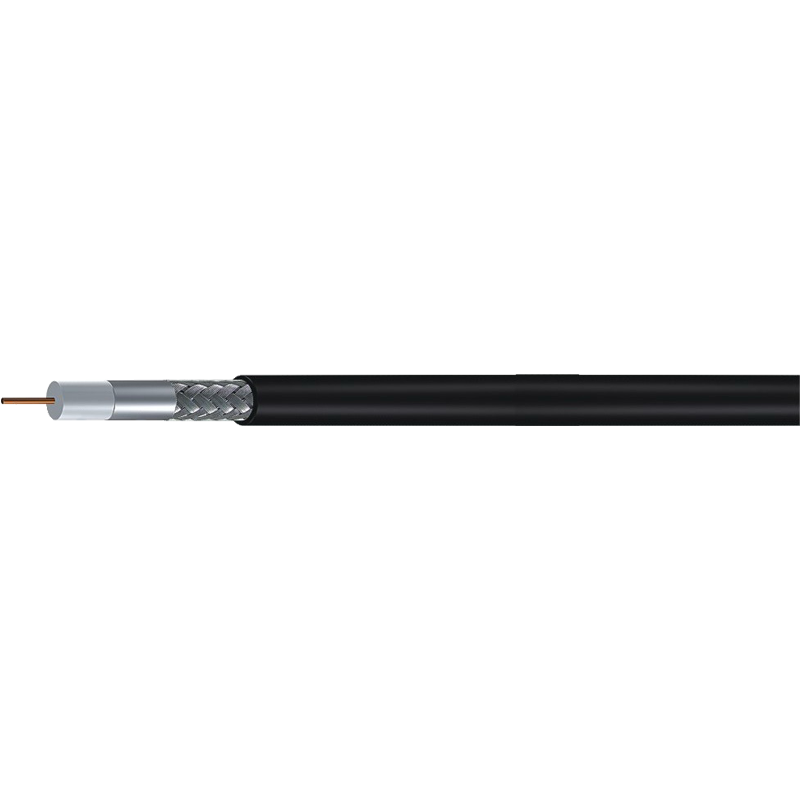
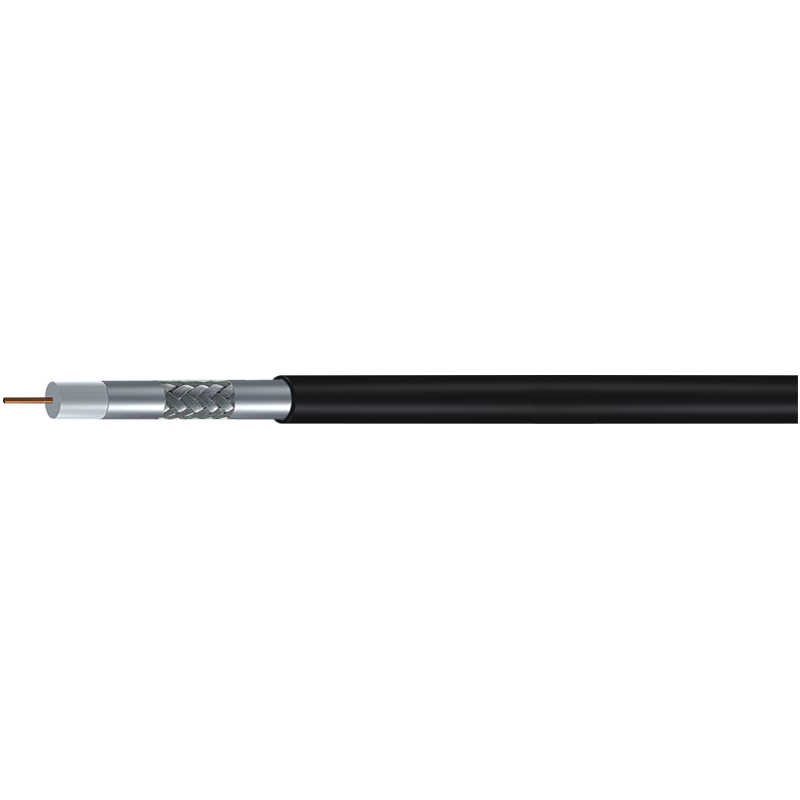
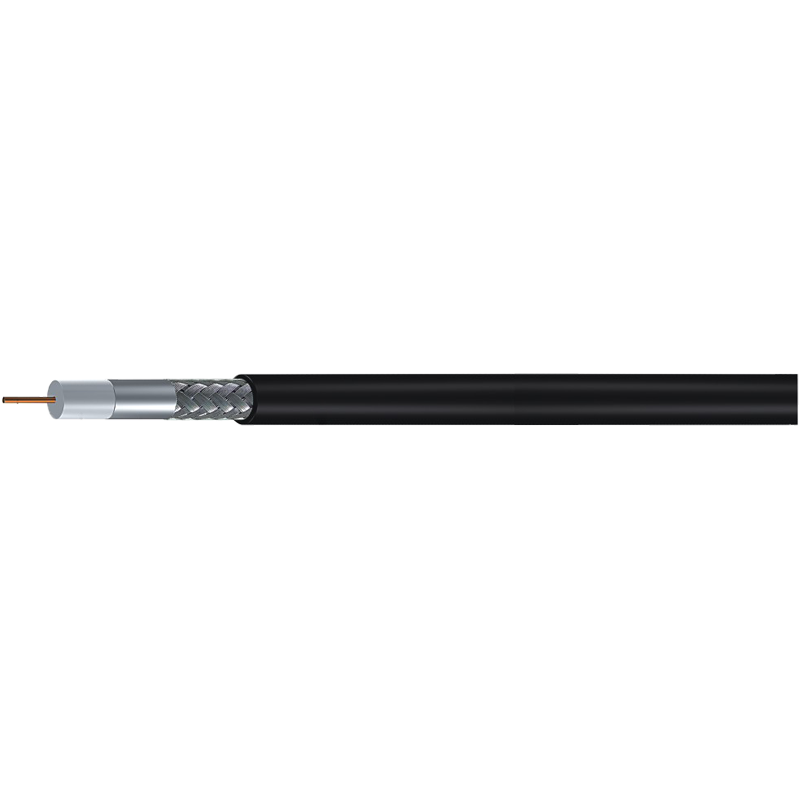
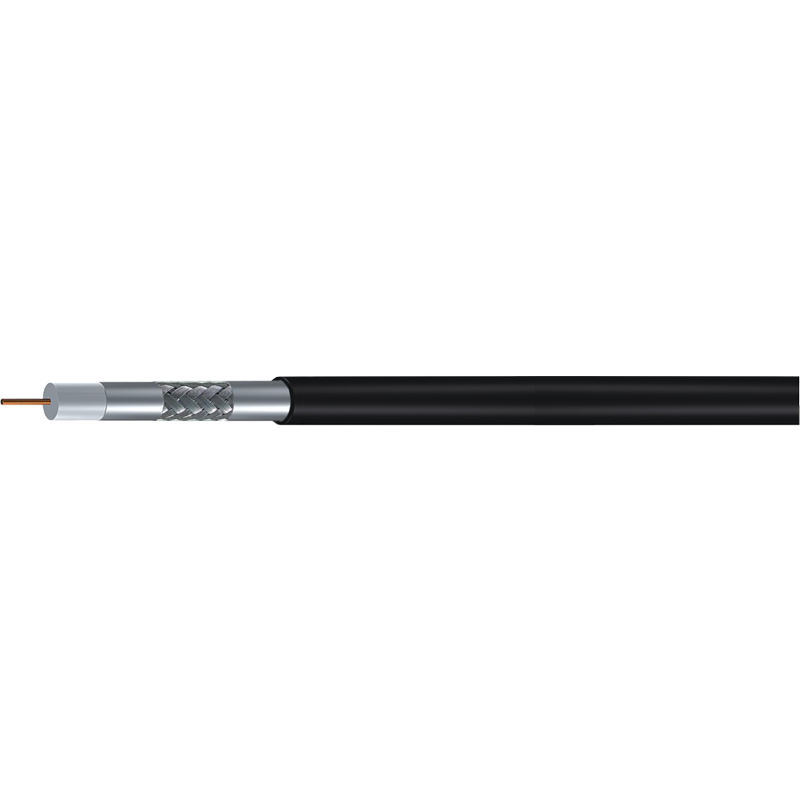
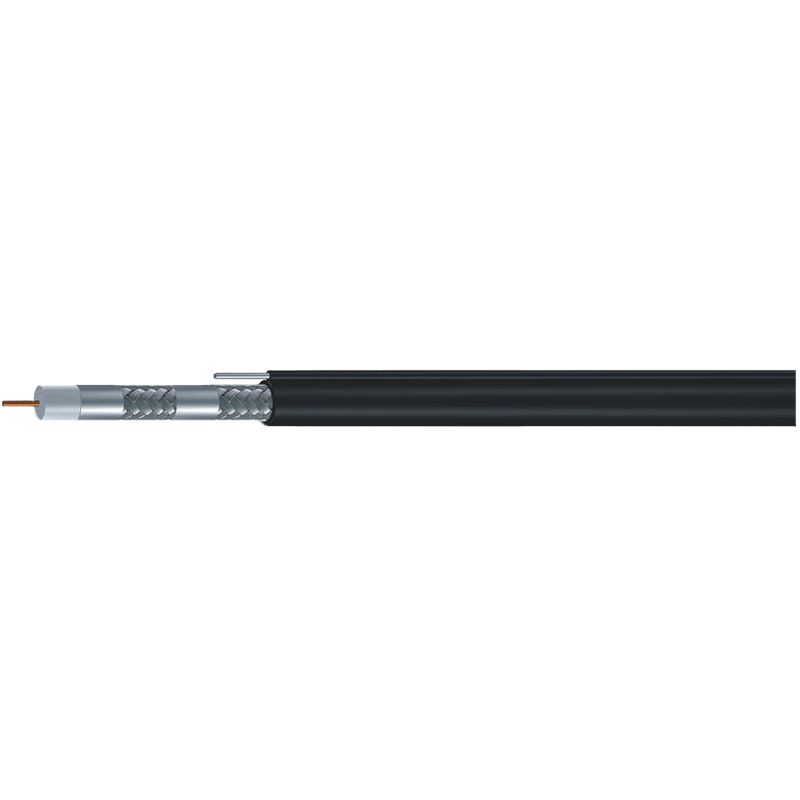
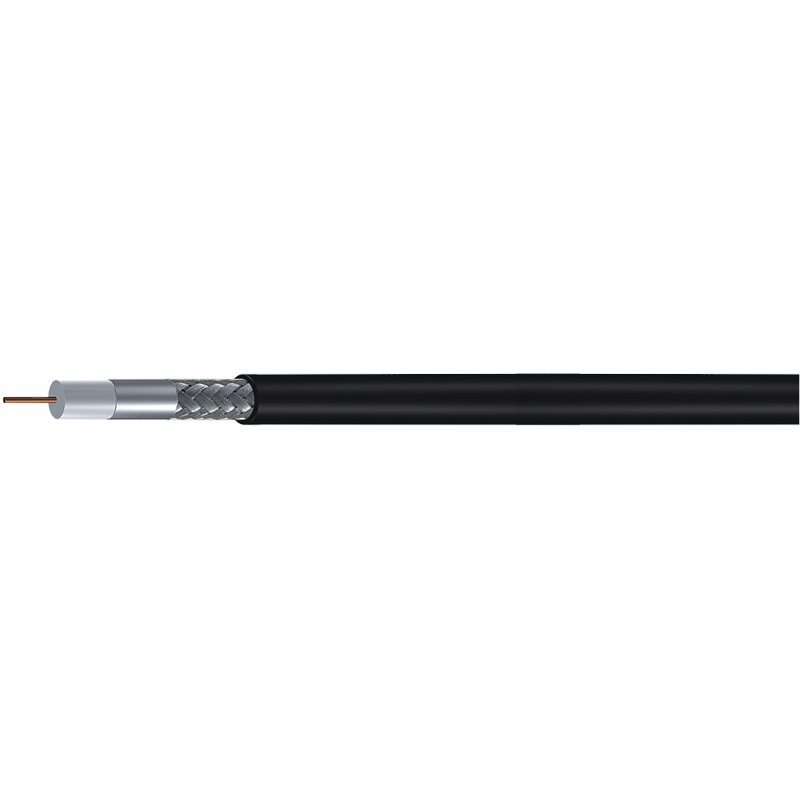
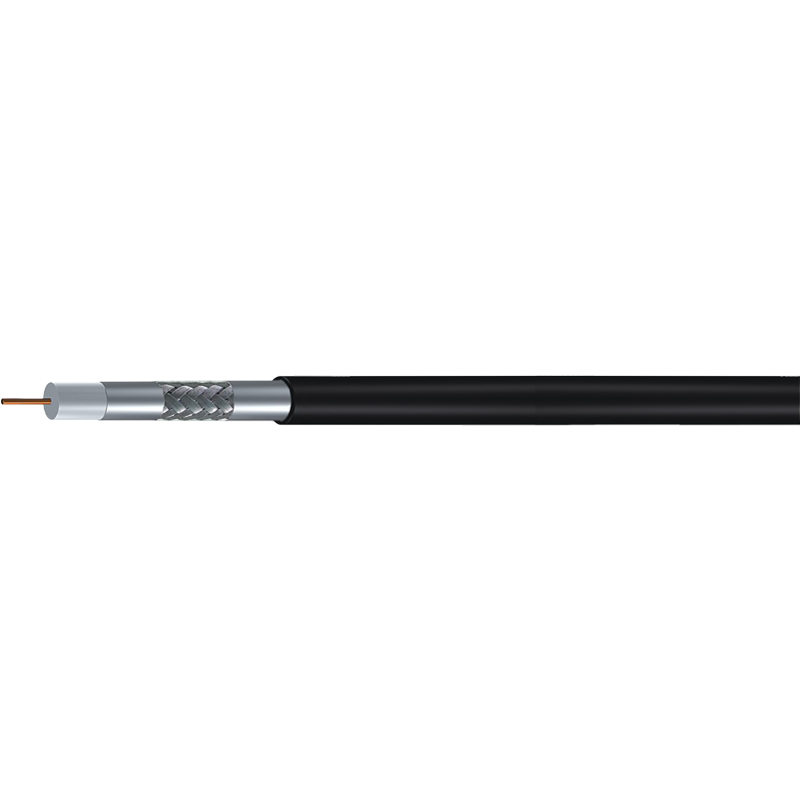
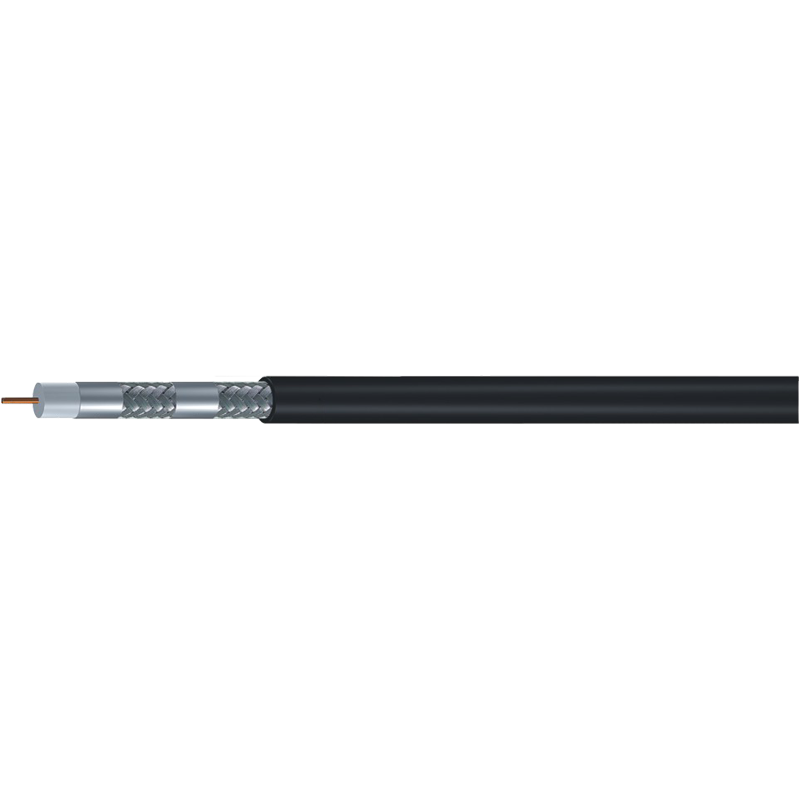
Coaxial cable is one of the most reliable transmission mediums ever designed, but the "all coax is the same" impression comes from the fact that the basic geometry never changes: a center conductor, a dielectric layer, a metallic shield, and a protective jacket. What varies is the quality, dimension, and arrangement of those layers, and those variations change everything about how the cable performs.
The Short Answer: They Are Not the Same
All coaxial cables share the same anatomy, but their specifications can differ dramatically. Three variables matter more than any others when you select cable for a real project: characteristic impedance, shielding configuration, and conductor quality.
Impedance determines whether the cable electrically matches the equipment on both ends. Shielding determines how much interference the cable rejects and how much signal energy stays inside. Conductor quality and thickness determine attenuation, the amount of signal lost over distance.
A coaxial cable delivers only what its design permits. The best cable is not the most expensive one; it is the one whose impedance, shielding, and conductor match the job you ask it to do.
This is why experienced installers never buy coax by appearance alone. They read the jacket imprint, confirm the impedance, and check the shield and conductor before cutting a single meter.
Impedance: The 50-Ohm vs. 75-Ohm Divide
Characteristic impedance is the most fundamental specification of a coaxial cable. It is set by the ratio between the conductor diameter and the shield diameter, combined with the dielectric constant of the insulation between them. In practice, you will encounter two values in the field: 75 ohms and 50 ohms.
- 75-ohm cables are the standard for video, television, satellite, and CCTV. RG6, RG59, and RG11 belong to this family. They match the input impedance of TVs, cable modems, and most video equipment.
- 50-ohm cables are the standard for RF and wireless systems: antennas, two-way radios, Wi-Fi backhaul, and LTE infrastructure. LMR-400 and RG58 are common examples.
Impedance mismatch is one of the most common sources of signal trouble. When a 75-ohm signal path meets a 50-ohm component, part of the signal reflects back toward the source instead of passing through, weakening what reaches the receiver.
Warning. A splitter, coupler, or cable segment with the wrong impedance can undo every other component in the chain. Confirm the impedance before you cut, crimp, or terminate anything.
Shielding and Conductor Quality
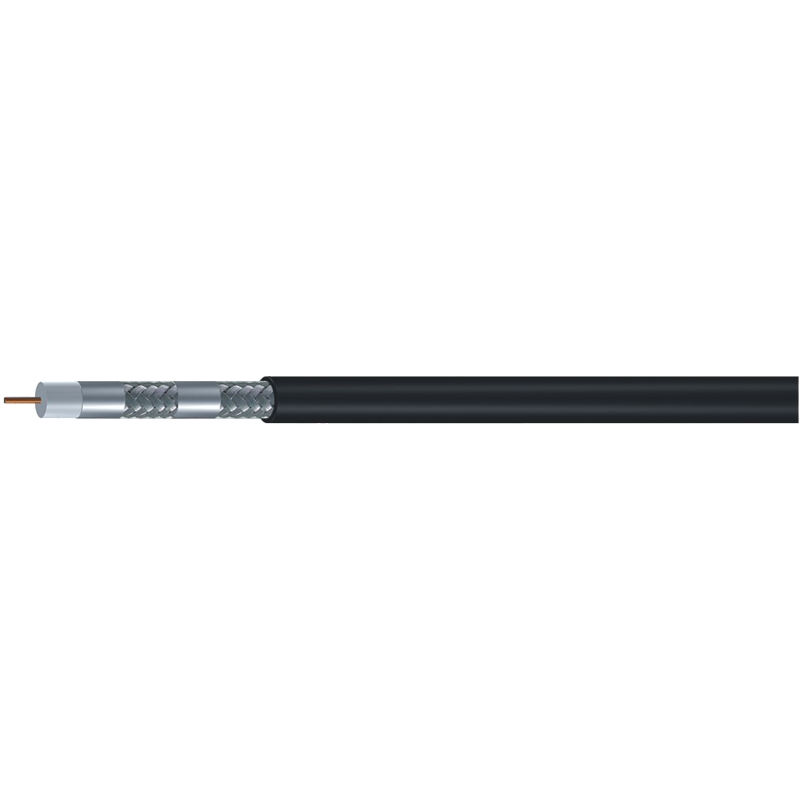
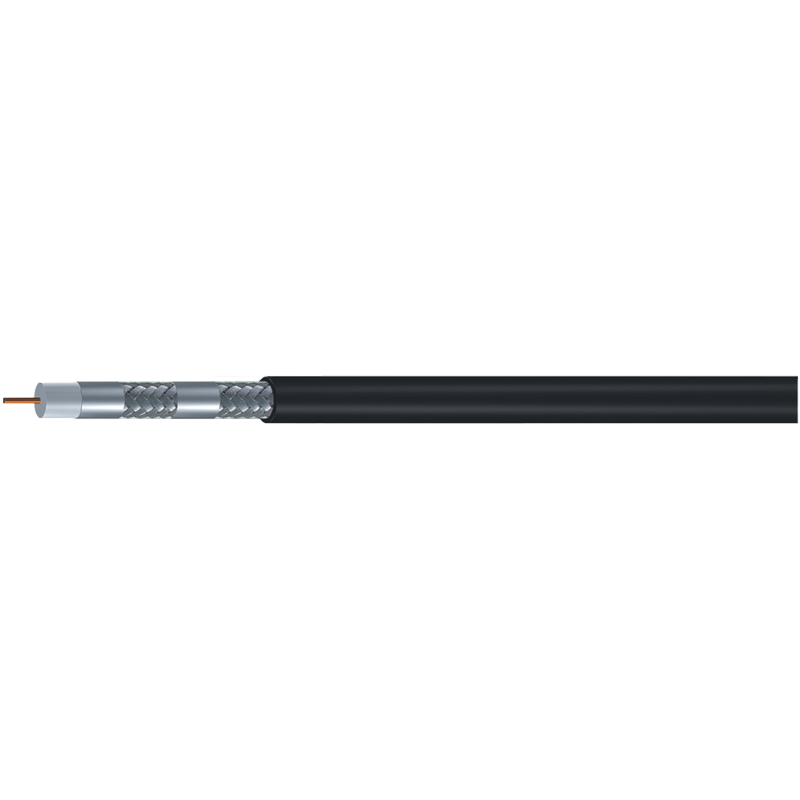
The shield keeps the signal inside the cable and keeps interference out. It is also where manufacturers save the most money. A standard-shield cable uses a single layer of aluminum foil and a light copper braid. Trishield adds a second foil layer, and quadshield uses two foils plus two braids.
- Standard shield: one foil plus one braid. Acceptable for short indoor patch leads and low-frequency signals.
- Trishield: two foils plus one braid. A balanced choice for residential TV and cable modem feeds.
- Quadshield: two foils plus two braids. The right choice for high-interference environments, long runs, and modern data signals.
Conductor quality matters just as much. Solid bare copper carries high-frequency signals with the lowest loss, but it costs more. Copper-clad steel is cheaper and mechanically stronger, yet it shows noticeably higher attenuation at higher frequencies. If a quote looks too good to be true, ask whether the center conductor is solid copper or copper-clad steel.
RG Ratings: RG6 vs. RG59 vs. RG11 vs. RG58
The label printed on the jacket tells you a lot if you can read it. RG stands for "Radio Guide," a legacy military designation that became a loose naming convention. Each RG number corresponds to a specific physical construction, which is exactly why treating all coax as identical fails in practice.
| Type | Impedance | Relative diameter | Typical use |
|---|---|---|---|
| RG59 | 75 ohm | Thin | Short CCTV runs, composite video |
| RG6 | 75 ohm | Medium | TV, satellite, cable modems |
| RG11 | 75 ohm | Thick | Long runs, high-bandwidth trunk feeds |
| RG58 | 50 ohm | Thin | RF patch leads, test equipment |
RG6 is the default for modern 75-ohm systems. It carries more signal at higher frequencies than RG59 and fits standard F-connectors. RG59 still has a place in short CCTV runs and legacy analog video, but it is not a good choice for long distances or modern data speeds. RG11 is thicker, stiffer, and more expensive, but its lower attenuation makes it the right tool for long outdoor runs.
Matching the Cable to the Application
Once impedance, shielding, and RG rating are clear, selection becomes a matching exercise. The application tells you which cable to specify.
- Television and satellite: use RG6 with strong shielding, preferably quadshield, for the drop from the wall plate to the TV or receiver. For long outdoor feeder runs, step up to RG11.
- Cable internet: cable modems run on 75-ohm RF signals, so RG6 is the minimum. Modern data services benefit from quadshield construction and solid copper conductors.
- CCTV: short runs work fine with RG59, and composite cables that combine video with power simplify camera installation considerably. For longer distances, RG6 or RG11 with dedicated power is safer.
- RF and wireless: antennas and radio equipment need 50-ohm cables with low loss per meter, such as LMR-400 or equivalent low-loss designs.
For CCTV in particular, the cabling decision affects video quality over distance. A power-combined RG59 cable reduces installation time because the installer pulls one cable instead of two.
Length, Connectors, and Outdoor Runs
Every cable attenuates signal as it gets longer, and the thinner the cable, the faster the loss accumulates. A 50-meter run of RG59 may lose so much signal at modern frequencies that the receiver cannot lock on, while RG6 or RG11 handles the same distance without issue.
Connectors matter as well. F-type connectors dominate 75-ohm video work, BNC is common for CCTV and test gear, and N-type or SMA connectors appear on RF systems. A quality cable is wasted if the connector is crimped with the wrong tool or sized for the wrong diameter.
Safety. Never run coaxial cable inside the same conduit as mains power. The risk of electrical shock, fire, and destructive interference is not worth any convenience.
Best practice. The best coax installation is the one you do once and forget about. That usually means spending a little more on shielding, connectors, and weatherproofing than the minimum quote suggests.
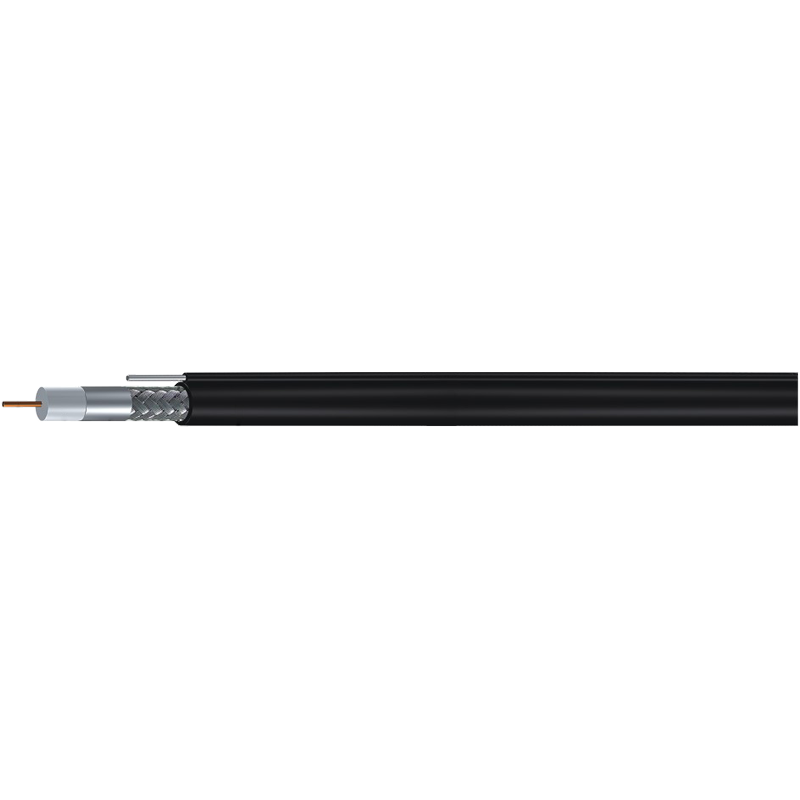
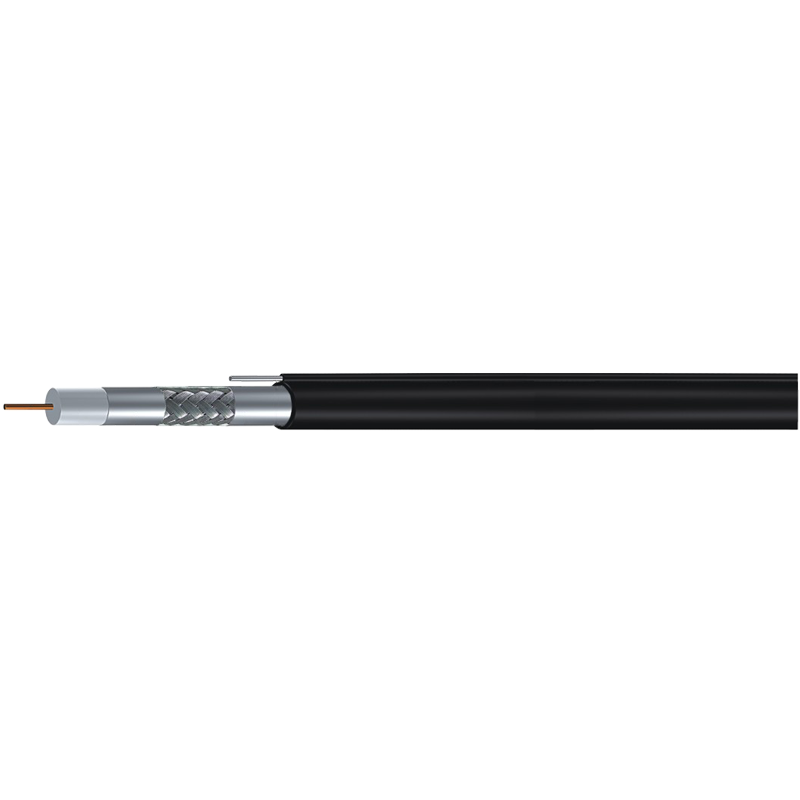
Outdoor runs add another layer. Cable mounted on a wall or rooftop needs a UV-stabilized jacket, and an aerial version with a messenger wire makes sense when the run spans between buildings. Indoor-rated cable exposed to direct sunlight can crack within a season or two, letting moisture into the dielectric and turning a clean signal path into a noise source.
A Simple Buying Checklist
Instead of asking "are all coaxial cables the same?" treat every purchase as a specification exercise. Before you order, confirm four things.
- Confirm the impedance: 75 ohm for TV, satellite, cable internet, and CCTV; 50 ohm for RF and wireless.
- Choose the RG type by run length: short runs RG59 or RG6, long and high-frequency runs RG11, RF links in the 50-ohm family.
- Check the shield and conductor: quadshield for interference-prone sites, solid bare copper for minimum attenuation.
- Verify the jacket rating and certifications: outdoor-rated for exterior work, with UL, CE, RoHS, or other applicable marks confirmed before installation.
Suppliers should provide attenuation data, shielding construction details, and certification documents. If they cannot answer these questions, the cable is probably not worth the risk. The price difference between a cheap roll and a properly specified one is small compared with the labor cost of re-pulling a failed run.
For a more detailed walkthrough of the selection process, see our guide on how to choose coaxial cable.
Note. When in doubt, choose the cable that exceeds the requirement. Upgrading from standard to quadshield costs little; a second visit to fix a marginal installation costs a lot.
The Bottom Line
Coaxial cables are not all the same. They share a common geometry, but impedance, shielding, conductor quality, and jacket rating define whether a cable serves you for years or fails when the system needs it most. For 75-ohm video and data systems, choose RG6 or RG11 with shielding matched to the environment. For RF and wireless work, use a 50-ohm low-loss cable, and think about attenuation before you buy, not after the signal drops.
Working with a manufacturer like Zhejiang CommSpace Cable Co., Ltd. makes the specification side easier: one supplier can provide RG6, RG59, RG11, 50-ohm RF cables, CCTV composite cables, and the documentation that proves each one meets its stated performance. Buy the right cable for the right job, verify the numbers, and your coax will do its job quietly for decades.