When it comes to high-speed data transmission above 10 Gbps, twin-axial (twinax) cable is generally the superior choice for short-reach interconnects, while the 50 Ohm Coaxial Cable remains dominant in RF, wireless infrastructure, and longer-distance signal routing. The two cable types are engineered for different purposes, and understanding where each excels will save engineers significant cost, rework, and signal integrity headaches.
This article breaks down the performance differences across the metrics that matter most: insertion loss, impedance matching, reach, EMI shielding, cost, and real-world deployment scenarios — with concrete data to back up every comparison.
What Each Cable Is Designed For
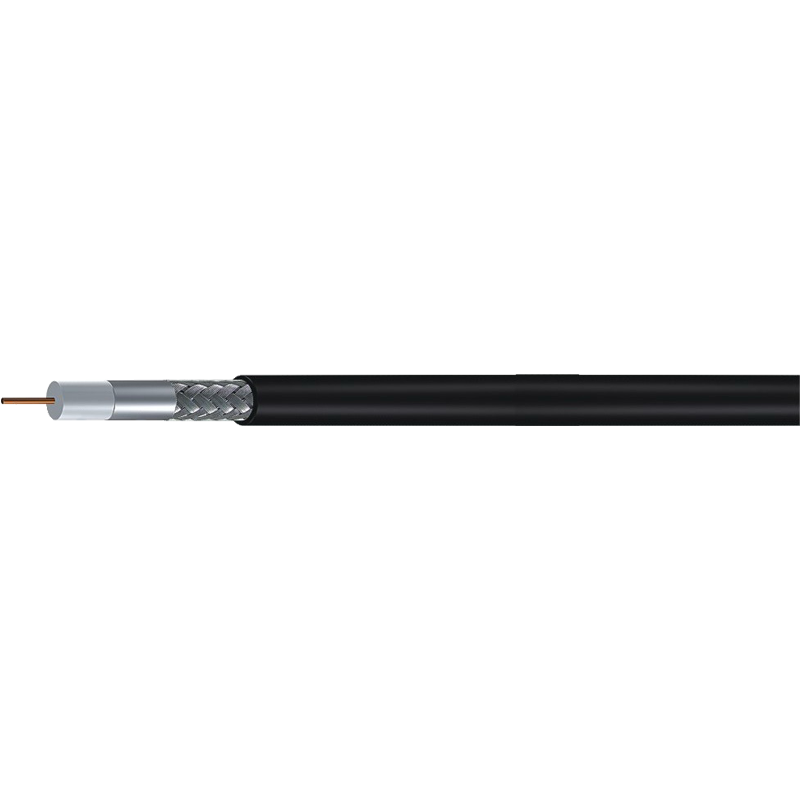
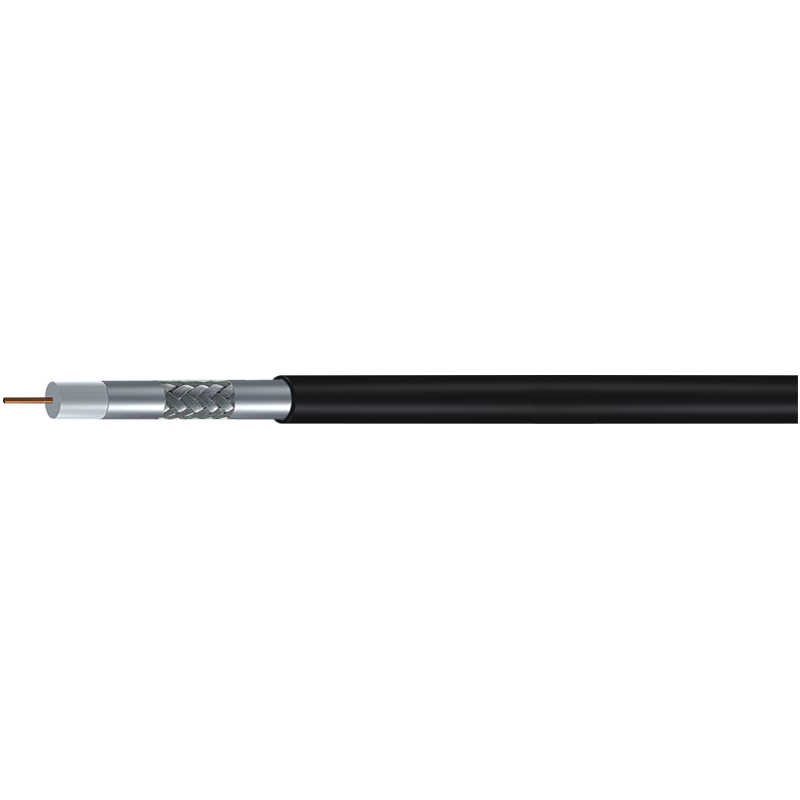
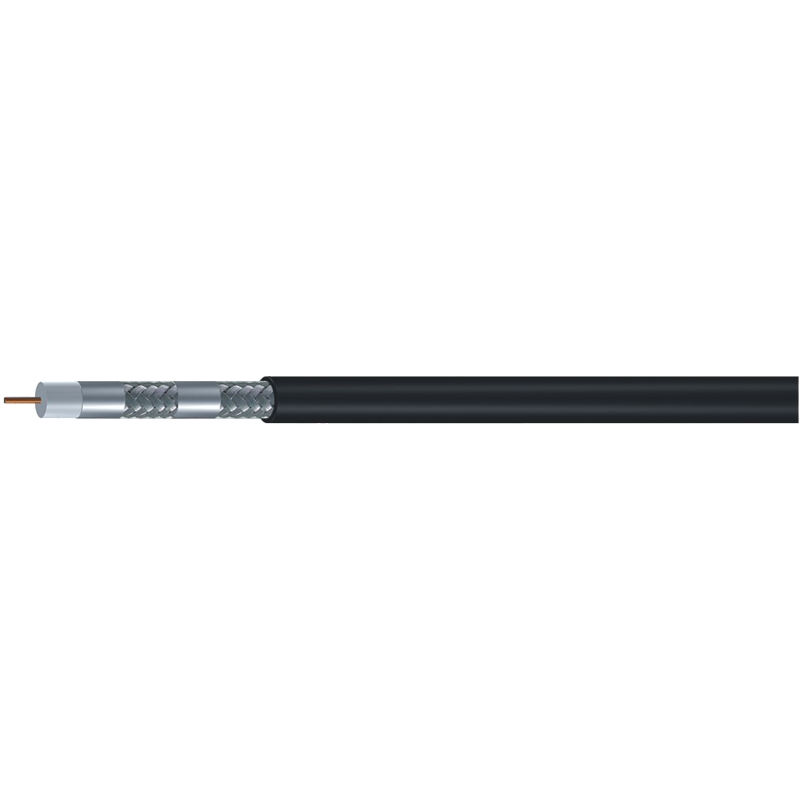
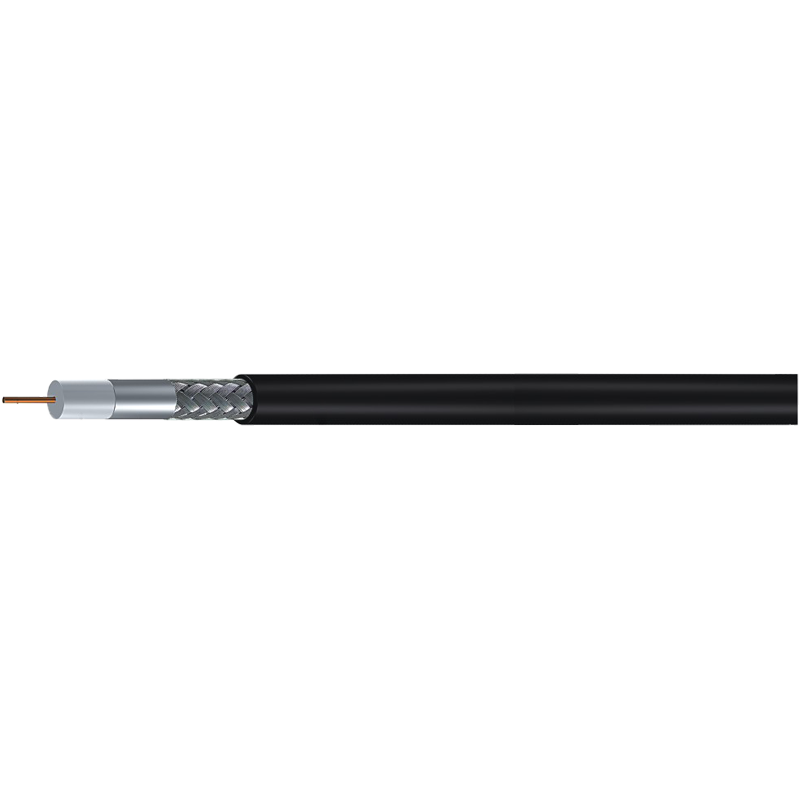
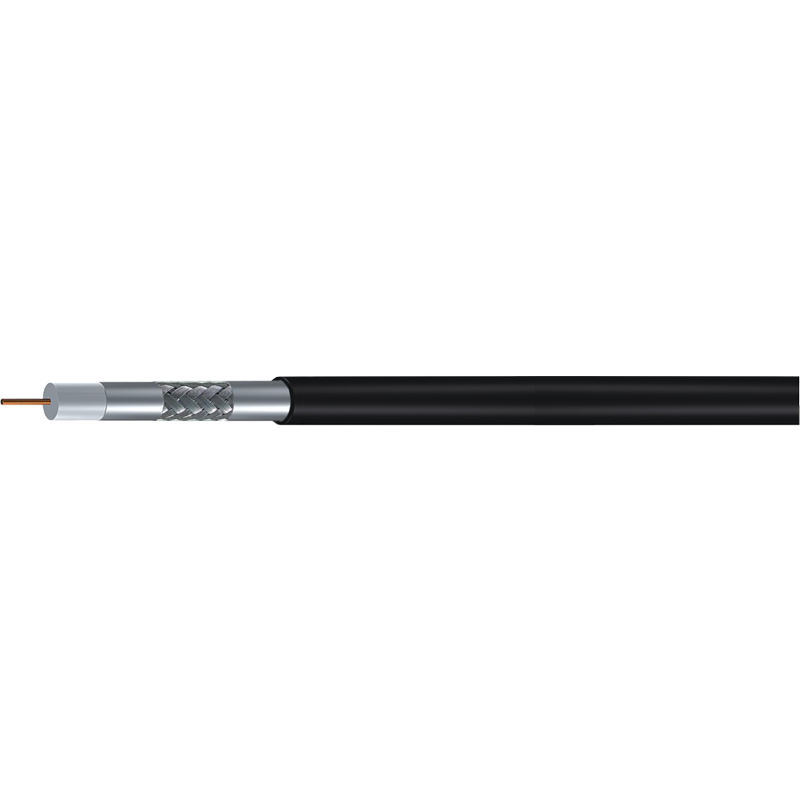
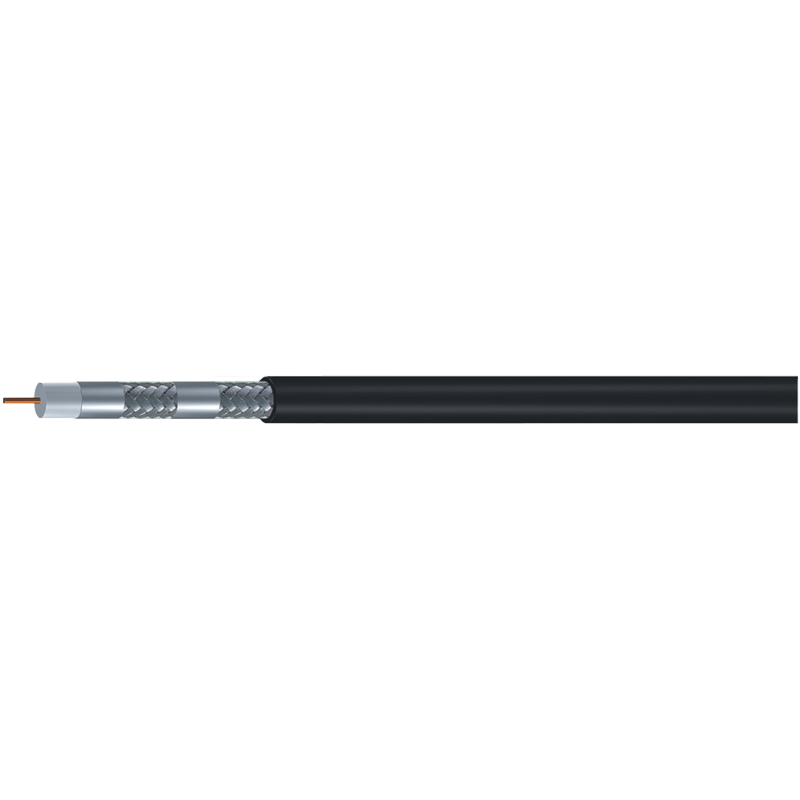
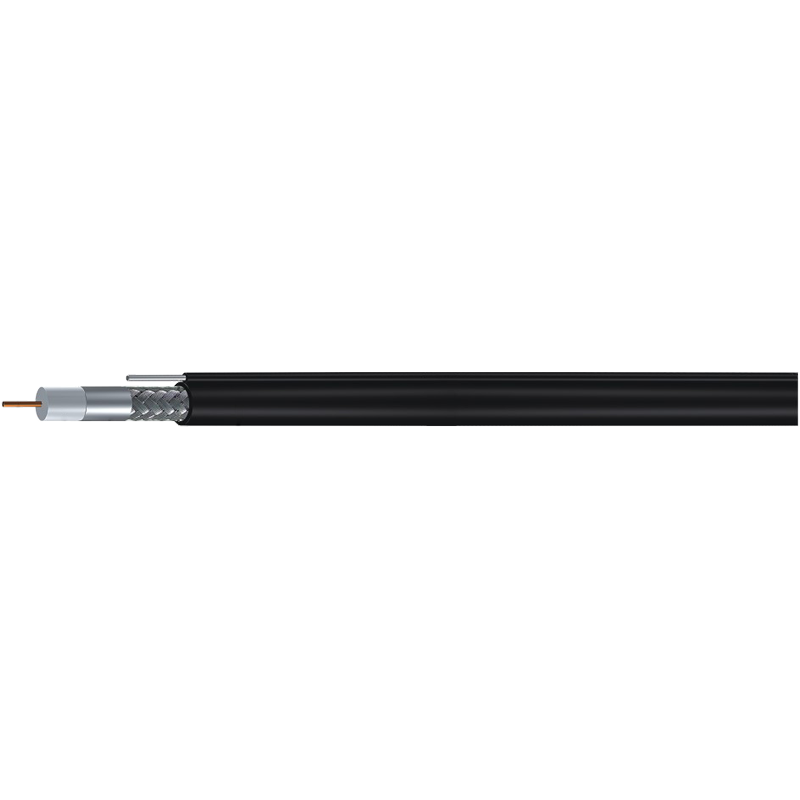
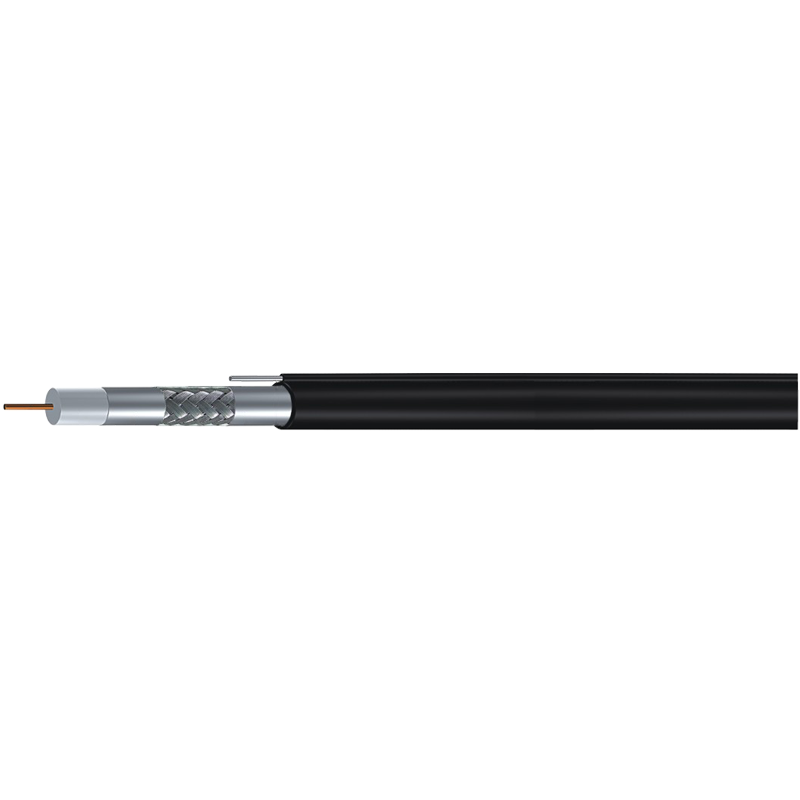
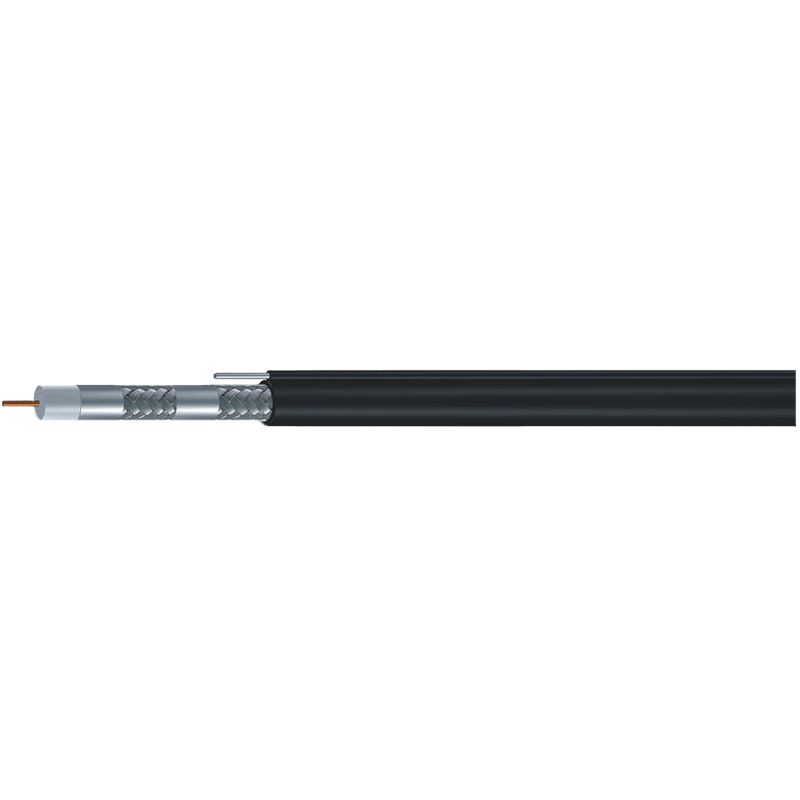
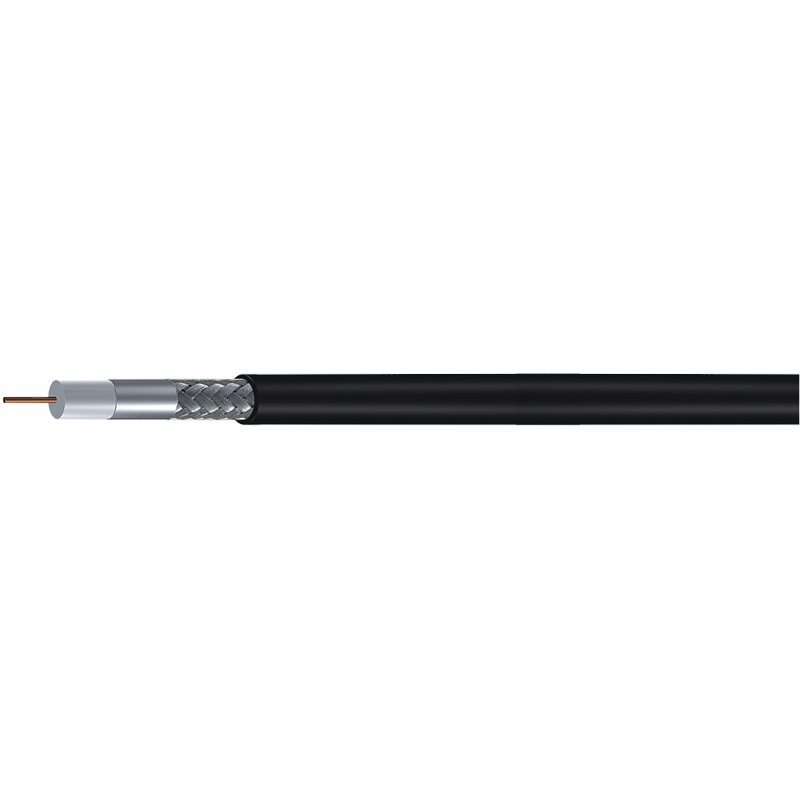
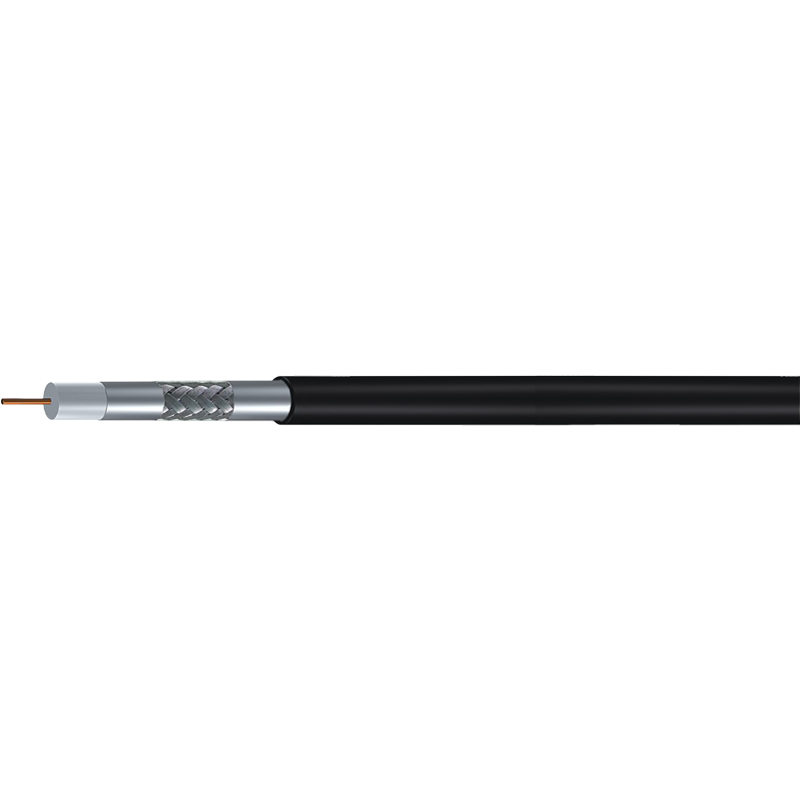
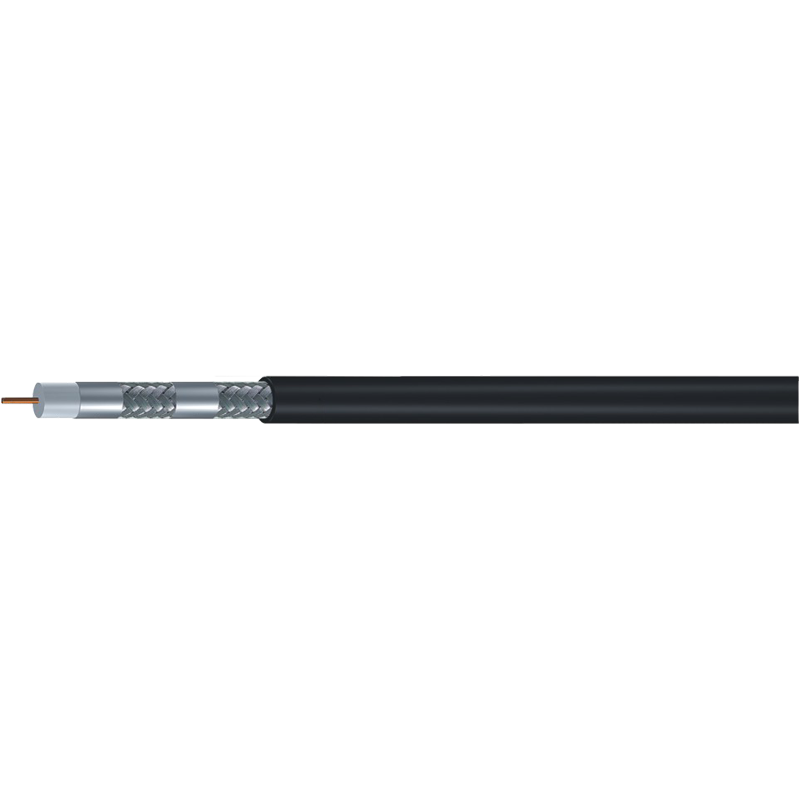
A 50 Ohm Coaxial Cable is a single-conductor transmission line surrounded by a dielectric insulator, a metallic shield, and an outer jacket. Its 50-ohm impedance is the industry standard for RF and microwave systems, striking a balance between power handling and low attenuation. It is the backbone of communication cables used in antenna feeds, test equipment, cellular base stations, and radar systems.
Twinax cable, by contrast, consists of two inner conductors sharing a single outer shield. It is a balanced differential-pair cable, specifically optimized for short-distance, high-speed digital data links — think data center interconnects, SFP+ direct attach cables (DAC), and high-density server backplane connections.
Insertion Loss: Where the Numbers Tell the Story
Insertion loss is the most critical parameter for any high-speed link. Below is a direct comparison between a standard 50 Ohm Coaxial Cable (RG-58 type) and a 26 AWG passive twinax cable across common data rates and reach distances:
| Cable Type | Loss at 5 GHz (dB/m) | Loss at 12.5 GHz (dB/m) | Typical Usable Reach |
|---|---|---|---|
| 50 Ohm Coaxial (RG-58) | ~0.85 dB/m | ~1.5 dB/m | Up to 100m (RF/analog) |
| 50 Ohm Coaxial (LMR-400) | ~0.22 dB/m | ~0.38 dB/m | Up to 300m+ (RF systems) |
| 26 AWG Passive Twinax (DAC) | ~0.6 dB/m | ~1.2 dB/m | Up to 5m (10/25/100 GbE) |
| 24 AWG Active Twinax (DAC) | N/A (active equalization) | N/A (active equalization) | Up to 15m (10/25/100 GbE) |
The key takeaway: at 10 Gbps (Nyquist frequency ~5 GHz) and above, both cable types show comparable raw loss per meter. However, twinax cables are designed as complete system assemblies with impedance-matched connectors pre-terminated at the factory, while a 50 Ohm Coaxial Cable requires careful connector selection, torque management, and often additional signal conditioning for digital baseband applications.
Impedance and Signal Integrity Differences
The 50 Ohm Coaxial Cable uses an unbalanced (single-ended) transmission mode. This works perfectly for RF systems where the signal is referenced to ground, but it introduces common-mode noise susceptibility when used with modern high-speed digital transceivers, which are predominantly differential by design (SERDES, PCIe, USB 3.x, Ethernet PHY).
Twinax, as a differential pair, provides inherent common-mode rejection. This means that any electromagnetic interference picked up by both conductors simultaneously is cancelled at the receiver. In densely packed server environments or near switching power supplies, this can make the difference between a stable 25 Gbps link and one riddled with bit errors.
Impedance Standards
- 50 Ohm Coaxial Cable: 50Ω impedance, matched to RF systems, amplifiers, and antenna ports
- Twinax cable: 100Ω differential impedance (2 × 50Ω), matched to high-speed digital transceivers per IEEE 802.3 and SFF standards
- Mixing these systems without proper baluns or impedance matching networks causes reflections, increasing VSWR and degrading eye diagrams at the receiver
Reach and Data Rate: Practical Deployment Limits
One of the most misunderstood aspects of the 50 Ohm Coaxial Cable vs twinax debate is the concept of "reach." Coaxial cable can physically run hundreds of meters — LMR-400 can handle RF signals at 900 MHz over 300 meters with acceptable loss. But for digital NRZ or PAM4 data above 10 Gbps, the accumulated intersymbol interference (ISI) at those distances closes the eye diagram entirely, making reliable reception impossible without active equalization.
Passive twinax direct attach cables (DAC) used in 10GBase-CR, 25GBase-CR, and 100GBase-CR4 applications are standardized for the following passive reach:
- 10 Gbps: up to 5 meters passive, 15 meters active
- 25 Gbps: up to 3 meters passive, 5 meters active
- 100 Gbps (4-lane): up to 5 meters passive per lane
- 400 Gbps (8-lane PAM4): up to 3 meters passive
The 50 Ohm Coaxial Cable, when used with proper RF-to-digital conversion hardware and equalization DSP, can support 10 Gbps digital signals over 10–20 meters in specialized applications such as broadcast SDI (SMPTE 2082 specifies 12G-SDI over 75 Ohm coax), but this is an exception rather than a general-purpose solution. As a category of communication cables, coaxial designs are optimized for continuous-wave RF rather than burst-mode digital protocols.
EMI Shielding and Noise Immunity
The 50 Ohm Coaxial Cable typically provides shielding effectiveness of 40–100 dB depending on shield construction (braid vs. foil vs. double-shield). This makes it excellent for protecting sensitive analog RF signals from external interference.
Twinax cables use a combined foil-plus-braid outer shield and achieve similar shielding effectiveness (typically 60–90 dB), but their primary noise immunity advantage comes from differential signaling rather than the shield alone. In environments where both cables face identical external interference:
- The 50 Ohm Coaxial Cable suppresses interference via shielding only; any noise that penetrates appears directly on the signal
- Twinax suppresses interference via both shielding and common-mode rejection at the receiver, providing an additional 20–40 dB of effective noise rejection for differential signals
Cost, Flexibility, and Installation Considerations
From a total installed cost perspective, twinax DAC assemblies offer a compelling advantage for short-reach data center links. A 3-meter passive 100G QSFP28 twinax DAC typically costs $15–$40, compared to $200–$600 for an equivalent optical transceiver pair. The 50 Ohm Coaxial Cable is cost-effective for RF distribution but requires professional termination, torque-controlled connector installation, and impedance verification — adding labor cost for every connection point.
Flexibility and Routing
- Twinax DAC cables are lightweight and highly flexible, making them easy to route in dense 1U/2U rack environments with tight bend radii
- The 50 Ohm Coaxial Cable, particularly larger diameter variants like LMR-400 or RG-213, has a minimum bend radius of 25–50mm and is significantly heavier, limiting routing options in compact spaces
- Smaller 50 Ohm Coaxial Cables (RG-58, RG-174) are more flexible but exhibit higher loss per meter, limiting their usefulness above 10 Gbps digital applications
When to Choose a 50 Ohm Coaxial Cable Over Twinax
Despite twinax's advantages in digital links, the 50 Ohm Coaxial Cable remains the correct — and often only — choice in the following scenarios:
- RF and microwave signal distribution: Antenna feeds, LNAs, power amplifiers, and spectrum analyzers all require 50-ohm single-ended coaxial connections
- Long-distance analog signal routing: When signals must travel tens to hundreds of meters without active regeneration
- Cellular and wireless base stations: The RG6 Coaxial Cable and similar designs are widely used in outdoor antenna feeder runs where weathering resistance and low RF loss are priorities — the RG6 Coaxial Cable, though nominally a 75-ohm design, illustrates the broader category of robust outdoor communication cables that coaxial construction enables
- Test and measurement: VNAs, signal generators, and spectrum analyzers interface exclusively via 50 Ohm Coaxial Cable connectors (N-type, SMA, 3.5mm)
- Military and aerospace communication cables: Rugged, shielded 50 Ohm Coaxial Cable assemblies meeting MIL-DTL-17 specifications are standard in airborne and shipboard RF systems
Side-by-Side Summary: 50 Ohm Coaxial Cable vs Twinax
| Parameter | 50 Ohm Coaxial Cable | Twinax Cable |
|---|---|---|
| Signal Mode | Single-ended (unbalanced) | Differential (balanced) |
| Impedance | 50Ω | 100Ω differential |
| Max Passive Reach (10G+) | ~10–20m (with equalization) | 3–5m passive / 15m active |
| Common-Mode Rejection | Shield-only | Shield + differential cancellation |
| Best Application | RF, microwave, antenna systems | Data center, server interconnects |
| Installed Cost (short reach) | Higher (termination labor) | Lower (pre-assembled DAC) |
| Flexibility (small diameter) | Moderate | High |
| Outdoor/Harsh Environment | Excellent (UV/weather-rated jackets) | Limited (indoor-rated) |
There is no universal winner between the 50 Ohm Coaxial Cable and twinax — the correct answer depends entirely on the application. For high-speed digital data links above 10 Gbps within a rack or between adjacent racks, twinax DAC cables are the practical and cost-effective choice. Their differential architecture, pre-terminated factory assemblies, and compatibility with SFP+/QSFP28/QSFP-DD standards make them the default for modern data center switching fabrics.
The 50 Ohm Coaxial Cable, however, is irreplaceable in RF communications infrastructure. As a foundational member of the broader family of communication cables — from flexible RG-58 jumpers to hardline LMR-600 feeder lines — it delivers the impedance consistency, shielding performance, and environmental durability that no twinax product can match in outdoor, long-distance, or high-power RF scenarios. Engineers should select based on the physical layer standard their system demands, not brand familiarity or availability alone.