Protection Against Electromagnetic Interference (EMI)
Electromagnetic interference (EMI) is one of the most common issues that affect video transmission in CCTV systems. EMI can originate from external sources such as nearby electrical equipment, industrial machinery, fluorescent lighting, wireless devices, and power lines. When CCTV Security Camera Coaxial Cable is not adequately shielded, this interference can distort the video signal, resulting in reduced image clarity, signal disruptions, or even complete signal loss.
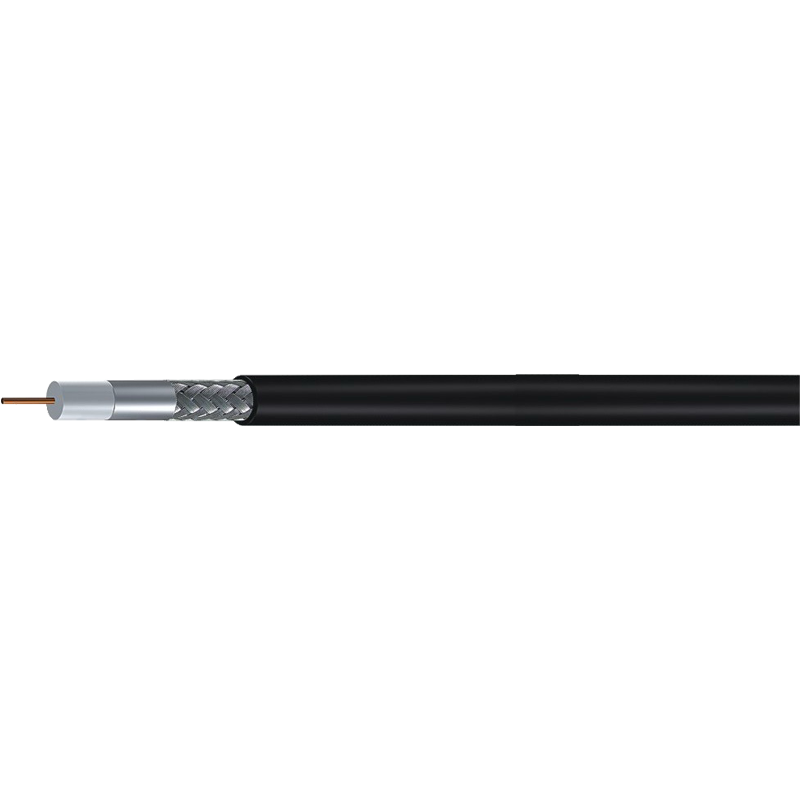
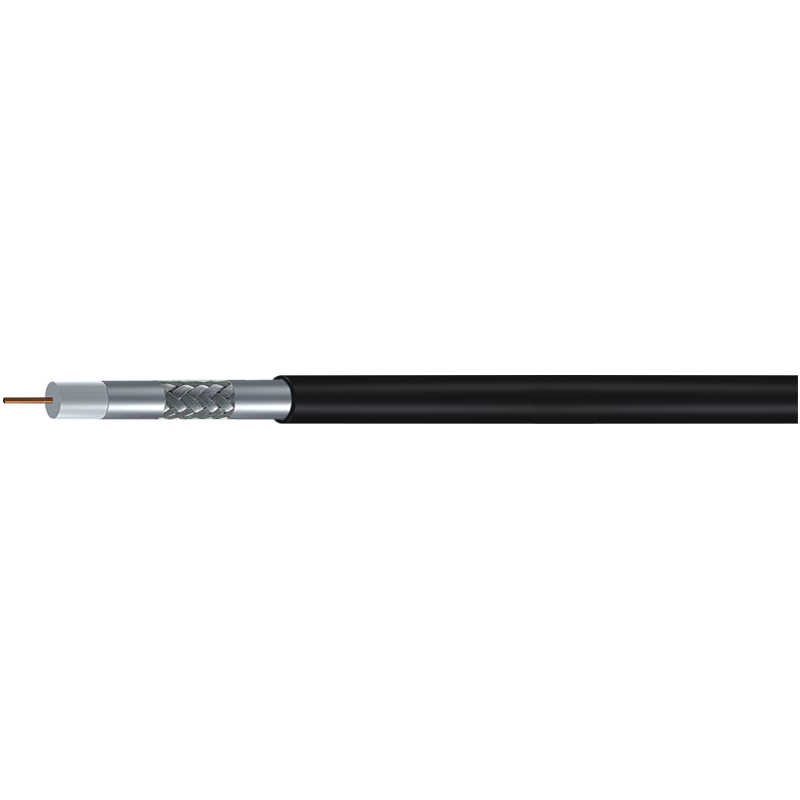
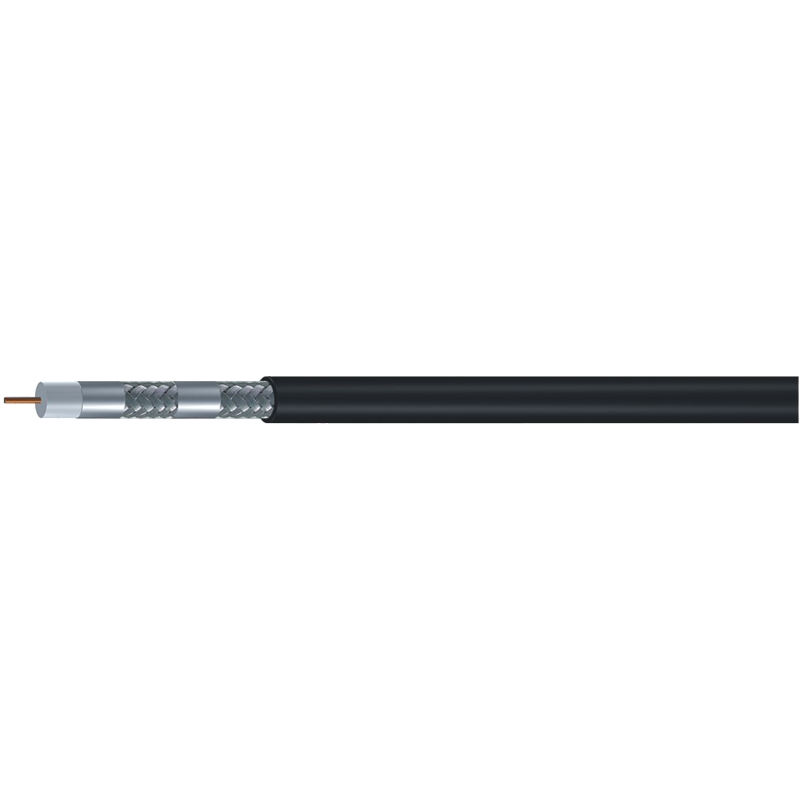
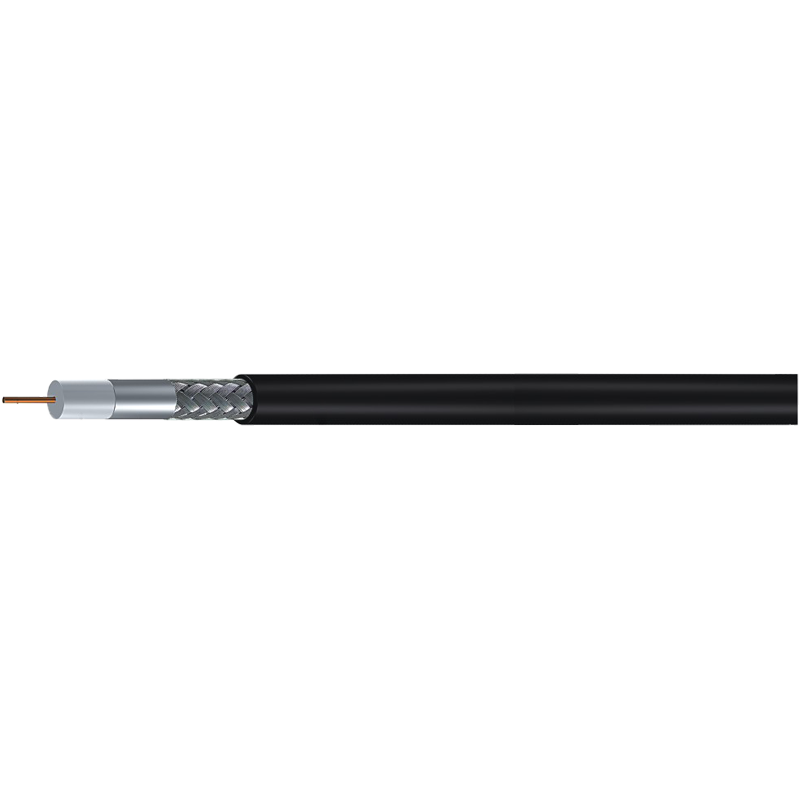
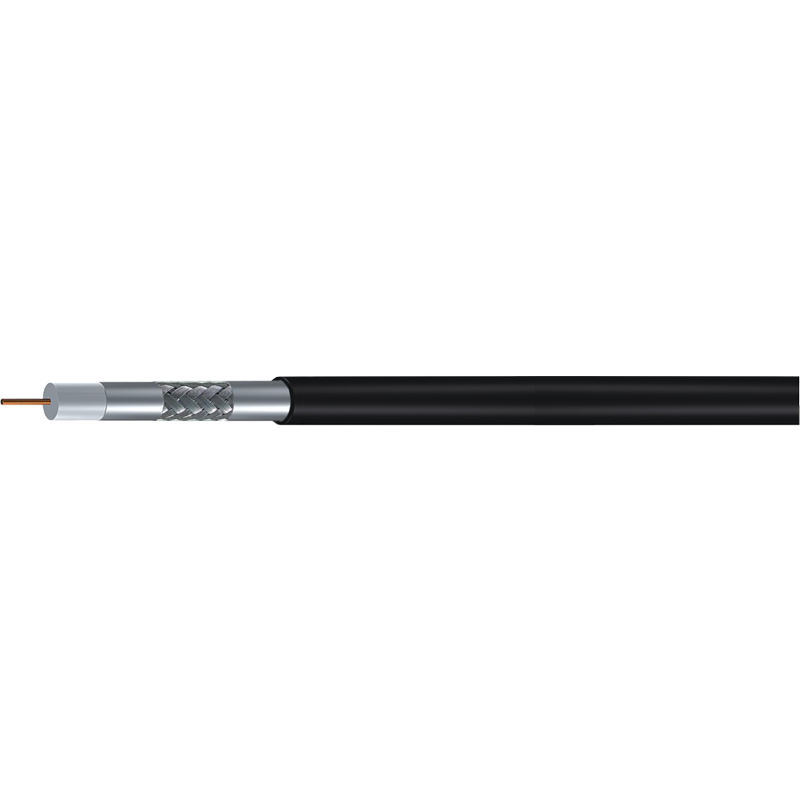
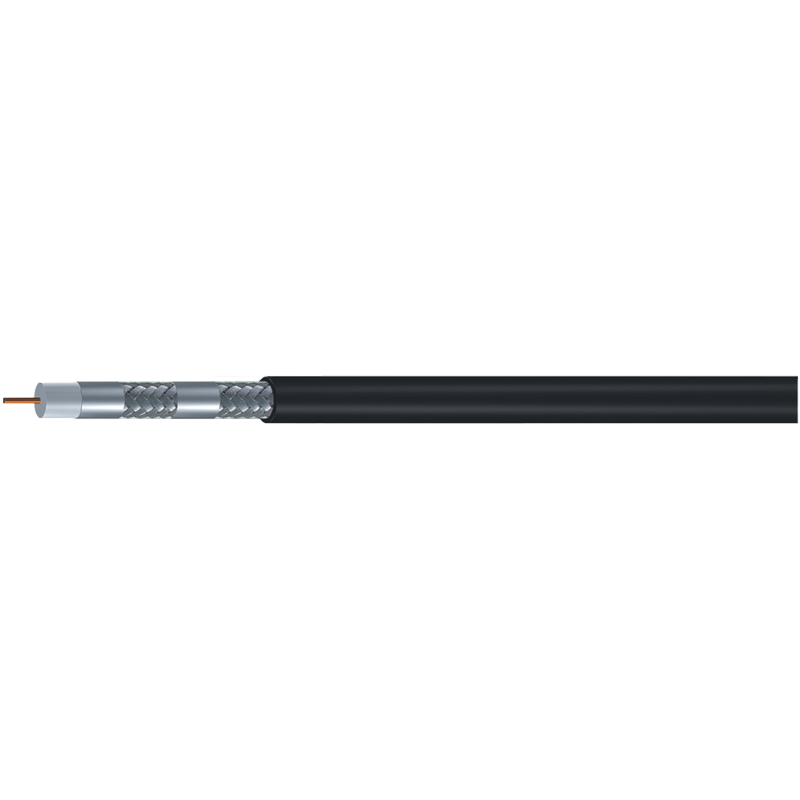
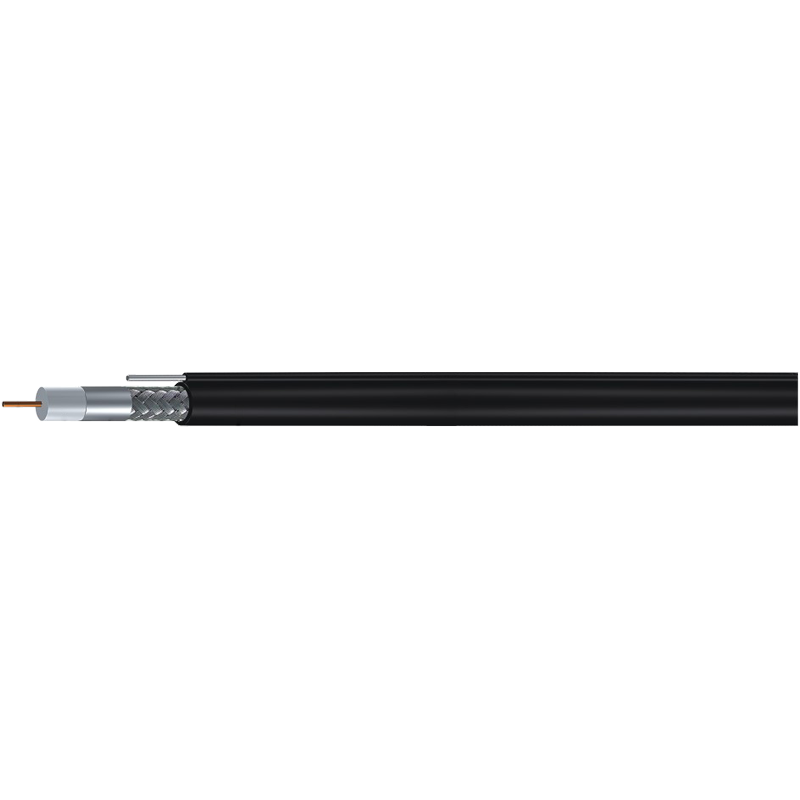
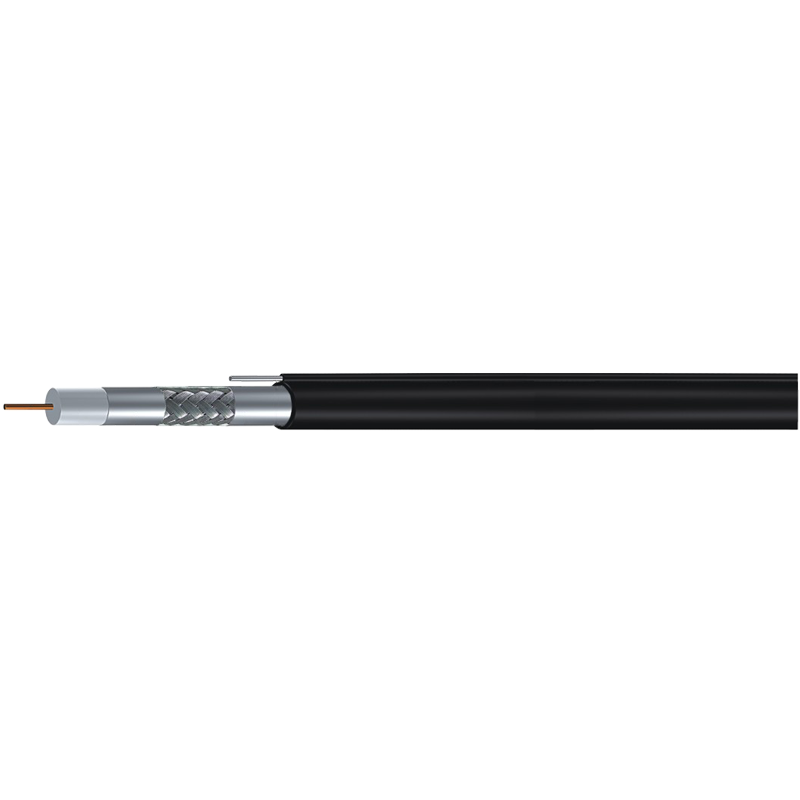
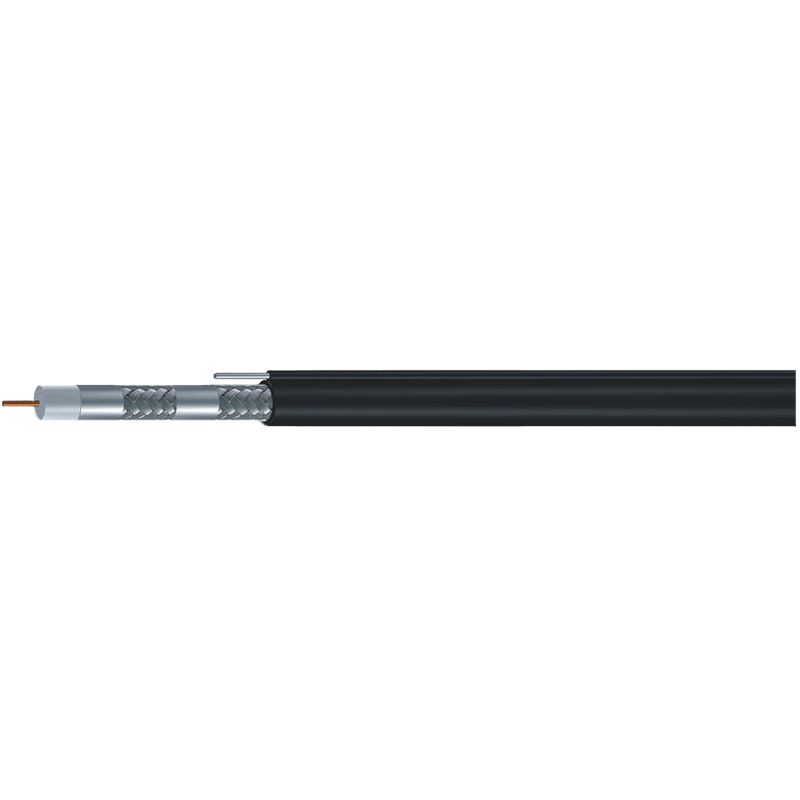
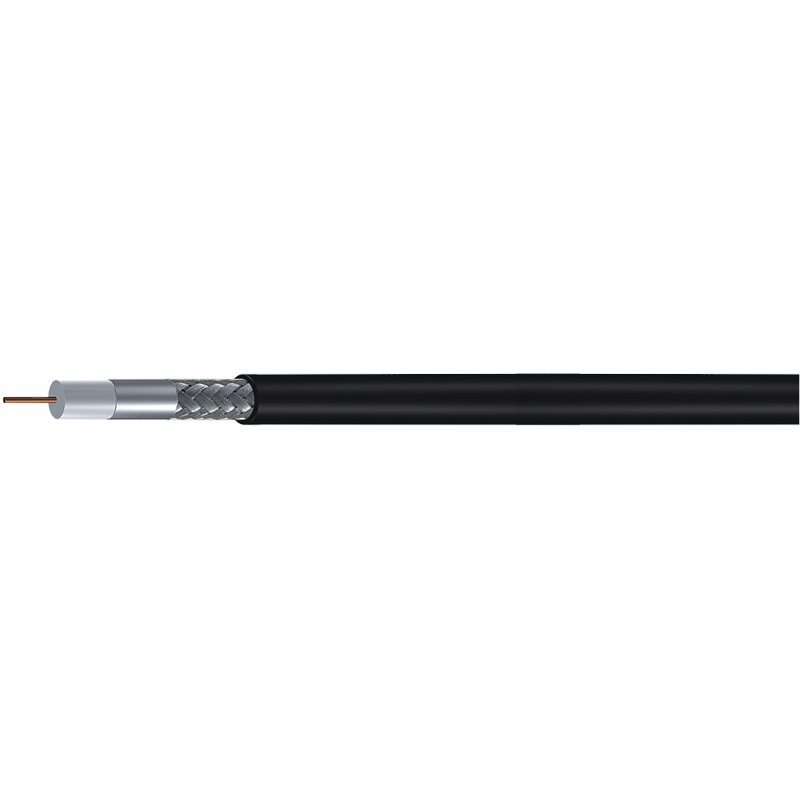
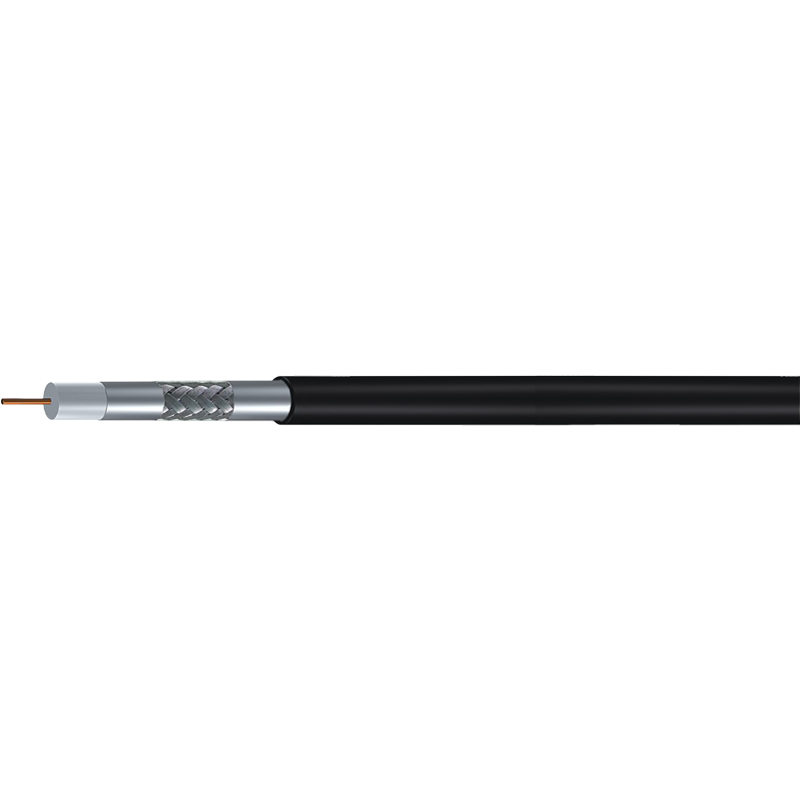
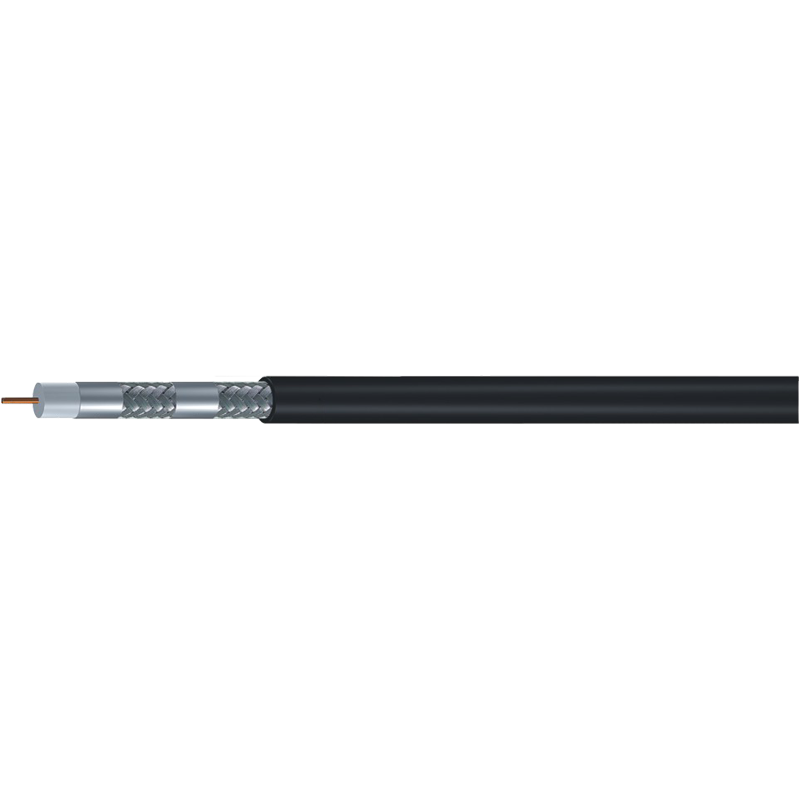
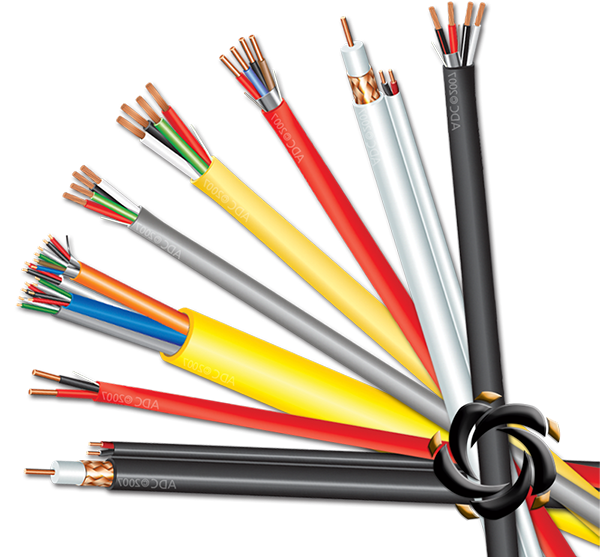
Superior shielding, such as braided copper shields, aluminum foil, or combination shielding, creates a barrier between the inner conductor (which carries the video signal) and external electromagnetic fields. This helps to block unwanted interference and ensures that the signal travels unimpeded, preserving video quality. In high-traffic areas with heavy electrical equipment, this shielding is essential for maintaining consistent, high-definition footage without distortion. By minimizing EMI, shielded coaxial cables ensure that your CCTV system delivers clear, uninterrupted video essential for surveillance operations, especially in environments that demand high-security monitoring.
Improved Signal Integrity Over Long Distances
When coaxial cables are used for long-distance CCTV installations, such as large commercial buildings, expansive outdoor areas, or multi-building complexes, signal integrity can suffer due to attenuation or signal loss. As the video signal travels further, its strength diminishes, causing a degradation in image quality. This is particularly noticeable in analog systems, where signal degradation can lead to poor image resolution and pixelated video.
Superior shielding plays a pivotal role in preserving signal integrity across long distances. By protecting the signal from external interference and reducing the potential for signal leakage, the shielding helps the signal maintain its strength and clarity over long cable runs. For instance, RG6 cables with robust shielding are ideal for long-distance applications due to their lower attenuation rates, ensuring that the video signal remains strong and clear, even when the camera is located far from the DVR or monitoring station. As a result, shielded coaxial cables ensure reliable performance even in large installations, minimizing video degradation over long cable lengths.
Enhanced Durability in Harsh Environments
CCTV installations are often deployed in a variety of environments, some of which may expose the coaxial cable to extreme conditions such as temperature fluctuations, moisture, UV rays, or physical wear. In outdoor installations, cables are exposed to direct sunlight, rain, snow, and humidity, while in industrial environments, they may encounter chemicals, dust, and abrasives. These environmental factors can lead to rapid wear and tear of the cable, ultimately affecting its longevity and the quality of video transmission.
Superior shielding materials, such as weatherproof PVC jackets or UV-resistant coatings, enhance the durability of CCTV coaxial cables by providing a protective outer layer. These materials help prevent oxidation, cracking, and abrasion caused by environmental exposure. The shielding also offers physical protection for the inner conductors, ensuring that the cable remains intact and functional for a longer period. In more challenging environments, such as factories or chemical plants, shielded coaxial cables are designed to withstand the harshest conditions, offering increased protection from environmental hazards and extending the overall lifespan of the installation. This durability is crucial in ensuring that the CCTV system remains functional without frequent replacements or costly repairs.
Prevention of Crosstalk Between Cables
In complex CCTV setups, where multiple cameras are connected through parallel cable runs, crosstalk can become a significant issue. Crosstalk refers to the unwanted transfer of signals between adjacent cables, often resulting in interference, distorted images, or video ghosting, which can significantly compromise the quality of the surveillance footage.
Superior shielding in coaxial cables helps prevent crosstalk by ensuring that the signal within each cable remains isolated from signals in adjacent cables. This is achieved through the use of effective insulation and electromagnetic shielding that prevents the unwanted transmission of signals between cables. With robust shielding in place, CCTV systems benefit from clearer video signals without interference, even when multiple cables are running close to each other. This becomes increasingly important in large installations with multiple cameras, where maintaining the integrity of each camera's video feed is critical for accurate monitoring and surveillance.
Protection Against Power Surges and Lightning Strikes
CCTV cameras, especially those installed outdoors, are vulnerable to power surges and lightning strikes, which can cause significant damage to both the cameras and the entire surveillance system. A power surge may occur due to electrical storms, nearby lightning strikes, or issues with the power grid. These electrical anomalies can send a surge of electricity through the coaxial cable, potentially damaging sensitive electronics.
Superior shielding in coaxial cables helps dissipate the electrical surge safely, protecting the connected equipment from potential damage. Some shielded cables incorporate grounding mechanisms to direct excess voltage away from the system, ensuring that the cable and equipment remain protected. The shielding not only protects the integrity of the video signal but also safeguards the cameras, recorders, and other components from electrical damage, making the system more resilient in outdoor or high-risk environments. For installations in areas prone to thunderstorms or electrical instability, using shielded coaxial cables adds an important layer of protection, minimizing the risk of costly damage.