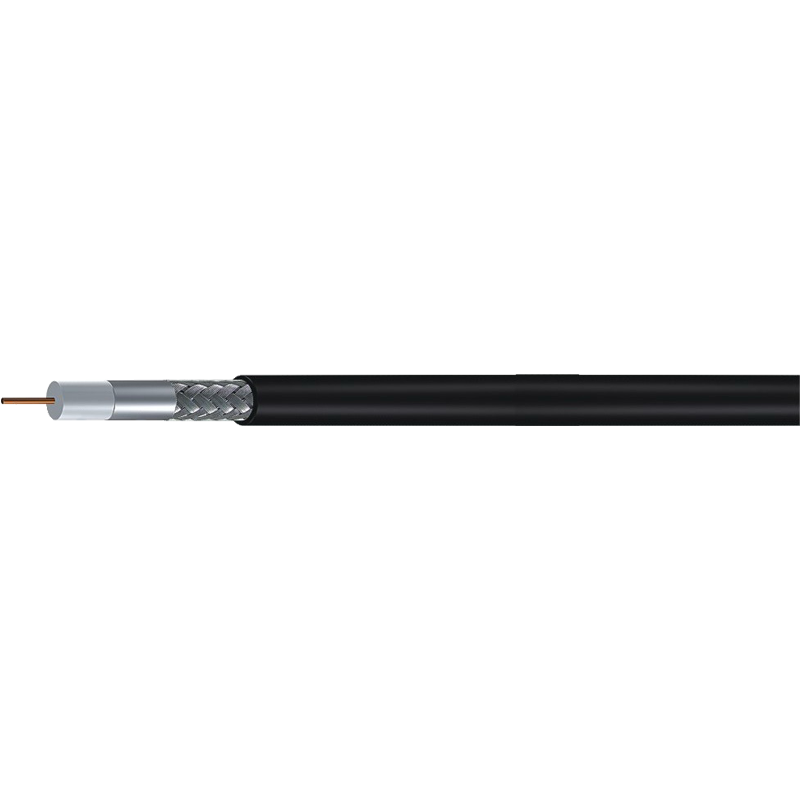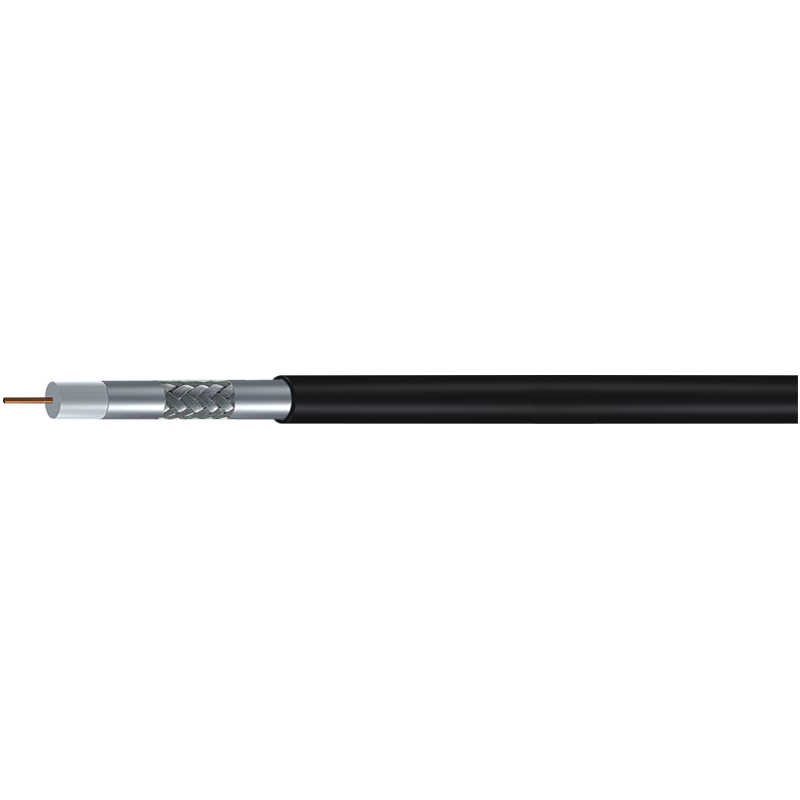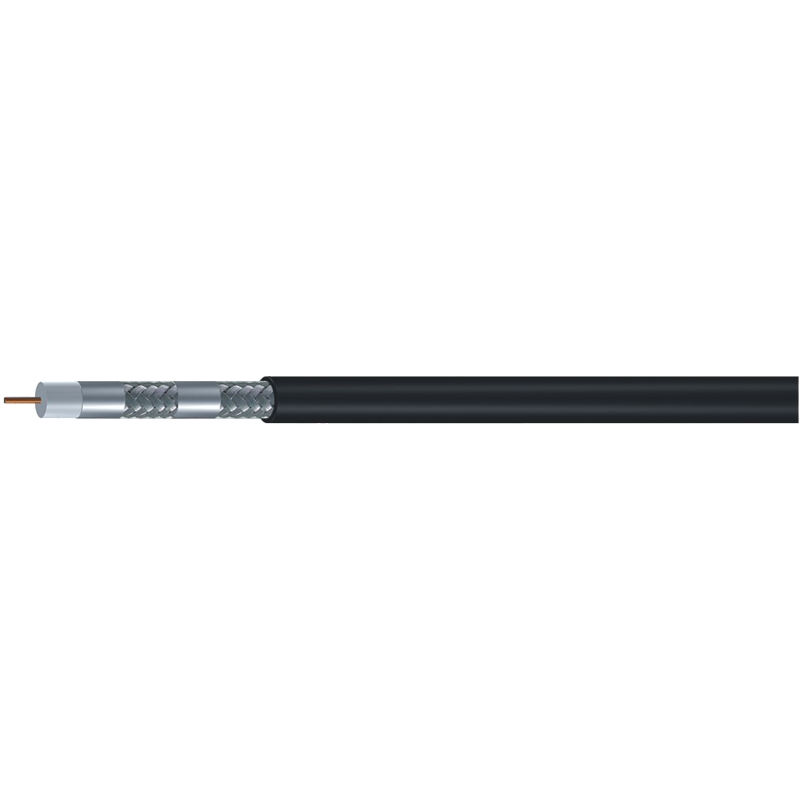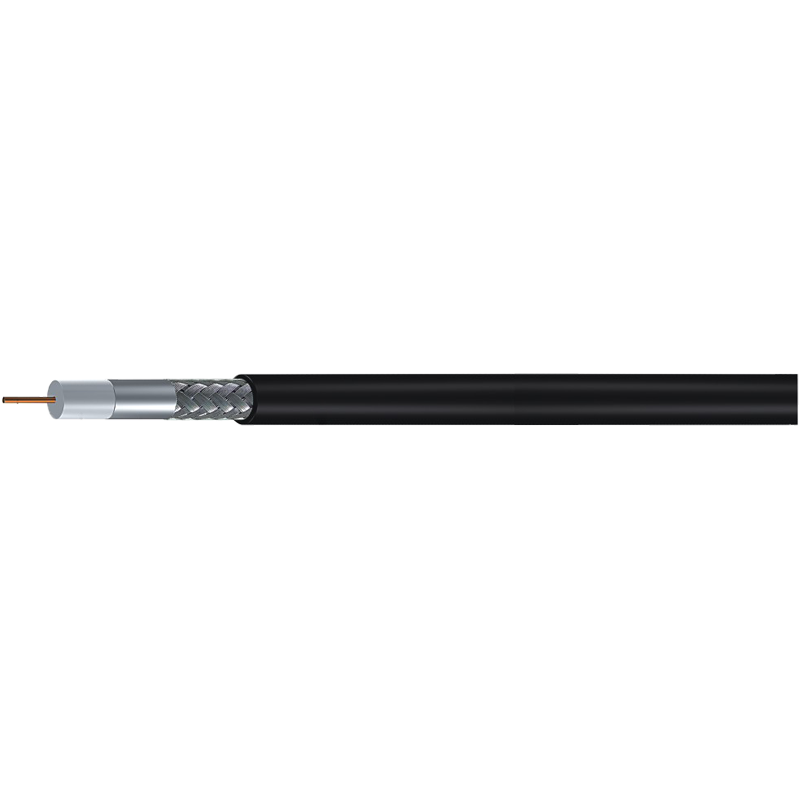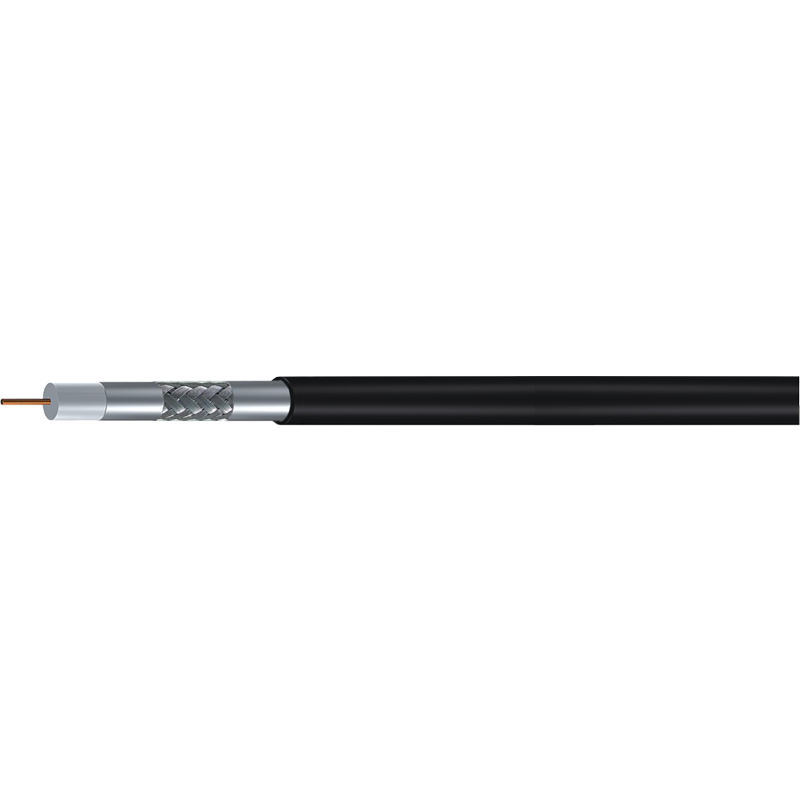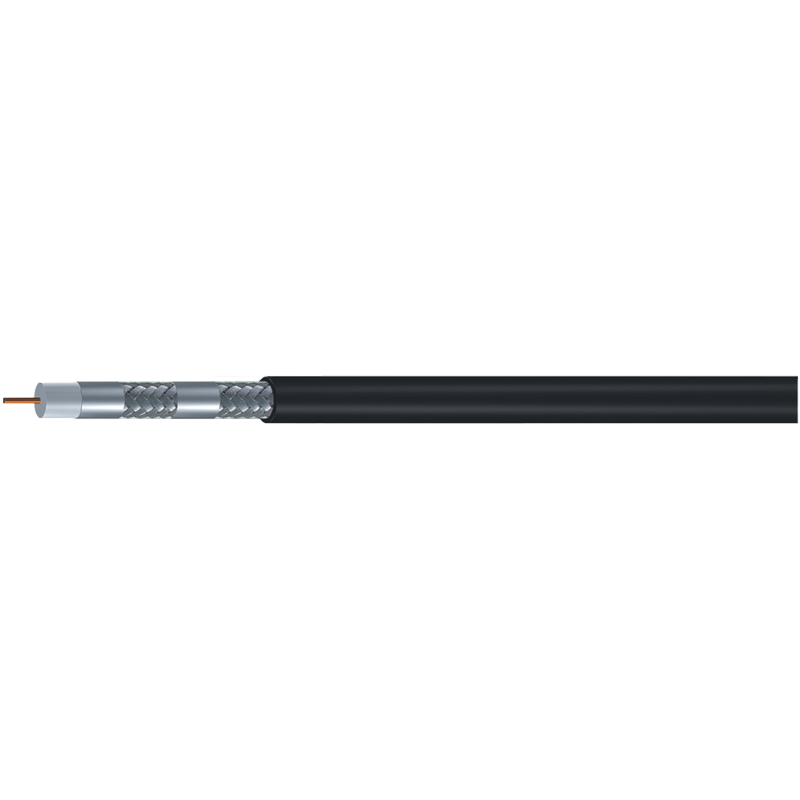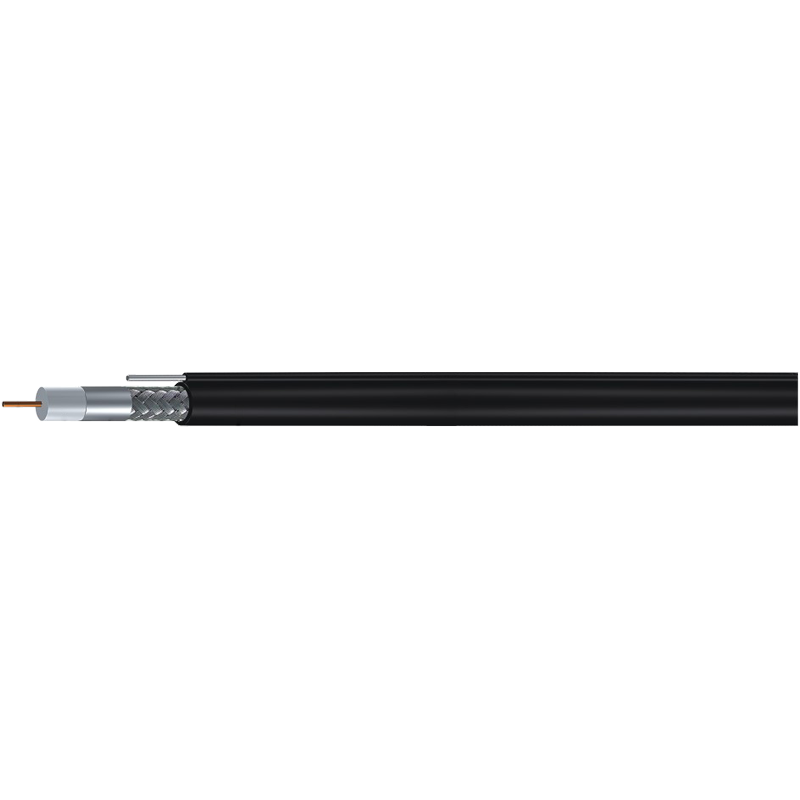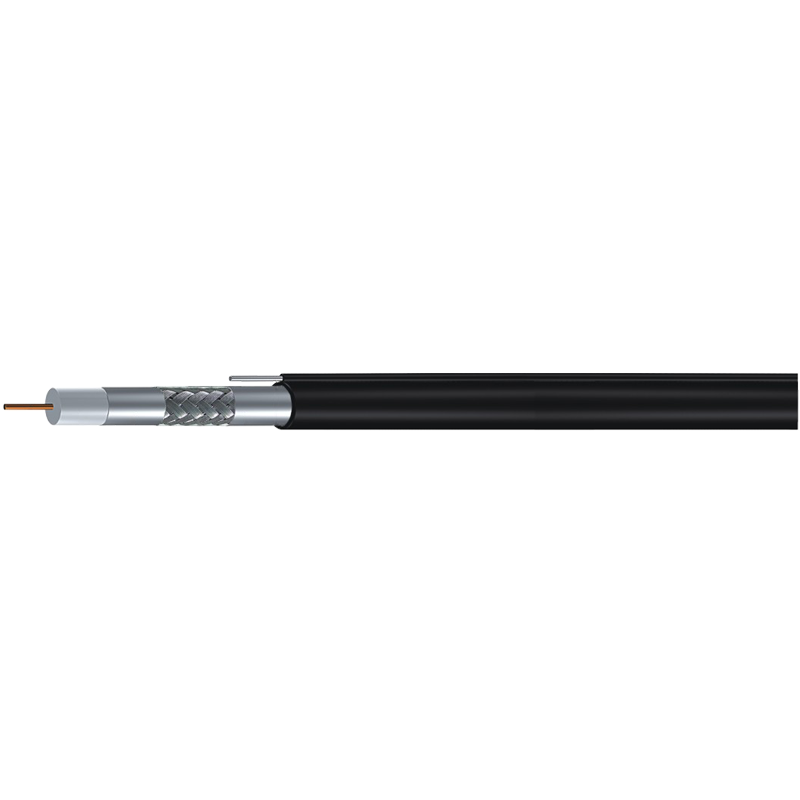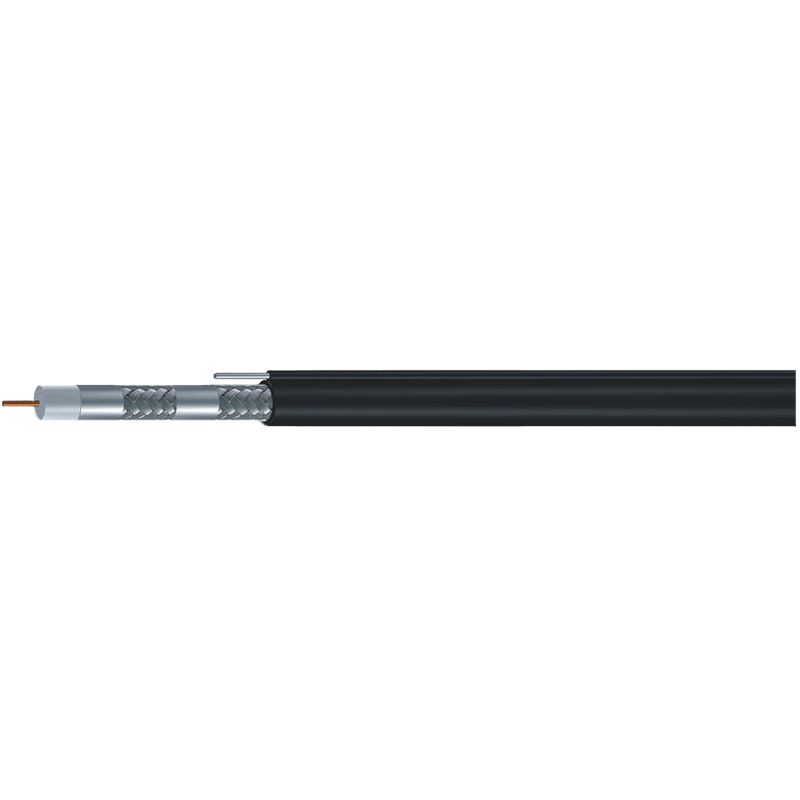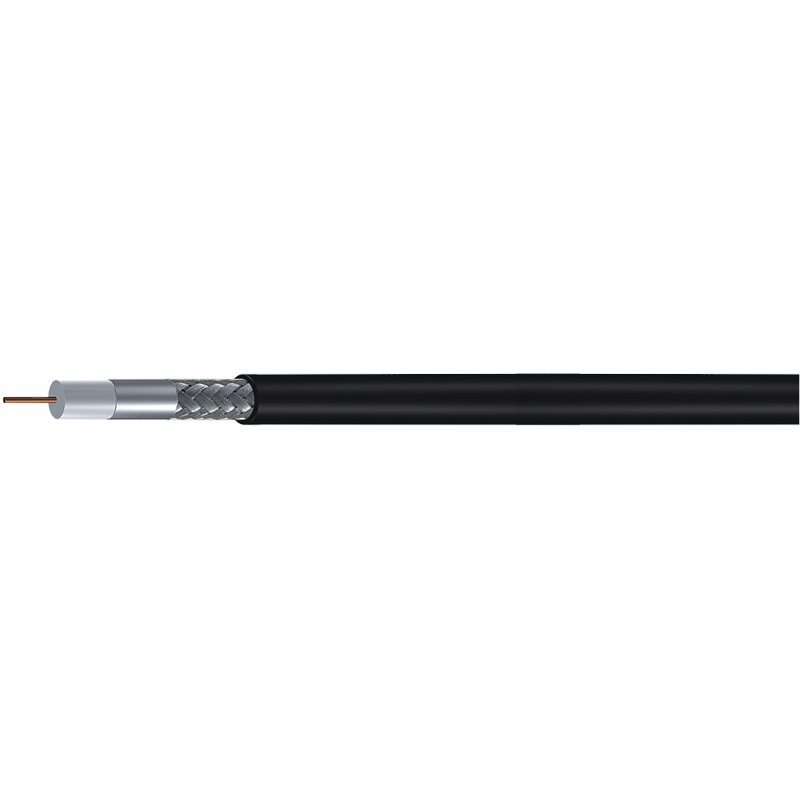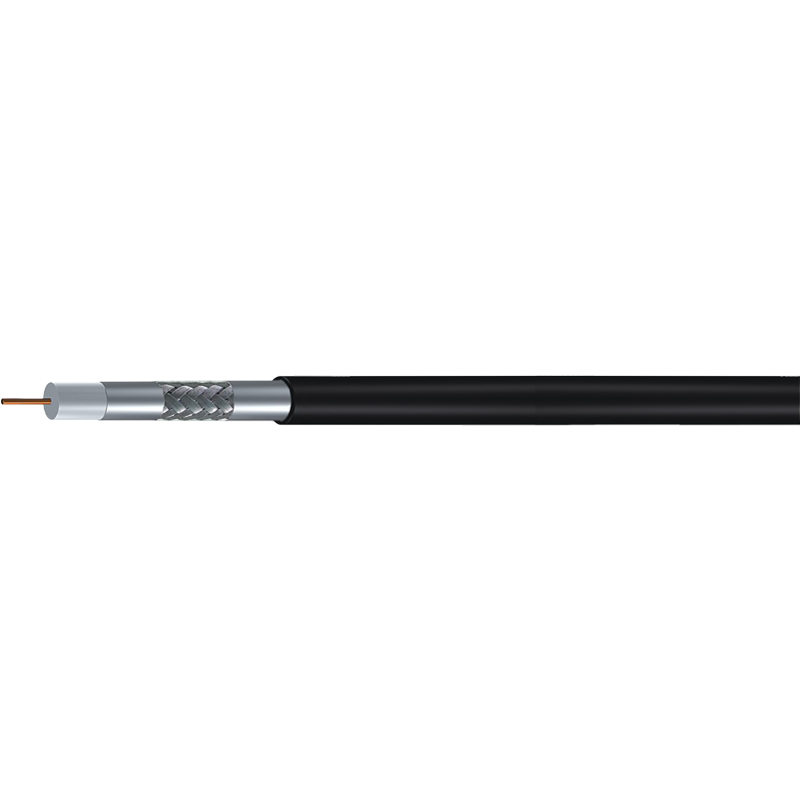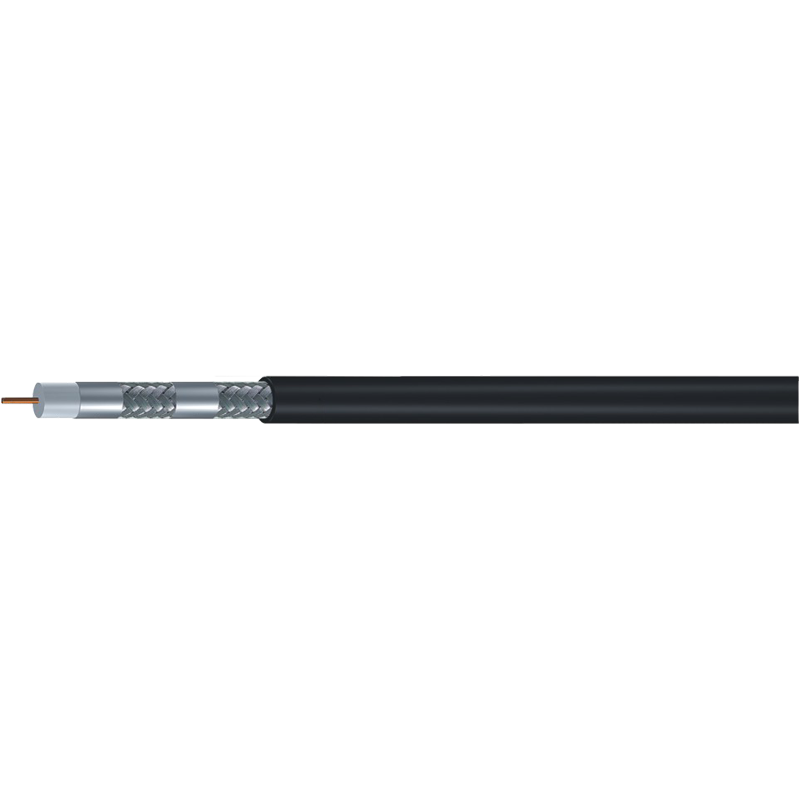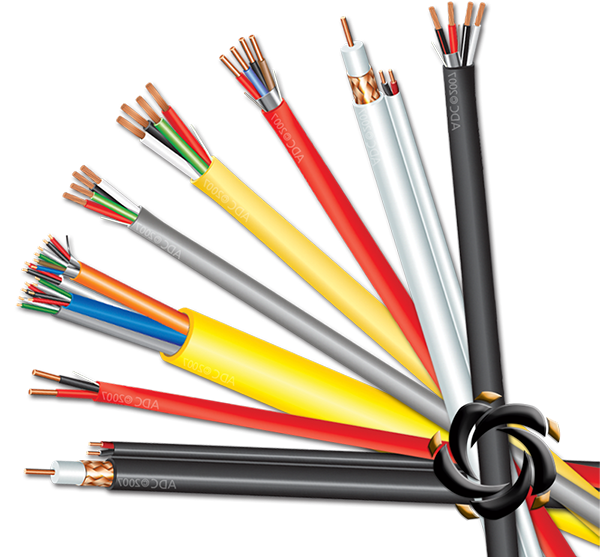
Electromagnetic and Radio Frequency Interference Protection: The primary purpose of the shielding in a television coaxial cable is to protect the transmitted signal from external electromagnetic interference (EMI) and radio frequency interference (RFI), which can originate from a wide variety of electronic devices, including Wi-Fi routers, cellular phones, microwave ovens, power lines, and other household or industrial electrical equipment. High-quality shielding, often consisting of multiple layers of braided copper, aluminum foil, or a combination of both, provides nearly complete coverage around the central conductor, creating a barrier that prevents these unwanted signals from coupling into the cable. Poor-quality shielding may have gaps, insufficient density, or single-layer construction, allowing interference to penetrate the cable and disrupt the television signal. In digital television systems, this interference can manifest as blocky video artifacts, dropped frames, or audio glitches, while in analog systems it may appear as static, ghosting, or color distortion. Multi-layer, dense shielding ensures that both high- and low-frequency interference is effectively blocked, which is particularly critical in environments with high electromagnetic noise or in long cable runs where cumulative interference can significantly degrade picture and sound quality.
Signal Attenuation and Leakage Reduction: The quality of shielding in a television coaxial cable also has a profound impact on signal attenuation and leakage. Signal attenuation refers to the gradual loss of signal strength as it travels through the cable, which can be exacerbated when shielding is poor or incomplete. Low-quality shielding may allow the signal to radiate outward or allow external signals to leak inward, effectively reducing the overall signal-to-noise ratio and weakening the quality of the picture and audio at the receiving device. This problem is especially pronounced for high-frequency signals, such as those used for digital cable, satellite television, or ultra-high-definition (4K/8K) broadcasts, which are more sensitive to impedance inconsistencies and electromagnetic coupling. High-quality coaxial cable shielding ensures that the electromagnetic field of the signal remains confined within the cable, minimizing leakage and maintaining consistent voltage levels along the conductor.
Impact on Picture and Audio Quality: Shielding quality directly influences the visual and auditory experience provided by a television system. Poor or compromised shielding allows external noise to interfere with the transmitted signal, resulting in a wide range of potential artifacts that degrade picture quality and sound clarity. On analog systems, interference may appear as ghosting, horizontal or vertical lines, color bleeding, flickering, or random static across the image. On digital systems, it can cause pixelation, blocky compression artifacts, frame skipping, signal freezing, or complete loss of channels, especially when the signal is weak or the cable run is long. Audio signals are similarly affected, with poor shielding leading to hums, crackles, or intermittent audio dropouts. In high-definition and ultra-high-definition systems, which rely on high-bandwidth signals, even minor interference can have a noticeable impact on image fidelity, sharpness, and color accuracy. High-quality, multi-layer shielding ensures that these problems are minimized, delivering a stable, interference-free signal that preserves both picture clarity and audio quality. This is essential in both home entertainment systems and professional installations where reliability and visual performance are critical.
Impedance Stability and Signal Integrity: Shielding quality is directly related to maintaining consistent characteristic impedance along the length of a television coaxial cable. Characteristic impedance is crucial for minimizing reflections, standing waves, and signal distortion, particularly in high-frequency applications. Poor-quality shielding, irregular braiding, or insufficient foil coverage can create minor variations in impedance that lead to reflections of the signal back toward the source, effectively reducing the strength and clarity of the transmitted signal at the receiver. Over long distances or in multi-split systems, these impedance mismatches can accumulate, further degrading the picture and audio quality. High-quality shielding ensures a uniform conductor-to-shield spacing, preventing impedance fluctuations and maintaining consistent signal propagation throughout the cable. This results in stable, high-fidelity transmission of both analog and digital television signals, even in challenging environments with multiple sources of interference or long cable runs. By preserving signal integrity, superior shielding ensures that all connected devices, including televisions, set-top boxes, and distribution amplifiers, receive the intended signal without degradation or loss.
Durability and Long-Term Performance: The mechanical construction of a television coaxial cable’s shielding significantly impacts its durability and long-term performance. High-quality shielding, often consisting of dense braiding or multiple foil layers, resists physical stress from bending, twisting, crushing, or repeated connection cycles, maintaining its electromagnetic protection over time. In contrast, low-quality shielding can fray, tear, or lose coverage after repeated installation adjustments or exposure to environmental stressors, such as temperature fluctuations, humidity, or UV exposure for outdoor cables. Once the shielding is compromised, the cable becomes susceptible to interference, signal leakage, and impedance inconsistencies, resulting in degraded picture and audio quality. Superior shielding construction ensures that the cable remains robust and reliable over many years, reducing maintenance requirements and providing consistent performance in both residential and professional applications. For long-term installations, such as structured home entertainment systems or commercial broadcast environments, investing in cables with high-quality shielding is essential to guarantee uninterrupted signal delivery, high-definition video performance, and superior audio fidelity.