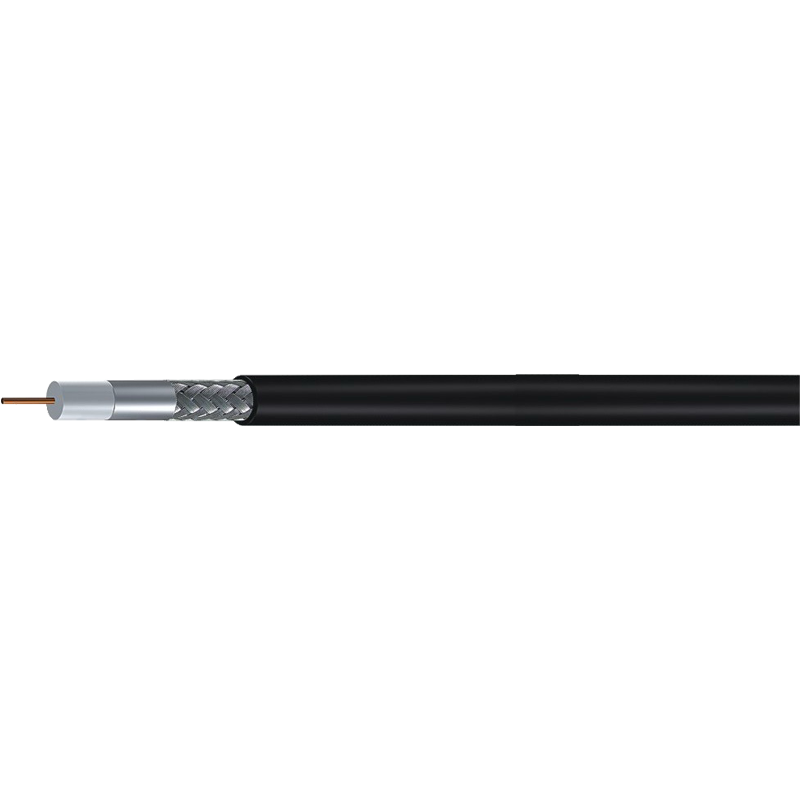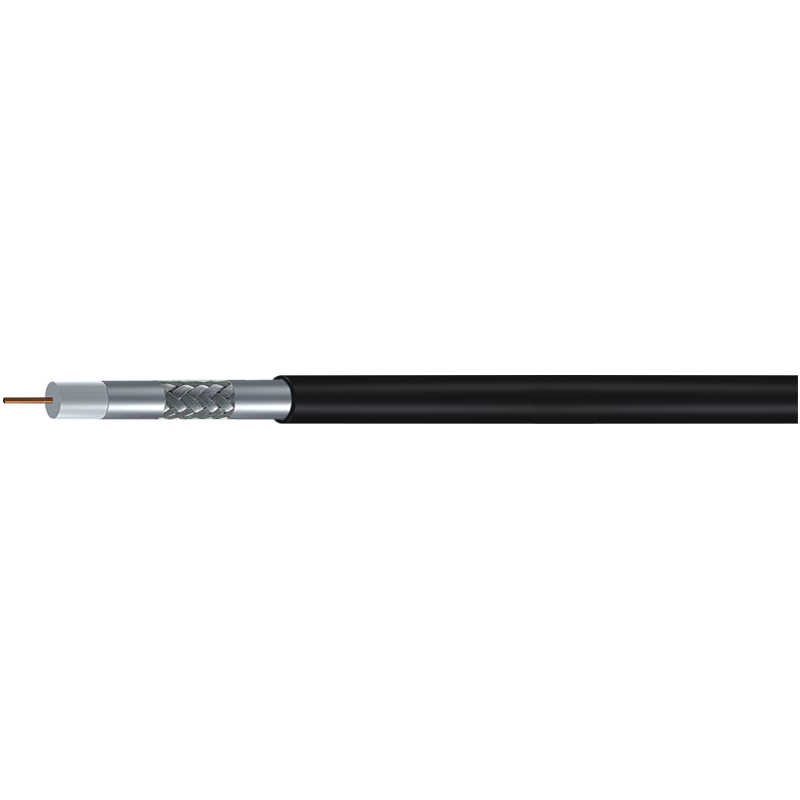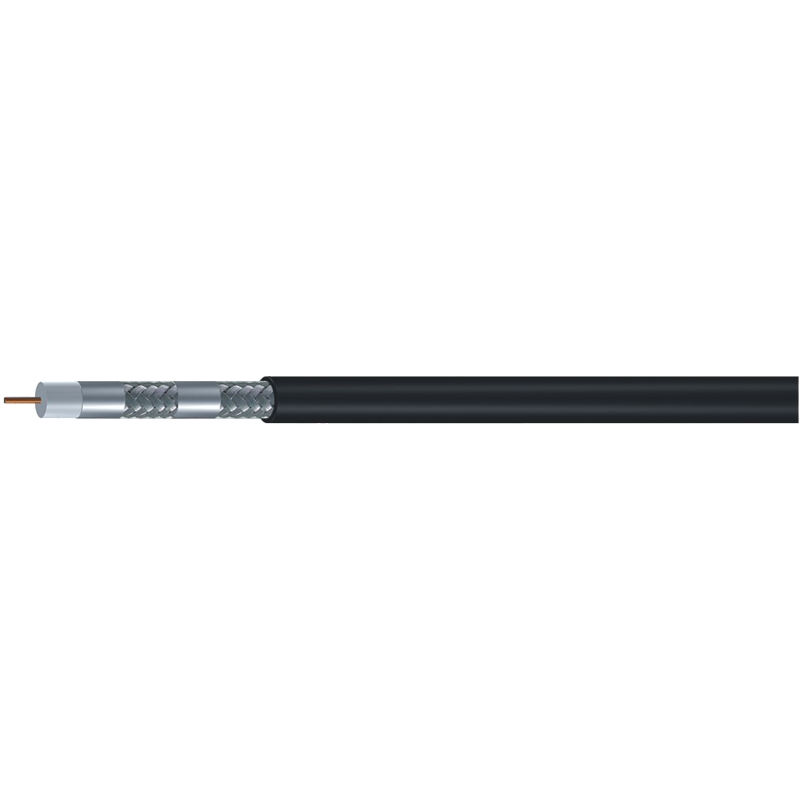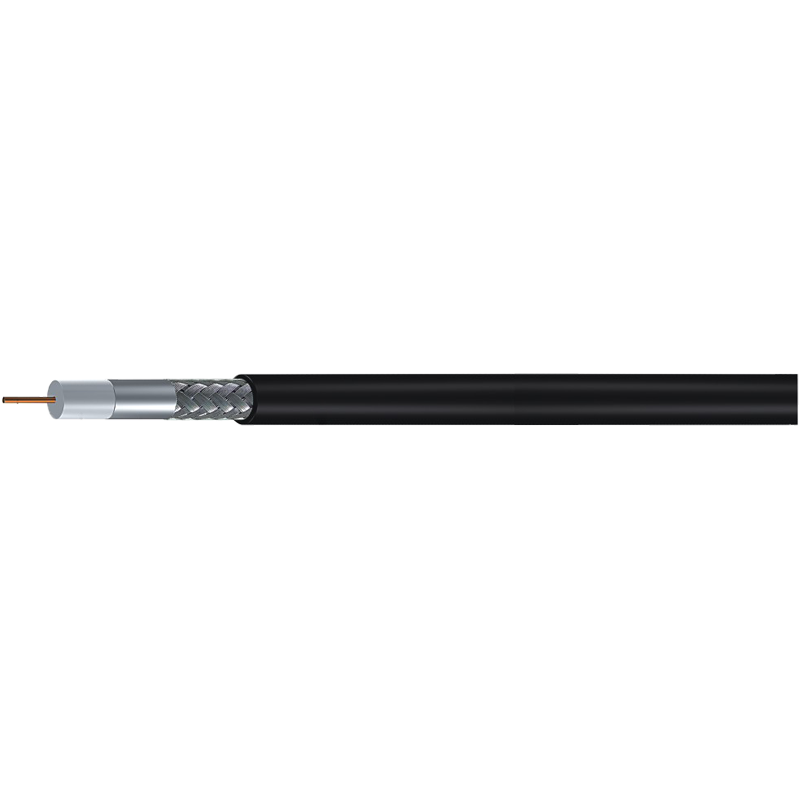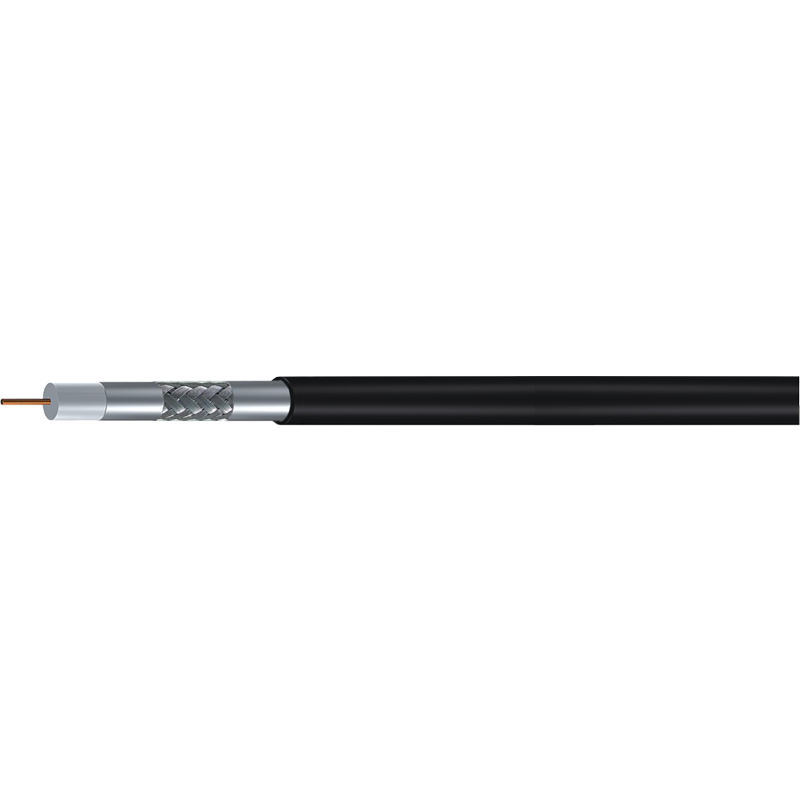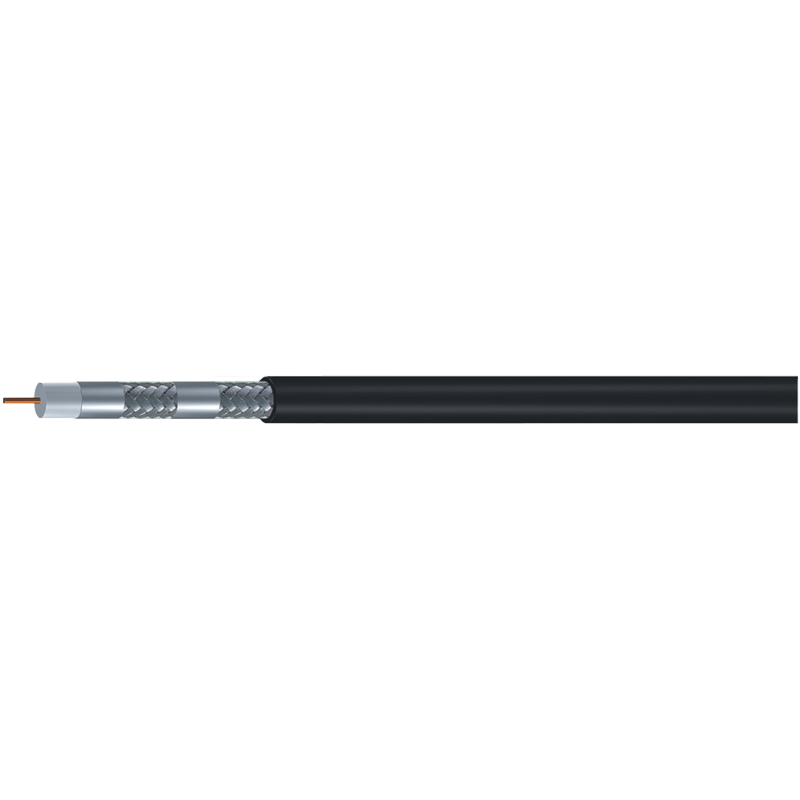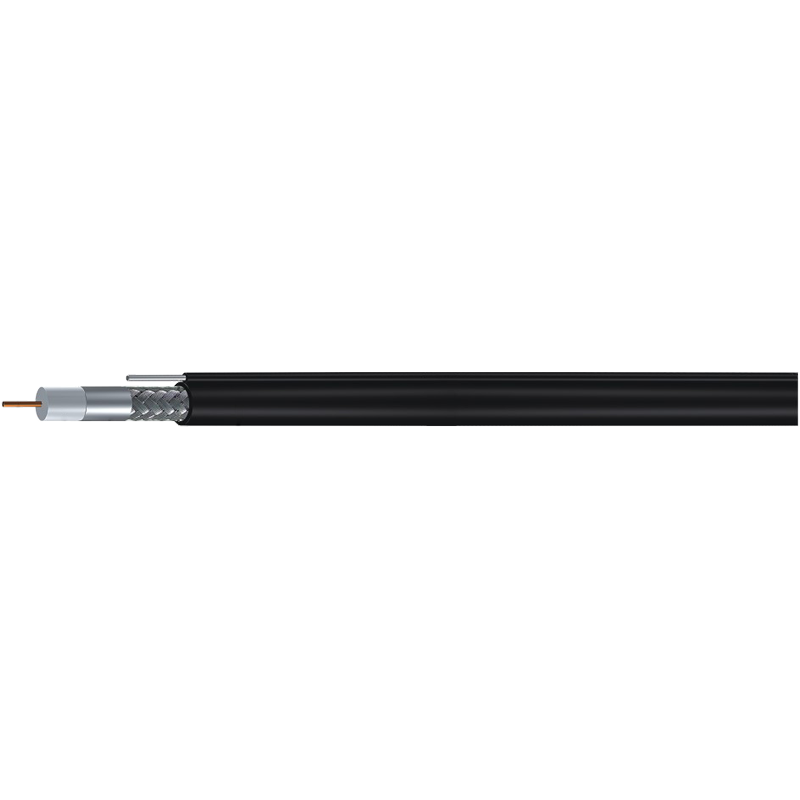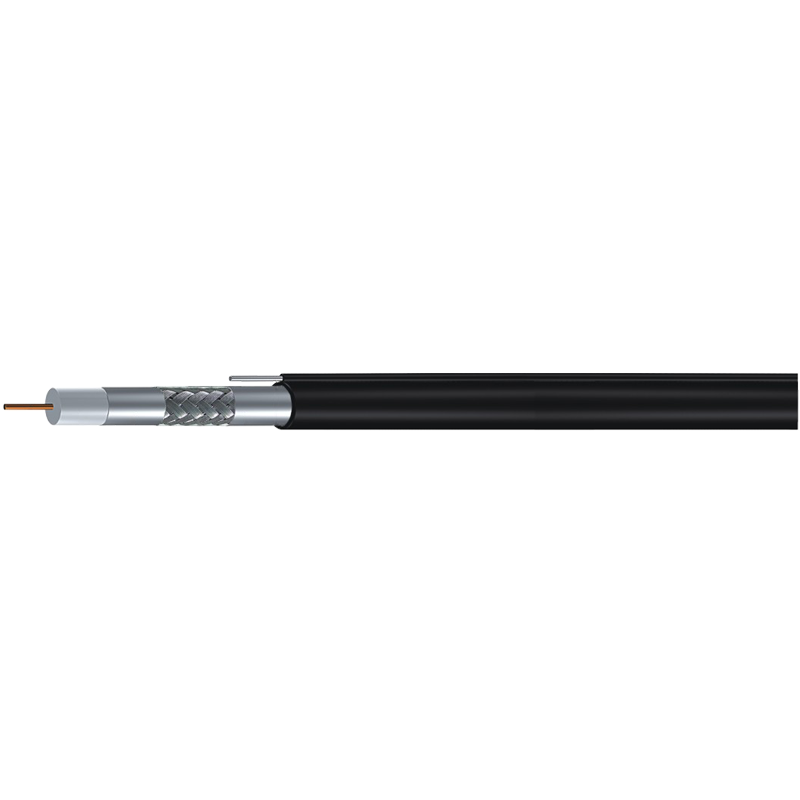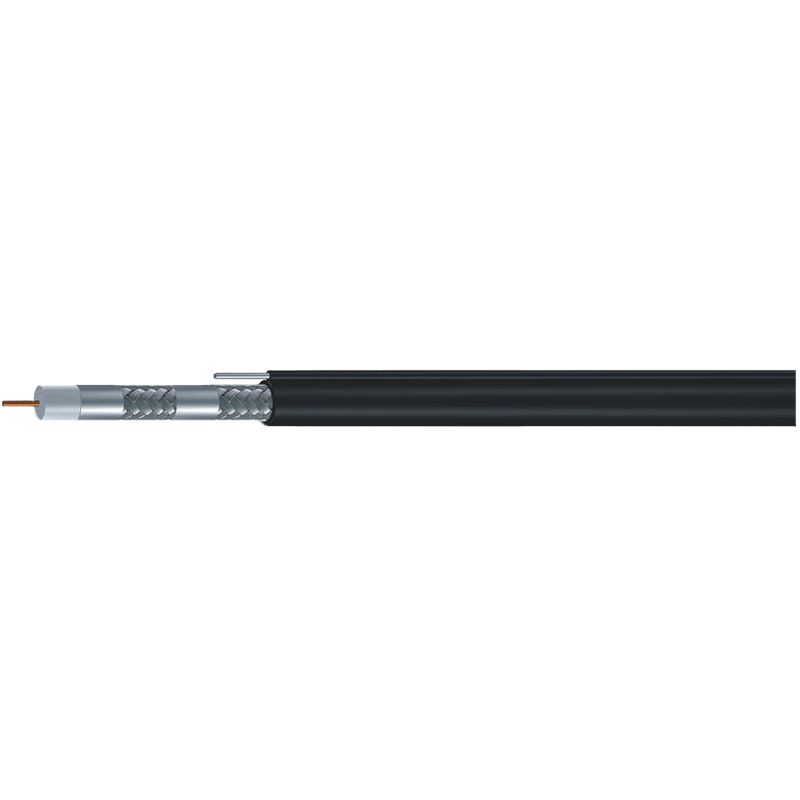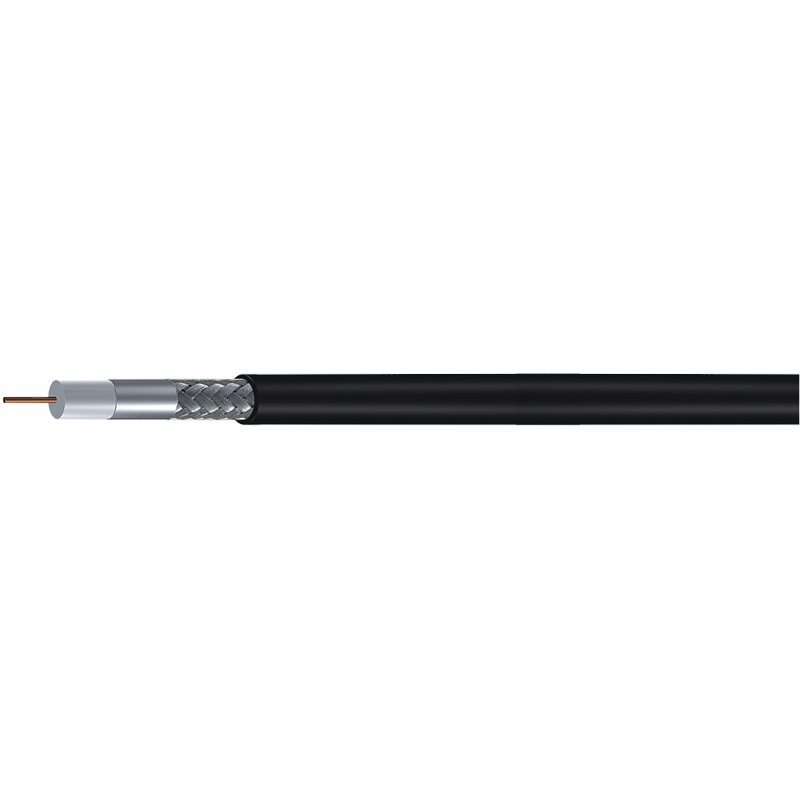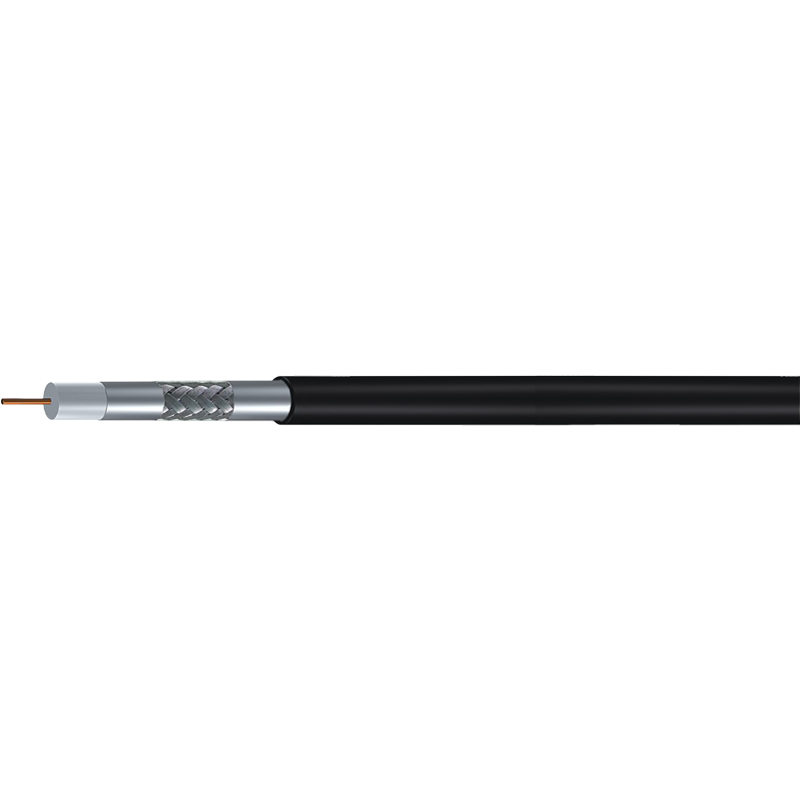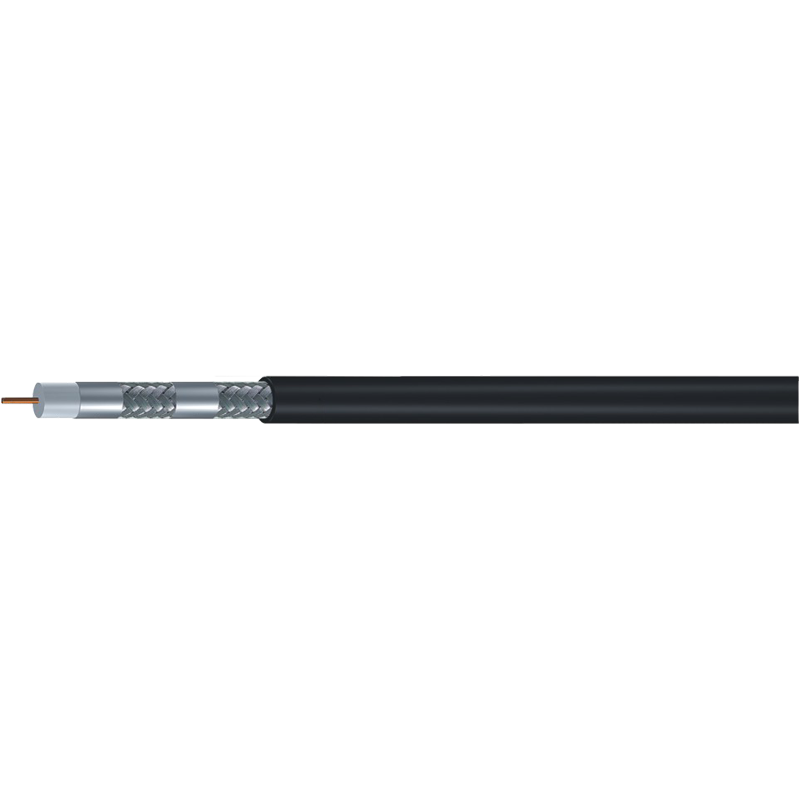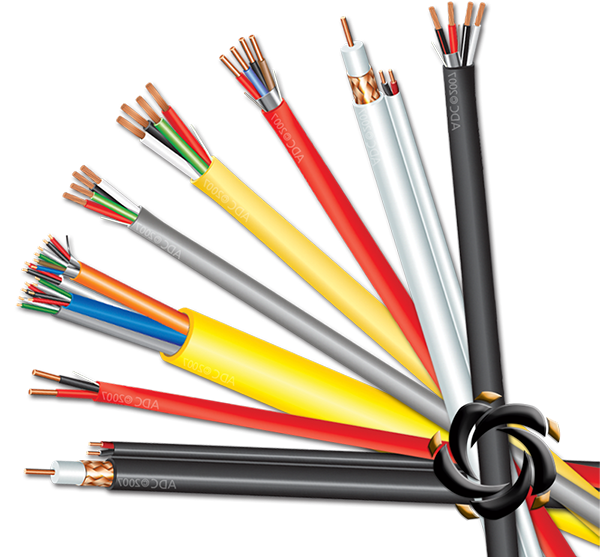
For home TV systems, 75 Ohm Coaxial Cable is the correct choice — full stop. It is the industry standard for cable TV, satellite, over-the-air (OTA) antenna, and CATV distribution systems. A 50 Ohm Coaxial Cable, by contrast, is engineered for RF transmission in radio communications and commercial wireless equipment. Using a 50 Ohm cable in a home TV setup introduces impedance mismatch, which causes signal reflections, power loss, and degraded picture quality. Understanding why requires a closer look at how impedance matching works and what happens when it fails.
What Is Impedance and Why Does It Matter?
Impedance, measured in Ohms (Ω), describes the total opposition a cable presents to alternating current at a given frequency. In a coaxial cable, impedance is determined by the ratio of the outer conductor's inner diameter to the inner conductor's outer diameter, as well as the dielectric material separating them. It is not simply resistance — it is a frequency-dependent property that governs how efficiently a signal travels from source to destination.
When the impedance of a cable matches the impedance of the connected device — such as a TV tuner, splitter, or antenna — maximum power is transferred and signal reflections are minimized. When there is a mismatch, a portion of the signal bounces back toward the source, creating standing waves and measurable signal loss known as return loss or Voltage Standing Wave Ratio (VSWR).
75 Ohm vs 50 Ohm Coaxial Cable: Core Differences
Both cable types look nearly identical from the outside. The critical differences lie in their internal geometry and intended application.
| Feature | 75 Ohm Coaxial Cable | 50 Ohm Coaxial Cable |
|---|---|---|
| Primary Use | TV, cable, satellite, CATV | Radio, wireless, lab equipment |
| Signal Attenuation | Lower (better for long runs) | Higher at same frequency |
| Power Handling | Lower | Higher |
| Connector Type | F-type, RCA, BNC (75Ω) | N-type, SMA, BNC (50Ω) |
| Typical Common Types | RG-6, RG-59, RG-11 | RG-58, RG-8, LMR-400 |
| TV Device Compatibility | Fully compatible | Mismatched, not suitable |
Why 75 Ohm Coaxial Cable Became the TV Standard
The 75 Ohm impedance value was not chosen arbitrarily. It represents the optimal balance between two competing performance factors in a coaxial cable:
- Minimum signal attenuation occurs at approximately 77 Ohms for air-dielectric cables.
- Maximum power transfer occurs at approximately 30 Ohms.
- The 50 Ohm standard was chosen as a compromise for transmitters that need both low loss and high power handling.
- TV reception systems prioritize low signal loss over power handling, making 75 Ohms the practical engineering optimum.
Because televisions and set-top boxes receive rather than transmit high-power RF signals, minimizing attenuation along the cable run is the top priority. A 75 Ohm Coaxial Cable like RG-6 achieves approximately 5.7 dB of loss per 100 feet at 900 MHz, while a comparable 50 Ohm cable such as RG-58 exhibits roughly 8.0 dB of loss over the same distance and frequency — a significant difference when signals are already weak coming from a rooftop antenna.
What Happens When You Use a 50 Ohm Cable in a Home TV System?
Connecting a 50 Ohm Coaxial Cable to a TV input designed for 75 Ohms creates a measurable impedance mismatch. The practical consequences include:
- Signal reflections: Part of the incoming signal is reflected back toward the antenna or source instead of reaching the tuner.
- Increased VSWR: A mismatch between 50 Ohm and 75 Ohm systems produces a VSWR of approximately 1.5:1, meaning up to 4% of signal power is lost purely due to reflection.
- Ghosting or pixelation: In analog TV systems, reflected signals cause ghost images. In digital systems, they can cause pixelation or dropouts.
- Higher attenuation: The 50 Ohm cable itself loses more signal per foot compared to a 75 Ohm Coaxial Cable at TV broadcast frequencies.
In a short cable run of under 10 feet, this mismatch may be barely noticeable. Over longer runs of 50 feet or more, the combined effect of higher attenuation and signal reflection can cause a digital TV tuner to lose lock on weaker channels entirely.
Choosing the Right 75 Ohm Coaxial Cable for Your Home TV Setup
Not all 75 Ohm Coaxial Cables are equal. The right type depends on your application, run length, and environment.
RG-59
An older 75 Ohm standard with a thinner center conductor. It is adequate for short runs under 25 feet at standard cable TV frequencies (up to 550 MHz), but performs poorly at satellite frequencies (950–2150 MHz). It is largely being replaced by RG-6 in modern installations.
RG-6
The current residential standard 75 Ohm Coaxial Cable. It handles frequencies up to 3 GHz, making it compatible with cable TV, satellite, OTA HDTV, and DOCSIS 3.1 internet signals. Quad-shield RG-6 offers superior noise rejection in electrically noisy environments like apartment buildings or urban areas.
RG-11
A thicker, lower-loss 75 Ohm Coaxial Cable designed for long runs exceeding 150–200 feet. At 1 GHz, RG-11 exhibits approximately 3.0 dB of loss per 100 feet compared to RG-6's 6.0 dB — making it the preferred choice for distributing signals across large homes or running cable from a rooftop dish to a basement equipment rack.
Can You Adapt Between 75 Ohm and 50 Ohm Coaxial Cable?
Physical adapters exist that allow 50 Ohm connectors (such as BNC-50 or N-type) to mate with 75 Ohm connectors. However, a physical adapter does not solve the impedance mismatch — it only resolves the mechanical incompatibility. The signal reflections and additional attenuation still occur at the impedance boundary.
Proper impedance transformation requires a matching network or a dedicated 50-to-75 Ohm impedance matching pad, which introduces its own insertion loss (typically 5.7 dB). For home TV use, this is never a practical or recommended solution. The correct approach is always to use a proper 75 Ohm Coaxial Cable throughout the entire signal path — from antenna or wall outlet to TV input — with 75 Ohm-rated connectors, splitters, and amplifiers.
- Always verify that splitters, amplifiers, and wall plates are rated for 75 Ohm impedance. A single 50 Ohm splitter in a 75 Ohm system will degrade signal quality for every connected TV.
- Use compression-style F-connectors rather than crimp or twist-on types for a weatherproof, low-reflection termination.
- Avoid sharp bends below the cable's minimum bend radius — typically 10× the cable's outer diameter — as these alter local impedance and cause signal loss.
- For outdoor runs, use a UV-rated or direct-burial 75 Ohm Coaxial Cable and seal all exterior connectors with self-amalgamating tape.
- Terminate any unused ports on a splitter with a 75 Ohm terminator cap to prevent signal reflections from open ports degrading other connected outputs.