Cable Infrastructure — Editorial
What Is RG6 Coaxial Cable Used For
An examination of how RG6 and RG59 diverge in construction, signal behavior, and real-world application — and why the answer determines the quality of everything connected to it.
Direct Answer: RG6 vs RG59 in One Glance
RG6 coaxial cable is primarily used for modern cable TV coaxial cable installations, satellite dish connections, and cable internet/modem service, because it carries higher frequencies with lower signal loss over longer distances. RG59 coaxial cable, by contrast, is best suited for short-distance analog video applications such as older CCTV camera runs, composite video connections, and legacy baseband signal transmission.
RG59 coaxial cable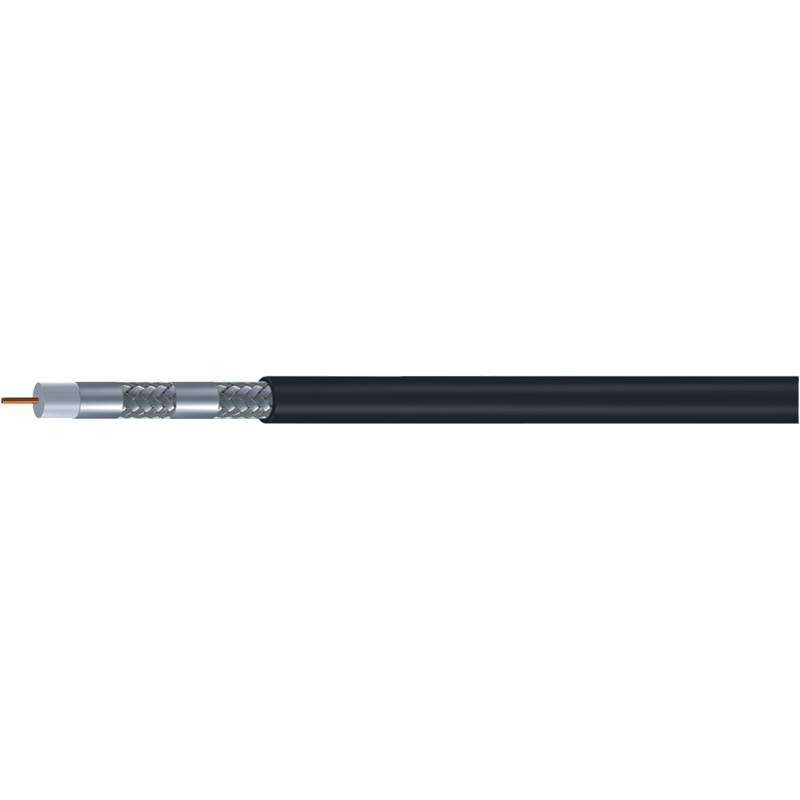
The core difference comes down to the center conductor thickness, dielectric construction, and shielding, all of which are part of the broader coaxial cable specifications that determine how far and how cleanly a signal can travel. If you are wiring a home for HDTV, satellite, or broadband internet today, RG6 is almost always the correct choice.
Info
If you are maintaining an older analog security system or a short indoor video run, RG59 may still be perfectly adequate — the mistake is using it where it was never designed to perform.
What Is RG6 Coaxial Cable?
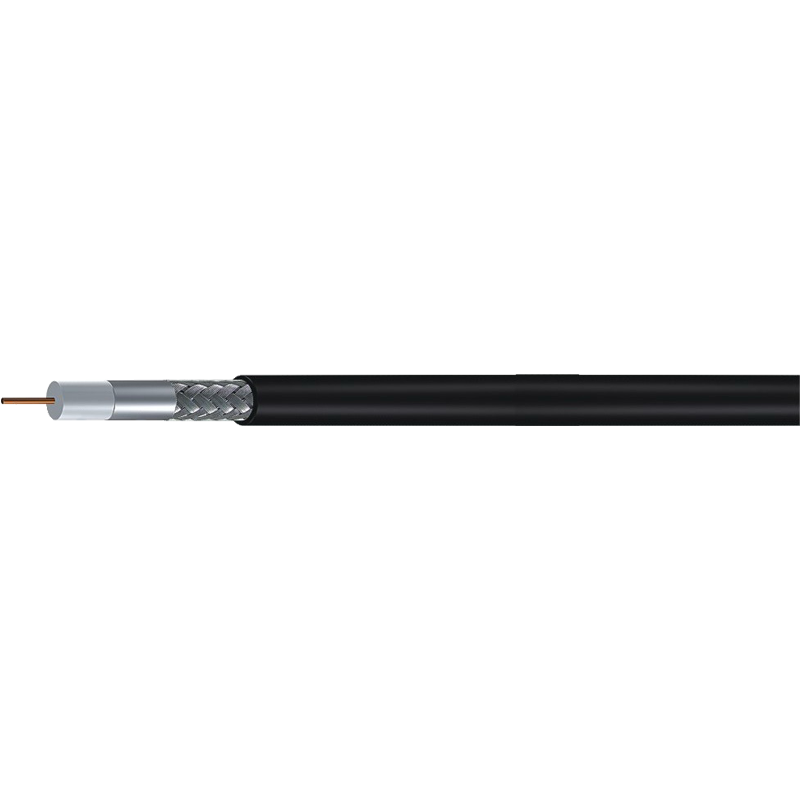
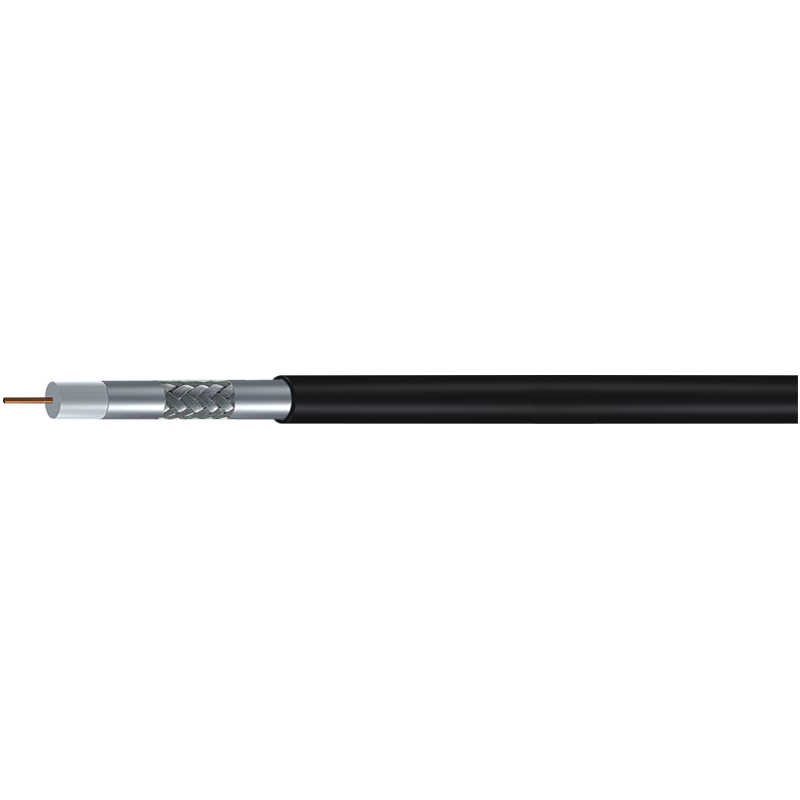
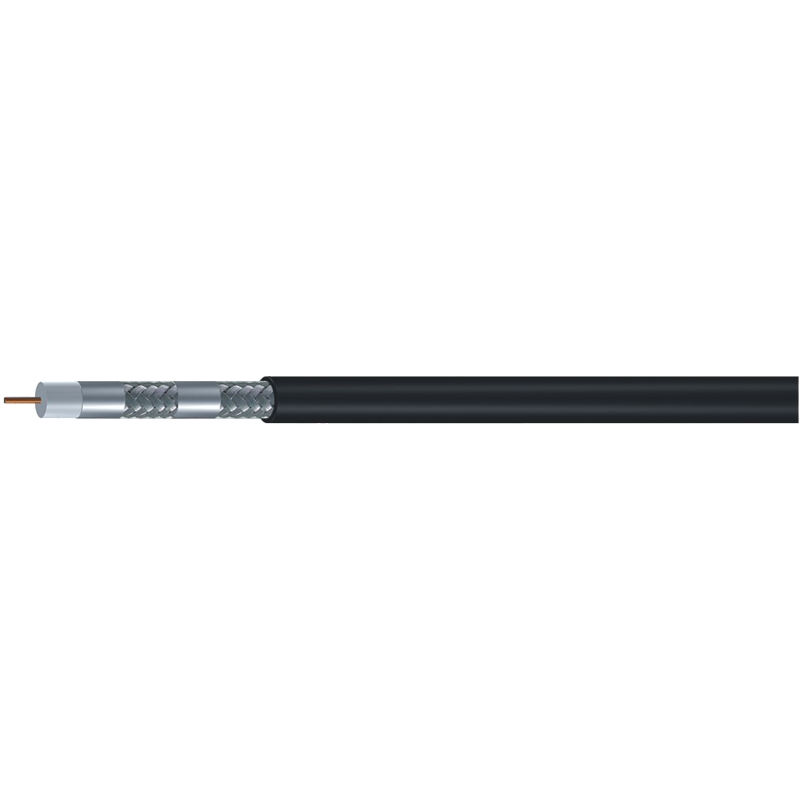
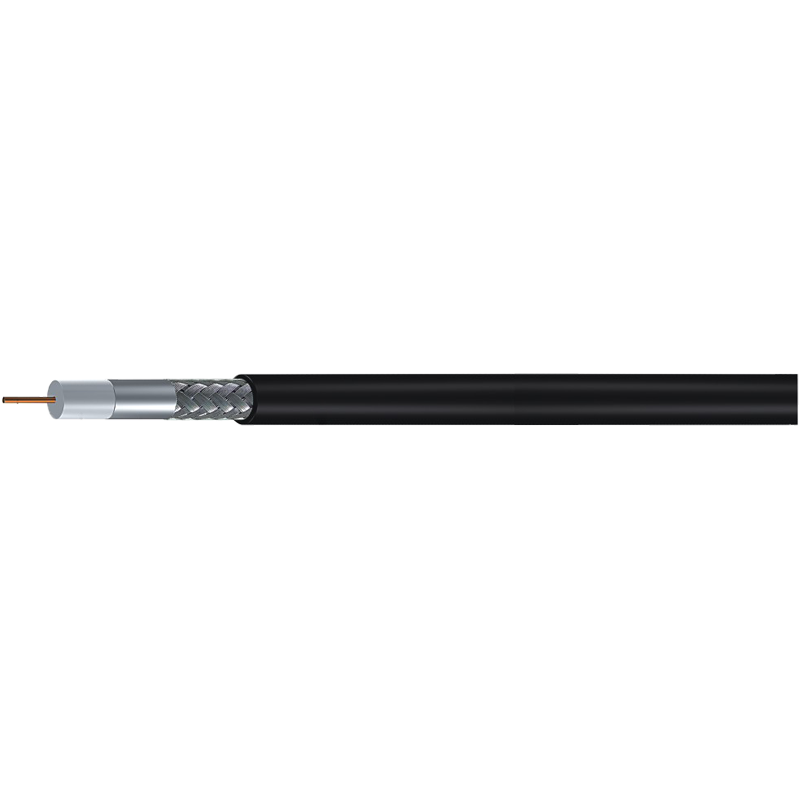
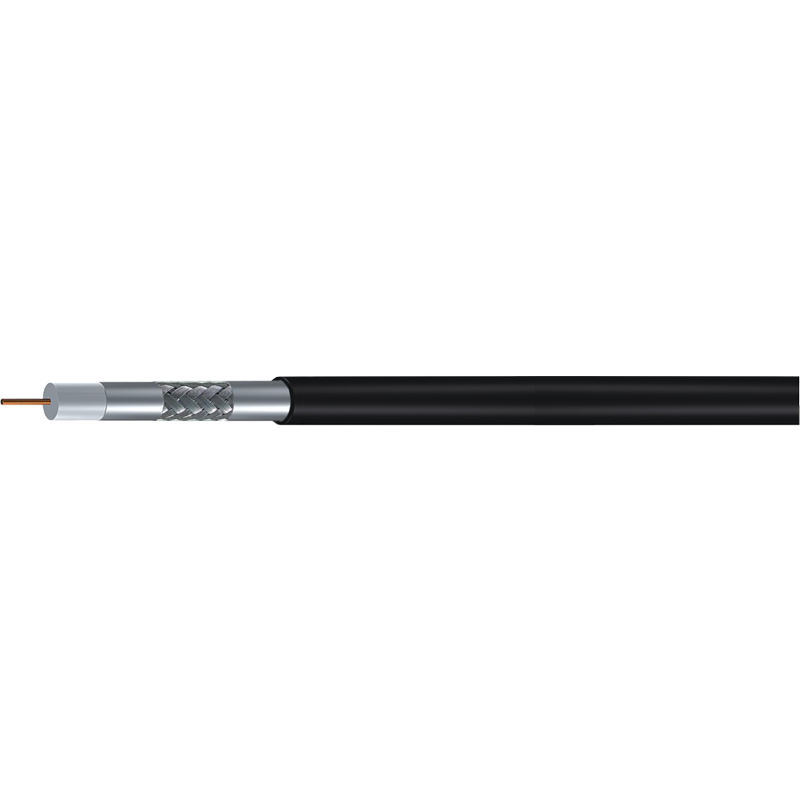
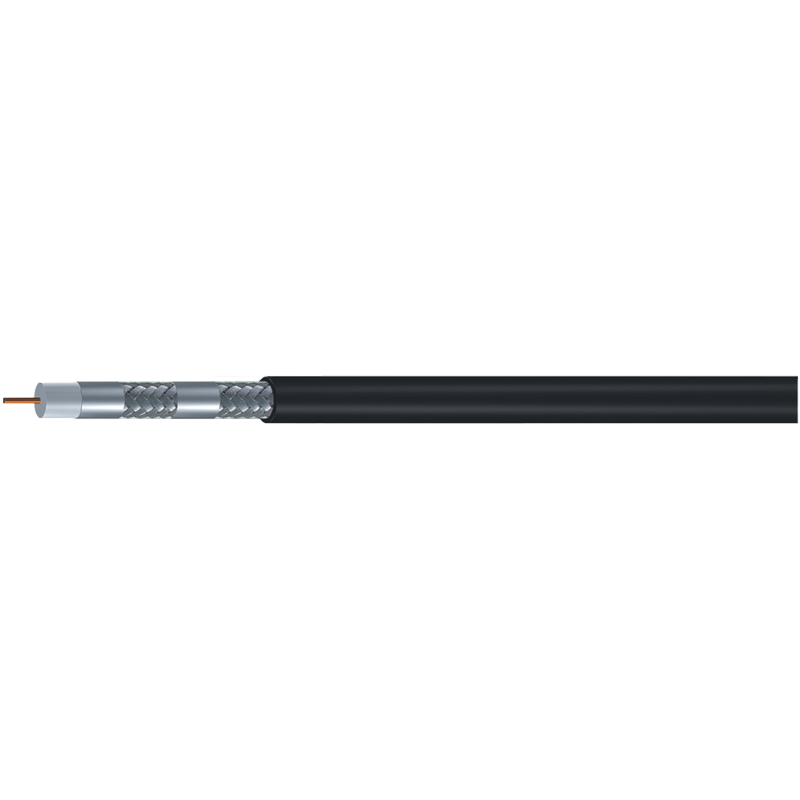
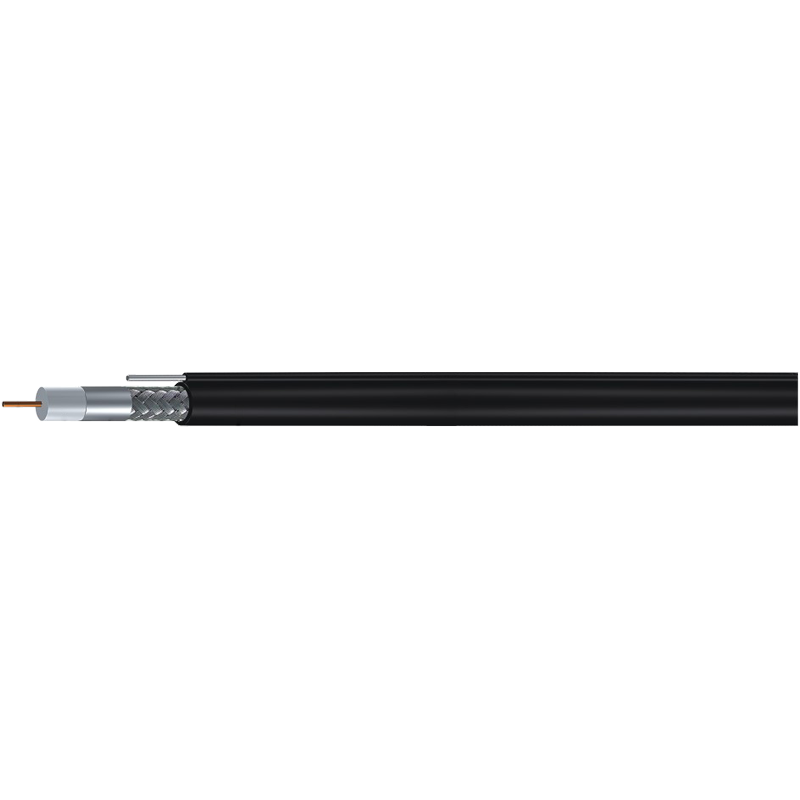
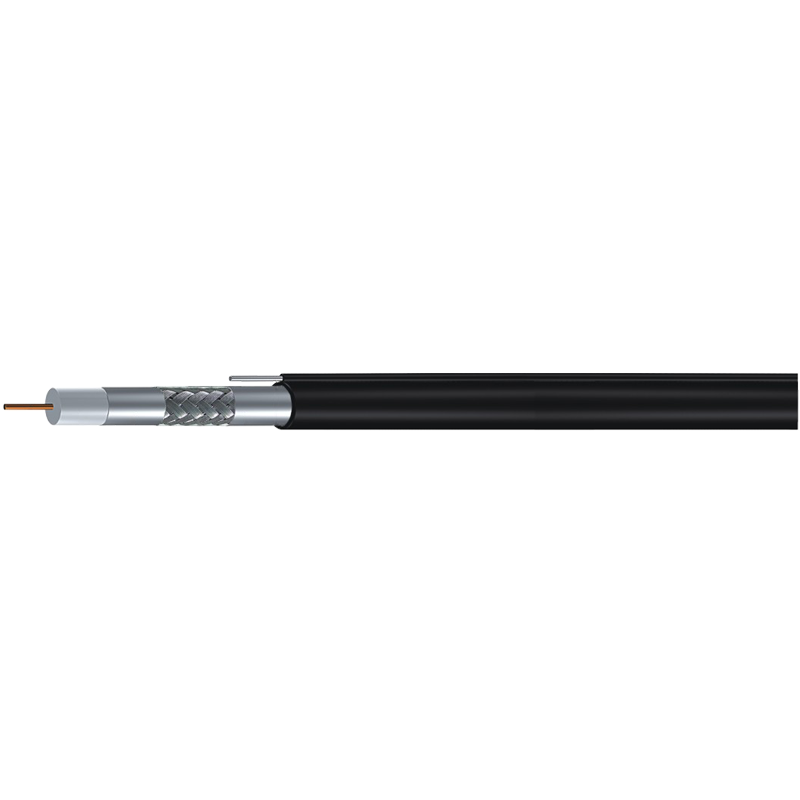
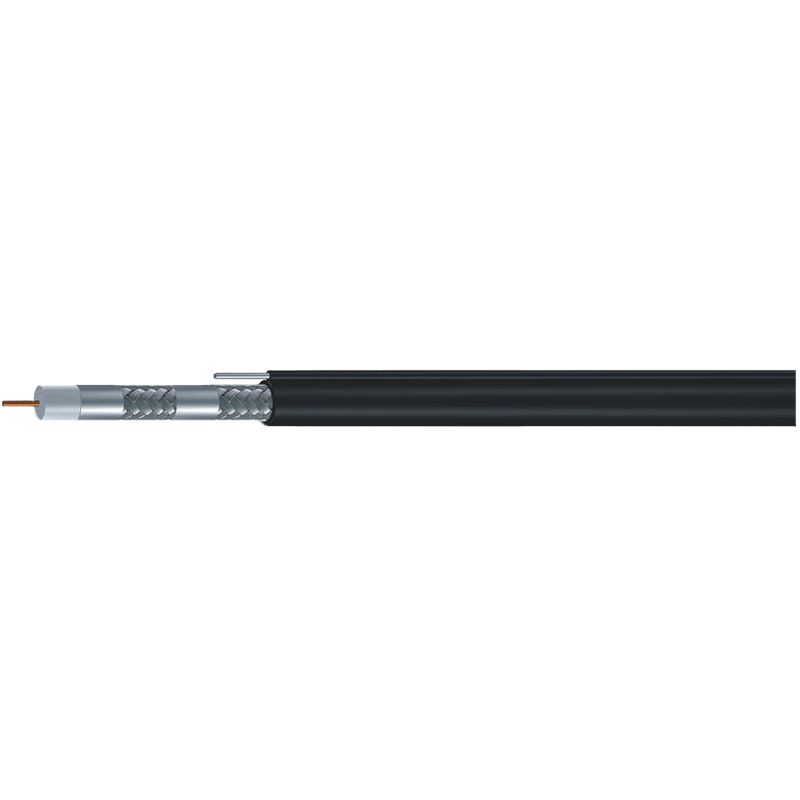
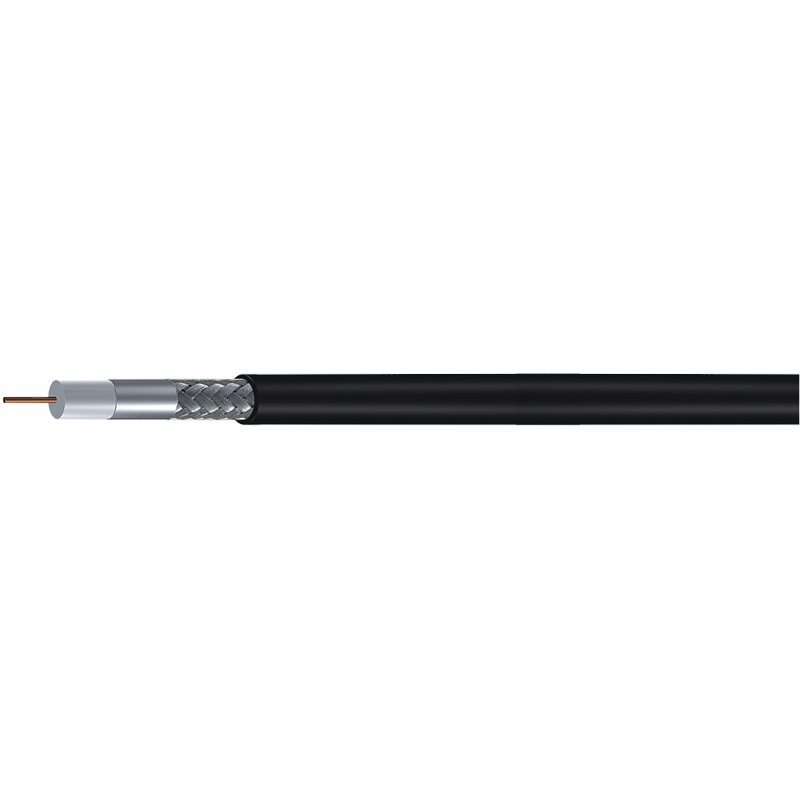
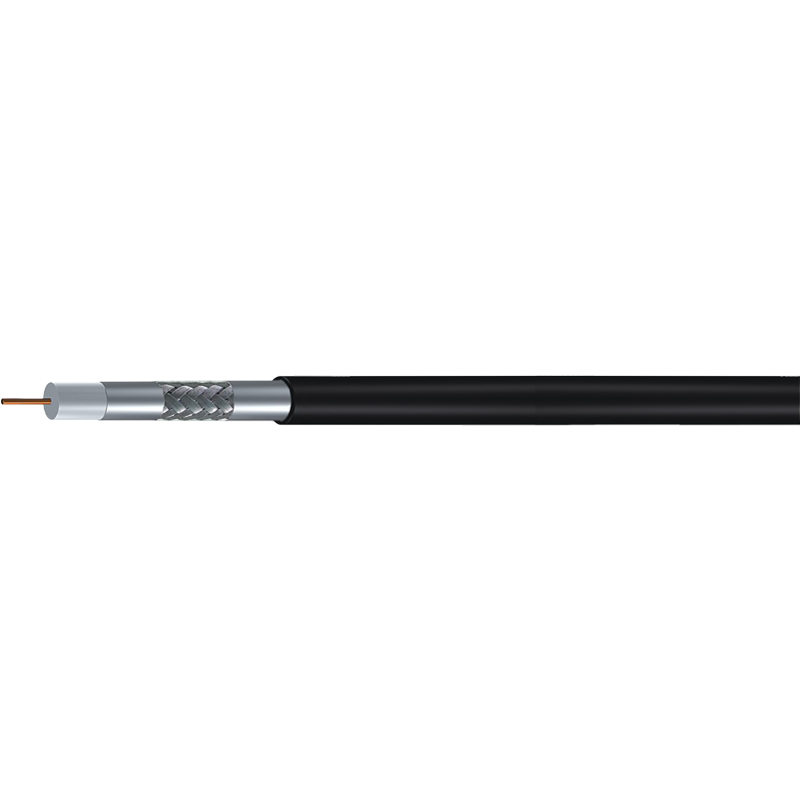
RG6 is a type of coaxial cable built with a thicker center conductor (typically 18 AWG copper or copper-clad steel), a foam or solid polyethylene dielectric insulator, and either dual or quad shielding made of braided copper and aluminum foil. This construction gives RG6 a characteristic impedance of 75 ohms, which matches the standard used across residential television, satellite, and broadband networks in most countries.
Because of its shielding and conductor thickness, RG6 supports frequencies up to 3 GHz in many quad-shield variants — making it the default choice for anyone building infrastructure meant to outlast the equipment plugged into it.
It is the cable most commonly pulled through walls during new home construction specifically because it accommodates future upgrades to higher-bandwidth services without needing to be replaced.
What Is RG59 Coaxial Cable?
RG59 is an older coaxial cable format with a thinner center conductor (usually 20 or 22 AWG) and a single layer of shielding in most consumer-grade versions. It was originally designed for low-frequency analog video signals, such as composite video from a DVD player or an analog security camera feed.
RG59 performs well over short distances, typically under 100 feet, but signal attenuation increases sharply beyond that point, especially at higher frequencies. This is why RG59 is rarely recommended for modern cable TV coaxial cable installations or satellite systems, where signals often need to travel much farther and at much higher bandwidths.
Side-by-Side Coaxial Cable Specifications
Comparing the two cable types directly makes the practical differences clear. The table below summarizes the core coaxial cable specifications that matter most for installers and homeowners alike.
| Specification | RG6 | RG59 |
| Center Conductor Gauge | 18 AWG | 20–22 AWG |
| Impedance | 75 ohms | 75 ohms |
| Maximum Frequency | Up to 3 GHz | Up to 900 MHz |
| Effective Run Length | Up to 300 feet | Under 100 feet |
| Typical Shielding | Dual or quad shield | Single shield |
| Common Application | Cable TV, satellite, broadband | Analog CCTV, short video runs |
Primary Uses of RG6 Coaxial Cable
RG6 has become the industry default for several key applications because of its bandwidth capacity and low signal loss over distance:
Residential and Commercial Cable Television
Nearly every modern cable TV coaxial cable installation uses RG6 because service providers transmit hundreds of channels across a wide frequency spectrum. RG6's shielding reduces interference from nearby electrical wiring, WiFi routers, and other RF sources, which keeps picture quality consistent even in homes with dense electronics.
Satellite TV and Dish Connections
Satellite signals operate at much higher frequencies than standard cable, often exceeding 1 GHz. RG6's ability to support up to 3 GHz makes it the only practical choice for connecting a satellite dish to an indoor receiver, particularly on runs that exceed 50 feet.
Cable Internet and Modem Service
Broadband internet delivered over coaxial infrastructure relies on high-frequency data channels to achieve gigabit speeds. RG6 supports this bandwidth reliably, which is why internet providers specify it for modem installations rather than older cable types.
When RG59 Still Makes Sense
Despite being largely replaced by RG6 in most modern installations, RG59 still has a few legitimate use cases:
- Short-distance analog security camera wiring, typically under 100 feet
- Legacy composite video connections between older audio-visual equipment
- Low-frequency baseband signal transmission where bandwidth demands are minimal
- Budget-conscious indoor patch cables where signal distance is not a factor
Warning
Outside of these scenarios, RG59 is generally considered outdated for anything involving high-definition video, satellite reception, or internet data transmission.
Signal Loss and Shielding: Why the Difference Matters
Signal attenuation is measured in decibels per 100 feet (dB/100ft), and it increases with frequency. At 1 GHz, RG6 typically loses around 6 to 7 dB per 100 feet, while RG59 can lose 10 dB or more over the same distance. This difference becomes critical in long cable runs, where excessive signal loss results in pixelation, dropped channels, or reduced internet throughput.
Shielding is not a specification you notice — until the day interference from a router or an appliance quietly degrades a signal you assumed was solid.
Quad-shield RG6, which uses two layers of foil and two layers of braided shielding, blocks significantly more electromagnetic interference than the single-braid shielding found in standard RG59. This makes RG6 more reliable in environments with heavy electronic interference, such as apartment buildings or homes with extensive networking equipment.
Choosing the Right Cable for Your Installation
For most homeowners and installers, the decision comes down to a few practical questions:
- Is the cable run longer than 100 feet? Choose RG6 to avoid signal degradation.
- Will the cable carry HD, 4K, satellite, or internet signals? RG6 is required for adequate bandwidth.
- Is this a short, low-frequency analog connection? RG59 may still be acceptable.
- Are you future-proofing new construction wiring? RG6 quad-shield is the safer long-term investment.
Success
In nearly every new installation scenario, professional installers default to RG6 because it accommodates both current and future service upgrades without requiring a rewire.
This is especially true for cable TV coaxial cable systems, where providers frequently upgrade channel lineups and data speeds, demanding cabling that can keep pace with rising frequency requirements.
Danger
Using RG59 on a long satellite or broadband run is a common installation mistake — the signal loss compounds silently until reception fails intermittently, which is far harder to diagnose than an outright dead line.
Final Takeaway
RG6 is the modern standard for cable TV, satellite, and broadband internet, while RG59 remains a niche choice for short analog video runs. Understanding the underlying coaxial cable specifications, including conductor gauge, shielding type, and frequency support, helps ensure the right cable is selected for the job. When in doubt, RG6 offers the versatility and performance headroom needed for nearly all modern residential and commercial signal transmission needs.